

If you’ve ever searched for natural ways to ease joint pain, you’ve probably come across turmeric. And not just once. This bright yellow spice has built a strong reputation for helping with inflammation, stiffness, and overall joint discomfort. But here’s the problem most people face: they don’t know the right turmeric for joint pain dosage or which form actually works.
This guide clears that up. You’ll learn what turmeric really does, how much to take, which forms work best, and how to use it safely without wasting time or money.
Table of Contents
What Makes Turmeric Effective for Joint Pain?
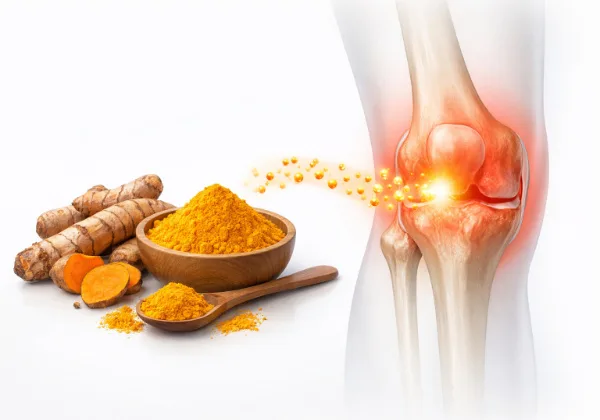
Turmeric contains a powerful compound called curcumin. This is the real reason turmeric helps with joint pain.
Curcumin works by reducing inflammation in the body. Joint pain, especially in conditions like osteoarthritis or rheumatoid arthritis, often comes from chronic inflammation. When you lower inflammation, you reduce pain and stiffness.
Research supports this. Several clinical studies show that curcumin can reduce joint pain levels comparable to some over the counter medications, without the same level of side effects.
But there’s a catch. Curcumin does not absorb well on its own. That’s why dosage and form matter more than people realize.
While turmeric helps reduce inflammation internally, combining it with practical strategies like these Typing With Arthritis In Hands Tips: 10 Proven Tips for Less Pain Fast can improve your overall hand comfort.

Why Turmeric for Joint Pain Dosage Matters
Many people sprinkle turmeric on food and expect results. Unfortunately, that won’t give you a therapeutic dose.
To actually reduce joint pain, you need a specific amount of curcumin in your system. Too little will not work. Too much may cause side effects.
That’s why understanding the correct turmeric for joint pain dosage is essential.
Recommended Turmeric for Joint Pain Dosage
Let’s keep this simple and evidence-based.
Most clinical studies suggest:
- 500 mg to 2000 mg of curcumin per day
- Divided into 2 to 3 doses for better absorption
This is not the same as raw turmeric powder. Turmeric contains only about 3 percent curcumin.
So if you rely only on kitchen turmeric, you would need very large amounts to reach effective levels. That’s not practical for daily use.
Practical Breakdown
- Mild joint pain: 500 to 1000 mg curcumin daily
- Moderate joint pain: 1000 to 1500 mg daily
- Severe joint pain: up to 2000 mg daily under guidance
Consistency matters more than high doses. Taking it daily gives better results than occasional use.
Best Forms of Turmeric for Joint Pain
Not all turmeric products work the same. Some absorb better, some don’t.
1. Turmeric Powder
This is the most common form. You can add it to food, milk, or smoothies.
Pros:
- Easy to use
- Affordable
- Natural
Cons:
- Low curcumin concentration
- Poor absorption
To improve absorption, combine turmeric with black pepper. Piperine, found in black pepper, can increase curcumin absorption significantly.
Still, turmeric powder alone may not deliver enough for serious joint pain relief.
2. Curcumin Supplements
This is the most effective option for people dealing with persistent joint pain.
High-quality supplements contain concentrated curcumin and often include piperine or advanced absorption formulas.
Pros:
- High potency
- Better absorption
- Clinically studied doses
Cons:
- Costlier than powder
- Quality varies by brand
Look for standardized extracts labeled around 95 percent curcuminoids.
3. Turmeric Tea
Turmeric tea offers a gentle way to consume turmeric daily.
Pros:
- Hydrating
- Easy on the stomach
- Good for mild discomfort
Cons:
- Lower curcumin dose
- Slower results
This works better as a supportive habit rather than a primary treatment.
4. Turmeric Milk (Golden Milk)
A popular traditional remedy, especially before bedtime.
Pros:
- Comforting and relaxing
- Combines turmeric with fat for better absorption
- Helps with mild inflammation
Cons:
- Still not enough for high-dose needs
Adding black pepper and a healthy fat like coconut oil improves effectiveness.
How to Take Turmeric for Better Results
Even with the right turmeric for joint pain dosage, you need to take it correctly.
Combine with Black Pepper
Piperine boosts absorption dramatically. Without it, your body may not use most of the curcumin.
Take with Food
Curcumin is fat-soluble. Taking it with meals that contain healthy fats improves uptake.
Split the Dose
Instead of taking one large dose, divide it across the day. This keeps levels stable in your body.
Be Consistent
You won’t feel results overnight. Most people notice improvement within 4 to 8 weeks.
What Science Says About Turmeric for Joint Pain
Several studies confirm turmeric’s role in managing joint pain.
A study published in the Journal of Medicinal Food found that curcumin significantly reduced pain and improved function in people with osteoarthritis.
Another review in Frontiers in Pharmacology highlighted curcumin’s anti-inflammatory and antioxidant effects, making it beneficial for chronic joint conditions.
These findings support the use of a proper turmeric for joint pain dosage rather than casual or inconsistent intake.
Who Can Benefit the Most?
Turmeric works best for people dealing with:
- Osteoarthritis
- Rheumatoid arthritis
- General joint stiffness after 40
- Exercise-related joint pain
- Chronic inflammation
If your joint pain comes from injury or structural damage, turmeric may help with symptoms but not fix the root cause.
Possible Side Effects and Safety
Turmeric is generally safe, but high doses can cause issues.
Some people may experience:
- Stomach upset
- Nausea
- Diarrhea
Avoid high doses if you:
- Take blood thinners
- Have gallbladder problems
- Are preparing for surgery
Always consult a healthcare professional if you plan to take high-dose supplements.

Common Mistakes People Make
Many people try turmeric and say it “doesn’t work.” In most cases, they make one of these mistakes:
They take too little.
They use plain turmeric without absorption support.
They stop too early.
They rely only on food sources.
Getting the turmeric for joint pain dosage right solves most of these problems.
How Long Does Turmeric Take to Work?
Turmeric is not a quick fix.
Most people start noticing:
- Reduced stiffness in 2 to 4 weeks
- Less pain in 4 to 8 weeks
- Better mobility over time
Consistency beats everything here.
Turmeric vs Pain Medications
Turmeric offers a natural alternative, but it works differently than painkillers.
Pain medications act fast but may come with side effects when used long-term.
Turmeric works slowly but targets inflammation at its source.
Many people use both approaches under medical guidance.
Frequently Asked Questions
What is the best turmeric for joint pain dosage daily?
The best turmeric for joint pain dosage typically ranges between 500 mg and 2000 mg of curcumin per day. Most experts recommend starting with 500 mg and increasing gradually based on your response. Splitting the dosage into two or three doses improves absorption and effectiveness.
How long does turmeric take to relieve joint pain?
When following the correct turmeric for joint pain dosage, most people notice reduced stiffness within 2 to 4 weeks. Significant pain relief and improved mobility usually appear after 4 to 8 weeks of consistent daily use.
Is turmeric powder enough for joint pain relief?
Turmeric powder alone may not provide an effective turmeric for joint pain dosage because it contains only about 3 percent curcumin. To reach therapeutic levels, you would need large amounts. For better results, many people use curcumin supplements with added black pepper for improved absorption.
Can I take turmeric for joint pain every day?
Yes, you can take turmeric daily if you follow a safe turmeric for joint pain dosage. Regular use helps reduce inflammation over time. However, people taking blood thinners or with certain medical conditions should consult a healthcare professional before daily use.
What is the best form of turmeric for joint pain dosage?
The best form for achieving an effective turmeric for joint pain dosage is a standardized curcumin supplement with piperine or enhanced absorption technology. While turmeric tea or milk can support joint health, supplements provide more consistent and clinically studied results.
Final Thoughts
Turmeric can be a powerful tool for managing joint pain, but only if you use it correctly.
The key lies in the right turmeric for joint pain dosage, proper form, and consistent use.
If you want real results, focus on:
- 500 to 2000 mg of curcumin daily
- High-quality supplements or enhanced formulations
- Pairing with black pepper and healthy fats
- Staying consistent for at least a month
Think of turmeric as a long-term investment in your joint health, not a quick fix.
Sources
- https://www.ncbi.nlm.nih.gov/pmc/articles/PMC5664031/
- https://www.frontiersin.org/articles/10.3389/fphar.2018.01060/full
- https://pubmed.ncbi.nlm.nih.gov/19594223/
- https://ods.od.nih.gov/factsheets/Turmeric-HealthProfessional/
Author Bio
Jennifer Collins is a wellness researcher and natural health writer focused on adults over 40. With 3+ years of experience in digital health content, Jennifer specializes in making science-backed nutrition and lifestyle strategies easy to follow and apply.
Health Disclaimer
This content is for informational purposes only and is not intended to diagnose, treat, or cure any disease. Always consult your healthcare provider before making changes to your diet or health routine. This article may include affiliate links, which come at no extra cost to you.