


Dr. Preet Pal SB, MD
Physician specializing in diabetes, metabolic health, and joint care management. Read More About Dr. Preet Pal’s Medical Credentials & Editorial Integrity Here
When lower back, hip, or buttock pain strikes every time you stand up or turn in bed, even simple daily movements feel like a chore. If you are struggling with persistent deep hip discomfort, performing targeted sacroiliac joint dysfunction exercises is one of the most effective non-surgical ways to stabilize your pelvis, soothe raw inflammation, and regain pain-free mobility.
When your SI joints lose alignment, every step can send sharp, aching sensations through your lower torso. Fortunately, therapeutic rehabilitation rebuilds the surrounding muscular support structure so you can move confidently again without relying strictly on pain medications.
Core Stabilization Routine for SI Joint Relief
Perform these 5 core movements 4–5 days per week to relieve SI joint dysfunction:
If your lower back pain feels different or spreads upward, you may also want to explore Facet Joint Pain Symptoms: Causes, Proven Treatment & Relief Guide (2026) to understand how it compares with SI joint dysfunction.
Table of Contents
What Is SI Joint Dysfunction & How Do SI Joint Dysfunction Exercises Help?
Your sacroiliac joints connect your lower spine to your pelvis. These joints absorb heavy impact forces and transfer weight between your upper body and legs. When the surrounding ligaments become lax or overly tight, you experience SI joint dysfunction.
This condition often presents alongside other lower back complications. For instance, if you regularly experience uncomfortable lower back pain after sitting all day, tight flexors and weak glutes are likely placing excessive shear stress directly on your SI joint surfaces.
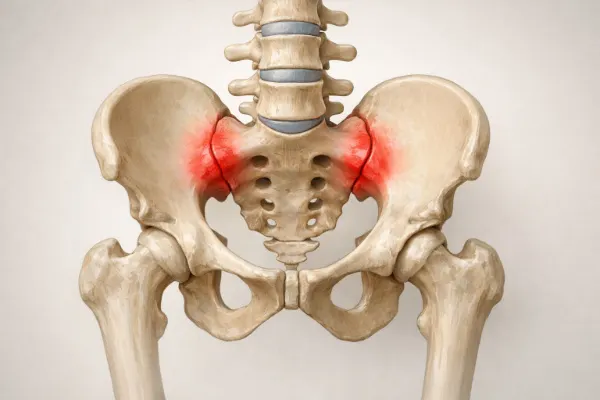
Research from trusted sources like the Mayo Clinic confirms that improper movement, injury, or muscle imbalance often triggers SI joint pain.
That’s where sacroiliac joint dysfunction exercises come in. They target the muscles that support the joint and help restore balance.
Why Exercises Work for SI Joint Pain
Exercise is not just helpful. It’s essential.
Strong muscles around your pelvis act like natural support braces. When these muscles weaken, your SI joint becomes unstable.
The right sacroiliac joint dysfunction exercises help:
- Improve joint stability
- Reduce inflammation
- Correct posture
- Prevent recurring pain
A study published in the Journal of Physical Therapy Science found that targeted strengthening significantly improves SI joint stability and reduces discomfort.
Dr. Preet Pal’s Clinical Perspective
“In clinical practice, the most common error patients make with SI joint dysfunction is stretching the joint too aggressively during flare-ups. The sacroiliac joint only moves a few millimeters; its primary job is stability, not mobility. When it becomes irritated, pulling hard on the hip or forcing deep lumbar twists creates micro-trauma. Focus 80% of your energy on gentle isometric strengthening—like pelvic tilts and glute activation—to clamp the joint secure before attempting deeper stretches.”
So yes, exercise works. But only if you do the right ones.
10 Best Sacroiliac Joint Dysfunction Exercises
Let’s break down the most effective exercises. These focus on strength, mobility, and control.
1. Knee-to-Chest Stretch
This simple stretch reduces tension in your lower back.
Lie on your back and pull one knee toward your chest. Hold for 20 seconds. Switch sides.
This move gently stretches the muscles around the SI joint and improves flexibility.
2. Pelvic Tilt
This exercise activates your core without stressing your spine.
Lie flat, bend your knees, and tighten your abs to press your lower back into the floor.
Hold for 5 seconds and repeat.
Pelvic tilts are one of the safest sacroiliac joint dysfunction exercises for beginners.
When pelvic instability persists over time, it alters your natural posture and walking mechanics. This uneven weight distribution can accelerate wear on adjacent spinal structures, potentially aggravating conditions like degenerative disc disease joint pain in the lower lumbar spine.
3. Bridge Exercise
Bridges strengthen your glutes, which play a major role in SI joint stability.
Lie on your back, bend your knees, and lift your hips upward.
Hold for a few seconds, then lower slowly.
Strong glutes help reduce pressure on the SI joint.

4. Bird Dog
This exercise improves balance and coordination.
Start on your hands and knees. Extend one arm and the opposite leg.
Keep your spine neutral and hold for a few seconds.
Bird dog trains your body to stabilize the SI joint during movement.
5. Clamshell Exercise
Lie on your side with knees bent. Keep your feet together and lift your top knee.
This targets your hip muscles.
Weak hips often contribute to SI joint dysfunction, so this is a must-do.
6. Hamstring Stretch
Tight hamstrings can pull on your pelvis and worsen pain.
Sit or lie down and gently stretch the back of your thigh.
Hold for 20 to 30 seconds.
Flexible hamstrings support better pelvic alignment.
7. Hip Adduction Squeeze
Place a pillow between your knees and squeeze gently.
Hold for 5 to 10 seconds.
This activates inner thigh muscles, which help stabilize your pelvis.
8. Child’s Pose
This yoga stretch relaxes your lower back.
Kneel down, stretch your arms forward, and lower your torso.
It provides gentle relief without stressing the joint.
9. Standing Hip Abduction
Stand straight and lift one leg out to the side.
Keep your body stable.
This strengthens the muscles that control pelvic movement.
10. Lower Trunk Rotation
Lie on your back with knees bent. Slowly rotate your knees from side to side.
This improves mobility without causing strain.
It’s one of the most effective sacroiliac joint dysfunction exercises for stiffness.
How Often Should You Do These Exercises?
Consistency beats intensity. You should aim to perform these sacroiliac joint dysfunction exercises:
- 4 to 5 times per week
- 10 to 15 minutes per session
Start slow. Increase repetitions gradually. Your goal is progress, not pain.
While basic stretches help relax tight hip flexors, incorporating targeted SI joint pain exercises into your daily routine ensures that the stabilizing gluteal and core muscles remain active, keeping the pelvis properly aligned
Common Mistakes to Avoid

Even the best exercises won’t help if you do them wrong.
Avoid these mistakes:
- Pushing through sharp pain
- Using poor form
- Skipping warm-ups
- Doing too much too soon
Think of your SI joint like a sensitive alarm system. If you push too hard, it will complain loudly.
When Should You Stop Exercising?
Exercise should help, not hurt.
Stop immediately if you feel:
- Sharp or stabbing pain
- Numbness or tingling
- Increased inflammation
Consult a physical therapist if symptoms worsen.
Lifestyle Tips to Support Recovery
Exercises work best when combined with healthy habits.
Simple changes can speed up recovery:
- Maintain good posture
- Avoid sitting for long periods
- Use supportive chairs
- Sleep on a firm mattress
Small habits create big results over time.
Do Sacroiliac Joint Dysfunction Exercises Really Work?
Yes, they do.
Clinical evidence shows that targeted exercise programs improve function and reduce pain in people with SI joint dysfunction.
But here’s the truth. There is no overnight fix. You need patience, consistency, and proper technique. Stick with it, and your body will respond.
Clinical Insight: Targeting Internal SI Joint Inflammation
While therapeutic exercises rebuild the physical strength needed to stabilize your pelvis, mechanical stress often leaves underlying cartilage inflamed and sore. For comprehensive recovery, combining movement therapy with targeted internal joint nourishment can significantly speed up comfort.
Dr. Preet Pal Notes: “Topical creams often fail to reach the deep sacral connective tissues. Formulations like Flexafen leverage bio-available ingredients such as Type-II Collagen and Boswellia Serrata. These compounds work systemically to suppress inflammatory cascade signals, calming irritated nerve pathways in the lower back and SI joint complex while you rebuild strength.”
Rebuilding Your Pelvic Stability
Living with SI joint discomfort can make even short walks or sitting at your desk feel daunting. However, joint stability is something you can actively rebuild step by step.
By sticking to gentle, controlled movements like pelvic tilts, glute bridges, and clamshells, you give your pelvis the physical support it needs to stay properly aligned. Listen closely to your body during every session—never force a movement that causes sharp pain. With patience and consistent daily care, you can soothe irritation and get back to moving comfortably.
Frequently Asked Questions
What are the best sacroiliac joint dysfunction exercises for quick pain relief?
The best sacroiliac joint dysfunction exercises include pelvic tilts, bridges, knee-to-chest stretches, and clamshells. These exercises strengthen the muscles around the SI joint, improve stability, and reduce pressure on the joint. When done consistently, they can provide noticeable pain relief within a few weeks.
How often should I do sacroiliac joint dysfunction exercises?
You should perform sacroiliac joint dysfunction exercises at least 4 to 5 times per week for the best results. Short sessions of 10 to 15 minutes work well. Consistency matters more than intensity, so focus on proper form and gradual progress.
Can sacroiliac joint dysfunction exercises make pain worse?
Sacroiliac joint dysfunction exercises should not cause sharp or severe pain. If you experience increased discomfort, it may mean you are using improper form or doing exercises that are too advanced. Start with gentle movements and stop immediately if pain worsens.
Do sacroiliac joint dysfunction exercises really work?
Yes, sacroiliac joint dysfunction exercises work by strengthening the core, glutes, and hip muscles that support the SI joint. Clinical studies show that targeted exercise programs can improve joint stability and significantly reduce pain over time.
How long does it take for sacroiliac joint dysfunction exercises to show results?
Most people notice improvement within 2 to 4 weeks of doing sacroiliac joint dysfunction exercises regularly. Long-term relief usually takes several weeks of consistent practice, depending on the severity of the condition and overall fitness level.
Sources
- Mayo Clinic – Back pain causes and treatments
- Cleveland Clinic – Sacroiliac Joint Dysfunction
- National Institute of Neurological Disorders and Stroke
- Journal of Physical Therapy Science – Effects of stabilization exercises on SI joint pain
- American Academy of Orthopaedic Surgeons
Author Bio
Jennifer Collins is a wellness researcher and natural health writer focused on adults over 40. With 3+ years of experience in digital health content, Jennifer specializes in making science-backed nutrition and lifestyle strategies easy to follow and apply.
Health Disclaimer
This content is for informational purposes only and is not intended to diagnose, treat, or cure any disease. Always consult your healthcare provider before making changes to your diet or health routine. This article may include affiliate links, which come at no extra cost to you.