
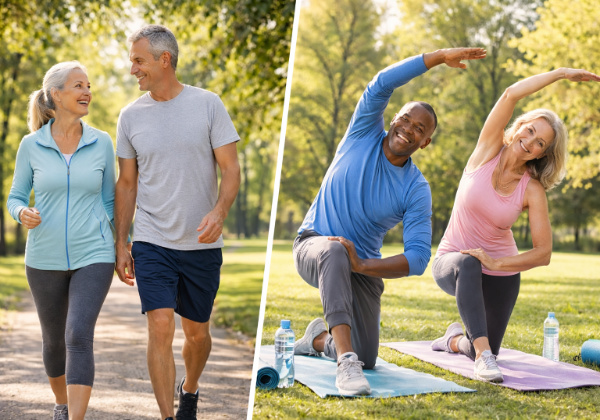
If your knees have started to ache when you stand up, walk down stairs, or get out of bed in the morning, you’re not alone. Knee pain after 50 is one of the most common physical complaints among adults in midlife and beyond. It often shows up quietly—maybe a little stiffness here, a twinge there—until one day you realize you’re moving differently than you used to.
The good news? Mild to moderate knee discomfort in your 40s, 50s, and 60s doesn’t automatically mean something is seriously wrong. In many cases, it reflects normal changes in joints, muscles, and daily habits. With the right approach, you can support your knees, move more comfortably, and stay active for years to come.
This guide walks you through why knee pain tends to appear after 50, what it usually feels like, and what simple daily steps can make a real difference.
Table of Contents
What Is Knee Pain After 50?
Knee pain after 50 refers to ongoing or occasional discomfort in the knee joint that tends to develop gradually with age. It can affect one or both knees and may show up during movement, after activity, or first thing in the morning.
For many adults, this type of discomfort is linked to:
- Normal wear and tear on joints
- Changes in muscle strength and flexibility
- Past injuries that resurface
- Lifestyle habits over time
This doesn’t necessarily mean arthritis or severe joint disease. Often, it’s a combination of aging tissues and everyday strain. Some people experience similar issues earlier, especially if they had active jobs, sports injuries, or long periods of sitting.
If you’ve noticed mild joint pain after 40, knee discomfort can be a natural progression as joints continue to change over time.
Why Knee Pain Happens After 40 and 50
Joint Changes Over Time
Cartilage—the cushion between bones—gradually thins as we age. It’s a slow, normal process. When cartilage isn’t as smooth as it once was, movement can feel stiffer or slightly sore.
Muscle Strength and Support
Your knees depend heavily on surrounding muscles, especially the quadriceps, hamstrings, and glutes. After 40, many adults lose muscle mass if they’re not actively maintaining it. Weaker muscles mean less support for the knee joint.
Reduced Flexibility
Tight hips, calves, and hamstrings can pull on the knee joint. Over time, limited flexibility changes how you walk and move, increasing strain.
Past Injuries
Old sports injuries or falls—even from decades ago—can resurface later. Scar tissue, altered movement patterns, and subtle joint instability may contribute to discomfort.
Everyday Wear and Tear
Years of:
- Climbing stairs
- Standing for long hours
- Carrying extra weight
- Sitting at desks
…can all influence knee health over time.
Common Symptoms and Patterns
Knee discomfort after 50 doesn’t always look the same. Many people describe:
- Morning stiffness that eases with movement
- Aching after long walks or standing
- Clicking or popping sounds
- Mild swelling after activity
- Pain when climbing stairs
- Tightness after sitting too long
A common pattern is “start-up pain”—stiffness when you first stand, followed by improvement once you get moving. This often points to joint stiffness rather than serious damage.
If pain is sharp, sudden, or accompanied by major swelling or instability, it’s wise to get it checked.
Lifestyle and Daily Habit Factors
Sitting Too Much
Long periods of sitting can weaken muscles and tighten joints. When you finally stand up, knees may feel stiff and sore.
Footwear Choices
Shoes without proper support can affect knee alignment. Over time, this can lead to strain.
Weight Changes
Even a small amount of extra body weight adds pressure to knees. For example, every extra pound can place several pounds of force on the knee joint during movement.
Stress and Sleep
Chronic stress can increase muscle tension. Poor sleep may heighten sensitivity to discomfort, making knee pain feel worse.
Gentle Movement and Wellness Support
Staying active is one of the most effective ways to support knee comfort after 50. The key is choosing the right type of movement.
Low-Impact Activities
These support joint health without excessive strain:
- Walking on even surfaces
- Swimming
- Cycling
- Yoga or stretching
- Strength training with light resistance
Strengthening Muscles Around the Knee
Strong muscles act like a support brace for the joint. Focus on:
- Quadriceps
- Hamstrings
- Glutes
- Calves
Even simple chair squats or leg raises can help when done consistently.
Stretching and Mobility
Gentle stretching improves flexibility and reduces stiffness. Many people notice less knee discomfort when they regularly stretch hips and hamstrings.
Recovery and Rest
Movement helps, but so does rest. Alternate activity with recovery days. Warm baths, gentle stretching, and adequate sleep support joint comfort.
Nutrition and Hydration Basics
What you eat and drink affects joint health more than most people realize.
Anti-Inflammatory Foods
A balanced diet may support joint comfort:
- Leafy greens
- Berries
- Fatty fish
- Nuts and seeds
- Olive oil
These foods help maintain overall wellness and may support joint tissues.
Protein Intake
Muscle strength supports knee stability. Adequate protein helps maintain muscle mass after 50.
Hydration
Joints rely on fluid for smooth movement. Even mild dehydration can increase stiffness.
Aim for steady hydration throughout the day rather than large amounts at once.
When to Seek Professional Advice
While most knee discomfort after 50 is manageable, certain signs deserve attention:
- Persistent swelling
- Sudden severe pain
- Instability or giving way
- Inability to bear weight
- Pain after an injury
A healthcare professional can help rule out underlying conditions and suggest targeted support.
Practical Tips You Can Try Today
If your knees have been feeling stiff or sore, start small. Consistency matters more than intensity.
Simple daily habits:
- Take short movement breaks every hour
- Stretch hamstrings and calves in the morning
- Strengthen legs twice a week
- Wear supportive shoes
- Use warm showers to loosen joints
- Stay hydrated
- Maintain a comfortable body weight
Think of knee care like brushing your teeth—small daily actions add up.
Common Myths and Mistakes
Myth: “Pain means stop moving.”
Gentle movement often helps more than complete rest.
Myth: “It’s just aging—nothing helps.”
While aging plays a role, lifestyle changes can make a meaningful difference.
Mistake: Overdoing exercise
Too much too fast can worsen discomfort. Gradual progress works best.
Mistake: Ignoring early stiffness
Addressing mild symptoms early often prevents bigger issues later.
Frequently Asked Questions
Is knee pain after 50 normal?
Yes, mild knee discomfort is common due to natural joint and muscle changes. However, severe or persistent pain should be evaluated.
Can walking make knee pain worse?
Moderate walking usually helps. The key is supportive footwear and avoiding overexertion.
What helps stiff knees in the morning?
Gentle stretching, a warm shower, and light movement can ease morning stiffness.
Should I avoid stairs?
Not necessarily. If stairs cause discomfort, strengthen supporting muscles and take them slowly.
Can weight loss help knee pain?
For many people, even small weight changes can reduce pressure on knees and improve comfort.
Are supplements necessary?
Some people find them helpful, but they’re optional. Focus first on movement, nutrition, and daily habits.
A Helpful Resource for Extra Support
If you’re looking for simple, natural ways to support your joints, you might find this guide useful:
“Stop the Creak: 6 Natural Joint Pain Solutions Doctors Don’t Tell You About”
It offers practical ideas for everyday joint comfort and mobility. No pressure—just an optional resource if you’d like additional guidance.
About the Author
Jennifer Collins
Health Research Editor, JointReliefJournal
Jennifer Collins is a health research editor who focuses on joint wellness, mobility, and aging-related changes. She reviews current research and translates it into clear, practical information for adults over 40. Her goal is to provide balanced, trustworthy education that helps readers make informed decisions about their daily health.
Medical & Educational Disclaimer
This article is for educational purposes only and is not medical advice. Always consult a qualified healthcare professional regarding any health concerns, symptoms, or treatment decisions.