
Joint pain can turn simple daily tasks into frustrating challenges. Climbing stairs feels harder. Standing too long becomes annoying. Even opening jars starts to feel like a battle scene from an action movie nobody signed up for.
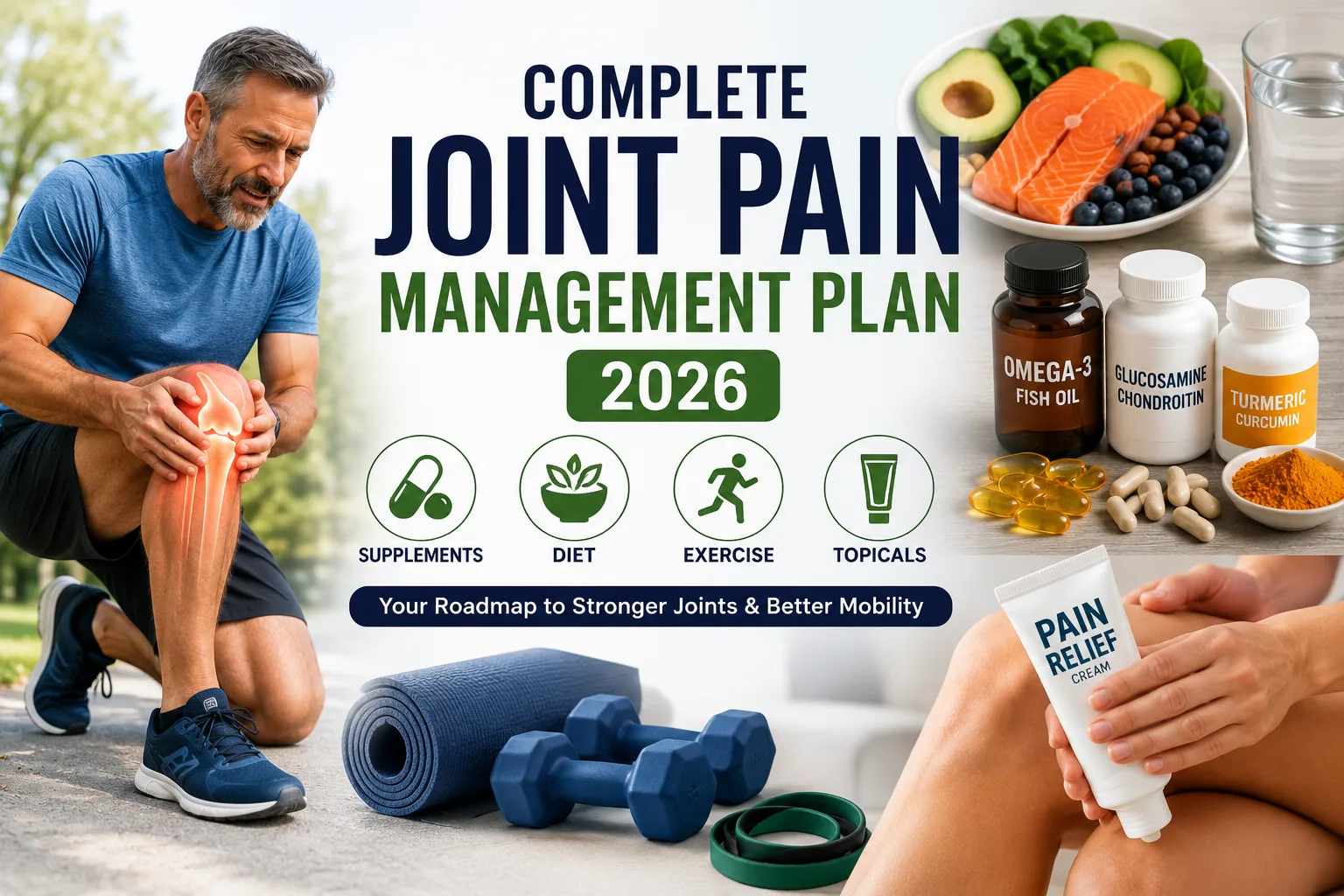
The good news is this: most people can improve joint health with the right long term strategy. A smart joint pain management plan does not rely on one miracle supplement or trendy hack from social media. Real improvement usually comes from combining evidence based supplements, anti inflammatory foods, exercise, weight management, recovery habits, and targeted pain relief products.
That combination matters because joint pain often develops from several factors at once. Aging, inflammation, inactivity, excess weight, previous injuries, arthritis, and muscle weakness all contribute to discomfort. A complete joint pain treatment approach works better because it addresses the root causes instead of masking symptoms for a few hours.
This guide explains how to build a realistic and sustainable joint pain protocol using trusted medical research and expert recommendations. You will learn which supplements have evidence behind them, how diet affects inflammation, why movement helps stiff joints, and when topical pain relief products make sense.
Why a Full Joint Pain Management Plan Works Better Than Quick Fixes

Many people search for one product that solves everything overnight. Unfortunately, joints do not work like smartphone batteries. You cannot plug in a supplement for 30 minutes and suddenly return to your teenage knees.
Joint pain usually develops gradually. Osteoarthritis, for example, involves cartilage breakdown, inflammation, muscle weakness, and reduced mobility over time. According to the Centers for Disease Control and Prevention (CDC), arthritis affects millions of adults and remains one of the leading causes of disability in the United States.
A total joint care plan works because it combines multiple proven strategies:
- Reducing inflammation
- Supporting cartilage and connective tissue
- Strengthening surrounding muscles
- Improving mobility
- Lowering excess pressure on joints
- Managing pain during recovery
When these elements work together, many people experience better movement and less discomfort.
Understanding the Main Causes of Joint Pain
Before building a holistic joint pain relief strategy, it helps to understand what may trigger pain in the first place.
Osteoarthritis
Osteoarthritis develops when cartilage gradually wears down. This condition commonly affects knees, hips, hands, and the spine. Age increases risk, but injuries and obesity also play major roles.
Rheumatoid Arthritis
Rheumatoid arthritis is an autoimmune disease where the immune system attacks joint tissues. Unlike regular wear and tear, this condition involves systemic inflammation.
Injury and Overuse
Sports injuries, repetitive work movements, and poor posture can stress joints repeatedly. Over time, inflammation and instability may develop.
Muscle Weakness
Weak muscles force joints to absorb more pressure. For example, weak glutes and quadriceps often increase stress on the knees.
Excess Weight
Extra body weight places additional pressure on weight bearing joints. Research from the Arthritis Foundation notes that even modest weight loss may reduce knee joint stress significantly.
Supplements That Support a Joint Pain Management Plan
Supplements are popular because they are easy to add into a routine. Still, not all products deserve the hype they receive online. Some ingredients have stronger evidence than others.
Glucosamine and Chondroitin
Glucosamine and chondroitin remain among the most studied joint supplements. Some studies show moderate improvement in osteoarthritis symptoms, especially for knee pain.
The National Center for Complementary and Integrative Health explains that results vary, but some patients report reduced stiffness and improved function.
Consistency matters here. Most people need several weeks before noticing changes.
Omega 3 Fish Oil
Omega 3 fatty acids may help reduce inflammation throughout the body. Fish oil supplements have shown benefits for inflammatory joint conditions and overall mobility.
Fatty fish like salmon, sardines, and mackerel also support heart health, which feels like a nice bonus prize from adulthood.
Turmeric and Curcumin

Curcumin, the active compound in turmeric, has anti inflammatory properties. Several studies suggest it may help reduce arthritis related discomfort.
Absorption matters, though. Products combined with black pepper extract often improve curcumin absorption.
Collagen Peptides
Collagen supplements continue gaining popularity for joint support. Early research suggests collagen peptides may support cartilage health and reduce exercise related joint pain in some people.
Vitamin D
Low vitamin D levels may contribute to musculoskeletal pain and weakness. Many adults have insufficient vitamin D levels, especially people with limited sun exposure.
A healthcare provider can check levels through blood testing before recommending dosage.
How Diet Influences Joint Health
Food affects inflammation more than many people realize. A poor diet may increase inflammatory markers, while nutrient dense foods support recovery and mobility.
That means your late night ultra processed snack buffet might not be helping your knees as much as your taste buds believe.
Anti Inflammatory Foods for Holistic Joint Pain Relief
A diet focused on anti inflammatory foods can support a complete joint pain treatment strategy.
Key foods include:
- Fatty fish
- Olive oil
- Leafy greens
- Berries
- Nuts and seeds
- Beans
- Whole grains
The Harvard T.H. Chan School of Public Health highlights how Mediterranean style eating patterns may reduce chronic inflammation.
Foods That May Worsen Inflammation
Highly processed foods, sugary drinks, excessive alcohol, and trans fats may increase inflammation in some individuals.
Nobody enjoys hearing that daily fast food combos are not a wellness strategy, but your joints already suspected this.
Hydration Matters Too
Cartilage contains significant water content. Staying hydrated supports overall joint function and tissue health.
Water may not be exciting, but dehydrated joints are even less exciting.
Exercise: The Most Important Part of Any Joint Pain Protocol
Many people avoid exercise because movement hurts. Ironically, inactivity often makes joint stiffness worse.
Exercise strengthens muscles that support joints, improves flexibility, and helps control body weight. According to the low impact exercise can reduce arthritis pain and improve function.
Walking
Walking improves circulation, mobility, and endurance without placing excessive stress on most joints.
Start with shorter sessions if needed. Even 10 minute walks count.
Strength Training

Muscle strength protects joints from unnecessary stress. Focus on controlled movements instead of ego lifting weights like you are auditioning for a superhero movie.
Exercises that often help include:
- Squats to a chair
- Step ups
- Resistance band exercises
- Glute bridges
- Wall pushups
Stretching and Mobility Work
Gentle stretching improves flexibility and range of motion. Tight muscles may increase pressure around joints.
Yoga and mobility routines may also support balance and posture.
Swimming and Water Aerobics
Water reduces joint pressure while allowing movement. This makes aquatic exercise excellent for people with arthritis or obesity related joint pain.
Weight Management and Joint Health
Excess body weight places additional pressure on joints, especially knees and hips.
Research published by the National Institute of Arthritis and Musculoskeletal and Skin Diseases shows that weight loss may reduce osteoarthritis symptoms and improve mobility.
For the knees specifically, every pound lost may reduce several pounds of pressure during movement.
That means sustainable fat loss can become one of the most effective parts of a total joint care plan.
Crash diets rarely work long term, though. Slow and realistic lifestyle changes usually produce better results.
Topical Products for Temporary Joint Pain Relief
Topicals can provide temporary relief while supporting a larger joint pain management plan.
They work best when combined with exercise, recovery, and long term lifestyle changes.
Pain Relief Creams and Gels
Many topical products contain ingredients such as:
- Menthol
- Camphor
- Capsaicin
- Diclofenac
The U.S. National Library of Medicine notes that topical diclofenac may help reduce osteoarthritis pain in some patients.
Heat Therapy
Heat relaxes muscles and improves blood flow. Heating pads often help stiffness before exercise.
Cold Therapy
Cold packs may reduce swelling and inflammation after activity or flare ups.
Both heat and cold have benefits. Think of them as the hot and cold detectives of pain management.
Sleep and Recovery in a Complete Joint Pain Treatment Strategy
Poor sleep may increase pain sensitivity and inflammation. Unfortunately, pain itself can also disrupt sleep.
That frustrating cycle explains why recovery matters so much.
Improve Sleep Habits
Helpful habits include:
- Maintaining a consistent bedtime
- Limiting caffeine late in the day
- Reducing screen exposure before bed
- Using supportive mattresses and pillows
Recovery Days Matter
Your joints need recovery just like muscles do. Overtraining may increase inflammation and discomfort.
Balance activity with rest instead of pushing through pain constantly.
When to See a Doctor
A joint pain protocol can support many mild to moderate cases, but some symptoms require medical evaluation.
See a healthcare professional if you experience:
- Severe swelling
- Joint deformity
- Fever with joint pain
- Sudden inability to move a joint
- Persistent pain lasting weeks
- Unexplained weight loss
Doctors may recommend imaging, physical therapy, medications, injections, or surgery depending on the underlying condition.
Some joint pain symptoms should never be ignored, especially if swelling, redness, or mobility issues become severe. Read our complete guide on When to See Doctor for Joint Pain: 10 Warning Signs You Should Never Ignore to understand the biggest red flags.
Building Your Own Total Joint Care Plan
The best joint pain management plan is the one you can actually maintain consistently.
That means choosing habits that fit your schedule, fitness level, and budget instead of copying unrealistic influencer routines involving 4 a.m. ice baths and motivational yelling.
Step 1: Improve Daily Movement
Start walking more, stretching regularly, and reducing long sitting periods.
Step 2: Clean Up Your Diet
Focus on anti inflammatory foods most of the time. Perfection is unnecessary.
Step 3: Add Evidence Based Supplements
Choose products with researched ingredients and realistic expectations.
Step 4: Use Topicals Strategically
Creams and gels may help during flare ups or after activity.
Step 5: Track Your Progress
Notice which habits improve mobility, energy, and pain levels over time.
Small improvements matter. Joint health usually improves gradually rather than overnight.
Common Mistakes That Hurt Joint Health
Many people accidentally worsen symptoms without realizing it.
Ignoring Strength Training
Cardio alone may not provide enough joint support.
Staying Completely Inactive
Too much rest often increases stiffness and weakness.
Relying Only on Supplements
Supplements work best alongside exercise and nutrition.
Using Poor Exercise Form
Bad movement patterns may increase stress on joints.
Expecting Instant Results
Most joint support strategies require patience and consistency.
Frequently Asked Questions
What is the best joint pain management plan for long term relief?
The best joint pain management plan combines anti inflammatory foods, regular low impact exercise, evidence based supplements, weight management, and topical pain relief products. A complete approach works better because it targets inflammation, mobility, muscle strength, and joint support together.
Which supplements are most effective in a joint pain management plan?
Some of the most researched supplements for a joint pain management plan include glucosamine, chondroitin, omega 3 fish oil, turmeric curcumin, collagen peptides, and vitamin D. These supplements may help support cartilage health, reduce inflammation, and improve joint comfort when used consistently.
Can exercise really help with joint pain?
Yes, regular exercise is one of the most important parts of a complete joint pain treatment strategy. Walking, strength training, stretching, swimming, and mobility exercises can improve flexibility, strengthen muscles around the joints, and reduce stiffness over time.
What foods should I avoid in a joint pain protocol?
A healthy joint pain protocol usually limits highly processed foods, sugary drinks, excessive alcohol, and trans fats because they may increase inflammation. Many people benefit from following an anti inflammatory diet rich in vegetables, healthy fats, fish, nuts, and whole grains.
How do topical creams fit into a total joint care plan?
Topical creams and gels can provide temporary relief from stiffness and discomfort as part of a total joint care plan. Products containing menthol, capsaicin, or diclofenac may help reduce pain during flare ups, especially when combined with exercise, recovery, and proper nutrition.
Final Thoughts
A smart joint pain management plan combines science backed habits instead of chasing miracle cures. Supplements, nutrition, exercise, recovery, and topical relief products all play different roles in supporting long term joint health.
A complete joint pain treatment approach works better because it targets inflammation, strength, mobility, and pain management together. That combination gives many people a more sustainable path toward better movement and daily comfort.
Holistic joint pain relief does not require perfection. Small consistent improvements often produce the biggest long term results.
Your joints may never send thank you notes, but they usually respond well to better habits.
Sources
- Centers for Disease Control and Prevention (CDC) – Arthritis Information
- Arthritis Foundation
- Mayo Clinic – Exercise Helps Ease Arthritis Pain
- National Institute of Arthritis and Musculoskeletal and Skin Diseases (NIAMS)
- U.S. National Library of Medicine – Diclofenac Topical
Author Bio
Jennifer Collins is a wellness researcher and natural health writer focused on adults over 40. With 3+ years of experience in digital health content, Jennifer specializes in making science-backed nutrition and lifestyle strategies easy to follow and apply.
Health Disclaimer
This content is for informational purposes only and is not intended to diagnose, treat, or cure any disease. Always consult your healthcare provider before making changes to your diet or health