

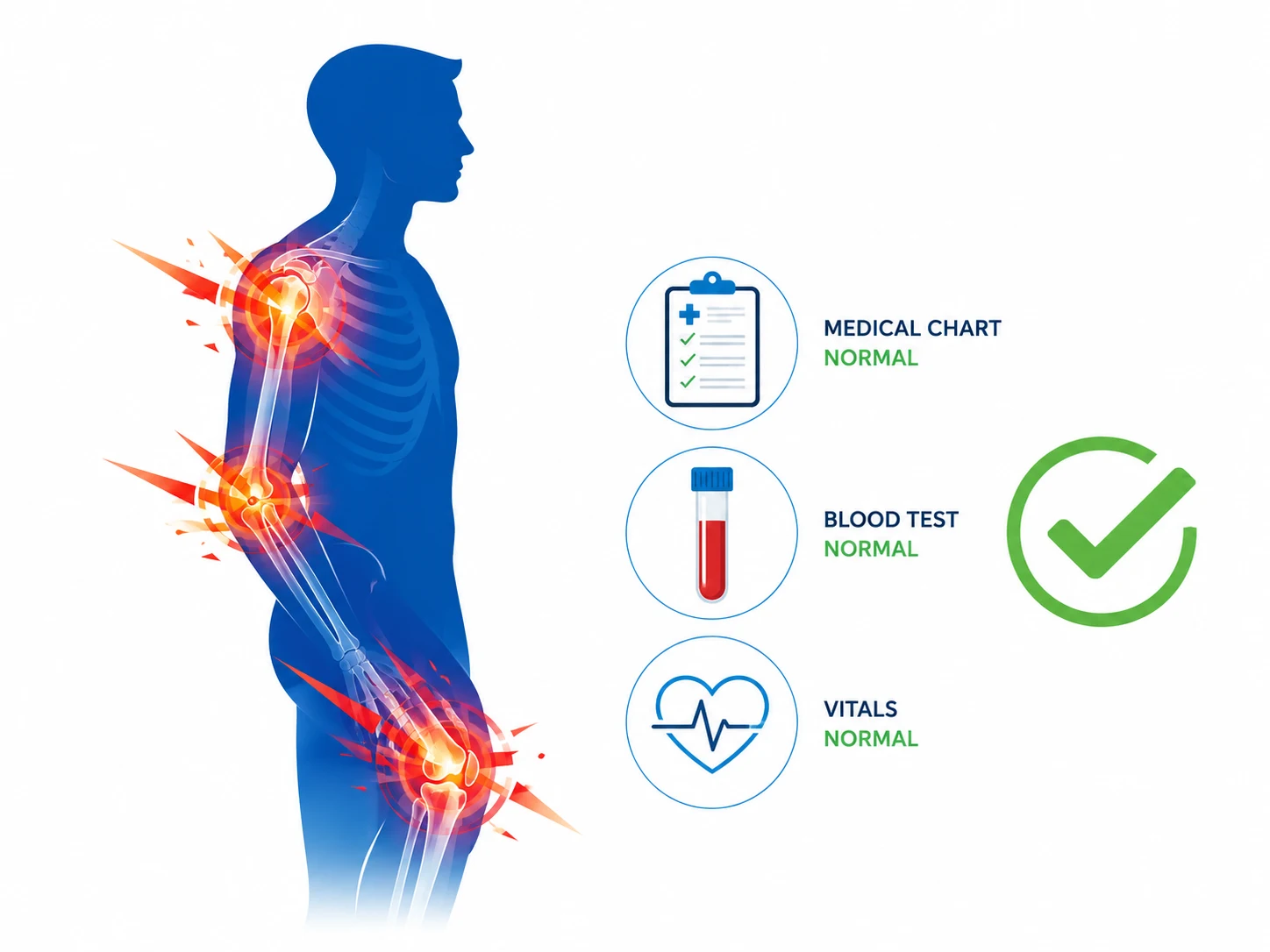
Many people feel frustrated after hearing that their X rays look completely normal despite ongoing discomfort. Aching knees, stiff fingers, sore hips, or painful shoulders can interfere with daily life, yet imaging sometimes shows no obvious damage. This situation often leaves patients wondering whether the pain is real or whether something important has been missed. In reality, several hidden causes of joint pain may not appear on standard X rays, especially during the early stages of a condition.
X rays mainly show bones and major structural changes. They cannot always detect soft tissue inflammation, nerve irritation, autoimmune activity, tendon damage, or microscopic cartilage changes. According to the National Institute of Arthritis and Musculoskeletal and Skin Diseases and the Mayo Clinic, many painful musculoskeletal disorders develop long before visible structural damage appears on imaging. Understanding these less obvious explanations can help people seek more accurate diagnosis and treatment rather than ignoring symptoms or assuming nothing is wrong.
For many individuals, persistent joint discomfort despite normal scans creates emotional stress because symptoms continue without visible proof on imaging reports. This experience is more common than many people realise.
Why X rays do not always explain joint pain
X rays remain useful diagnostic tools, but they have limitations. They mainly capture bone structure and joint spacing. Conditions affecting tendons, ligaments, nerves, cartilage, blood flow, or immune system activity often remain invisible on basic imaging.
For example, a person may experience severe inflammation inside a joint while the surrounding bones still appear healthy. Another individual may have nerve compression that creates radiating pain around a joint without any visible skeletal abnormality. This explains why many patients report joint pain with normal X rays despite ongoing stiffness, swelling, or reduced mobility.
Doctors often combine medical history, physical examination, blood tests, ultrasound, and MRI imaging to identify the real source of discomfort. Pain is complex and cannot always be measured through a single image.
Early inflammatory arthritis
One of the most common unexplained joint pain causes is early inflammatory arthritis. Conditions such as rheumatoid arthritis, psoriatic arthritis, and ankylosing spondylitis can begin with pain, swelling, and morning stiffness long before visible joint damage appears on X rays.

Inflammatory arthritis occurs when the immune system mistakenly attacks healthy tissues around the joints. According to the Centers for Disease Control and Prevention, inflammation may initially affect the joint lining rather than the bone itself. Because of this, X rays often remain normal during the earliest phase of disease progression.
Symptoms frequently include:
Morning stiffness lasting longer than 30 minutes
People with inflammatory arthritis often notice joint stiffness after waking up or sitting still for long periods. Movement may gradually improve discomfort during the day.
Warm or swollen joints
Inflamed joints may feel tender, warm, or puffy even if imaging looks normal. In many cases, systemic inflammation contributes to swelling that appears before structural damage becomes visible.
Fatigue and low energy
Systemic inflammation affects the entire body, not just the joints. Chronic fatigue commonly accompanies autoimmune conditions and may worsen during flare ups.
Early diagnosis matters because untreated inflammation can eventually damage cartilage and bone over time.
Tendon and ligament injuries
Tendons and ligaments help stabilise joints, yet they do not appear clearly on standard X rays. Small tears, overuse injuries, and chronic strain can produce significant pain without any obvious imaging abnormalities.
This is particularly common among athletes, office workers, manual labourers, and older adults. Repetitive motion may gradually irritate connective tissue around the joints, leading to discomfort that resembles arthritis.
Common examples include:
Rotator cuff problems
Shoulder pain may result from inflamed or partially torn tendons rather than joint damage itself. Tendon injuries are especially common among people who perform repetitive overhead movements.
Tennis elbow and golfer’s elbow
These conditions involve irritated tendons near the elbow joint. Pain often worsens during gripping or lifting activities and may coexist with ligament strain from repetitive use.
Patellar tendinopathy
Pain around the knee may stem from overworked tendons rather than bone abnormalities.
People frequently ask, why do my joints hurt but tests are normal when connective tissue injuries remain undetected on simple scans.
Fibromyalgia and pain processing disorders
Fibromyalgia represents another major contributor to joint pain with normal X rays. This chronic pain condition affects how the brain and nervous system process pain signals.
Unlike arthritis, fibromyalgia does not usually damage joints or bones. Instead, the nervous system becomes more sensitive to normal sensations. According to the National Institute of Neurological Disorders and Stroke, people with fibromyalgia may experience widespread tenderness, fatigue, headaches, and cognitive difficulties.
Symptoms commonly include:
Widespread body pain
Discomfort often affects multiple joints and muscle groups simultaneously. Many patients describe chronic musculoskeletal pain that shifts between different body areas.
Increased sensitivity
Even light pressure or routine movement may feel unusually painful because the nervous system develops increased pain sensitivity over time.
Sleep disturbances
Poor sleep quality can worsen pain perception and fatigue.
Because standard imaging often appears normal, fibromyalgia sometimes goes undiagnosed for years.
Autoimmune diseases beyond arthritis
Several autoimmune disease conditions can trigger joint pain without producing visible X ray changes. These diseases involve abnormal immune activity that causes chronic inflammation throughout the body.
Examples include:
Lupus
Systemic lupus erythematosus can cause joint pain, swelling, fatigue, skin rashes, and organ inflammation. Joint symptoms may come and go unpredictably.
Sjögren’s syndrome
This autoimmune condition primarily affects moisture producing glands but may also trigger chronic joint discomfort.
Vasculitis
Inflammation of blood vessels can reduce circulation and irritate surrounding tissues near joints.
These possible causes of unexplained joint pain often require blood testing and specialist evaluation because symptoms overlap with many other conditions.
Hidden causes of joint pain linked to nerve problems
Nerve related disorders can mimic arthritis remarkably well. A compressed or irritated nerve may create burning, tingling, aching, or shooting pain around a joint despite normal bone imaging. In many cases, these hidden causes of joint pain become difficult to recognise because the discomfort feels deep inside the joint itself.
Carpal tunnel syndrome
Compression of the median nerve in the wrist can produce hand pain, finger stiffness, numbness, and weakness.
Cervical radiculopathy
Nerve irritation in the neck may send pain into the shoulder, elbow, or hand.
Sciatica
Compression of the sciatic nerve may create hip, knee, or leg pain that resembles joint disease. Some patients also experience weakness or mobility problems during severe flare ups.
Neurological symptoms such as tingling, numbness, muscle weakness, or electric shock sensations often provide important clues.
Vitamin deficiencies and metabolic disorders
Nutritional deficiencies and metabolic conditions sometimes create widespread joint discomfort without visible structural abnormalities.
Vitamin D deficiency
Low vitamin D levels may contribute to bone pain, muscle weakness, fatigue, and increased sensitivity around joints. Research published by the National Institutes of Health links vitamin D deficiency with musculoskeletal pain in some individuals.
Thyroid disorders
Both underactive and overactive thyroid conditions can affect muscles, joints, and connective tissues throughout the body.
Hemochromatosis
This inherited disorder causes excess iron accumulation, which may damage joints over time.
Diabetes
Chronic blood sugar imbalance can affect nerves, circulation, and connective tissues throughout the body.
These medical conditions often require laboratory testing rather than imaging for diagnosis.
Stress, anxiety, and chronic tension
Emotional stress affects the body physically in more ways than many people realise. Chronic stress increases muscle tension, inflammation, and pain sensitivity. Over time, this may create aching joints, stiffness, and fatigue even without visible joint damage.
According to Harvard Medical School, stress hormones can amplify pain perception and worsen inflammatory responses. Anxiety may also cause people to tense muscles unconsciously throughout the day, placing additional strain on joints and connective tissues.
Symptoms linked to stress related pain often fluctuate depending on sleep quality, workload, emotional pressure, and physical activity levels.
People frequently search for why do my joints hurt but tests are normal when emotional and neurological factors contribute to persistent discomfort.
Cartilage damage that X rays miss
Cartilage cushions the ends of bones inside joints. Early cartilage damage may occur before visible narrowing or bone changes appear on X rays.
MRI scans detect cartilage abnormalities more effectively because they show soft tissues in greater detail. Early osteoarthritis may therefore produce pain long before traditional imaging confirms damage.
Common warning signs include:
Pain during movement
Discomfort may increase while climbing stairs, exercising, or standing after sitting.
Grinding sensations
Some people notice clicking, grinding, or popping during movement.
Temporary stiffness
Early cartilage wear often causes short periods of stiffness after inactivity.
These symptoms contribute to many cases of unexplained joint pain with normal scans and may represent one of the causes of chronic joint stiffness without arthritis during the earliest stages of degeneration.
Infections and post viral inflammation
Certain infections can temporarily trigger inflammation inside joints. Viral illnesses sometimes activate immune responses that continue after the infection itself improves.
Examples include:
Lyme disease
Tick borne bacterial infection may cause migrating joint pain and swelling.
Viral arthritis
Viruses such as parvovirus or hepatitis viruses occasionally trigger temporary inflammatory joint symptoms.
Post viral syndromes
Some individuals experience lingering muscle and joint pain after respiratory infections.
Doctors may investigate infection related causes through blood tests, travel history, and symptom timelines.
Hypermobility and joint instability
Some people naturally have more flexible joints than average. While flexibility may seem beneficial, excessive joint movement can strain surrounding tissues and increase pain risk.
Hypermobility spectrum disorders and Ehlers Danlos syndrome are connective tissue disorders that affect collagen strength and flexibility. People with these conditions may experience:
Frequent joint pain
Loose joints place extra stress on muscles and ligaments.
Recurrent sprains
Joint instability increases injury risk during normal activities.
Fatigue and muscle tension
Muscles work harder to stabilise overly flexible joints.
These disorders often remain underdiagnosed because X rays may appear entirely normal.
When to seek medical attention
Persistent joint pain deserves proper evaluation, especially when symptoms interfere with daily activities. While occasional soreness may improve with rest, certain warning signs require medical attention.
Seek professional care if you experience:
Swelling or redness
Visible inflammation may indicate infection or autoimmune disease.
Fever with joint pain
This combination sometimes signals serious inflammatory or infectious conditions.
Progressive weakness
Loss of strength or coordination may suggest nerve involvement.
Severe morning stiffness
Long lasting stiffness often points toward inflammatory arthritis.
Pain lasting more than several weeks
Persistent symptoms should not be ignored simply because imaging appears normal.
Keeping a symptom diary may help healthcare providers identify patterns and triggers.
How doctors investigate unexplained joint pain
Diagnosing unexplained joint pain causes often requires a broader approach than simple imaging. Physicians usually combine several methods to narrow down possible explanations.
These may include:
Blood tests
Inflammatory markers, autoimmune antibodies, vitamin levels, and infection screening can provide useful clues.
MRI or ultrasound
Advanced imaging shows tendons, cartilage, ligaments, and inflammation more clearly than X rays.
Neurological examination
Testing reflexes, sensation, and muscle strength may reveal nerve involvement.
Lifestyle and medical history review
Stress levels, activity patterns, family history, and sleep quality can all influence joint symptoms.
An accurate diagnosis sometimes takes time because many overlapping conditions produce similar symptoms.
Practical ways to support joint health
While treatment depends on the underlying cause, several evidence based strategies may help reduce discomfort and improve joint function.
Stay physically active
Gentle movement supports circulation, flexibility, and muscle strength. Low impact exercises such as swimming, walking, and cycling often work well.
Improve sleep quality
Poor sleep increases inflammation and pain sensitivity. Maintaining a consistent sleep schedule may help.
Maintain balanced nutrition
Adequate protein, omega 3 fats, fruits, vegetables, and vitamin rich foods support musculoskeletal health.
Manage stress levels
Relaxation techniques, breathing exercises, mindfulness, and counselling may reduce chronic muscle tension and pain amplification.
Avoid repetitive strain
Proper posture and ergonomic adjustments can reduce stress on joints and connective tissues.
These approaches do not replace medical care but may support overall recovery and comfort.
Conclusion
Living with ongoing pain while hearing that scans appear normal can feel discouraging. However, normal imaging does not always mean nothing is wrong. Many hidden causes of joint pain involve inflammation, nerves, connective tissues, immune dysfunction, stress responses, or early cartilage changes that standard X rays simply cannot detect.
Also Read: 9 alarming signs of joint pain from gaming every player should know
Understanding the possible explanations behind joint pain, despite normal X-rays, can help people pursue amore accurate diagnosis and treatment rather than dismissing their symptoms. Whether the issue involves autoimmune disease, tendon strain, fibromyalgia, nutritional deficiency, or nerve irritation, identifying the root cause remains essential for long term relief. If symptoms persist, worsen, or interfere with daily life, seeking professional evaluation can provide valuable answers and guide effective management strategies.
Sources
National Institute of Arthritis and Musculoskeletal and Skin Diseases
Centers for Disease Control and Prevention
Mayo Clinic
National Institute of Neurological Disorders and Stroke
https://www.ninds.nih.gov
National Institutes of Health
Harvard Medical School
FAQs
Why can I have joint pain with normal X rays for years?
Joint pain may continue for years even when imaging appears normal because many painful conditions affect tissues that standard X rays cannot clearly detect. Problems involving tendons, nerves, cartilage, immune activity, or muscles often develop long before structural damage becomes visible on scans. Inflammatory conditions may also fluctuate, making symptoms appear inconsistent over time. Doctors frequently rely on physical examination, blood testing, and advanced imaging techniques to identify hidden issues that basic X rays may miss during the early stages of disease progression.
What are the most overlooked unexplained joint pain causes?
Several commonly overlooked explanations include vitamin deficiencies, thyroid imbalance, fibromyalgia, hypermobility syndromes, stress related muscle tension, and subtle inflammatory conditions. In some people, nerve related problems create pain around joints even though the joint itself remains healthy. Early autoimmune disorders may also produce symptoms before visible imaging changes appear. Because many of these conditions overlap in symptoms, healthcare providers often need a combination of medical history, blood tests, and symptom tracking to reach an accurate diagnosis.
Why do my joints hurt but tests are normal after exercise?
Exercise related discomfort may develop from overworked tendons, strained ligaments, or muscle fatigue rather than bone damage or arthritis. Repetitive movement patterns can place stress on surrounding tissues and trigger irritation that remains invisible on standard scans. Poor posture, inadequate recovery time, or improper movement mechanics may also increase joint stress. Some individuals experience temporary inflammation after intense activity, especially when flexibility, muscle strength, or biomechanics are imbalanced during exercise routines.
Can stress create symptoms similar to arthritis?
Yes, chronic emotional stress can create physical symptoms that closely resemble arthritis. Stress hormones influence inflammation, muscle tension, and the nervous system’s response to pain signals. Over time, people may develop stiffness, tenderness, fatigue, headaches, and widespread discomfort despite normal imaging results. Sleep disruption caused by stress can further worsen pain sensitivity and recovery. In some cases, reducing stress levels through exercise, counselling, relaxation techniques, and better sleep habits significantly improves physical symptoms that originally seemed related to joint disease.
Is early arthritis invisible on imaging?
Early inflammatory arthritis may not appear on X rays because the first changes usually occur inside soft tissues surrounding the joint rather than the bones themselves. Swelling of the joint lining, immune activity, and microscopic inflammation can produce pain long before visible erosion develops. MRI scans and ultrasound imaging often detect these early changes more effectively than traditional X rays. This is why some people experience morning stiffness, swelling, and tenderness despite receiving normal imaging results initially.
What imaging works better than X rays for soft tissue pain?
MRI scans and ultrasound examinations usually provide better detail for soft tissue problems because they show cartilage, tendons, ligaments, nerves, and inflammation more clearly than X rays. These imaging methods help doctors identify tendon tears, ligament injuries, fluid buildup, and nerve irritation that would otherwise remain hidden. Ultrasound can also assess joint movement in real time, while MRI scans provide detailed cross sectional images of internal structures that contribute to persistent joint discomfort.
Can vitamin deficiencies trigger chronic musculoskeletal pain?
Yes, nutritional deficiencies can contribute to widespread pain, fatigue, weakness, and stiffness affecting muscles and joints. Vitamin D deficiency is especially associated with bone discomfort and reduced muscle function. Low vitamin B12, magnesium imbalance, and certain metabolic disorders may also influence nerve health and pain perception. Because symptoms often overlap with arthritis or other chronic conditions, blood testing plays an important role in identifying nutritional problems that may contribute to ongoing musculoskeletal discomfort.
Author Bio
Jennifer Collins is a wellness researcher and natural health writer focused on adults over 40. With 3+ years of experience in digital health content, Jennifer specializes in making science-backed nutrition and lifestyle strategies easy to follow and apply.
Health Disclaimer
This content is for informational purposes only and is not intended to diagnose, treat, or cure any disease. Always consult your healthcare provider before making changes to your diet or health