

Have you ever wondered why some people remain active well into their nineties while others struggle with stiff knees or aching hips decades earlier? The answer is rarely a single food, miracle supplement, or exercise routine. Instead, researchers studying the world’s longest living communities have found that lifelong health often comes from small daily choices repeated consistently. These communities, known as Blue Zones, demonstrate how ordinary routines can make an extraordinary difference.
Blue zone habits have attracted worldwide attention because they are linked with exceptional longevity, lower rates of chronic disease, and a greater ability to remain physically independent in older age. Although the original research focused on longevity, many of the same behaviors also support joint performance, making it easier to move comfortably throughout life. Regular movement, balanced nutrition, healthy body weight, stress management, and strong social connections all contribute to healthier muscles, bones, cartilage, and connective tissues.
Scientists continue to explore exactly how these lifestyle patterns influence inflammation, mobility, and musculoskeletal function. While genetics certainly play a role, research consistently shows that everyday behaviors significantly affect how well joints function over time. Fortunately, many of these habits are practical enough to adopt regardless of where you live.
This article explores what researchers have learned from Blue Zone communities, why these habits appear to protect joints, and how you can incorporate these evidence based practices into everyday life.
What are Blue Zones?
Blue Zones are regions where unusually high numbers of people live beyond the age of one hundred while maintaining relatively good physical and mental function. The concept was introduced after demographic researchers identified several populations with exceptional longevity and studied the environmental and lifestyle factors they shared.
The five most widely recognized Blue Zones include Okinawa in Japan, Sardinia in Italy, Ikaria in Greece, the Nicoya Peninsula in Costa Rica, and Loma Linda in California. Despite cultural differences, these populations display remarkably similar lifestyle patterns that appear to support lifelong wellness.
Rather than relying on advanced medical treatments, these communities emphasize naturally active lifestyles, mostly plant based diets, strong family relationships, meaningful daily routines, adequate sleep, and stress reduction. These common behaviors may reduce the wear and tear that gradually affects joints throughout adulthood.
Researchers also point out that people in Blue Zones rarely think of exercise as a scheduled activity. Instead, movement is built naturally into everyday life through gardening, walking, climbing hills, preparing meals, household tasks, and social activities. This constant low intensity movement places less strain on joints than long periods of inactivity followed by occasional intense workouts.
Why lifestyle matters for joint health
Healthy joints depend on much more than cartilage alone. Bones, ligaments, tendons, muscles, synovial fluid, and connective tissues work together to produce smooth and stable movement. Lifestyle choices influence every one of these structures.
Excess body weight increases the mechanical load placed on weight bearing joints such as the knees, hips, and ankles. According to research published by the National Institute of Arthritis and Musculoskeletal and Skin Diseases, even modest weight reduction can significantly decrease stress on the knees during daily movement.
Inflammation also plays an important role. Chronic low grade inflammation contributes to tissue damage over time and may accelerate age related changes affecting joint function. Diets rich in vegetables, legumes, fruits, whole grains, nuts, and healthy fats provide antioxidants and anti inflammatory compounds that help support normal cellular function.
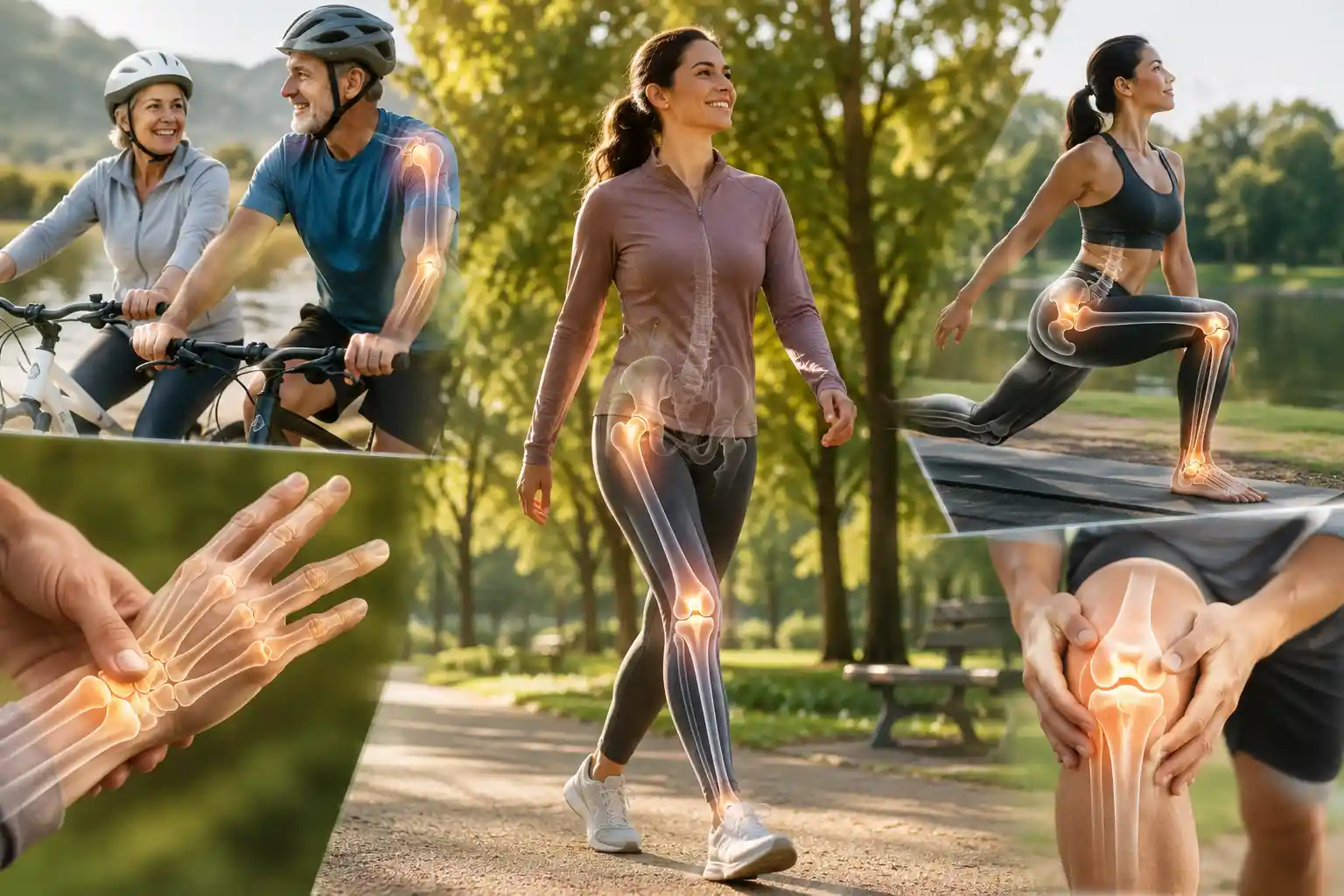
Regular movement stimulates circulation, nourishes cartilage through joint motion, strengthens surrounding muscles, and helps maintain flexibility. In contrast, prolonged sitting reduces muscle activity and contributes to stiffness, making everyday movement more uncomfortable.
Sleep quality deserves attention as well. During sleep, the body carries out important repair processes that affect muscles, connective tissue, and immune regulation. Poor sleep has been associated with increased pain sensitivity and greater inflammation, which may indirectly affect long term joint flexibility.
The science behind the Blue zone lifestyle and musculoskeletal longevity
Researchers have not identified one magical characteristic that explains exceptional longevity. Instead, studies suggest that multiple healthy behaviors interact throughout life, producing cumulative benefits.
One important factor involves maintaining a healthy inflammatory balance. Diets emphasizing beans, vegetables, olive oil, whole grains, herbs, and moderate calorie intake provide nutrients associated with lower inflammatory markers in numerous observational studies.
Muscle strength also plays a critical role. Strong muscles absorb force that would otherwise be transferred directly into joints. Blue Zone residents often preserve muscle function because they continue performing physically meaningful tasks throughout life rather than becoming increasingly sedentary after retirement.
Another fascinating observation concerns lifelong physical activity patterns. Instead of alternating between inactivity and vigorous exercise, these communities remain consistently active every day. This regular movement supports circulation, preserves balance, improves coordination, and helps maintain joint lubrication.
Researchers studying healthy aging increasingly emphasize that mobility is one of the strongest predictors of independence in later life. People who maintain walking ability, balance, and lower body strength generally remain capable of performing everyday activities without assistance. Many of the daily practices observed in Blue Zones naturally reinforce these abilities over decades.
Habit one: Move naturally throughout the day
Perhaps the defining feature of Blue Zone living is continuous natural movement rather than structured exercise alone.
People in these communities often walk to nearby destinations, work in gardens, prepare meals from scratch, care for family members, and perform household tasks manually. These activities create thousands of low impact movements every day without placing excessive stress on joints.
Modern lifestyles, however, encourage prolonged sitting. Office work, commuting, television, and digital entertainment can keep people inactive for hours at a time. Even individuals who visit the gym several times each week may still spend most of their day sedentary.
Health experts increasingly recommend interrupting sitting every thirty to sixty minutes with light activity. Standing, walking briefly, climbing stairs, or stretching helps maintain circulation and reduces stiffness.
Simple mobility exercises performed throughout the day can also preserve range of motion. Gentle shoulder circles, ankle rotations, hip movements, spinal twists, and controlled knee bends encourage joints to move through comfortable ranges while activating surrounding muscles.
Walking deserves special mention because it combines cardiovascular benefits with relatively low joint impact. For most healthy adults, regular walking supports muscle strength, bone health, coordination, and overall physical function without requiring expensive equipment.
Unlike high intensity exercise programs that some people find difficult to sustain, natural movement becomes part of daily life. This consistency may explain why Blue Zone populations maintain physical function for decades rather than relying on occasional bursts of activity.
Habit two: Eat mostly plant based foods that nourish joints
One of the most recognizable characteristics of Blue Zone communities is their eating pattern. While each region has its own traditional cuisine, they all emphasize whole, minimally processed foods. Vegetables, beans, lentils, fruits, whole grains, nuts, seeds, and modest amounts of healthy fats make up the majority of daily meals. Animal products are generally consumed in smaller portions and less frequently than in many modern Western diets.
This approach benefits joint mobility in several ways. Fruits and vegetables supply vitamins C and K, potassium, magnesium, and thousands of plant compounds that help protect cells from oxidative stress. Legumes provide plant protein, fiber, and minerals that support muscle maintenance while helping people feel full longer. Whole grains contribute complex carbohydrates and additional fiber that support metabolic health, which is increasingly recognized as an important factor in maintaining healthy joints.
Olive oil, commonly used in Mediterranean Blue Zones such as Ikaria and Sardinia, contains monounsaturated fats and naturally occurring polyphenols that have been studied for their anti inflammatory properties. Similarly, nuts provide healthy fats, vitamin E, and minerals that contribute to overall musculoskeletal wellness.
Rather than focusing on a single “superfood,” Blue Zone residents benefit from the combined effects of an overall dietary pattern. This balanced way of eating encourages nutrient diversity, supports a healthy body weight, and reduces reliance on highly processed foods that often contain excess sodium, added sugars, and unhealthy fats.
Habit three: Maintain a healthy body weight without extreme dieting
Healthy weight management is another feature consistently observed across Blue Zone populations. Importantly, people in these regions rarely follow restrictive diets or dramatic weight loss programs. Instead, their body weight remains relatively stable because their daily routines naturally balance food intake with physical activity.
Maintaining a healthy weight reduces stress placed on the knees, hips, ankles, and lower back. Every additional kilogram of body weight increases the forces experienced by weight bearing joints during activities such as walking or climbing stairs. Over many years, excessive loading may contribute to joint discomfort and reduced mobility.
Blue Zone cultures often practice mindful eating habits as well. In Okinawa, a traditional concept encourages people to stop eating before becoming completely full. Eating more slowly gives the body time to recognize fullness, making overeating less likely.
Choosing meals rich in vegetables, legumes, and whole grains also increases dietary fiber intake. Fiber supports digestive health, improves satiety, and helps regulate blood sugar levels, making it easier to maintain consistent eating habits.
For individuals interested in healthy longevity, gradual and sustainable lifestyle changes generally produce better long term outcomes than repeated cycles of restrictive dieting and weight regain.
Habit four: Build strength and flexibility into everyday life
While Blue Zone residents may not spend hours lifting weights in a fitness center, their daily routines naturally challenge muscles in functional ways. Gardening, carrying groceries, lifting household items, climbing uneven terrain, and working outdoors all contribute to maintaining strength.
Muscles play a crucial role in protecting joints because they absorb impact and stabilize movement. Weak muscles allow greater stress to transfer directly to cartilage and ligaments. As people grow older, preserving muscle mass becomes increasingly important for maintaining independence.
Adding structured mobility workout can complement everyday movement. Gentle stretching, balance training, controlled bodyweight movements, and flexibility work help maintain joint range of motion while improving posture and coordination.
Examples include:
Daily flexibility practices
Simple stretches for the hips, calves, shoulders, chest, and spine performed consistently can reduce feelings of stiffness after long periods of sitting.
Balance focused activities
Standing on one leg while holding a stable surface, practicing controlled heel to toe walking, or performing gentle tai chi movements challenges balance systems that naturally decline with age.
Functional strength training
Exercises such as bodyweight squats, wall pushups, step ups, and resistance band exercises strengthen muscles that support the knees, hips, shoulders, and back.
The goal is not maximum athletic performance. Instead, the objective is maintaining the ability to perform everyday tasks comfortably throughout life.
Habit five: Manage stress before it becomes chronic
Stress affects more than mental wellbeing. Persistent psychological stress influences hormone levels, sleep quality, immune regulation, and inflammatory processes that may indirectly affect musculoskeletal health.
Every Blue Zone culture includes regular opportunities to slow down. Some communities pray daily, while others enjoy afternoon rests, spend time outdoors, or gather socially with friends and family. These routines create natural breaks from daily pressures.
Modern research supports these practices. Chronic stress has been associated with increased muscle tension, heightened pain perception, and poorer recovery from physical activity. Although stress cannot always be eliminated, developing healthy coping strategies can reduce its long term effects.
Simple practices include deep breathing, mindfulness meditation, spending time in nature, reading, gardening, listening to music, or engaging in enjoyable hobbies. These activities encourage relaxation without requiring expensive equipment or complicated techniques.
When combined with regular physical activity and nutritious eating, effective stress management supports both physical function and healthy aging.
Habit six: Prioritize quality sleep every night
Sleep often receives less attention than diet or exercise, yet it is essential for overall health. During sleep, the body repairs tissues, regulates immune responses, balances hormones, and supports normal cognitive function.
Poor sleep has been linked with increased inflammation, reduced physical performance, slower recovery, and greater sensitivity to pain. People who consistently sleep too little may also experience reduced motivation for physical activity, creating a cycle that negatively affects mobility.
Blue Zone lifestyles naturally encourage healthy sleep habits. Daily physical activity, exposure to natural daylight, limited late night stimulation, and consistent routines help regulate the body’s internal clock.
Improving sleep does not require perfection. Maintaining a regular bedtime, reducing screen exposure before sleep, keeping the bedroom comfortable, and avoiding large late evening meals can all contribute to better sleep quality.
Better sleep supports tissue recovery, preserves energy for daily movement, and helps people remain physically active as they grow older.
Habit seven: Stay socially connected and purposeful
Perhaps the most surprising lesson from Blue Zone research is that social relationships appear to influence physical health as much as diet or exercise.
People in Blue Zone communities remain deeply connected to family, friends, neighbors, and community organizations throughout life. These relationships encourage emotional wellbeing while also increasing opportunities for movement. Walking together, gardening with neighbors, preparing meals, attending community gatherings, and caring for grandchildren all promote regular activity.
Having a strong sense of purpose also encourages people to remain engaged in daily life. Researchers studying longevity have observed that individuals who continue contributing to their families or communities often remain physically active for longer.
Purpose encourages movement because people have meaningful reasons to get out of bed, prepare meals, care for others, volunteer, or pursue hobbies. These everyday activities naturally reinforce many of the lifestyle behaviors that protect long term mobility.
The relationship between emotional wellbeing and physical function continues to receive increasing scientific attention. Strong social support may encourage healthier behaviors, reduce chronic stress, improve resilience during illness, and contribute to better overall quality of life.
Bringing Blue zone habits into everyday life
Many people assume that adopting healthier habits requires a complete lifestyle overhaul. The experience of Blue Zone communities suggests the opposite. Their routines have evolved gradually over generations, becoming part of daily life rather than short term health projects. This makes them both practical and sustainable.
If you want to benefit from Blue zone habits, start with one small change instead of trying to transform everything at once. Walking after meals, preparing one extra vegetable based dinner each week, stretching for ten minutes every morning, or replacing prolonged sitting with short movement breaks are realistic starting points. Small improvements repeated consistently often produce greater long term benefits than ambitious plans that are difficult to maintain.
Another useful strategy is to shape your environment so that healthy choices become the easiest choices. Keep fresh fruit visible, store healthy snacks within reach, use stairs whenever possible, and arrange your home or workspace to encourage movement. These environmental cues reduce reliance on motivation alone.
Consistency matters more than perfection. Missing a workout or enjoying an occasional treat will not erase years of healthy living. The goal is to create daily routines that naturally support joint wellness, physical function, and overall wellbeing throughout life.
Common myths about protecting your joints
Many misconceptions continue to circulate about joint care. Understanding what current research actually shows can help people make informed decisions.
Myth 1: Exercise wears out your joints
For most healthy individuals, regular physical activity helps maintain rather than damage joints. Appropriate exercise strengthens muscles, improves flexibility, enhances balance, and supports cartilage nutrition through movement. High impact activities may not suit everyone, particularly those with existing joint conditions, but avoiding movement altogether generally leads to greater stiffness and weakness.
Myth 2: Joint pain is an unavoidable part of getting older
Although age increases the likelihood of certain musculoskeletal conditions, pain is not an inevitable consequence of aging. Lifestyle factors such as physical activity, body weight, nutrition, sleep, and overall health strongly influence how people experience aging. Supporting graceful aging involves addressing these modifiable factors early rather than accepting discomfort as unavoidable.
Myth 3: Supplements can replace healthy habits
Some supplements may have a role for specific individuals under medical guidance, but no supplement can substitute for a balanced diet, regular movement, adequate sleep, and healthy weight management. The strongest scientific evidence continues to support comprehensive lifestyle approaches rather than isolated products.
If you’re curious about how joint supplements compare, it’s worth understanding the science behind their ingredients rather than relying on marketing claims. Our guide to understanding joint support supplements reviews commonly used ingredients, examines available research, and explains where supplements may fit alongside healthy daily habits rather than replacing them.
Myth 4: Flexibility only matters for athletes

Maintaining joint range of motion benefits everyone. Everyday tasks such as reaching overhead, getting out of a chair, climbing stairs, tying shoes, or carrying groceries all depend on flexibility and coordinated movement. Regular mobility exercises help preserve these abilities as people age.
Conclusion
The remarkable longevity observed in Blue Zone communities demonstrates that aging well is shaped by countless everyday decisions rather than dramatic interventions. While genetics contribute to lifespan, lifestyle plays a powerful role in determining how well people move, function, and maintain independence throughout the years.
The greatest strength of Blue zone habits is their simplicity. Walking regularly, eating mostly whole plant foods, maintaining a healthy weight, sleeping well, managing stress, nurturing meaningful relationships, and moving naturally throughout the day create a foundation for lifelong wellbeing. These practices work together by supporting muscles, bones, connective tissues, and overall joint care, while also encouraging well aging and preserving the ability to perform daily activities comfortably.
No single habit provides all the answers, but together they create a lifestyle that supports resilience. By gradually incorporating these evidence based practices into everyday routines, individuals can improve mobility, reduce unnecessary strain on their joints, and enjoy a more active, independent future.
Although a nutrient-rich diet should remain the foundation for healthy joints, some people also explore supplements that may complement a balanced lifestyle. If you’re interested in learning about the current research, ingredients, and evidence surrounding collagen products, our detailed guide on collagen supplements for joint health explains what studies have found and what to consider before choosing one.
References
World Health Organization (WHO)
National Institute on Aging (NIA)
National Institutes of Health (NIH)
National Institute of Arthritis and Musculoskeletal and Skin Diseases (NIAMS)
Centers for Disease Control and Prevention (CDC)
Harvard T.H. Chan School of Public Health
National Heart, Lung, and Blood Institute (NHLBI)
National Institute of Mental Health (NIMH)
American College of Sports Medicine (ACSM)
Frequently asked questions
1. How does inflammation affect joint health?
Inflammation is a normal immune response, but when it becomes chronic, it may contribute to tissue damage and discomfort around joints. Eating a balanced diet rich in vegetables, fruits, whole grains, legumes, and healthy fats while remaining physically active can help support normal inflammatory processes and promote long term musculoskeletal function.
2. Which mobility exercises are suitable for beginners?
Gentle stretching, shoulder rolls, ankle circles, hip rotations, spinal twists, seated leg extensions, and controlled bodyweight squats are excellent starting points. The key is to perform movements slowly, comfortably, and consistently rather than forcing joints beyond their natural range of motion.
3. Why is muscle strength important for healthy aging?
Strong muscles stabilize joints, improve balance, reduce the risk of falls, and make everyday activities easier. Maintaining muscle mass through regular activity supports independence and helps people continue performing daily tasks comfortably as they grow older.
4. Can nutrition improve bone and cartilage health?
A balanced diet supplies nutrients that support bones, muscles, and connective tissues. Calcium, vitamin D, protein, magnesium, vitamin C, and other essential nutrients contribute to normal musculoskeletal function when consumed as part of an overall healthy dietary pattern.
5. How does walking support lifelong mobility?
Walking activates multiple muscle groups, promotes circulation, improves cardiovascular fitness, supports balance, and encourages joints to move through comfortable ranges of motion. When performed regularly, it helps maintain physical function without placing excessive stress on most healthy joints.
6. Does sitting too much reduce flexibility?
Extended periods of sitting can contribute to muscle tightness, reduced circulation, and feelings of stiffness, particularly in the hips and lower back. Taking frequent movement breaks and performing gentle stretching throughout the day helps maintain flexibility and supports comfortable movement.
7. What daily routine best supports active aging?
A balanced daily routine includes regular walking, nutritious whole foods, sufficient sleep, stress management, meaningful social interaction, strength building activities, and consistent flexibility work. Together, these habits promote long term mobility, physical resilience, and overall wellbeing.