
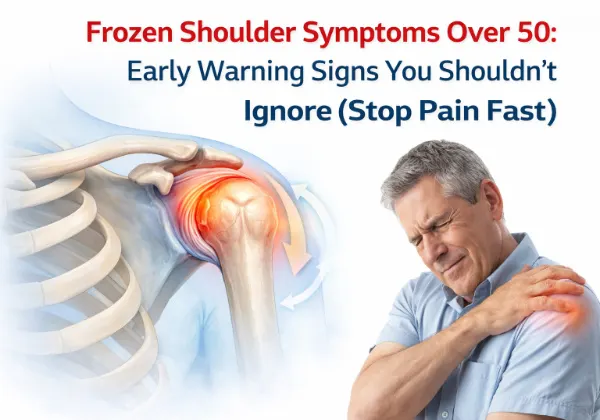
If your shoulder suddenly feels stiff, painful, or “stuck,” you might be dealing with something more than simple soreness. Frozen shoulder becomes more common after 50, and many people ignore the early warning signs until daily life becomes difficult.
In this guide, we’ll break down frozen shoulder symptoms over 50, why they happen, and what you should do before the condition worsens. No fluff. No myths. Just real, evidence-based insights explained in a clear, human way.
Table of Contents
What Is Frozen Shoulder?
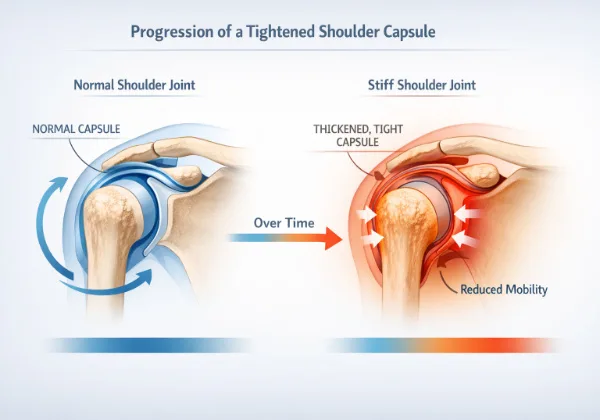
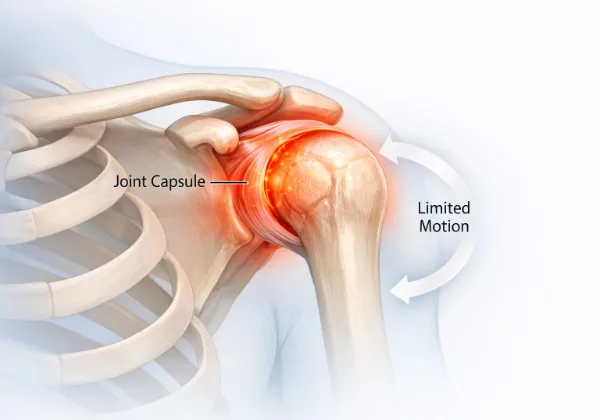
Frozen shoulder, medically known as adhesive capsulitis, is a condition where the shoulder joint becomes stiff and painful due to inflammation and thickening of the capsule surrounding the joint.
Your shoulder joint works like a ball-and-socket system. It relies on smooth movement and flexible tissue. When that tissue tightens and thickens, movement becomes restricted.
That’s when things start to feel “frozen.”

Why Frozen Shoulder Is Common After 50
Age plays a major role here. After 50, your body naturally loses some flexibility, and healing slows down.
Several factors increase your risk:
- Reduced physical activity
- Hormonal changes
- Past shoulder injuries
- Chronic conditions like diabetes
Studies show that people with diabetes are significantly more likely to develop frozen shoulder. According to the American Academy of Orthopaedic Surgeons, about 10–20% of diabetic patients may experience it.
That’s not a small number.
Since nutrient deficiencies can also affect joint flexibility, it’s worth understanding how magnesium impacts stiffness in this detailed article on Magnesium for Joint Stiffness: Does It Really Work After 40? Shocking.
Early Frozen Shoulder Symptoms Over 50
Here’s the tricky part. Frozen shoulder symptoms over 50 doesn’t start dramatically. It begins quietly, often mistaken for minor strain or poor sleep posture.
Let’s look at the early frozen shoulder symptoms over 50 that you should never ignore.
1. Gradual Shoulder Pain
At first, the pain feels mild and inconsistent. You may notice it when reaching overhead or behind your back.
Over time, it becomes more persistent.
You might think, “It’s just age.”
But it’s not always that simple.
2. Stiffness That Gets Worse Over Time
This is one of the clearest signs.
You may struggle to:
- Lift your arm fully
- Reach for objects on shelves
- Fasten your bra or tuck in your shirt
The stiffness doesn’t improve with rest. In fact, it often gets worse.
3. Limited Range of Motion
Here’s where frozen shoulder symptoms over 50 stands out.
With most injuries, you can still move your arm if you push through discomfort. With frozen shoulder symptoms over 50, movement physically stops.
It feels like your shoulder has a built-in limit.
That’s a major red flag.
4. Pain That Disturbs Sleep
Night pain is a classic symptom.
You may wake up when rolling onto the affected shoulder. Even finding a comfortable position becomes difficult.
Poor sleep then adds fatigue to your day, making everything feel worse.
5. Difficulty with Simple Daily Tasks
Simple actions suddenly feel complicated:
- Wearing clothes
- Driving
- Brushing hair
These changes happen slowly, so many people adjust without realizing how limited they’ve become.
Stages of Frozen Shoulder
Frozen shoulder symptoms over 50 develops in three stages. Knowing them helps you understand where you are and what to expect.
Freezing Stage
Pain increases gradually.
Movement starts to become restricted.
This stage can last several months.
Frozen Stage
Pain may reduce slightly, but stiffness becomes severe.
Daily activities become challenging.
Thawing Stage
Movement slowly improves.
Recovery can take months to years.
Yes, years. That’s why early action matters.
What Causes Frozen Shoulder symptoms over 50?
There’s no single cause, but several contributing factors.
Inflammation and Scar Tissue
The shoulder capsule becomes inflamed. Over time, it thickens and forms tight bands of tissue.
This restricts movement.
Lack of Movement
If you stop using your shoulder due to pain or injury, stiffness increases.
Ironically, avoiding movement makes things worse.
Medical Conditions
Certain conditions increase risk:
- Diabetes
- Thyroid disorders
- Heart disease
These conditions affect circulation and healing.
How Frozen Shoulder Symptoms Over 50 Is Diagnosed
Doctors don’t rely on guesswork.
They usually:
- Review your symptoms
- Check range of motion
- Compare both shoulders
- Use imaging like X-rays or MRI if needed
The key difference is limited movement even when someone else tries to move your arm.
When Should You See a Doctor?
Don’t wait until your shoulder barely moves.
You should seek help if:
- Pain lasts more than a few weeks
- Stiffness keeps increasing
- Sleep gets disrupted
- Daily tasks become difficult
Early treatment can shorten recovery time significantly.
Treatment Options That Actually Work
Let’s keep it practical.
Treatment focuses on reducing pain and restoring movement.
Physical Therapy
This is the most effective approach.
Gentle stretching and guided exercises help improve mobility over time.
Consistency matters more than intensity.
Pain Management
Doctors may recommend:
- Anti-inflammatory medications
- Corticosteroid injections
These reduce inflammation and make movement easier.
Heat and Cold Therapy
Heat helps loosen the joint.
Cold reduces inflammation.
Using both strategically can provide relief.
Home Exercises
Daily movement is essential.
Even simple exercises can prevent further stiffness.
Skipping movement is like locking the joint tighter.
Surgery (Rare Cases)
Most people don’t need surgery.
But in severe cases, doctors may recommend procedures to release the tight capsule.
Can Frozen Shoulder Symptoms Over 50 Be Prevented?
You can’t always prevent it, but you can reduce your risk.
Here’s how:
Stay Active
Regular shoulder movement keeps the joint flexible.
Even light stretching helps.
Don’t Ignore Minor Pain
Early discomfort is your body’s warning system.
Listen to it.
Manage Chronic Conditions
Control diabetes, thyroid issues, and other health problems.
These conditions increase your risk significantly.
Recover Properly from Injuries
After any shoulder injury, follow proper rehab.
Skipping recovery increases the chance of stiffness.
Common Mistakes People Over 50 Make
Let’s be honest. Most people make at least one of these mistakes.
Ignoring Early Symptoms
“I’ll deal with it later.”
That delay can cost you months of recovery.
Avoiding Movement Completely
Rest helps initially, but too much rest makes stiffness worse.
Movement is necessary.
Using Only Painkillers
Pain relief doesn’t fix the root problem.
You need mobility work too.
Expecting Quick Results
Frozen shoulder heals slowly.
Patience and consistency are key.
How Long Does Recovery Take?
Recovery varies from person to person.
- Mild cases: a few months
- Moderate cases: 6–12 months
- Severe cases: up to 2–3 years
Yes, it’s a long journey.
But early treatment can shorten that timeline.
Frequently Asked Questions
What are the most common frozen shoulder symptoms over 50?
The most common frozen shoulder symptoms over 50 include gradual shoulder pain, increasing stiffness, and a limited range of motion. Many people also experience pain at night and difficulty with simple daily tasks like dressing or reaching overhead. These symptoms usually develop slowly and worsen over time if not treated.
How do I know if my shoulder pain is frozen shoulder after 50?
If your pain comes with stiffness and a noticeable loss of movement, it could be frozen shoulder. Unlike regular shoulder pain, frozen shoulder symptoms over 50 often include an inability to fully move the arm even with assistance. The condition also tends to progress in stages, starting with pain and leading to severe stiffness.
Why are frozen shoulder symptoms over 50 more common?
Frozen shoulder symptoms over 50 are more common due to reduced joint flexibility, slower healing, and a higher risk of conditions like diabetes or thyroid disorders. These factors can increase inflammation and cause the shoulder capsule to stiffen over time.
Can frozen shoulder go away on its own after 50?
Yes, frozen shoulder can improve on its own, but it may take months or even years. Without treatment, frozen shoulder symptoms over 50 can significantly limit movement and affect daily life. Early intervention with physical therapy can speed up recovery and reduce discomfort.
What is the fastest way to relieve frozen shoulder symptoms over 50?
The fastest way to relieve frozen shoulder symptoms over 50 is through consistent physical therapy, gentle stretching exercises, and proper pain management. Heat therapy and anti-inflammatory treatments can also help reduce stiffness and improve mobility when used regularly.
Final Thoughts
Frozen shoulder after 50 isn’t just a minor inconvenience. It can affect your independence, sleep, and overall quality of life.
The good news? You can manage it effectively if you act early.
Pay attention to frozen shoulder symptoms over 50 like stiffness, pain, and limited movement. These signs matter more than you think.
Don’t wait for your shoulder to “unlock itself.” It won’t.
Take action, stay consistent, and give your body the support it needs.
Sources
- American Academy of Orthopaedic Surgeons
- Mayo Clinic
- National Health Service (NHS)
- Harvard Health Publishing
- Cleveland Clinic
Author Bio
Jennifer Collins is a wellness researcher and natural health writer focused on adults over 40. With 3+ years of experience in digital health content, Jennifer specializes in making science-backed nutrition and lifestyle strategies easy to follow and apply.
Health Disclaimer
This content is for informational purposes only and is not intended to diagnose, treat, or cure any disease. Always consult your healthcare provider before making changes to your diet or health routine. This article may include affiliate links, which come at no extra cost to you.