

Thumb Joint Pain Base Of Thumb: Causes & Easy Relief After 40. Thumb pain can sneak up on you. One day you open jars, scroll your phone, and grip your coffee like normal. The next day, that sharp ache at the base of your thumb refuses to cooperate. If you feel thumb joint pain at base of thumb, you’re not alone, especially after 40.
This guide breaks down what causes that pain, why it gets worse with age, and how you can treat it at home using safe, evidence-based methods. No fluff, no myths, just real solutions.
Table of Contents
Why Thumb Joint Pain Base of Thumb Is Common After 40
Let’s start with the obvious. Your thumb works harder than you think. Every grip, pinch, and swipe involves the joint at the base of your thumb.
After 40, natural changes occur:
- Cartilage starts to wear down
- Joint lubrication decreases
- Repetitive strain adds up over time
That combination creates the perfect storm for thumb joint pain base of thumb.
Doctors often call this condition basal joint arthritis or thumb arthritis. According to the American Academy of Orthopaedic Surgeons, it is one of the most common forms of hand arthritis in adults over 40.

Main Causes of Thumb Joint Pain Base of Thumb
1. Osteoarthritis (Most Common Cause)
Osteoarthritis leads the list by a wide margin. It occurs when the cartilage that cushions your joints breaks down.
When cartilage wears out:
- Bones rub against each other
- Inflammation increases
- Pain becomes constant
This condition directly causes thumb joint pain base of thumb, especially during gripping or twisting movements.
2. Repetitive Strain and Overuse
Modern life does not help your thumb. Think about it:
- Constant smartphone use
- Typing for hours
- Cooking, cleaning, lifting
Overuse irritates the joint and surrounding tendons. That irritation turns into persistent thumb joint pain base of thumb.
3. De Quervain’s Tenosynovitis
This condition affects the tendons on the thumb side of your wrist.
Symptoms include:
- Pain near the base of the thumb
- Swelling
- Difficulty moving the thumb
It often develops from repeated hand or wrist movements. While it is different from arthritis, it still causes thumb joint pain base of thumb.
4. Weak Grip Strength and Muscle Imbalance
As you age, muscle strength declines. Weak muscles force joints to absorb more pressure.
That extra stress worsens thumb joint pain at base of thumb over time.
5. Previous Injuries
Old injuries can come back to haunt you. Even a minor sprain years ago can lead to joint instability.
That instability often triggers thumb joint pain at base of thumb, especially during daily tasks.
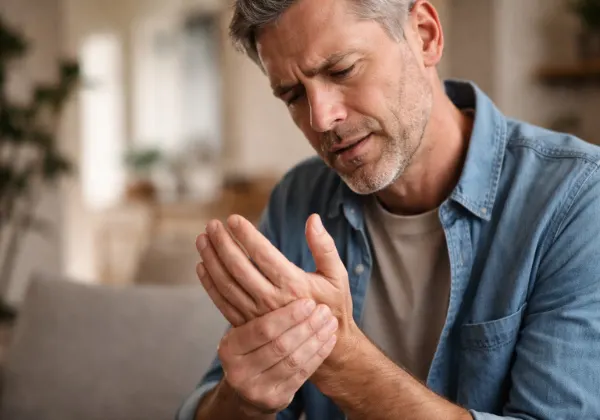
Early Symptoms You Should Not Ignore
Catching symptoms early makes treatment easier.
Watch for:
- Pain when gripping objects
- Swelling at the base of the thumb
- Reduced strength
- A grinding sensation
- Difficulty opening jars or turning keys
If you notice these signs, your body is asking for help.
How Thumb Joint Pain Affects Daily Life
This type of pain does more than annoy you. It interferes with simple tasks:
- Buttoning clothes
- Writing
- Cooking
- Using your phone
Ignoring thumb joint pain at base of thumb can reduce your independence over time. That’s why early action matters.
Proven Home Treatments for Thumb Joint Pain at Base of Thumb
Now the good part. You can manage and even reduce pain at home with consistent effort.
1. Rest and Activity Modification
You don’t need to stop using your hand. But you should use it smarter.
Try this:
- Avoid tight gripping
- Use larger handles when possible
- Take breaks during repetitive tasks
Small changes reduce strain on the joint and ease thumb joint pain base of thumb.
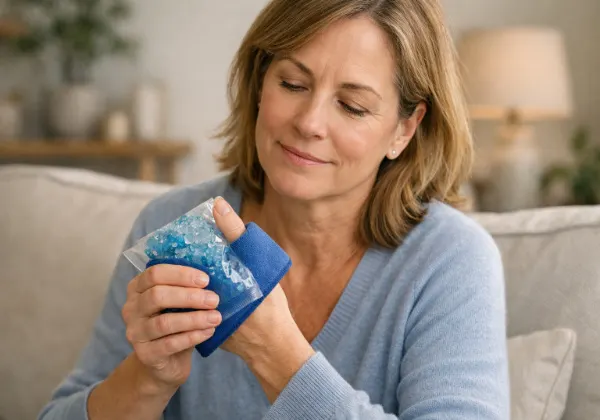
2. Cold and Heat Therapy
Both cold and heat have benefits.
- Use ice packs for swelling and inflammation
- Use warm compresses for stiffness
Apply for 15 to 20 minutes, 2 to 3 times daily.
This simple habit can significantly reduce thumb joint pain base of thumb.
3. Thumb Support or Splints
A thumb brace stabilizes the joint and limits harmful movement.
Research published in the Journal of Hand Therapy shows that splints can reduce pain and improve function in thumb arthritis.
Wearing a splint during activities helps control thumb joint pain at base of thumb without medication.
4. Gentle Thumb Exercises
Movement heals. But only the right kind of movement.
Try these simple exercises:
- Thumb circles
- Thumb stretches
- Opposition exercises
Do them slowly and consistently. These exercises improve mobility and reduce thumb joint pain base of thumb.
5. Anti-Inflammatory Diet
Food plays a bigger role than most people think.
Focus on:
- Omega 3 rich foods like fish and walnuts
- Fruits and vegetables
- Whole grains
Avoid excessive sugar and processed foods. Reducing inflammation from within helps manage thumb joint pain base of thumb.
6. Over-the-Counter Pain Relief
Nonsteroidal anti-inflammatory drugs can help when pain flares up.
Use them responsibly and only when needed. They provide temporary relief for thumb joint pain base of thumb, not a long-term solution.
7. Topical Treatments
Creams and gels containing anti-inflammatory ingredients can offer relief.
They work well for mild to moderate thumb joint pain base of thumb and have fewer side effects than oral medications.
If you’re working on improving joint flexibility overall, these 12 Best Shoulder Mobility Exercises for Older Adults (Chair Friendly & Easy) can also support better upper-body movement and reduce strain on your hands and thumbs.
When to See a Doctor
Home treatments work for many people. But sometimes you need expert care.
See a doctor if:
- Pain lasts more than a few weeks
- You notice severe swelling
- Your thumb loses function
- Pain worsens over time
Early diagnosis can prevent long-term damage from thumb joint pain base of thumb.
Medical Treatments You Might Need
If home remedies don’t help, doctors may recommend:
- Physical therapy
- Corticosteroid injections
- Advanced bracing
- Surgery in severe cases
These treatments target the root cause of thumb joint pain at base of thumb and improve quality of life.
Simple Prevention Tips That Actually Work
Prevention beats treatment every time.
Here’s what you can do daily:
- Strengthen hand muscles
- Maintain a healthy weight
- Use ergonomic tools
- Take regular breaks from repetitive tasks
These habits reduce your risk of developing thumb joint pain base of thumb.
The Smartphone Problem Nobody Talks About
Let’s be honest. Your thumb works overtime scrolling.
Excessive phone use increases pressure on the thumb joint. Experts even call it “texting thumb.”
To protect yourself:
- Use voice typing
- Switch hands often
- Limit long scrolling sessions
Your thumb will thank you later.
Can Thumb Joint Pain Go Away Completely?
It depends on the cause.
- Mild strain can heal completely
- Arthritis cannot be reversed but can be managed
With proper care, you can reduce thumb joint pain at base of thumb and maintain full function for years.
Frequently Asked Questions
What causes thumb joint pain at the base of the thumb?
The most common cause of thumb joint pain base of thumb is osteoarthritis, especially after age 40. Cartilage wears down over time, leading to friction, swelling, and pain. Other causes include repetitive strain from daily activities, tendon inflammation like De Quervain’s tenosynovitis, and past injuries that weaken the joint.
How can I relieve thumb joint pain at the base of the thumb at home?
You can relieve thumb joint pain base of thumb at home by resting the joint, using ice or heat therapy, and wearing a thumb brace for support. Gentle stretching exercises and reducing repetitive thumb movements also help. Many people find relief by combining these methods consistently over time.
When should I see a doctor for thumb joint pain at the base of the thumb?
You should see a doctor if your thumb joint pain base of thumb lasts more than a few weeks, becomes severe, or limits your daily activities. Swelling, stiffness, or weakness that gets worse over time may indicate arthritis or tendon issues that need medical evaluation.
Is thumb joint pain at the base of the thumb a sign of arthritis?
Yes, thumb joint pain base of thumb is often an early sign of thumb arthritis, especially in adults over 40. If you notice pain while gripping, a grinding sensation, or reduced strength, it may indicate osteoarthritis developing in the joint.
Can thumb joint pain at the base of the thumb go away on its own?
Mild thumb joint pain base of thumb caused by overuse can improve with rest and proper care. However, if the pain is due to arthritis, it may not fully go away but can be managed effectively with lifestyle changes, exercises, and supportive treatments.
Final Thoughts
Thumb joint pain at base of thumb may seem small, but it affects your entire daily routine. The good news is that you don’t need complicated treatments to start feeling better.
Simple changes like rest, exercise, and proper support can make a big difference. The earlier you act, the better your results.
Take care of your hands. They do more for you than you realize.
Sources
- American Academy of Orthopaedic Surgeons
- Arthritis Foundation
- Mayo Clinic
- Journal of Hand Therapy
- National Institute of Arthritis and Musculoskeletal and Skin Diseases
Author Bio
Jennifer Collins is a wellness researcher and natural health writer focused on adults over 40. With 3+ years of experience in digital health content, Jennifer specializes in making science-backed nutrition and lifestyle strategies easy to follow and apply.
Health Disclaimer
This content is for informational purposes only and is not intended to diagnose, treat, or cure any disease. Always consult your healthcare provider before making changes to your diet or health routine. This article may include affiliate links, which come at no extra cost to you.