

Joint pain can turn a good night’s sleep into a long, uncomfortable struggle. If you wake up stiff, sore, or more tired than when you went to bed, your sleeping position may be part of the problem. The good news is that small changes in how you sleep can make a real difference. This guide explains the best sleeping position for joint pain, with practical tips for your hips, knees, shoulders, and back. It also covers how to sleep with joint pain in a way that supports recovery, not frustration.
Why Sleeping Position Matters for Joint Pain
Your body repairs itself while you sleep. During deep sleep, tissues heal, inflammation settles, and muscles relax. But if your joints stay in a strained position for hours, you may increase pressure and irritation instead of easing it.
Research from organizations like the National Institutes of Health shows that poor sleep and chronic pain often reinforce each other. Pain disrupts sleep, and lack of sleep lowers pain tolerance. That cycle can feel endless if you do not address the root causes, including posture.
Sleeping with arthritis or any chronic joint condition requires alignment. When your spine, hips, and shoulders stay in a neutral position, your joints experience less stress. That is why joint pain sleep positions matter more than most people realize.
If your pain feels worse after sunset, you should also read our guide on Why Joint Pain Worse at Night? 5 Proven Natural Ways to Stop Night Pain Joints to understand the root causes and simple fixes.
The Best Sleeping Position for Joint Pain
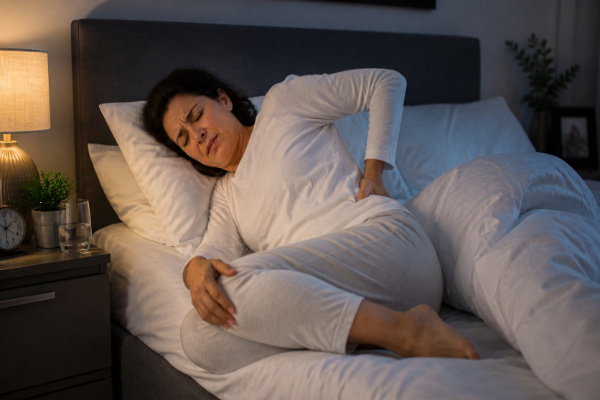
There is no single perfect position for everyone, but most experts agree that side sleeping and back sleeping offer the best support.
Side Sleeping for Joint Pain Relief
Side sleeping often ranks as the best sleeping position for joint pain, especially for people with hip or knee discomfort. It keeps your spine aligned and reduces pressure on the lower back.
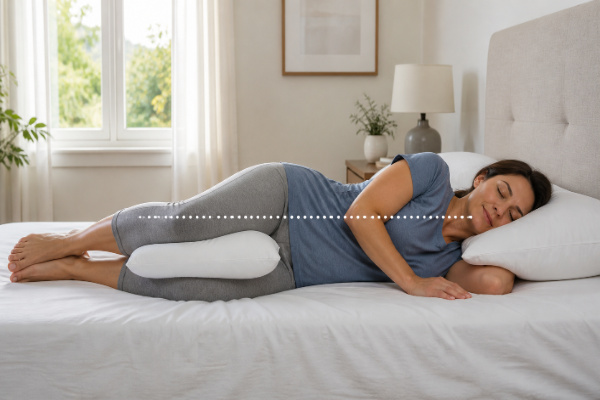
To make side sleeping effective, focus on alignment. Keep your ears, shoulders, and hips in a straight line. Avoid curling too tightly into a fetal position, as that can strain your joints.
Place a pillow between your knees. This simple step prevents your top leg from pulling your spine out of alignment. It also reduces pressure on your hips.
If you deal with shoulder pain, avoid sleeping on the painful side. Instead, lie on the opposite side and hug a pillow. This supports your upper arm and keeps your shoulder joint stable.
Back Sleeping for Joint Support
Back sleeping works well for many people because it distributes weight evenly. It keeps your spine neutral and reduces pressure points.
Place a pillow under your knees. This slight elevation helps maintain the natural curve of your lower back. Without that support, your spine may flatten and cause discomfort.
If you have shoulder pain, keep your arms relaxed at your sides. Avoid placing them overhead, as this can strain your joints.
Back sleeping may not suit everyone. People with sleep apnea or acid reflux may find it uncomfortable. Still, for joint alignment, it remains one of the most effective options.
How to Sleep with Joint Pain in Different Areas
Joint pain does not affect everyone in the same way. Your strategy should match the area that hurts.
Hip Pain
Hip pain often worsens with poor alignment. Side sleeping can help, but only if you use proper support.
Place a firm pillow between your knees. This keeps your hips level and reduces strain. If your mattress feels too firm, consider adding a topper to reduce pressure on your hips.
Avoid sleeping on the painful side. If both hips hurt, try back sleeping with pillows under your knees.
Knee Pain
Knee pain often comes from inflammation, injury, or arthritis. Your goal is to reduce pressure and keep the joint in a neutral position.
Side sleeping with a pillow between your knees works well. It prevents bone on bone contact and reduces twisting.
If you prefer back sleeping, place a pillow under your knees. This reduces strain on the joint and supports natural alignment.
Shoulder Pain
Shoulder pain can make sleep especially difficult. The wrong position can compress the joint and worsen inflammation.
Avoid sleeping on the painful shoulder. Instead, lie on your back or the opposite side.
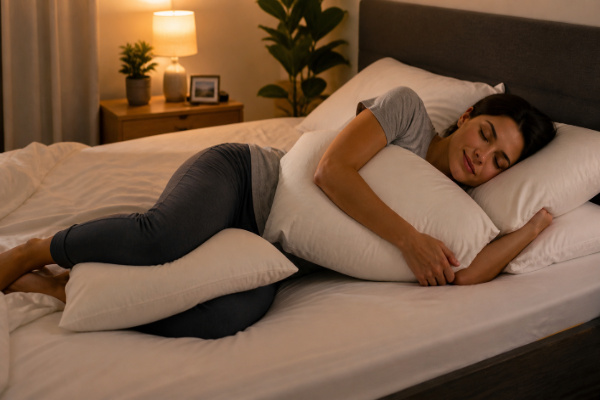
If you sleep on your side, hug a pillow. This keeps your arm supported and reduces pressure on the shoulder joint.
Use a supportive pillow for your head. Your neck should stay aligned with your spine, not tilted up or down.
Back Pain
Back pain often improves with proper alignment. Back sleeping with a pillow under your knees remains one of the best options.
Side sleeping can also help, especially with a pillow between your knees. Keep your spine straight and avoid twisting.
Avoid sleeping on your stomach. This position forces your neck to turn and puts strain on your spine. It can worsen joint pain over time.
Sleeping with Arthritis: What Works Best
Sleeping with arthritis requires extra care. Inflammation, stiffness, and sensitivity can make even minor pressure feel intense.
Warm showers before bed can relax muscles and joints. A supportive mattress also plays a key role. Medium firm mattresses often provide the best balance between comfort and support, according to sleep research.
Use pillows strategically. Support your joints in a way that reduces pressure. For example, place a pillow under your arms if you have shoulder arthritis or under your knees for lower body support.
Consistency matters. Try to go to bed and wake up at the same time every day. A regular sleep schedule can improve sleep quality and reduce pain perception.
Common Mistakes That Make Joint Pain Worse
Many people unknowingly make small mistakes that increase discomfort.
Sleeping without proper support ranks high on the list. A flat or worn out pillow can misalign your neck and spine. The same applies to old mattresses that no longer provide support.
Another common issue is staying in one position for too long. Even a good position can cause stiffness if you do not move. Gentle position changes during the night can help.
Poor posture during the day also affects sleep. If you spend hours hunched over a desk, your body carries that strain into the night.
Choosing the Right Mattress and Pillow
Your sleeping surface matters just as much as your position. A supportive mattress keeps your spine aligned and reduces pressure points.
Most experts recommend a medium firm mattress for joint pain. It supports your body without feeling too hard.
Pillows should match your sleeping position. Side sleepers often need thicker pillows to keep their neck aligned. Back sleepers usually benefit from thinner pillows.
Memory foam and latex materials can help distribute weight evenly. They adapt to your body shape and reduce pressure on sensitive joints.
Lifestyle Tips to Improve Sleep with Joint Pain
Your habits during the day influence how you sleep at night.
Regular exercise can strengthen muscles around your joints. Activities like walking, swimming, and stretching work well for most people.
Maintain a healthy weight. Extra weight increases stress on joints, especially in the knees and hips.
Limit caffeine in the evening. It can disrupt your sleep cycle and make it harder to relax.
Create a calm sleep environment. Keep your bedroom cool, dark, and quiet. Small changes can lead to better sleep quality.
When to See a Doctor
If your joint pain continues despite trying different positions, it may be time to seek medical advice. Persistent pain can signal underlying conditions like arthritis, bursitis, or injury.
A healthcare provider can recommend treatments, physical therapy, or medications that address the root cause.
Ignoring chronic pain often leads to worse outcomes. Early intervention can improve both sleep and quality of life.
Frequently Asked Questions
What is the best sleeping position for joint pain?
The best sleeping position for joint pain is usually side sleeping with a pillow between your knees or back sleeping with a pillow under your knees. These positions keep your spine aligned and reduce pressure on sensitive joints. Proper alignment helps minimize pain and improves sleep quality over time.
How to sleep with joint pain without waking up stiff?
To learn how to sleep with joint pain, focus on alignment and support. Use pillows to keep your joints in a neutral position and avoid sleeping on painful areas. The best sleeping position for joint pain also includes using a supportive mattress and maintaining a consistent sleep routine to reduce stiffness.
Is side sleeping good for joint pain relief?
Yes, side sleeping is often considered the best sleeping position for joint pain, especially for hip and knee discomfort. Placing a pillow between your knees helps reduce pressure and prevents your spine from twisting. This position works well for many people dealing with chronic joint pain.
What is the best sleeping position for joint pain in shoulders and back?
For shoulder and back pain, the best sleeping position for joint pain is either back sleeping with proper support or side sleeping on the non-painful side. Keeping your arms supported with a pillow can reduce strain on the shoulder, while maintaining spinal alignment helps relieve back discomfort.
Can sleeping position affect arthritis pain at night?
Yes, sleeping position plays a major role in sleeping with arthritis. Poor posture can increase pressure on inflamed joints and worsen pain. Choosing the best sleeping position for joint pain, along with proper pillow support, can significantly reduce discomfort and help you sleep more comfortably.
Final Thoughts
Finding the best sleeping position for joint pain is not about perfection. It is about making small, consistent changes that support your body.
Side sleeping with proper alignment and back sleeping with support often provide the best results. Use pillows to reduce pressure and keep your joints in a neutral position.
If you struggle with how to sleep with joint pain, focus on comfort, alignment, and consistency. Over time, these changes can improve both your sleep and your overall health.
Sleeping with arthritis or any joint condition may feel challenging, but the right approach can make a noticeable difference. Your body needs rest to heal. Give it the support it deserves.
Sources
National Institutes of Health Sleep and Pain Research
Arthritis Foundation Sleep and Arthritis Guide
Cleveland Clinic Sleeping Positions and Back Pain
Harvard Health Publishing Sleep and Pain Connection
Author Bio
Jennifer Collins is a wellness researcher and natural health writer focused on adults over 40. With 3+ years of experience in digital health content, Jennifer specializes in making science-backed nutrition and lifestyle strategies easy to follow and apply.
Health Disclaimer
This content is for informational purposes only and is not intended to diagnose, treat, or cure any disease. Always consult your healthcare provider before making changes to your diet or health