
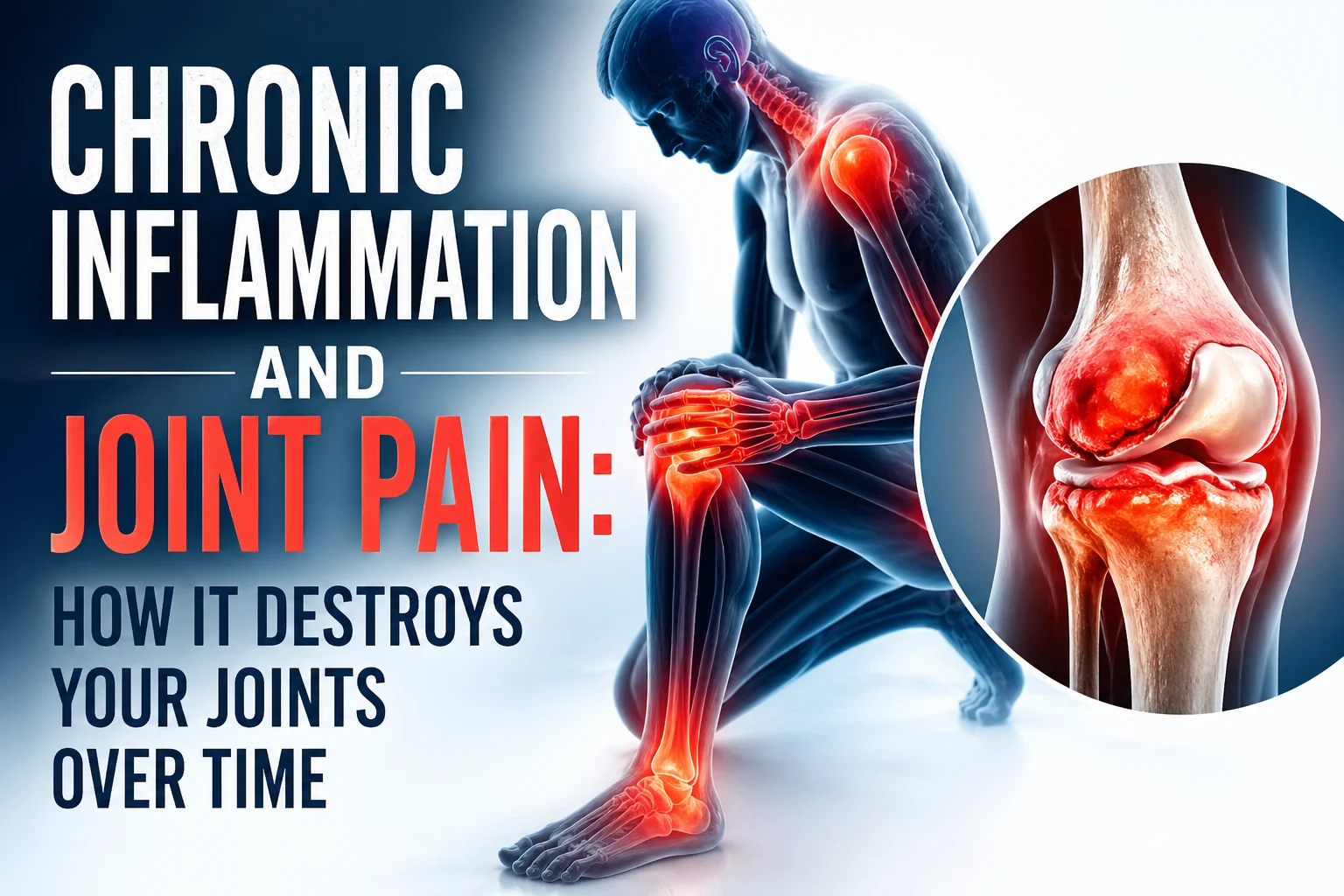
Chronic inflammation and joint pain often show up quietly. At first, you may feel a little stiffness in the morning or a dull ache after a long day. It seems harmless. But over time, that small signal can turn into something much bigger.
Your body uses inflammation as a defense tool. It fights infections and heals injuries. That is normal and helpful. The problem begins when inflammation does not switch off. When it lingers for months or years, it starts damaging healthy tissue. This is what experts call chronic inflammation.
In this article, you will learn what chronic inflammation really is, how inflammation affects joints, and why it plays a major role in long term joint damage. You will also understand the science behind inflammation joint damage and how systemic inflammation joints can worsen your condition over time.
What Is Chronic Inflammation?

Chronic inflammation is a slow and persistent immune response. Unlike acute inflammation, which helps you recover from cuts or infections, chronic inflammation stays active even when there is no real threat.
Your immune system keeps releasing inflammatory chemicals. These chemicals include cytokines and other signaling proteins. They are useful in short bursts. But when they stay elevated, they begin to harm your own tissues.
Research from the National Institutes of Health explains that chronic inflammation contributes to many diseases, including arthritis, heart disease, and diabetes. This makes chronic inflammation and joint pain a serious health issue, not just a minor discomfort.
How Inflammation Affects Joints
To understand how inflammation affects joints, you need to know how a joint works. Joints connect bones and allow movement. They contain cartilage, synovial fluid, and connective tissues that keep everything smooth and stable.
When inflammation enters the picture, things change quickly.
The immune system starts attacking joint tissues. It releases enzymes and chemicals that break down cartilage. Cartilage acts like a cushion between bones. Once it wears down, bones begin to rub against each other. This creates pain, stiffness, and reduced mobility.
Inflammation also thickens the synovial membrane. This leads to swelling and fluid buildup inside the joint. Over time, the joint loses its natural shape and function.
This is the core process behind inflammation joint damage. It does not happen overnight. It develops slowly but steadily, which makes it easy to ignore until the damage becomes severe.
The Link Between Chronic Inflammation and Joint Pain
Chronic inflammation and joint pain go hand in hand. Pain is not just a symptom. It is a signal that inflammation is actively damaging your joints.
Inflammatory chemicals irritate nerve endings around the joint. This makes even small movements feel painful. Morning stiffness is one of the earliest signs. Many people also notice pain after periods of rest.
As inflammation continues, the pain becomes more constant. It can interfere with daily activities like walking, climbing stairs, or even holding objects.
Conditions like osteoarthritis and rheumatoid arthritis are strongly linked to chronic inflammation. According to the Centers for Disease Control and Prevention, arthritis affects millions of adults and remains a leading cause of disability.
Systemic Inflammation Joints: Why the Whole Body Matters
Systemic inflammation joints refers to inflammation that affects the entire body, not just one joint.
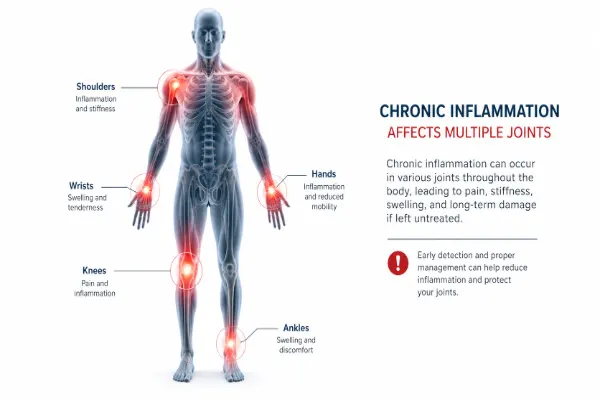
This type of inflammation travels through the bloodstream. It impacts multiple organs and tissues, including joints. That is why people with chronic inflammatory conditions often experience pain in several joints at once.
Systemic inflammation can come from various sources. Poor diet, lack of physical activity, chronic stress, and obesity all contribute to it. These factors keep the immune system in a constant state of alert.
When systemic inflammation reaches your joints, it accelerates joint damage. It also slows down the body’s ability to repair itself. This creates a cycle where inflammation causes damage, and the damage triggers more inflammation.
Inflammation Joint Damage: What Happens Over Time
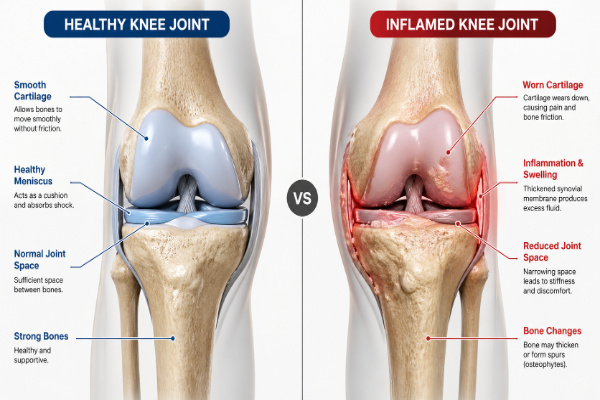
Inflammation joint damage progresses in stages. At first, the damage is mild and may not show up on scans. But changes are already happening inside the joint.
Cartilage begins to thin. Synovial fluid loses its lubricating quality. The joint may feel stiff or slightly swollen.
As the condition worsens, cartilage breaks down further. Bone spurs can develop. These are small bony growths that form around the joint. They can limit movement and increase pain.
In advanced stages, the joint may lose its normal structure. Bones may shift out of alignment. This leads to severe pain and loss of function.
Studies published in journals like The Lancet Rheumatology highlight that early inflammation plays a critical role in determining long term joint outcomes. The earlier you address inflammation, the better your chances of preventing serious damage.
Common Causes of Chronic Inflammation
Chronic inflammation does not have a single cause. It often results from a combination of lifestyle and environmental factors.
Diet plays a major role. Highly processed foods, sugar, and trans fats can trigger inflammation. On the other hand, whole foods like fruits, vegetables, and healthy fats help reduce it.
Lack of exercise also contributes to systemic inflammation joints. Physical activity helps regulate immune function and reduces inflammatory markers.
Stress is another key factor. Chronic stress keeps your body in a constant fight or flight state. This increases the production of inflammatory chemicals.
Obesity is strongly linked to chronic inflammation and joint pain. Fat tissue releases pro inflammatory substances that can worsen joint damage.
Early Signs You Should Not Ignore
Chronic inflammation often starts with subtle symptoms. Many people ignore them or blame aging.
Morning stiffness that lasts more than 30 minutes is a common warning sign. Swelling around joints is another indicator. You may also notice reduced range of motion or a feeling of warmth in the joint.
Fatigue can also signal systemic inflammation. When your body fights inflammation constantly, it uses more energy. This leaves you feeling tired even after rest.
Recognizing these signs early can help you take action before inflammation joint damage becomes severe.
“If you are looking to go beyond diet alone, this detailed guide on Best Anti Inflammatory Supplements for Joint Pain 2026 Ranked Guide breaks down the most effective options backed by research.”
How to Reduce Chronic Inflammation and Protect Your Joints
Managing chronic inflammation and joint pain requires a consistent approach. Small changes can make a big difference over time.
Focus on an anti inflammatory diet. Include foods rich in omega 3 fatty acids, such as fatty fish, walnuts, and flaxseeds. Add colorful fruits and vegetables to your meals. They provide antioxidants that fight inflammation.
Regular movement is essential. Low impact exercises like walking, swimming, and stretching help keep joints flexible and reduce stiffness.
Sleep also plays a key role. Poor sleep increases inflammatory markers. Aim for seven to eight hours of quality sleep each night.
Stress management matters more than most people think. Practices like meditation, deep breathing, and yoga can lower inflammation levels.
If symptoms persist, consult a healthcare professional. Early diagnosis and treatment can prevent long term damage.
The Science Behind Long Term Joint Health
Scientific research continues to highlight the impact of chronic inflammation on joint health.
A study from Harvard Medical School explains that chronic inflammation disrupts normal cellular processes. It interferes with tissue repair and promotes degeneration.
Another report from the World Health Organization emphasizes the global burden of joint diseases linked to inflammation. These conditions affect mobility, quality of life, and overall health.
Understanding how inflammation affects joints helps you make better decisions. It allows you to focus on prevention instead of just treatment.
Frequently Asked Questions
What is chronic inflammation and joint pain?
Chronic inflammation and joint pain refer to a long lasting immune response where the body continues to release inflammatory chemicals that damage joint tissues. Unlike short term inflammation, this process slowly breaks down cartilage and leads to stiffness, swelling, and ongoing discomfort.
How does chronic inflammation cause joint damage?
Chronic inflammation damages joints by attacking healthy tissues, including cartilage and the synovial lining. Over time, this leads to inflammation joint damage, where the protective cushion between bones wears down, causing pain, reduced mobility, and structural changes in the joint.
What are the early signs of chronic inflammation and joint pain?
Early signs of chronic inflammation and joint pain include morning stiffness, mild swelling, joint tenderness, and reduced flexibility. Some people also experience fatigue due to systemic inflammation joints, which affects the entire body and not just one area.
Can chronic inflammation and joint pain be reversed naturally?
Chronic inflammation and joint pain can often be managed and reduced with lifestyle changes. An anti inflammatory diet, regular exercise, proper sleep, and stress control can help lower inflammation levels and protect joints from further damage, especially in early stages
What causes chronic inflammation in joints?
Chronic inflammation in joints can result from poor diet, lack of physical activity, stress, obesity, and autoimmune conditions. These factors contribute to systemic inflammation joints, which increases the risk of long term joint damage and persistent pain.
Final Thoughts
Chronic inflammation and joint pain are more than temporary issues. They represent an ongoing process that can slowly destroy your joints if left unchecked.
The good news is that you have control over many factors that influence inflammation. By making smart lifestyle choices and paying attention to early signs, you can protect your joints and maintain mobility for years to come.
Inflammation joint damage does not happen overnight. That gives you time to act. And in this case, early action makes all the difference.
Sources
Centers for Disease Control and Prevention
Author Bio
Jennifer Collins is a wellness researcher and natural health writer focused on adults over 40. With 3+ years of experience in digital health content, Jennifer specializes in making science-backed nutrition and lifestyle strategies easy to follow and apply.
Health Disclaimer
This content is for informational purposes only and is not intended to diagnose, treat, or cure any disease. Always consult your healthcare provider before making changes to your diet or health routine. This article may include affiliate links, which come at no extra cost to you.