
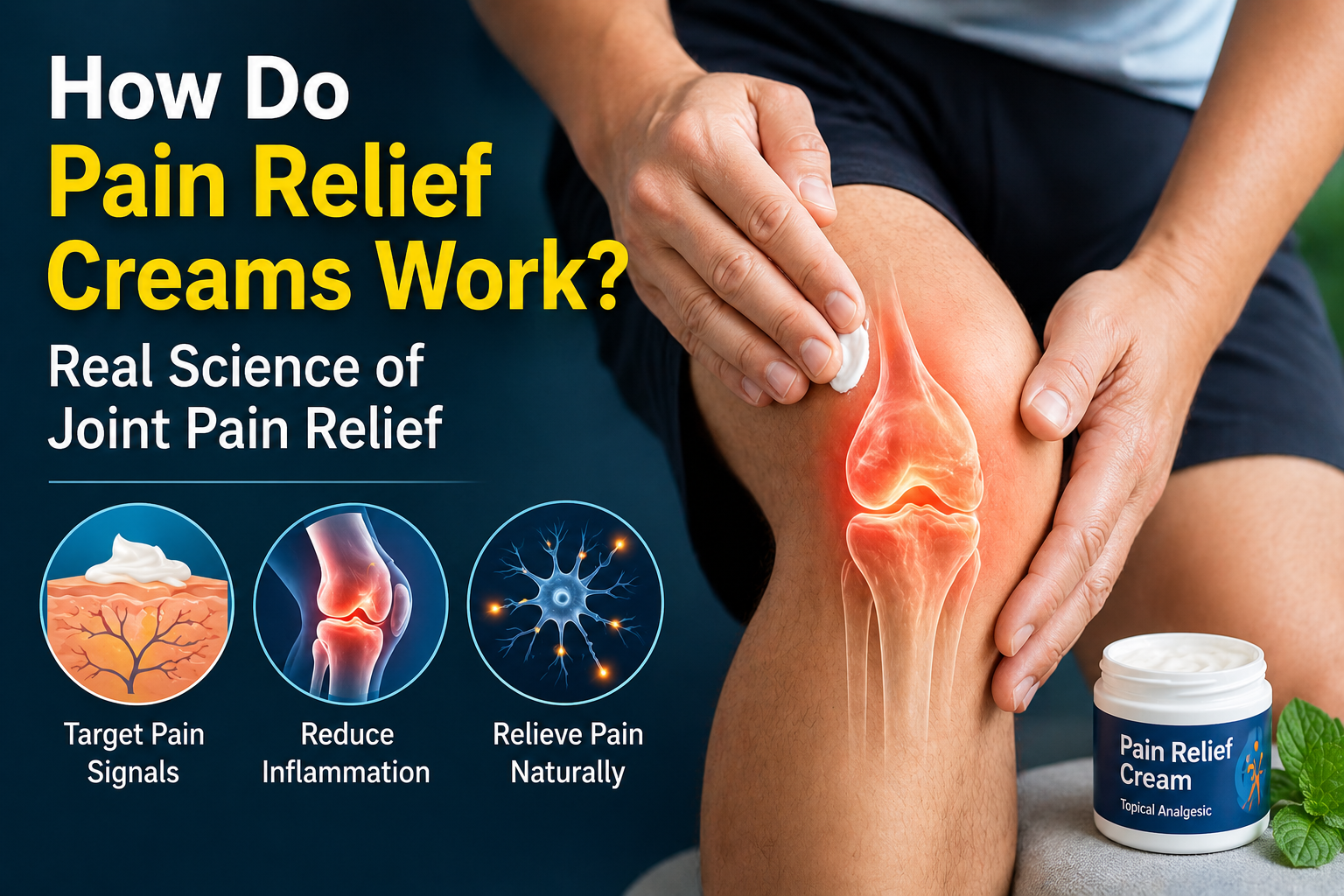
Joint pain can turn everyday movement into a slow and frustrating task. Many people reach for a tube of cream before they consider pills. But how do pain relief creams work, and why do they often feel fast and effective?
This article explains the real science behind topical joint pain treatment in a clear, structured, and practical way. You will understand how these creams interact with your skin, nerves, and brain, and how the topical analgesic mechanism actually reduces pain.
Table of Contents
What Are Pain Relief Creams?
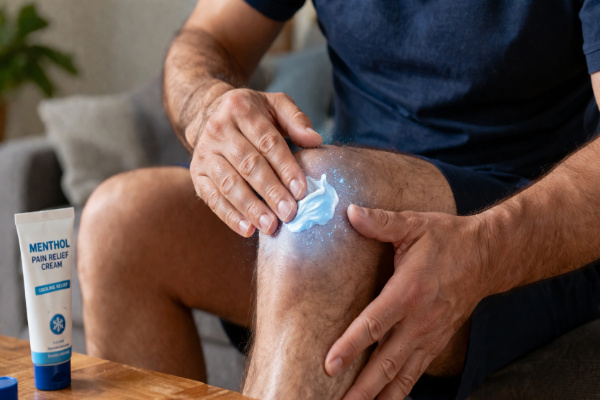
Pain relief creams, also known as topical analgesics, are medications applied directly to the skin over painful areas. Unlike oral drugs, they act locally. They target the specific area instead of circulating throughout the entire body.
These creams contain active ingredients such as menthol, capsaicin, salicylates, and nonsteroidal anti inflammatory drugs. Each ingredient plays a different role in joint pain cream science.
When people ask how do pain relief creams work, the answer lies in how these ingredients interact with nerve endings and inflammation at the site of pain.
How Do Pain Relief Creams Work in the Body?
To understand how do pain relief creams work, you need to understand how pain signals travel.
Your skin contains sensory receptors connected to nerves. These nerves send signals to the brain when they detect damage or inflammation. Joint pain often results from inflammation in tissues around the joint.
Pain relief creams interfere with this process. They either block the pain signals, reduce inflammation, or change how the brain interprets those signals.
This process forms the foundation of topical analgesic mechanism.
Topical Analgesic Mechanism Explained
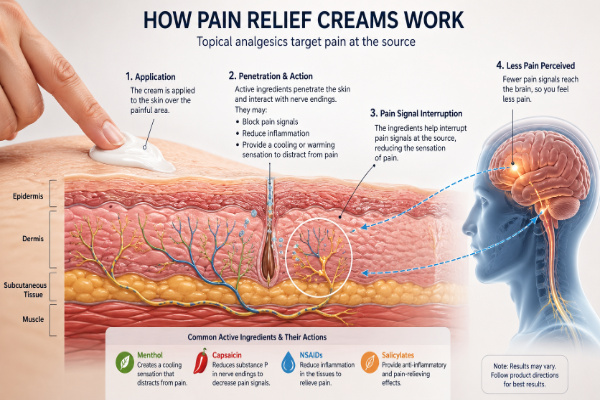
The topical analgesic mechanism works through three main pathways.
The first pathway involves counterirritation. Ingredients such as menthol stimulate cold receptors in the skin. This creates a cooling sensation that distracts the brain from deeper pain signals.
The second pathway involves nerve desensitization. Capsaicin reduces the amount of substance P in nerve endings. Substance P plays a key role in transmitting pain signals. When its levels drop, pain signals weaken.
The third pathway targets inflammation. NSAID based creams reduce inflammation directly in the affected tissue. This approach addresses the source of pain rather than masking it.
Each pathway contributes to joint pain cream science and explains why different creams produce different results.
Menthol Joint Pain and Cooling Relief
Menthol joint pain creams remain extremely popular because they provide quick relief.
Menthol activates cold sensitive receptors known as TRPM8. These receptors send cooling signals to the brain. Even though the skin temperature does not actually drop, your brain perceives a cooling effect.
This sensation distracts the brain from pain. Researchers refer to this as counterirritation.
According to National Library of Medicine, menthol may also increase blood flow to the applied area. Improved circulation can help reduce stiffness and create a feeling of comfort.
However, menthol does not treat the underlying joint condition. It mainly changes how pain feels.
Capsaicin and Long Term Pain Reduction
Capsaicin works differently from menthol. It produces a warming sensation instead of a cooling one.
Capsaicin reduces substance P levels in nerve endings. With less substance P available, the nerves send fewer pain signals to the brain.
Research supported by Arthritis Foundation shows that capsaicin can help reduce pain from osteoarthritis when used regularly.
Unlike menthol, capsaicin requires consistent use. Most people notice results after several days or weeks rather than immediately.
NSAID Creams and Real Anti Inflammatory Action
NSAID based creams offer one of the most evidence backed approaches in joint pain cream science.
These creams contain ingredients such as diclofenac. They block enzymes called COX enzymes, which play a major role in inflammation.
By reducing inflammation, these creams address the source of pain rather than just masking it.
According to Mayo Clinic, topical NSAIDs can provide relief similar to oral NSAIDs for certain conditions, especially osteoarthritis in joints close to the skin.
These creams work best on areas like knees, hands, and elbows because the medication can reach the affected tissue more easily.
Transdermal Pain Relief vs Topical Relief
Many people confuse topical creams with transdermal pain relief systems.
Topical creams act locally. They affect the skin and nearby tissues where you apply them.
Transdermal systems deliver medication through the skin into the bloodstream. These act more like oral medications but use the skin as a delivery route.
Understanding this difference is important when evaluating results. Most over the counter creams focus on localized relief rather than full body treatment.
How Fast Do Pain Relief Creams Work?
The speed of relief depends on the active ingredient.
Menthol based creams often work within minutes because they stimulate sensory receptors immediately.
Capsaicin creams require repeated use over time. They gradually reduce pain intensity.
NSAID creams may take several applications to show full effects, although some people feel relief within hours.
Consistency plays a major role. Regular use improves results significantly.
Are Pain Relief Creams Effective?
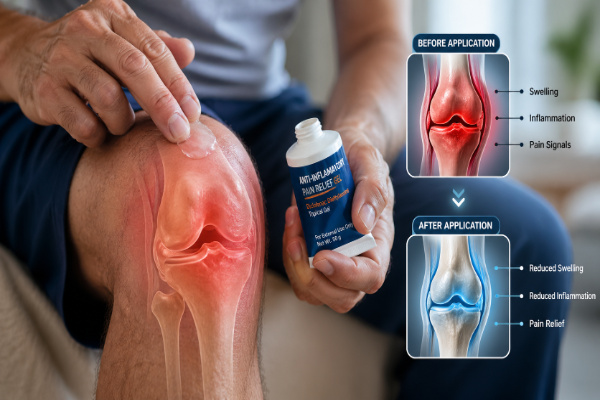
Yes, pain relief creams can be effective, but their results depend on the type of pain and the product used.
They work best for mild to moderate joint pain, muscle soreness, and localized inflammation.
They are less effective for deep joint damage or severe conditions that require medical treatment.
Clinical evidence strongly supports topical NSAIDs and capsaicin. Menthol based creams provide short term relief and improve comfort.
The placebo effect can also influence results. When you expect relief, your brain may reduce pain perception. This effect works alongside the actual pharmacological action.
If you are comparing real product performance, this detailed guide on Insta Soothe vs Balmorex 2026: Best Joint Pain Cream Comparison That Works Fast breaks down which formula delivers faster relief.
Why Topical Creams Feel So Effective
The effectiveness of pain relief creams comes from both physical and neurological factors.
When you apply a cream, you massage the area. This stimulates pressure receptors in the skin. These signals compete with pain signals and reduce their intensity.
This concept aligns with the gate control theory of pain. Non painful input can block or reduce painful input.
The combination of chemical action and physical touch enhances the overall relief experience.
Safety and Side Effects
Pain relief creams are generally safe when used correctly, but they can still cause side effects.
Skin irritation is the most common issue. Capsaicin may cause a burning sensation during early use. Menthol can cause redness or sensitivity in some people.
NSAID creams can enter the bloodstream in small amounts. People who take oral NSAIDs or have certain medical conditions should use caution.
The U.S. Food and Drug Administration recommends following usage instructions and avoiding application on damaged skin.
Using multiple creams at the same time can increase the risk of irritation. Always follow product guidelines.
When Should You Use Pain Relief Creams?
Pain relief creams work best in specific situations.
They help after exercise when muscles feel sore. They also work well for mild arthritis pain, especially in joints near the surface of the skin.
They provide temporary relief during flare ups and allow better movement.
However, persistent or severe pain requires medical evaluation. Creams should not replace proper diagnosis or treatment.
Tips for Better Results
Proper use improves effectiveness.
Apply the cream to clean, dry skin. Massage it gently into the affected area. Wash your hands after application, especially when using capsaicin products.
Use the cream consistently rather than occasionally. Regular application helps maintain relief.
Set realistic expectations. These creams reduce pain but do not cure underlying joint conditions.
The Future of Joint Pain Cream Science
Research continues to improve topical treatments.
Scientists are developing better delivery systems to enhance skin absorption. New formulations aim to combine multiple mechanisms in a single product.
Advances in transdermal pain relief may also expand treatment options in the future.
For now, understanding how do pain relief creams work helps you choose the right product and use it effectively.
Frequently Asked Questions
How do pain relief creams work on joint pain?
Pain relief creams work by interacting with nerve endings in the skin and reducing pain signals sent to the brain. If you are wondering how do pain relief creams work for joint pain, they either create cooling or warming sensations, block pain signals, or reduce inflammation in the affected area.
How do pain relief creams work compared to oral painkillers?
When people ask how do pain relief creams work versus oral medications, the key difference is location. Creams act directly on the painful area, while oral painkillers work throughout the entire body. This makes topical creams a safer option for localized pain with fewer systemic side effects.
How do pain relief creams work instantly after application?
Many users notice quick relief and wonder how do pain relief creams work so fast. Ingredients like menthol stimulate cold receptors in the skin, creating an instant cooling effect. This distracts the brain from pain signals, giving fast but temporary relief.
How do pain relief creams work for inflammation and arthritis?
If you are asking how do pain relief creams work for inflammation, certain creams contain NSAIDs like diclofenac. These ingredients reduce inflammation at the source, which helps relieve arthritis pain more effectively than simple cooling creams.
How do pain relief creams work with regular use over time?
Some people want to know how do pain relief creams work with long term use. Ingredients like capsaicin gradually reduce pain by lowering substance P in nerve endings. With consistent application, this can lead to lasting pain relief rather than just temporary comfort.
Final Thoughts
So, how do pain relief creams work?
They reduce pain by interacting with nerve signals, decreasing inflammation, and altering how your brain perceives discomfort. Some ingredients provide instant sensory relief, while others work gradually at the biological level.
Topical joint pain treatment offers a practical and accessible solution for many people. While it does not cure underlying conditions, it provides meaningful relief when used correctly.
Understanding the topical analgesic mechanism and the science behind these creams allows you to make better decisions and manage joint pain more effectively.
Sources
U.S. Food and Drug Administration
Author Bio
Jennifer Collins is a wellness researcher and natural health writer focused on adults over 40. With 3+ years of experience in digital health content, Jennifer specializes in making science-backed nutrition and lifestyle strategies easy to follow and apply.
Health Disclaimer
This content is for informational purposes only and is not intended to diagnose, treat, or cure any disease. Always consult your healthcare provider before making changes to your diet or health