

The relationship between keto diet and joint pain has gained significant attention as more people explore low carbohydrate eating patterns for weight loss, metabolic health, and chronic inflammation management. Joint discomfort affects millions of adults worldwide, especially those dealing with arthritis, obesity, autoimmune conditions, or age related wear and tear. At the same time, ketogenic diets have become one of the most researched nutrition trends in modern health science.
A ketogenic diet focuses on drastically reducing carbohydrate intake while increasing healthy fats and maintaining moderate protein consumption. This metabolic shift encourages the body to enter ketosis, a state where fat becomes the primary fuel source instead of glucose. Researchers continue to investigate whether this dietary approach may influence inflammatory markers, pain perception, body weight, and joint function.
Many people ask, does keto help joint pain in real life or is it simply another internet wellness trend. The answer is more nuanced than a simple yes or no. Some individuals report reduced stiffness, improved mobility, and lower inflammation after adopting ketogenic eating patterns. Others experience temporary side effects, nutrient imbalances, or worsening discomfort during dietary transitions.
Understanding the benefits and limitations of ketogenic nutrition is important before making major dietary changes, especially for people with osteoarthritis, rheumatoid arthritis, gout, or chronic inflammatory conditions. This article explores the science behind ketosis, inflammation, joint health, and arthritis while examining both the potential advantages and the possible drawbacks.
Understanding the ketogenic diet and how it works
A ketogenic diet is a very low carbohydrate, high fat eating plan designed to trigger ketosis. Normally, the body uses glucose from carbohydrates as its primary energy source. When carbohydrate intake drops significantly, usually below 50 grams per day, the liver begins producing ketone bodies from fat to fuel the brain and body.
Common foods in ketogenic diets include eggs, fish, meat, nuts, seeds, olive oil, avocados, cheese, and low carbohydrate vegetables. Foods such as bread, rice, pasta, sugary beverages, pastries, and many processed snacks are typically restricted.
Scientists from the National Institutes of Health explain that ketosis may influence several biological pathways linked to inflammation, insulin resistance, and oxidative stress. These factors are closely connected to joint degeneration and inflammatory diseases. Weight reduction associated with ketogenic eating may also lower mechanical pressure on weight bearing joints such as the knees, hips, and lower back.
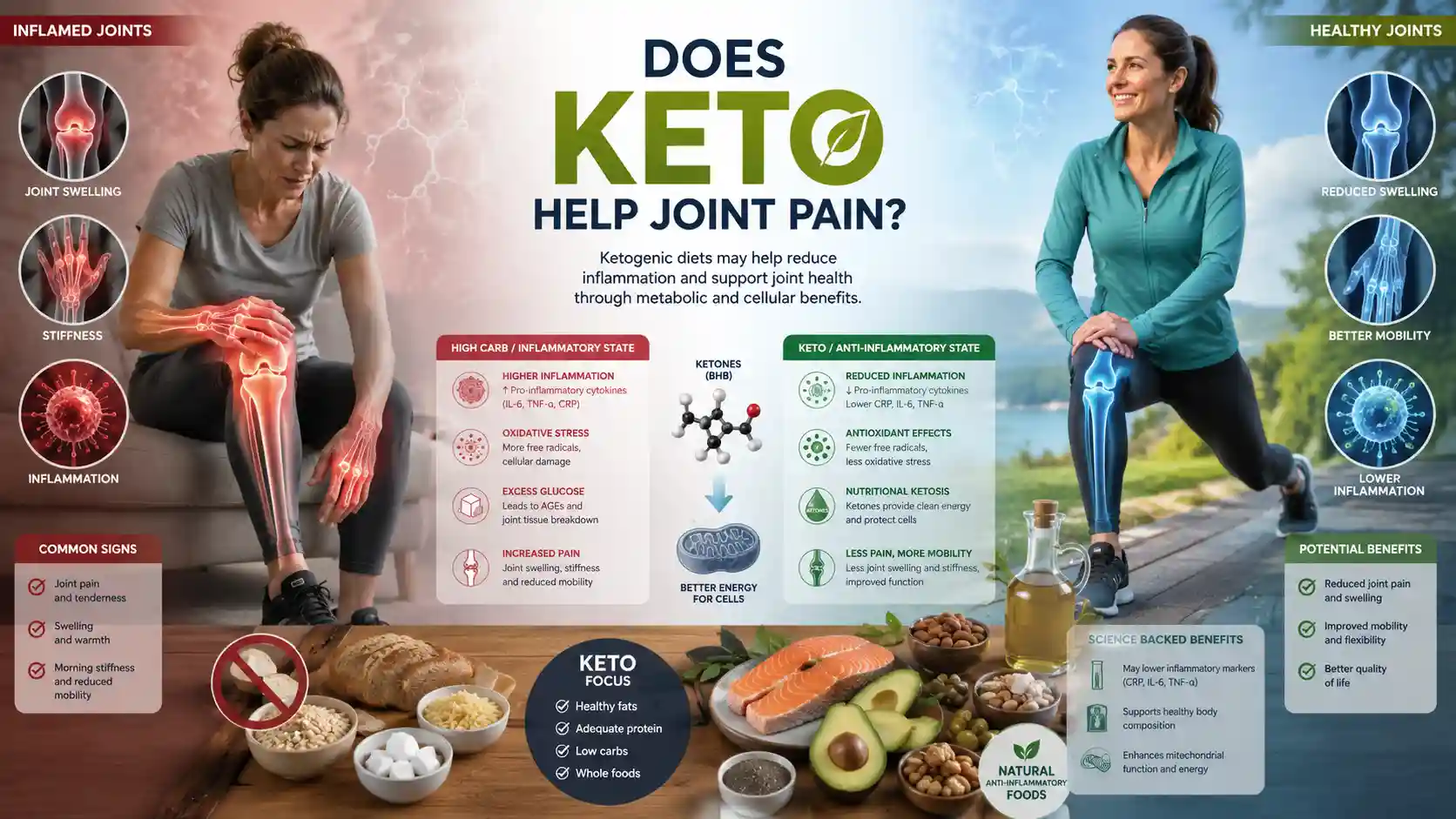
However, ketogenic diets are not identical for everyone. Some people follow clean ketogenic plans rich in vegetables and healthy fats, while others rely heavily on processed meats and saturated fats. Diet quality matters significantly when evaluating long term health effects.
Why inflammation plays a major role in joint pain
Inflammation is the body’s natural immune response to injury, infection, or stress. Acute inflammation helps healing, but chronic inflammation may contribute to persistent pain and tissue damage. Conditions such as rheumatoid arthritis, lupus, and psoriatic arthritis involve inflammatory arthritis pathways that affect joints and surrounding tissues.
Researchers from Harvard Medical School and the Centers for Disease Control and Prevention have linked chronic inflammation with obesity, poor dietary patterns, insulin resistance, and sedentary lifestyles. These factors can increase swelling, joint stiffness, and discomfort in joints over time.
The concept of a keto diet for inflammation has become popular because ketogenic eating may reduce blood sugar regulation issues and insulin fluctuations. Elevated insulin levels are associated with inflammatory responses in some individuals. Certain studies also suggest that ketone bodies may influence inflammatory signaling molecules in the body.
Still, inflammation is complex and highly individual. Dietary changes alone rarely solve chronic joint conditions completely. Exercise, sleep quality, stress management, medical treatment, and genetics all influence inflammatory health.
Potential benefits of keto diet and joint pain management
Reduced body weight and lower joint stress
One of the most evidence supported advantages of ketogenic eating is weight loss. Excess body weight places additional mechanical stress on weight bearing joints, particularly the knees and hips. According to the Arthritis Foundation, even modest weight reduction may significantly decrease pressure on joints during movement.
For every pound of body weight lost, knee joints may experience several pounds less stress during walking, climbing stairs, or physical activity. This reduction can improve joint mobility and lower discomfort in daily life.
People who lose weight through ketogenic eating sometimes notice improved flexibility and reduced stiffness. This may partly explain why some individuals believe keto diet and joint pain are positively connected.
Improved blood sugar regulation
High blood sugar and metabolic dysfunction can worsen inflammation throughout the body. Individuals with metabolic syndrome or type 2 diabetes often experience increased inflammatory activity that may contribute to joint discomfort and chronic pain management challenges.
Ketogenic diets can improve blood sugar regulation in some people by limiting carbohydrate intake. Stable glucose levels may reduce inflammatory stress and improve overall metabolic health.
This relationship has encouraged researchers to explore whether does keto help joint ache through indirect metabolic improvements rather than direct pain reduction alone.
Possible anti inflammatory effects of ketones
Ketones are not only fuel molecules. Emerging research suggests they may also influence immune system signaling. Some studies indicate that beta hydroxybutyrate, one of the primary ketones produced during ketosis, may reduce activation of certain inflammatory pathways and inflammatory markers.
This has increased interest in the role of keto diet for inflammation in conditions associated with autoimmune disease and chronic immune activation. Researchers continue investigating whether ketogenic diets could support symptom management for inflammatory disorders.
Although findings are promising, experts caution that many studies remain preliminary or involve small participant groups. More long term clinical research is still needed.
Better energy levels and mobility
Some people following ketogenic diets report more stable energy levels after adapting to ketosis. Reduced fatigue may encourage increased physical activity, which can strengthen muscles surrounding joints and improve flexibility.
Low impact movement such as swimming, stretching, walking, and cycling often helps maintain connective tissue health. When individuals feel more energetic, they may become more consistent with exercise routines that support long term mobility.
Risks and drawbacks of ketogenic diets for joint health
Temporary increase in discomfort during adaptation
During the first few weeks of ketosis, many people experience symptoms commonly called the keto flu. These symptoms can include fatigue, headaches, dehydration, dizziness, muscle cramps, and body aches.
Some individuals may temporarily notice worsening soreness during this adjustment period. Electrolyte imbalances involving sodium, magnesium, and potassium may contribute to muscle and joint discomfort.
This early phase sometimes causes confusion among people asking does keto help joint pain because short term experiences may differ from longer term outcomes.
Nutrient deficiencies and restricted food variety
Poorly planned ketogenic diets may limit important nutrients required for bone and joint health. Calcium, vitamin D, magnesium, fiber, vitamin C, and antioxidants are essential for tissue support and immune balance.
Restricting fruits, whole grains, and certain vegetables may reduce intake of beneficial plant compounds associated with lower inflammation. A heavily processed ketogenic diet high in unhealthy fats may create additional health concerns over time.
Healthcare professionals often recommend carefully structured meal planning with nutrient dense foods and anti inflammatory foods to avoid nutritional deficiencies while maintaining ketosis safely.
Concerns for people with gout
Gout is a form of inflammatory arthritis caused by uric acid crystal buildup in joints. Some evidence suggests ketogenic diets may temporarily raise uric acid levels during early adaptation stages.
This increase could potentially trigger gout flare ups in susceptible individuals. People with a history of gout should consult healthcare providers before starting ketogenic diets.
This issue is particularly relevant when discussing the pros and cons of keto diet for arthritis because not all forms of arthritis respond similarly to dietary interventions.
Long term sustainability challenges
Strict carbohydrate restriction can be difficult to maintain for extended periods. Social eating situations, travel, family habits, and food cravings may create challenges for long term adherence.
Some individuals eventually regain weight after discontinuing ketogenic diets, which may reduce potential joint related benefits. Sustainable low carb nutrition patterns often matter more than short term dietary trends.
Keto diet and joint ache research in osteoarthritis and rheumatoid arthritis
Osteoarthritis is the most common form of arthritis and usually develops through cartilage degeneration and joint wear over time. Rheumatoid arthritis is an autoimmune disease involving chronic immune driven inflammation.
Research examining ketogenic diets in arthritis remains limited but growing. Some studies suggest weight loss and reduced inflammation may improve arthritis symptoms in osteoarthritis patients. Lower body weight may decrease mechanical stress on damaged joints, particularly in the knees.
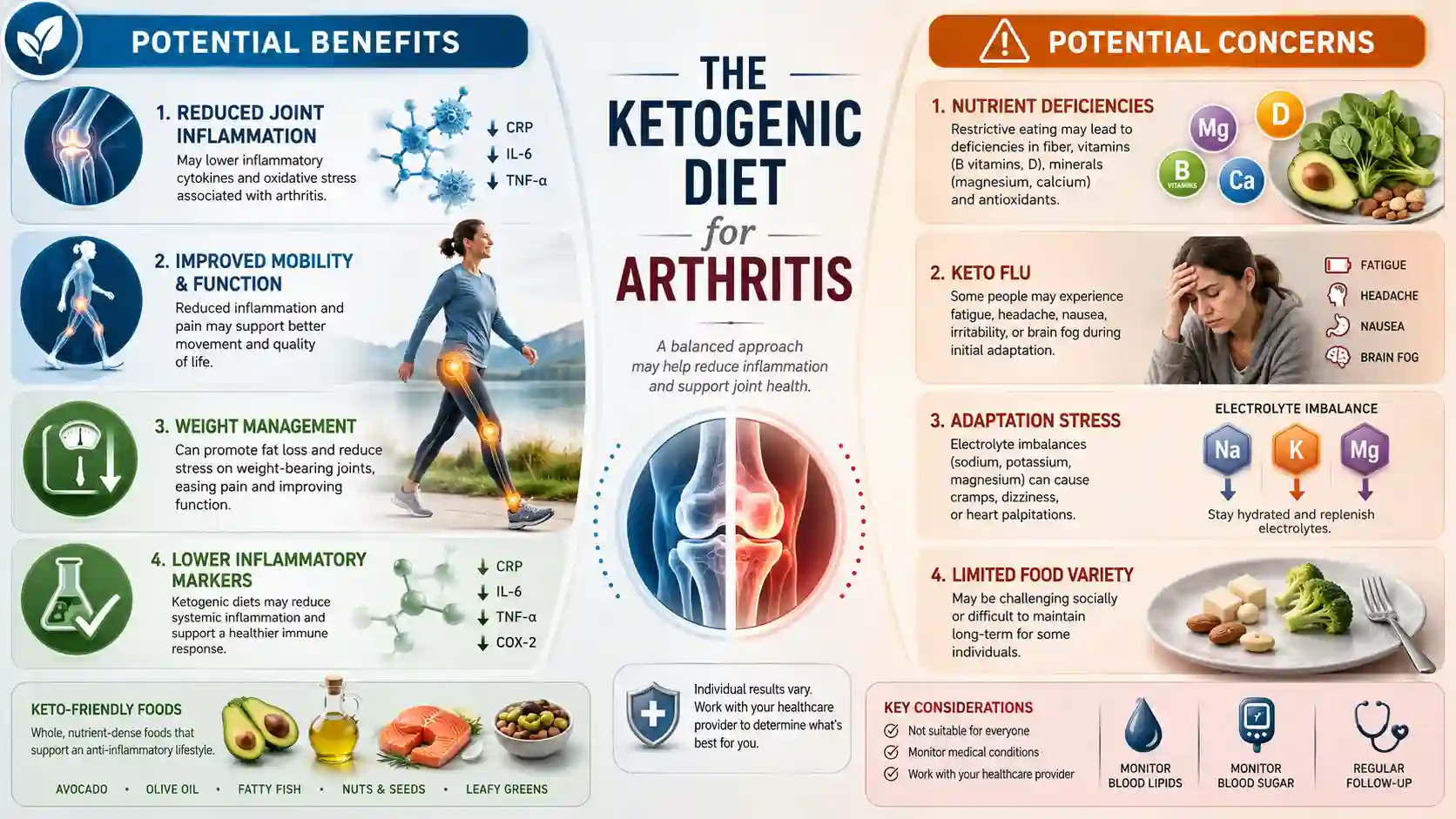
Researchers are also studying whether a ketogenic diet for arthritis pain relief may help some individuals by lowering inflammation and supporting better metabolic balance. For rheumatoid arthritis, scientists are exploring whether metabolic changes during ketosis influence immune activity. However, evidence remains insufficient to recommend ketogenic diets as a primary treatment.
Medical experts generally agree that ketogenic nutrition should not replace prescribed medications or physical therapy for arthritis management. Instead, it may serve as one component of a broader lifestyle strategy under professional supervision.
The discussion around pros and cons of ketogenic nutrition for arthritis continues because responses vary widely among individuals. Factors such as age, medication use, disease severity, genetics, and overall dietary quality all influence outcomes.
Foods that may support joint health during ketosis
Choosing nutrient dense foods is critical when following ketogenic eating patterns for joint support. High quality ketogenic diets should prioritize anti inflammatory ingredients and balanced nutrition.
Helpful ketogenic friendly foods may include:
Fatty fish
Salmon, sardines, and mackerel provide omega 3 fatty acids associated with reduced inflammation and improved cardiovascular health.
Olive oil and avocados
These foods contain healthy fats and antioxidant compounds that may support inflammatory balance.
Low carbohydrate vegetables
Leafy greens, broccoli, cauliflower, zucchini, and peppers provide vitamins, minerals, and antioxidants important for tissue health.
Nuts and seeds
Walnuts, chia seeds, flaxseeds, and almonds contain beneficial fats, magnesium, and fiber.
Bone broth and collagen rich foods
Some people use collagen rich foods to support connective tissue health, although evidence regarding direct joint repair remains mixed.
Maintaining hydration and electrolyte balance is equally important during ketosis to reduce muscle cramps and discomfort.
Who should avoid ketogenic diets for joint pain
Ketogenic diets are not appropriate for everyone. Certain medical conditions require careful monitoring or complete avoidance of strict carbohydrate restriction.
People who should seek medical guidance before starting ketogenic diets include:
Individuals with kidney disease
High protein intake associated with some ketogenic plans may create additional strain in certain kidney conditions.
People with liver disorders
The liver plays a major role in ketone production and fat metabolism.
Individuals with eating disorder history
Highly restrictive eating patterns may trigger unhealthy behaviors in susceptible individuals.
Pregnant or breastfeeding women
Nutritional needs during pregnancy and lactation are complex and require professional supervision.
People taking diabetes medications
Blood sugar levels may change rapidly during carbohydrate restriction, requiring medication adjustments.
Practical tips for safer ketogenic eating
People interested in trying ketogenic diets for joint support should focus on gradual, balanced, and medically informed approaches.
Prioritize whole foods
Choose minimally processed foods rich in nutrients instead of relying heavily on processed meats or packaged snacks.
Monitor hydration and electrolytes
Adequate water, sodium, potassium, and magnesium intake may reduce keto related discomfort.
Include fiber rich vegetables
Low carbohydrate vegetables support digestion and provide antioxidants important for immune function.
Avoid excessive saturated fat intake
Experts recommend balancing fat sources with olive oil, nuts, seeds, and fatty fish rather than depending entirely on processed animal fats.
Combine nutrition with movement
Exercise strengthens muscles supporting joints and improves flexibility. Diet alone rarely solves chronic pain conditions. A balanced approach combining movement with a low carbohydrate diet and inflammation control strategies may provide better long term results.
Conclusion
The growing interest in keto diet and joint pain reflects broader efforts to understand how nutrition affects inflammation, mobility, and chronic disease management. Scientific evidence suggests ketogenic eating may offer benefits for some individuals through weight reduction, improved blood sugar regulation, and possible anti inflammatory effects.
At the same time, ketogenic diets also carry limitations and risks. Nutrient deficiencies, adaptation side effects, sustainability challenges, and concerns for certain medical conditions require careful consideration. The answer to does keto help joint inflammation depends heavily on individual health status, dietary quality, and long term lifestyle habits.
Also Read: Heat vs ice for joint pain: 9 evidence based ways to choose the right relief
Current research on anti-inflammatory keto diet continues evolving, especially regarding autoimmune diseases and arthritis. While some individuals experience reduced discomfort and improved mobility, ketogenic diets should not replace professional medical care or evidence based arthritis treatments.
Understanding the pros and cons of keto diet for arthritis allows individuals to make more informed decisions with healthcare guidance. A balanced, nutrient dense, and sustainable approach to nutrition remains one of the most important foundations for long term joint health.
Sources and References
National Institutes of Health
Harvard Medical School
Centers for Disease Control and Prevention
Arthritis Foundation
Mayo Clinic
FAQs
Does keto help joint pain caused by excess body weight?
In some individuals, reducing body weight through ketogenic eating may decrease stress on weight bearing joints such as the knees and hips. Lower body weight can improve mobility and reduce pressure during movement. However, joint pain has many causes beyond weight alone, including autoimmune disease, injury, aging, and inflammation. Results vary depending on overall health, exercise habits, and long term dietary quality.
Can a keto diet for inflammation improve morning stiffness?
Some people report reduced morning stiffness after lowering sugar intake and improving metabolic health through ketogenic eating. Stable blood sugar levels and reduced processed food intake may support inflammatory balance in certain individuals. However, chronic inflammatory diseases involve complex immune pathways, so dietary changes may help symptom management without completely eliminating stiffness or swelling.
What are the overlooked pros and cons of keto diet for arthritis?
One overlooked benefit is that ketogenic diets may encourage people to reduce processed food consumption and improve weight management. A lesser discussed drawback is that strict carbohydrate restriction may reduce intake of fiber rich plant foods if meals are poorly planned. Long term sustainability and nutritional adequacy remain important concerns for arthritis patients considering ketogenic nutrition.
Why do some people experience pain during early ketosis?
Early ketosis may cause dehydration and electrolyte imbalances involving sodium, potassium, and magnesium. These shifts can lead to muscle cramps, fatigue, or temporary body aches sometimes mistaken for worsening joint problems. Proper hydration and balanced mineral intake may reduce these adaptation related symptoms during the transition period.
Can low carbohydrate diets affect inflammatory markers differently in autoimmune conditions?
Autoimmune diseases vary significantly between individuals. Some people notice improvements in fatigue and inflammation related symptoms after reducing refined carbohydrates and sugar intake. Others may experience little change or difficulty maintaining strict dietary restrictions. Researchers continue studying how metabolic changes influence immune system activity in autoimmune arthritis conditions.
Are anti inflammatory fats important in ketogenic nutrition?
Yes, the quality of fats matters significantly. Olive oil, avocados, fatty fish, nuts, and seeds provide healthier fat sources associated with better inflammatory balance. Diets heavily based on processed meats and unhealthy fats may not provide the same benefits. Nutrient dense ketogenic eating patterns are generally considered more supportive for overall health.
Can ketogenic eating improve mobility even without major pain reduction?
Yes, some individuals report improved energy levels, flexibility, and movement after adapting to ketosis. Better energy may encourage regular exercise and physical activity, both of which support joint stability and muscle strength. Increased mobility can improve quality of life even if complete pain relief does not occur.
Author Bio
Jennifer Collins is a wellness researcher and natural health writer focused on adults over 40. With 3+ years of experience in digital health content, Jennifer specializes in making science-backed nutrition and lifestyle strategies easy to follow and apply.
Health Disclaimer
This content is for informational purposes only and is not intended to diagnose, treat, or cure any disease. Always consult your healthcare provider before making changes to your diet or health