
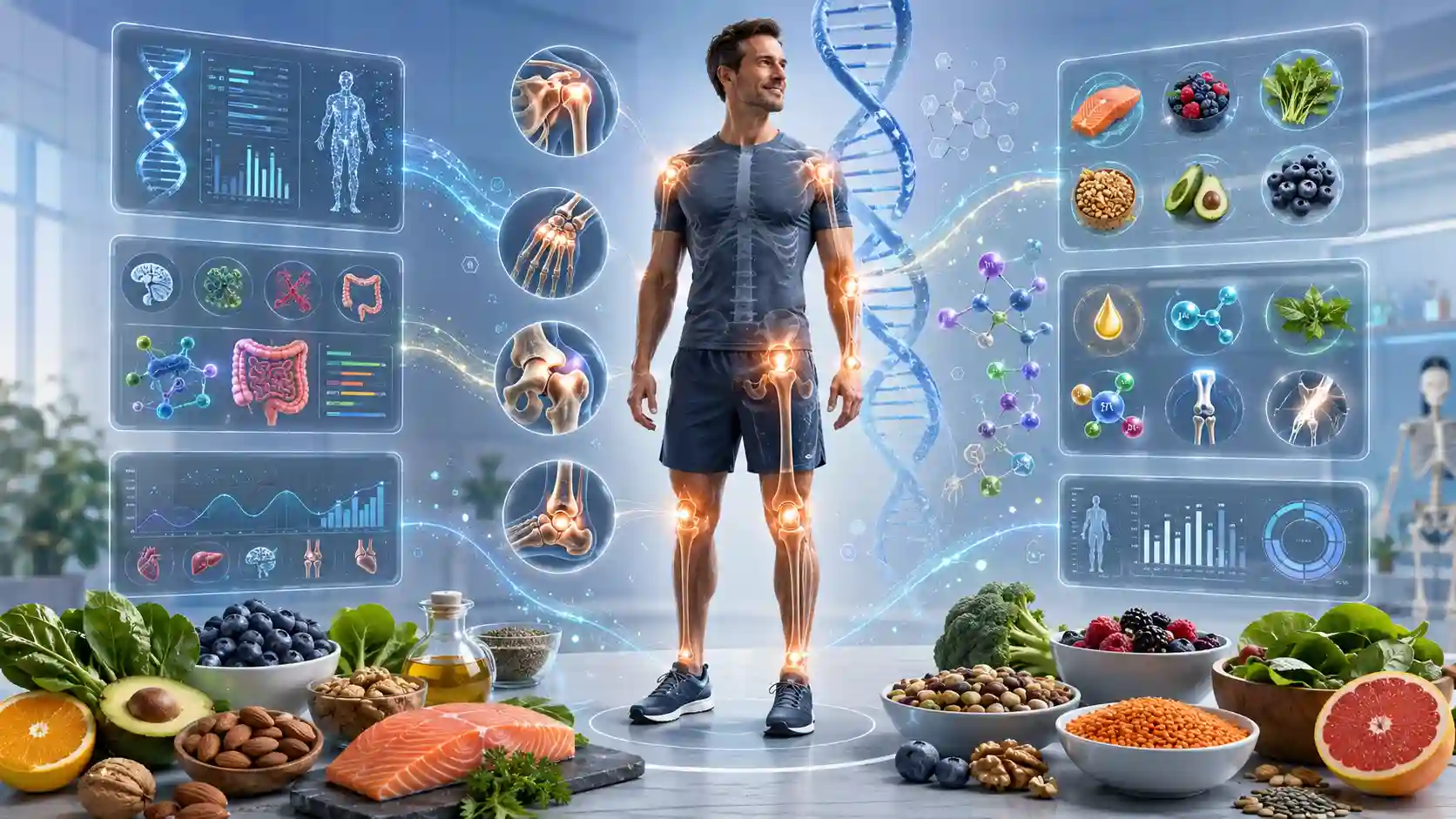
Joint health is influenced by many factors, including age, physical activity, body weight, lifestyle habits, and nutrition. In recent years, advances in genetics have introduced a new concept that is attracting attention from researchers and healthcare professionals alike: personalized nutrition for joint health. Rather than relying on generalized dietary advice, personalized nutrition aims to tailor nutritional recommendations based on an individual’s unique biological characteristics, including genetic variations.
The idea behind this approach is simple. People process nutrients differently, respond to inflammation differently, and may have varying nutritional needs based on their genetic makeup. By understanding these differences through modern scientific tools, individuals may be able to make more informed dietary decisions that support healthy joints and overall well being.
Although the field is still evolving, growing research suggests that combining genetics, lifestyle factors, and nutritional science could provide a more individualized framework for maintaining mobility and supporting healthy aging. This article explores the science behind DNA guided nutrition, its potential role in joint care, current limitations, and what consumers should know before adopting this emerging approach.
This emerging field is often referred to as precision nutrition, a branch of nutrigenomics that examines the interaction between genes and nutrients. Researchers believe that genomic nutrition may eventually help create more effective and individualized dietary recommendations for long term wellness.
Understanding the connection between nutrition and joint health
Joints are complex structures composed of cartilage, bone, ligaments, tendons, synovial fluid, and connective tissues. These components require a steady supply of nutrients to maintain their function and structural integrity.
Several nutrients have been linked to joint maintenance, including vitamin D, vitamin C, omega 3 fatty acids, protein, magnesium, and various antioxidants. Research from the National Institutes of Health and other scientific organizations suggests that nutritional patterns can influence inflammatory processes, tissue repair, and musculoskeletal health.
Inflammation plays a particularly important role. While acute inflammation is a natural protective response, chronic low grade inflammation may contribute to discomfort, stiffness, and age related decline in joint function. This is one reason why many researchers continue investigating the benefits of an Joint-focused anti-inflammatory nutrition plan as part of broader wellness strategies.
Dietary choices alone cannot prevent all joint problems, but they may influence factors associated with long term joint resilience and mobility.
Maintaining connective tissue health requires adequate nutrition throughout life. Scientists continue to investigate how dietary patterns influence musculoskeletal health, tissue repair, and overall mobility support.
What is a DNA-based diet?
A DNA-based diet refers to nutritional recommendations developed using information from genetic testing. The goal is to understand how inherited genetic variations may affect nutrient metabolism, food sensitivities, inflammatory responses, and other biological functions related to health.
Scientists study small genetic differences known as single nucleotide polymorphisms. These variations can influence how individuals absorb vitamins, metabolize fats, process carbohydrates, or respond to specific dietary patterns.
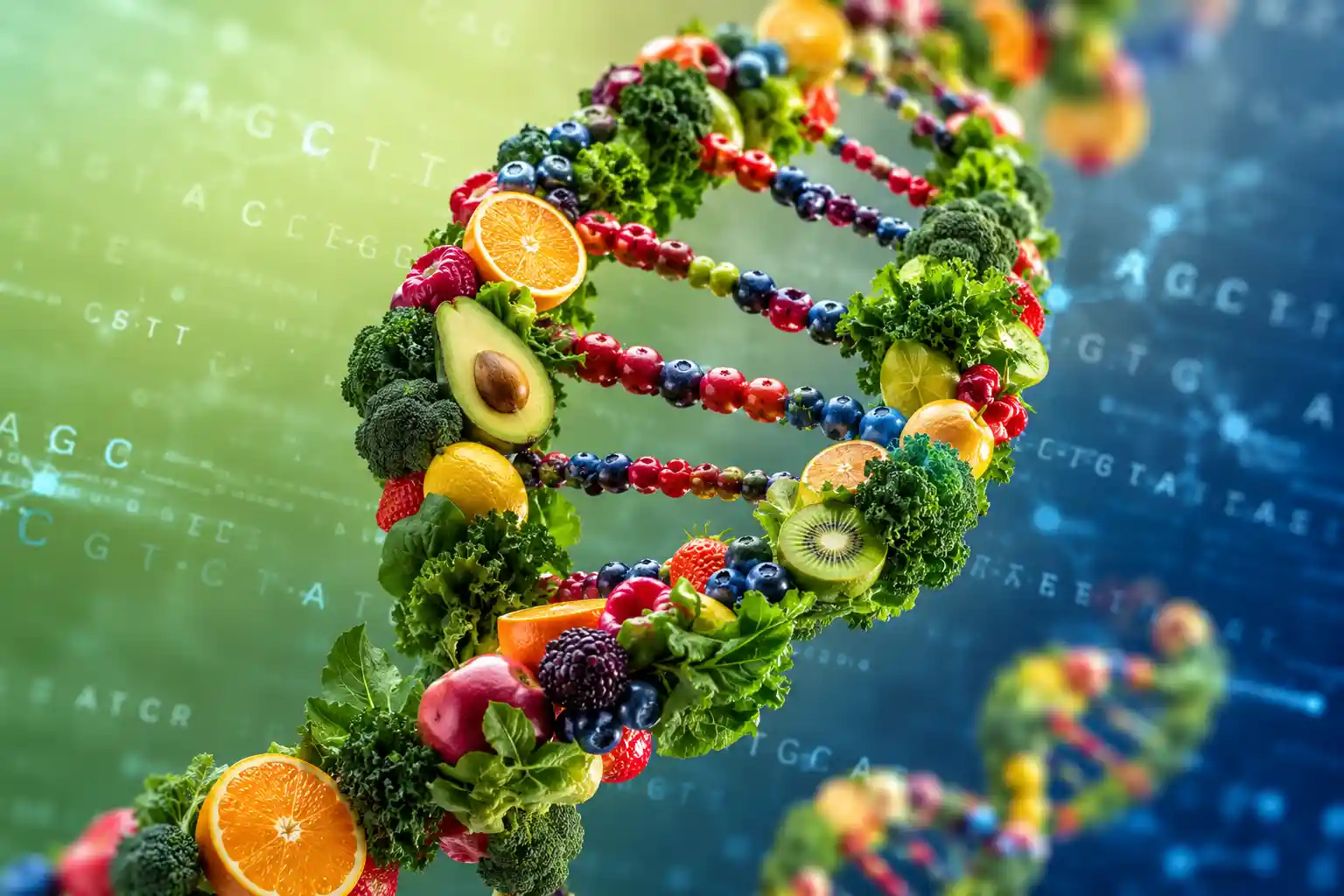
A Personalized genetic diet does not claim to predict future disease with certainty. Instead, it provides insights that may help create more individualized nutrition strategies. For example, some people may require higher amounts of certain nutrients due to differences in absorption or metabolism.
Researchers continue to examine how genetic information can be integrated with lifestyle data, medical history, and dietary habits to create more precise nutrition recommendations.
Many DNA focused approaches examine genetic variations that influence nutrient metabolism and may affect individual responses to different foods and nutrients.
The role of genetic nutrition testing in personalized nutrition and wellness
One of the foundations of modern precision nutrition is genetic nutrition testing. These tests analyze specific genetic markers associated with nutrient utilization, metabolism, and health related traits.
Through genetic nutrition testing, scientists may identify variations connected to vitamin D metabolism, folate processing, lactose tolerance, caffeine sensitivity, and inflammatory pathways. Such information can help healthcare providers and nutrition professionals develop more customized dietary recommendations.
However, experts emphasize that genes represent only one piece of the puzzle. Environmental influences, exercise habits, sleep quality, stress levels, and overall dietary patterns often have significant effects on health outcomes.
As a result, genetic nutrition testing should be viewed as a complementary tool rather than a complete solution. When combined with clinical evaluation and evidence based nutritional guidance, it may provide valuable insights for individuals seeking a more personalized approach to wellness.
Supporters of this approach view genetic information as one component of broader personalized wellness strategies that also consider lifestyle and environmental factors.
How genes may influence inflammation and joint function
Scientists have identified several genes associated with inflammatory responses and connective tissue health. While research remains ongoing, these findings provide clues about why some individuals respond differently to nutritional interventions.
Researchers continue exploring how certain genes affect inflammatory pathways, collagen synthesis, and mechanisms involved in maintaining joint structures throughout life.
Certain genetic variants may influence:
Cytokine production
Cytokines are signaling molecules that regulate immune activity and inflammation. Variations in genes related to cytokine production may affect how strongly the body responds to inflammatory triggers.
Collagen synthesis
Collagen is a major structural protein found in cartilage, tendons, and ligaments. Genetic differences may influence collagen production and maintenance, potentially affecting connective tissue characteristics.
Oxidative stress response
Oxidative stress occurs when free radicals exceed the body’s antioxidant defenses. Some genetic variants appear to affect antioxidant enzyme activity, influencing how efficiently cells manage oxidative damage.
Vitamin metabolism
Several genes are involved in processing nutrients that contribute to musculoskeletal health. Differences in these genes may affect nutrient requirements and utilization.
Understanding these biological mechanisms helps explain why individualized nutritional recommendations are gaining interest among researchers and healthcare professionals.
Personalized nutrition for joint health and precision dietary planning
The concept of personalized nutrition for joint health combines genetic information with traditional nutritional assessment. Rather than recommending identical dietary plans for everyone, practitioners evaluate multiple factors that may influence an individual’s nutritional needs.
Some experts describe this evolving model as DNA guided nutrition for healthy joints, where multiple biological factors are combined to create targeted nutrition strategies.
This approach may include:
- Genetic data
- Family health history
- Physical activity levels
- Body composition
- Existing dietary habits
- Medical history
- Laboratory assessments
The resulting recommendations often focus on improving overall dietary quality while addressing individual characteristics. For example, one person may benefit from increased omega 3 intake, while another may require greater attention to vitamin D status or antioxidant rich foods.
Importantly, personalized nutrition does not replace established healthy eating principles. Instead, it seeks to refine them using individual biological information.
Nutrients commonly associated with joint support
Researchers continue studying numerous nutrients that contribute to musculoskeletal function and connective tissue maintenance.
Several studies suggest that omega 3 fatty acids may contribute to maintaining inflammatory balance, while diets rich in colorful fruits and vegetables provide antioxidant rich foods that support overall health.
Omega 3 fatty acids
Omega 3 fatty acids found in fatty fish and certain plant foods have been widely studied for their role in supporting healthy inflammatory balance.
Vitamin D
Vitamin D supports bone health and muscle function. Low vitamin D status has been associated with various musculoskeletal concerns.
Vitamin C
Vitamin C plays an essential role in collagen synthesis and antioxidant protection.
Protein
Protein provides amino acids needed for tissue repair and maintenance throughout the body.
Magnesium
Magnesium contributes to hundreds of biochemical reactions, including those involved in muscle and nerve function.
Polyphenols
Naturally occurring compounds found in fruits, vegetables, tea, and other plant foods may support antioxidant defenses and healthy inflammatory responses.
These nutrients often appear in dietary strategies focused on long term mobility and healthy aging.
Can genetic data improve dietary recommendations?
The promise of precision nutrition lies in the possibility that individualized recommendations may produce better outcomes than generalized guidelines for some people.
Future advances in precision medicine may allow researchers to better understand how individuals respond to specific dietary interventions.
Several studies have suggested that personalized nutrition programs may improve dietary adherence because recommendations feel more relevant to the individual. People are often more motivated when advice reflects their unique biological characteristics.
A Genetics-based diet may also help identify areas where standard recommendations could be adjusted based on genetic traits. However, researchers caution that many gene diet relationships remain under investigation, and scientific understanding continues to evolve.
Current evidence suggests that genetics can contribute useful information, but successful health outcomes still depend heavily on consistent lifestyle behaviors.
The relationship between joint health supplements and personalized nutrition
Many individuals interested in precision nutrition also explore joint health supplements. Common ingredients include glucosamine, chondroitin, collagen peptides, omega 3 fatty acids, and various vitamins and minerals.
Research on Joint support supplements produces mixed findings depending on the ingredient, population studied, and outcome measured. Some supplements have demonstrated potential benefits in certain contexts, while others require additional investigation.
Personalized nutrition approaches may help determine whether nutritional gaps exist before considering supplementation. Rather than using supplements indiscriminately, individuals can focus on evidence based decisions supported by professional guidance.
The most effective strategy typically emphasizes nutrient rich foods first, with supplementation considered when appropriate.
Anti-inflammatory dietary patterns and genetic individuality
Interest in the anti-inflammatory diet for joints continues to grow due to the recognized role of inflammation in overall musculoskeletal wellness.
Researchers increasingly recognize that the gut microbiome plays an important role in digestion, immune regulation, and nutrient absorption, potentially influencing responses to dietary changes.
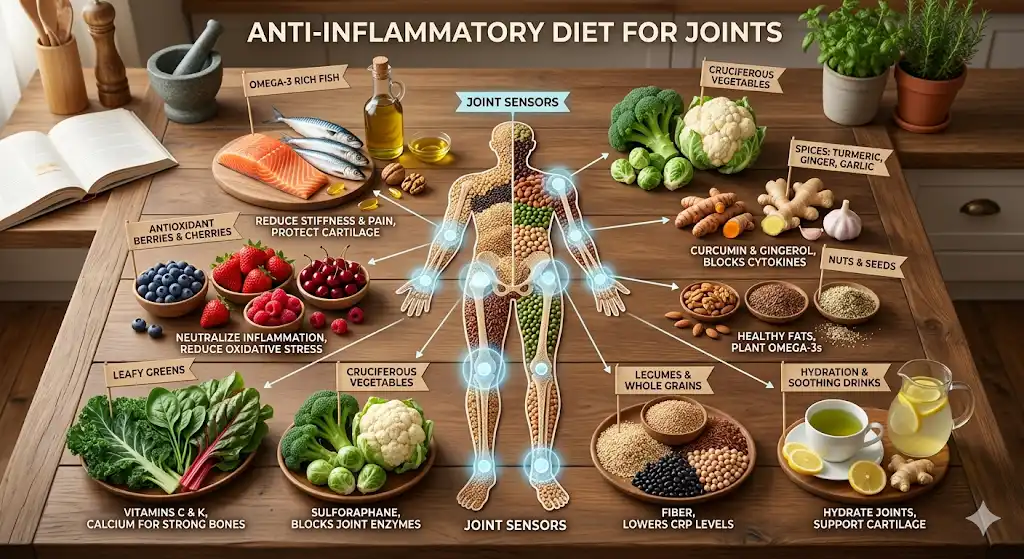
Common characteristics of an anti-inflammatory diet for joints include:
- Abundant fruits and vegetables
- Whole grains
- Legumes
- Nuts and seeds
- Fatty fish
- Olive oil
- Limited ultra processed foods
- Reduced intake of excess added sugars
Research suggests that these dietary patterns may support healthier inflammatory balance. Genetic factors may further influence how individuals respond to specific foods within these broader dietary frameworks.
This interaction between genes and nutrition represents one of the most promising areas of precision health research.
Current limitations of DNA guided nutrition
Despite growing enthusiasm, DNA guided nutrition faces important limitations.
Scientific complexity
Human health is influenced by thousands of genes interacting with environmental factors. Most traits cannot be explained by a single genetic variant.
Incomplete evidence
Many gene nutrient relationships require additional research before firm conclusions can be drawn.
Lifestyle influences
Diet quality, exercise, sleep, stress management, and smoking status often have stronger effects on health outcomes than isolated genetic factors.
Interpretation challenges
Genetic information can be complex and may require professional interpretation to avoid misunderstanding.
For these reasons, experts generally recommend viewing genetic insights as part of a broader health strategy rather than a standalone solution.
The future of precision nutrition and joint wellness
The future of precision nutrition appears promising. Advances in genomics, microbiome research, artificial intelligence, and metabolomics are expanding scientific understanding of individual nutritional responses.
Many experts believe that precision nutrition for mobility and aging will become increasingly sophisticated as genetic, metabolic, and lifestyle data become more integrated into healthcare systems.
Future personalized nutrition programs may combine:
- Genetic information
- Gut microbiome analysis
- Blood biomarkers
- Wearable health data
- Lifestyle tracking
- Advanced nutritional modeling
As research progresses, healthcare professionals may gain more sophisticated tools for creating individualized nutritional recommendations that support musculoskeletal health and healthy aging.
While many questions remain, the field continues moving toward a more personalized understanding of nutrition and wellness.
Practical considerations before trying personalized nutrition
Before pursuing a personalized nutrition program, consumers should consider several factors.
First, evaluate the scientific credibility of any testing method. Not all genetic services offer the same level of evidence or interpretation quality.
Second, remember that no test can replace foundational healthy habits. Balanced nutrition, regular physical activity, adequate sleep, and stress management remain essential.
Third, consult qualified healthcare professionals when interpreting genetic information. Personalized nutrition recommendations are most valuable when integrated with clinical expertise.
Finally, maintain realistic expectations. Genetics can provide useful insights, but they do not determine destiny. Lifestyle choices continue to play a major role in long term health outcomes.
Conclusion
As scientific understanding advances, personalized nutrition for joint health represents an intriguing development in preventive wellness and precision medicine. By combining genetic insights with evidence based nutrition principles, researchers hope to create more individualized strategies that support mobility, healthy aging, and overall quality of life.
Although a DNA-guided nutrition, genetic nutrition testing, carefully selected Joint nutrition supplements, and an Anti-inflammatory eating plan for joint health may offer valuable insights and support, current evidence suggests they work best when integrated into a comprehensive lifestyle approach. The future of personalized nutrition and diet for joint health will likely depend on continued research, improved technology, and a deeper understanding of how genes, nutrition, and environment interact to influence long term musculoskeletal wellness.
Sources and References
National Institutes of Health (NIH)
National Center for Biotechnology Information (NCBI)
Harvard T.H. Chan School of Public Health
Centers for Disease Control and Prevention (CDC)
FAQs
Can genetic nutrition testing reveal how my body responds to omega 3 fatty acids?
Genetic nutrition testing may provide insights into how your body processes and utilizes omega 3 fatty acids by examining specific genetic markers related to fat metabolism and inflammatory pathways. Some individuals may have genetic variations that influence how efficiently they convert or use certain fatty acids. However, genetics is only one factor affecting nutritional responses. Age, physical activity, overall diet quality, existing health conditions, and lifestyle habits also play important roles. While genetic information can help guide personalized nutrition decisions, it should be considered alongside other health factors rather than viewed as a definitive predictor of how your body will respond to omega 3 intake.
Why do some people respond differently to an anti-inflammatory diet for joints?
People often experience different results from an anti-inflammatory nutrition strategy for joint health because human biology is highly individualized. Genetics can influence inflammatory responses, nutrient metabolism, and how the body processes various foods. In addition, factors such as gut microbiome diversity, exercise habits, sleep quality, stress levels, age, and existing nutritional status can affect outcomes. Two individuals may follow the same eating plan yet experience different benefits because their bodies function differently. Researchers increasingly recognize that dietary responses are shaped by a combination of genetic and environmental influences, making personalized approaches an important area of ongoing nutritional research.
Can joint health supplements replace nutrient rich foods?
Joint wellness products can help address specific nutritional gaps, but they should not be considered a replacement for nutrient rich foods. Whole foods provide a wide range of vitamins, minerals, fiber, antioxidants, and naturally occurring compounds that work together to support overall health. Fruits, vegetables, whole grains, legumes, nuts, seeds, and healthy protein sources offer nutritional benefits that are difficult to replicate in a supplement form. While some supplements may be useful in certain situations, most experts recommend building a strong dietary foundation first. Supplements are generally most effective when used as part of a balanced eating pattern rather than as a substitute for healthy food choices.
Does a DNA-based diet identify future joint diseases?
A DNA-tailored eating plan is not designed to diagnose, predict, or confirm future joint diseases with certainty. Instead, it focuses on identifying genetic variations that may influence nutrient metabolism, inflammatory responses, and other biological processes related to health. These insights can help create more personalized nutrition and dietary recommendations, but they do not determine whether a person will develop a specific condition. Joint health is influenced by many factors, including lifestyle habits, body weight, physical activity, injuries, age, and environmental exposures. Genetic information can provide useful context, but it represents only one component of a much broader picture of long term health.
How does the gut microbiome interact with genetic nutrition testing?
The gut microbiome consists of trillions of microorganisms that help regulate digestion, nutrient absorption, immune function, and inflammatory processes throughout the body. Genetic nutrition testing focuses on inherited genetic traits, while microbiome analysis examines how microbial communities may influence health. Researchers increasingly believe that combining these two areas could improve the accuracy of personalized nutrition recommendations. For example, genetics may influence how nutrients are processed, while the gut microbiome affects how efficiently those nutrients are absorbed and utilized. Future precision nutrition models may integrate both sources of information to provide a more comprehensive understanding of individual nutritional needs.
Are antioxidant rich foods important for connective tissue support?
Antioxidant rich foods may play an important role in supporting connective tissue health because they help the body manage oxidative stress. Oxidative stress occurs when free radicals accumulate faster than the body’s natural defense systems can neutralize them. Over time, excessive oxidative stress may contribute to cellular damage that affects tissues throughout the body. Fruits, vegetables, herbs, spices, legumes, and other plant based foods contain antioxidants that support normal cellular function. While antioxidants are not a cure for joint related conditions, regularly consuming a variety of antioxidant rich foods can contribute to overall wellness and support the maintenance of healthy connective tissues.
Could wearable technology improve personalized nutrition strategies?
Wearable technology has the potential to significantly improve personalized nutrition strategies by providing continuous health and lifestyle data. Modern devices can track physical activity, heart rate, sleep quality, recovery patterns, and other metrics that influence nutritional needs. As technology advances, researchers envision systems that combine wearable data with genetic information, biomarker measurements, dietary habits, and health records. This integrated approach could help create more dynamic and individualized recommendations that adapt over time rather than relying on static guidelines. Although this field is still developing, wearable technology may become an important tool in future precision nutrition and personalized wellness programs.
Author Bio
Jennifer Collins is a wellness researcher and natural health writer focused on adults over 40. With 3+ years of experience in digital health content, Jennifer specializes in making science-backed nutrition and lifestyle strategies easy to follow and apply.
Health Disclaimer
This content is for informational purposes only and is not intended to diagnose, treat, or cure any disease. Always consult your healthcare provider before making changes to your diet or health