


Dr. Preet Pal SB, MD
Physician specializing in diabetes, metabolic health, and joint care management. Read More About Dr. Preet Pal’s Medical Credentials & Editorial Integrity Here
Losing weight when your joints ache can feel like an impossible battle. Traditional fitness advice tells you to run, jump, or power through high-intensity workouts. However, if you live with joint pain, that advice often leads to severe flare-ups, swelling, and frustration.
Creating a tailored weight loss plan for arthritis requires a completely different strategy—one that protects vulnerable cartilage while reducing system-wide inflammation. Every extra pound on your frame exerts four additional pounds of kinetic pressure on your knee joints during everyday movement.
By applying joint-friendly nutrition and targeted, low-impact strategies, you can steadily drop weight, offload structural stress from your joints, and reclaim your daily physical independence.
Table of Contents
Why standard weight loss advice fails arthritis patients
Think of your joint cartilage like the tread on a car tire. When the tire carries too much weight, the tread wears down at a dramatically accelerated rate. Once that rubber wears thin, driving over rough roads causes structural damage to the wheel itself.
In your body, excess weight accelerates mechanical degradation while fat tissue actively releases inflammatory proteins called cytokines into your bloodstream. These biochemical markers circulate through your vascular system, directly worsening swelling and stiffness in your knees, hips, hands, and spine.
Understanding how weight affects joint pain reveals that weight loss isn’t just an aesthetic goal—it is a direct clinical intervention to protect your remaining cartilage.

Building a sustainable diet to lose weight for arthritis
To drop pounds without losing strength, your nutrition strategy must calm systemic inflammation while maintaining a safe, progressive energy deficit. Extreme starvation diets cause muscle wasting, leaving your fragile joints with even less structural support.
Focus on anti-inflammatory whole foods
An effective diet to lose weight for arthritis replaces ultra-processed foods with nutrient-rich ingredients that actively suppress biological inflammatory pathways.
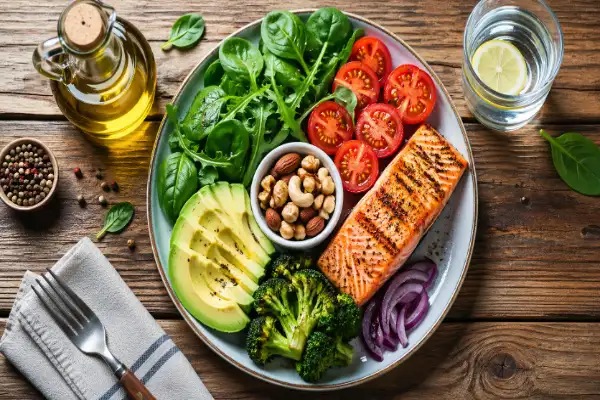
- Fatty Fish: Wild salmon, mackerel, and sardines contain deep-sea omega-3 fatty acids (EPA and DHA) that act as natural cellular shock absorbers.
- Polyphenol-Rich Fruits: Tart cherries, blueberries, and blackberries contain potent anthocyanins that reduce serum uric acid and C-reactive protein (CRP).
- Healthy Monounsaturated Fats: Extra virgin olive oil, avocados, and walnuts lubricate tissues and slow digestion, keeping you full for hours.
- Cruciferous Vegetables: Broccoli, Brussels sprouts, and cabbage offer sulforaphane, a compound proven in laboratory settings to block enzymes that destroy joint cartilage.
| Food Category | Optimal Joint Choices | Foods to Avoid | Clinical Benefit |
|---|---|---|---|
| Proteins | Wild Salmon, Pasture-Raised Poultry, Lentils | Fried Meats, Processed Delis, High-Fat Red Meat | Maintains muscle tissue to stabilize hyper-mobile or arthritic joints |
| Fats | Extra Virgin Olive Oil, Avocado, Flaxseeds | Corn Oil, Soybean Oil, Trans Fats | Suppresses inflammatory cytokine activity in synovial fluids |
| Carbohydrates | Quinoa, Steel-Cut Oats, Sweet Potatoes | White Bread, Pastries, Refined Sugars | Prevents glycemic spikes that trigger systemic inflammatory responses |
| Hydration | Water, Tart Cherry Juice, Green Tea | Sugary Sodas, Artificial Mixes, Alcohol | Maintains synovial fluid volume to protect cartilage surfaces |
Joint-friendly exercises that burn calories safely
When your joints hurt, standard workouts like running on pavement or heavy squatting act like running a car engine without motor oil. The friction builds fast, causing heat, swelling, and tissue breakdown.
Instead, your physical activity should offer low-impact resistance that builds surrounding muscle without compressing damaged cartilage. Learning how to stay active with arthritis means selecting movements that nourish your joints through movement rather than pounding them into exhaustion.
JOINT-FRIENDLY MOVEMENT SPECTRUM
Low-impact cardio options
- Water Aerobics & Swimming: Water supports up to 90% of your body weight. Swimming allows you to burn calories and build cardiovascular stamina without any compressive force on your lower back, hips, or knees.
- Recumbent Cycling: Stationary bikes with full back support keep your legs moving through a smooth, circular range of motion. This movement pumps vital nutrient-rich synovial fluid into the knee cartilage.
- Elliptical Trainers: Unlike walking on concrete, ellipticals keep your foot contact continuous, eliminating the harsh heel-strike impact that travels up the leg.
Managing localized arthritis: Hands and upper body
Arthritis isn’t restricted to weight-bearing joints like knees and hips. Smaller, non-weight-bearing joints—such as those in your fingers and wrists—are frequently affected by osteoarthritis and rheumatoid arthritis, making daily tasks and workout setups difficult.
When working through your weight loss routine, hand stiffness can prevent you from gripping resistance bands or holding weights comfortably. Performing specific arthritis in hands exercises before your workouts helps warm up tendon sheaths, improves grip strength, and keeps upper-body routines pain-free.
Sample 7-day joint relief and weight loss routine
Consistency outpaces intensity every single time. Use this gentle weekly schedule to establish momentum without overworking your musculoskeletal system.
- Monday: 20 minutes of low-resistance aquatic walking or lap swimming + gentle full-body stretching.
- Tuesday: 15 minutes of seated upper-body resistance band work + hand and wrist range-of-motion drills.
- Wednesday: Active Recovery Day. Light garden work or gentle neighborhood walking on flat grass.
- Thursday: 20 minutes on a recumbent stationary bike at a steady, comfortable pace.
- Friday: 15 minutes of chair yoga focusing on hip openers and spinal alignment.
- Saturday: 30 minutes of low-impact water exercise or light outdoor walking with supportive shoes.
- Sunday: Complete Rest Day. Warm epsom salt bath and self-massage.
Supporting daily mobility during your weight loss journey
As you transition to an active lifestyle, morning stiffness and post-workout soreness can occasionally derail your progress. While diet and low-impact exercise form the core of long-term joint health, targeted mobility aids offer immediate comfort so you can maintain your routine.
When managing localized discomfort, external topical solutions and support tools can temporarily relieve tissue tightness. Products like Insta Soothe serve as a helpful daily mobility support tool rather than a permanent cure for structural joint issues. By providing localized physical comfort, these topical solutions help ease morning stiffness so you can complete your planned daily walks or aquatic workouts without physical hesitation.
Long-term strategies for sustainable weight management
Losing weight with joint pain requires patience and self-compassion. The scale may move slowly at times, but systemic markers of health improve with every healthy habit you adopt.
Focus on non-scale victories to measure your real-world progress:
- Noticeable drops in morning joint stiffness.
- Being able to walk up a flight of stairs with less pain.
- Reduced dependence on over-the-counter pain medications.
- Better sleep quality due to reduced night-time joint throbbing.
When you protect your joint surfaces while optimizing your daily nutrition, weight loss happens as a natural, healthy side effect of improved systemic health.
Building a Sustainable Arthritis Diet Weight Loss Strategy
Diet plays a bigger role than exercise in most weight loss journeys. For people with arthritis, it also affects inflammation levels.
An effective arthritis diet weight loss plan focuses on nutrient-dense foods that support joint health.
Focus on Anti-Inflammatory Foods
Certain foods help reduce inflammation. These include fatty fish, olive oil, nuts, fruits, and vegetables. Diets like the Mediterranean diet show strong evidence for reducing inflammation markers.
The Harvard T.H. Chan School of Public Health highlights that omega 3 fatty acids from fish like salmon can help reduce joint stiffness and pain.
Whole foods should form the base of your meals. Processed foods, especially those high in sugar and refined carbs, can increase inflammation.
Control Portions Without Starving
Extreme calorie cuts rarely work. They lead to muscle loss, fatigue, and eventually rebound weight gain.
Instead, aim for a modest calorie deficit. This approach supports steady fat loss while preserving muscle. Protein intake matters here. It helps maintain muscle mass and keeps you full.
Stay Hydrated
Hydration supports joint lubrication and overall metabolism. Many people underestimate how dehydration affects energy and hunger signals.
Drink water consistently throughout the day. It sounds simple, but it makes a measurable difference.
Exercise to Lose Weight Bad Joints Can Actually Handle

Exercise remains essential. But the type of exercise matters more than the intensity.
When people try high-impact workouts with arthritis, they often quit quickly due to pain. The goal is not to burn maximum calories in one session. The goal is consistency.
Low Impact Cardio Works Best
Walking, cycling, and swimming offer excellent results. These activities reduce joint stress while still burning calories.
Swimming stands out because water supports body weight. This reduces pressure on joints while allowing full-body movement.
Strength Training Protects Your Joints
Strong muscles support joints. This support reduces pain during daily activities.
You do not need heavy weights. Bodyweight exercises or resistance bands work well. Focus on controlled movements and proper form.
Flexibility and Mobility Improve Comfort
Stretching improves range of motion. It also reduces stiffness, especially in the morning.
Practices like yoga or gentle mobility routines help maintain joint health. They also improve balance and coordination.
Creating a Weekly Routine That Actually Works
Consistency beats perfection every time.
A realistic weight loss plan for arthritis includes a mix of movement and rest. For example, you might walk three days a week, do light strength training twice a week, and include stretching daily.
You do not need long sessions. Even 20 to 30 minutes of activity adds up over time.
Rest days matter just as much as workout days. Your body needs time to recover, especially when dealing with inflammation.
How to Stay Motivated When Progress Feels Slow
Weight loss with arthritis can feel slower than expected. That does not mean it is not working.
Focus on non-scale victories. Reduced pain. Better mobility. Improved sleep. These changes often appear before significant weight loss.
Track small wins. They build momentum.
Set realistic goals. Instead of aiming for rapid weight loss, aim for steady progress. One to two pounds per week works well for most people.
Celebrate consistency, not perfection.
Common Mistakes to Avoid
Many people unknowingly sabotage their progress. Avoiding these mistakes can save months of frustration.
Skipping meals often leads to overeating later. Overexercising can increase joint pain and inflammation. Ignoring pain signals can lead to injury.
Another common mistake involves relying only on exercise. Without proper nutrition, results remain limited.
Balance remains the key.
Sleep and Stress: The Hidden Factors
Sleep affects weight loss more than most people realize. Poor sleep disrupts hormones that control hunger and metabolism.
The National Institutes of Health reports that sleep deprivation can increase appetite and reduce insulin sensitivity.
Stress also plays a role. Chronic stress increases cortisol levels, which can promote fat storage and inflammation.
Prioritize sleep. Manage stress through simple practices like deep breathing, light stretching, or spending time outdoors.
Long-Term Success Comes From Habits, Not Hacks
Quick fixes rarely last. Sustainable habits do.
Build routines that fit your lifestyle. Choose foods you enjoy. Pick exercises you can maintain long term.
A weight loss plan for arthritis should feel manageable, not overwhelming.
Over time, these habits become part of your daily life. That is when real transformation happens.
When to Seek Professional Help
If you struggle to lose weight or manage pain, consider professional support.
A registered dietitian can help design a personalized arthritis diet weight loss plan. A physical therapist can guide safe exercise to lose weight bad joints without causing harm.
Medical professionals can also adjust medications if needed.
There is no downside to getting expert guidance.
Frequently Asked Questions
What is the best weight loss plan for arthritis sufferers?
The best weight loss plan for arthritis focuses on low-impact exercise, an anti-inflammatory diet, and a small calorie deficit. Activities like walking, swimming, and cycling help burn calories without stressing joints. Pair this with whole foods like fruits, vegetables, lean protein, and healthy fats to reduce inflammation and support steady weight loss.
Can you lose weight with joint pain safely?
Yes, you can lose weight with joint pain by choosing joint-friendly activities and adjusting intensity. A proper weight loss plan for arthritis avoids high-impact workouts and instead uses low-impact cardio, strength training, and flexibility exercises. This approach helps burn fat while protecting your joints.
What foods should I eat in an arthritis diet weight loss plan?
An effective arthritis diet weight loss plan includes anti-inflammatory foods such as fatty fish, olive oil, nuts, leafy greens, and berries. Avoid processed foods, sugary snacks, and refined carbs, as they can increase inflammation and slow down your progress.
What is the best exercise to lose weight with bad joints?
The best exercise to lose weight bad joints can tolerate includes swimming, water aerobics, cycling, and walking. These exercises reduce joint stress while improving cardiovascular health. Adding light strength training also helps support joints and improves long-term mobility.
How much weight should I lose to improve arthritis symptoms?
Even a small reduction in weight can make a big difference. Following a consistent weight loss plan for arthritis, losing just 5 to 10 percent of your body weight can reduce joint pain, improve mobility, and lower inflammation levels over time.
Final Thoughts
Living with arthritis does not mean giving up on weight loss. It simply means approaching it differently.
A smart weight loss plan for arthritis focuses on reducing inflammation, protecting joints, and building sustainable habits. You do not need extreme workouts or restrictive diets.
You need consistency, patience, and the right strategy.
Start small. Stay consistent. Trust the process.
Your joints and your future self will thank you.
Verified Medical Sources
Arthritis Foundation: Losing Weight to Relieve Joint Pain
Centers for Disease Control and Prevention: Osteoarthritis & Weight Management
Mayo Clinic: Arthritis Exercises for Pain Relief
National Institute of Arthritis and Musculoskeletal and Skin Diseases (NIAMS)
Author Bio
Jennifer Collins is a wellness researcher and natural health writer focused on adults over 40. With 3+ years of experience in digital health content, Jennifer specializes in making science-backed nutrition and lifestyle strategies easy to follow and apply.
Health Disclaimer
This content is for informational purposes only and is not intended to diagnose, treat, or cure any disease. Always consult your healthcare provider before making changes to your diet or health