
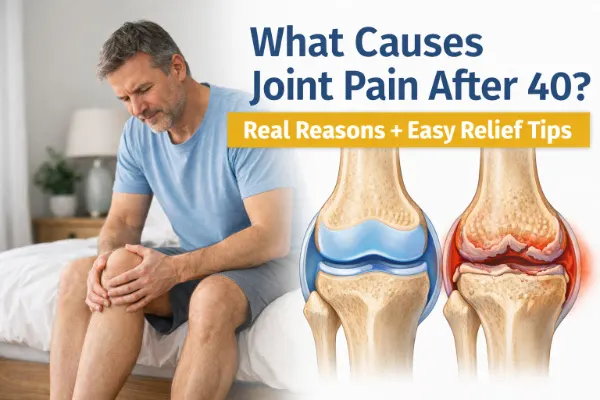
Joint pain has a funny way of sneaking up on you. One day you jump out of bed like you are 25. The next day, your knees sound like a bowl of cereal. If you have ever asked yourself what causes joint pain after 40, you are not alone. This is one of the most searched health questions, and for good reason.
After 40, your body changes in ways that are subtle but powerful. Your joints do not fail overnight. Instead, they respond to years of use, lifestyle choices, and natural aging. The good news is that once you understand what is happening, you can take smart steps to reduce pain and stay active.
If you are already dealing with discomfort and looking for solutions, you may also want to explore Best Joint Supplements 2026: What Actually Works for Joint Pain Relief to understand which options are backed by real evidence.
This guide breaks everything down in a clear, practical way. No fluff. No fake claims. Just real, research-backed explanations.
Why Do My Joints Hurt After 40?
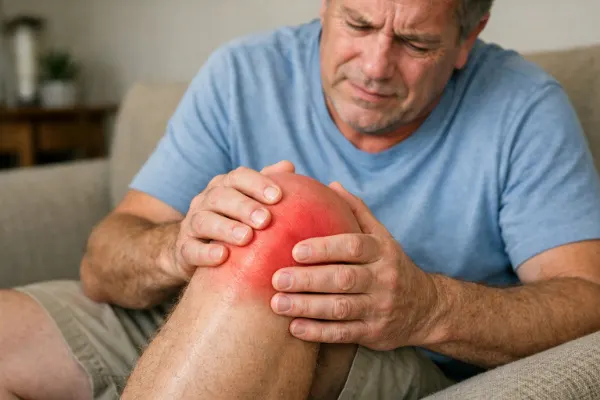
Let’s address the big question directly. Why do my joints hurt once I cross 40?
Your joints act like shock absorbers. They rely on cartilage, synovial fluid, muscles, and ligaments to move smoothly. Over time, these components start to wear down. That does not mean damage always occurs, but it does mean your joints become less forgiving.
Several biological changes explain age related joint pain:
First, cartilage becomes thinner. Cartilage cushions your joints, and with age, it loses water content and elasticity.
Second, your body produces less synovial fluid. This fluid lubricates your joints. Less lubrication means more friction.
Third, muscle mass decreases. This reduces joint support and increases strain.
Fourth, inflammation becomes more common. Your immune system reacts differently as you age, which can lead to stiffness and soreness.
These factors combine to create joint pain over 40, especially in weight-bearing joints like knees, hips, and lower back.
The Science Behind Joint Pain Causes
When we talk about joint pain causes, we are really talking about a mix of mechanical wear and biological aging.
Your joints endure decades of movement. Walking, running, lifting, sitting, even typing all contribute. Over time, micro-damage builds up. Your body repairs most of it, but not always perfectly.
At the same time, aging affects how your cells regenerate. Collagen production slows down. Collagen supports cartilage and connective tissue. With less collagen, joints lose resilience.
Hormonal changes also play a role. For example, estrogen helps protect joint tissues. As levels drop, especially in women, joint discomfort may increase.
This is why joint pain after 40 feels gradual. It is not one single cause. It is a combination of small changes that add up.
Common Joint Pain Causes After 40
Osteoarthritis and Wear and Tear
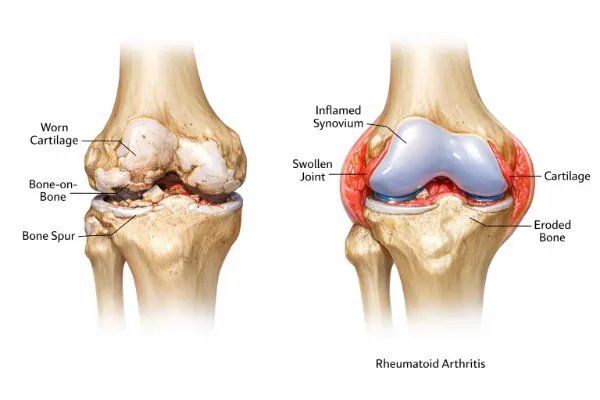
One of the most common answers to what causes joint pain after 40 is osteoarthritis. This condition develops when cartilage breaks down over time.
You might notice stiffness in the morning or after sitting for long periods. Movement may feel uncomfortable at first but improve as you loosen up.
Osteoarthritis often affects knees, hips, hands, and spine. It is strongly linked to age, but lifestyle factors like weight and activity level also influence it.
Inflammation and Chronic Conditions
Inflammation plays a major role in joint pain causes. Sometimes, your body triggers inflammation even when there is no injury.
Conditions like rheumatoid arthritis involve the immune system attacking joint tissue. This leads to swelling, pain, and stiffness.
Even without autoimmune disease, low-grade inflammation can increase with age. Poor diet, stress, and lack of sleep can make this worse.
Loss of Muscle Support
Muscles protect your joints. When muscle mass decreases, joints take on more stress.
After 40, people naturally lose muscle unless they actively maintain it. This condition is known as sarcopenia.
Weak muscles lead to poor joint alignment. That increases pressure on cartilage and ligaments, which contributes to joint pain over 40.
Old Injuries Coming Back
That ankle you twisted at 25 or the knee injury from your sports days may come back to haunt you.
Old injuries can lead to long-term joint instability. Over time, this instability accelerates wear and tear.
Many people wonder why do my joints hurt even though they feel healthy overall. Old injuries often provide the answer.
Weight Gain and Joint Stress
Even a small increase in body weight can affect your joints.
Your knees, for example, تحمل several times your body weight when you walk or climb stairs. Extra weight increases this load.
This added stress speeds up cartilage breakdown and contributes to age related joint pain.
Age Related Joint Pain in Different Body Parts
Joint pain after 40 does not affect every joint equally. Some areas take more stress than others.
Knee Pain
Knees are the most common site of joint pain over 40. They handle walking, running, and standing all day.
Cartilage loss, weak quadriceps muscles, and excess weight often contribute to knee discomfort.
Hip Pain
Hip joints support your entire upper body. Pain here often feels deep and may radiate to the thigh or lower back.
Hip pain can result from arthritis, muscle imbalance, or reduced flexibility.
Shoulder Pain
Shoulders allow a wide range of motion, which also makes them vulnerable.
Rotator cuff issues, inflammation, and posture problems often cause shoulder pain.
Hand and Finger Pain
If you notice stiffness in your fingers, especially in the morning, it could be early arthritis.
Repetitive tasks like typing or gripping tools may contribute to joint pain causes in the hands.
Lifestyle Factors That Make Joint Pain Worse
If you want to understand what causes joint pain after 40, you must look beyond aging alone. Lifestyle plays a huge role.
A sedentary lifestyle weakens muscles and reduces joint flexibility. Sitting for long hours can stiffen joints and reduce circulation.
Poor diet increases inflammation. Highly processed foods, excess sugar, and unhealthy fats can worsen joint discomfort.
Lack of sleep affects recovery. Your body repairs tissues during sleep. Without enough rest, joint stress builds up.
Stress also impacts your body physically. Chronic stress increases inflammation and muscle tension, which can lead to pain.
When Joint Pain Signals Something Serious
Not all joint pain is harmless. Some signs require medical attention.
If your joints swell significantly, feel warm, or show redness, inflammation may be more serious.
Persistent pain that does not improve with rest should not be ignored.
If you experience joint pain along with fatigue or fever, it could indicate an underlying condition.
Early diagnosis helps manage many joint issues effectively. Waiting too long can make treatment more difficult.
How to Reduce Joint Pain After 40

Now that you understand what causes joint pain after 40, let’s focus on solutions.
Regular movement helps keep joints flexible. Walking, swimming, and cycling work well because they are low-impact.
Strength training supports your joints by building muscle. Focus on controlled movements and proper form.
Stretching improves flexibility and reduces stiffness. Even 10 minutes a day can make a noticeable difference.
Maintaining a healthy weight reduces stress on your joints. Even modest weight loss can improve symptoms.
A balanced diet supports joint health. Foods rich in omega-3 fatty acids, antioxidants, and vitamins help reduce inflammation.
Hydration matters more than most people realize. Water supports joint lubrication and overall tissue health.
Prevention Tips for Long Term Joint Health
Joint pain over 40 is common, but it is not inevitable. Prevention starts with small daily habits.
Stay active. Movement keeps your joints nourished and functional.
Focus on posture. Poor posture places uneven stress on joints.
Use proper techniques when lifting or exercising. This reduces the risk of injury.
Listen to your body. Pain is a signal, not something to ignore.
Consistency matters more than intensity. Gentle, regular activity works better than occasional intense workouts.
The Mental Side of Joint Pain
Pain is not just physical. It also affects your mood, motivation, and confidence.
When your joints hurt, you may avoid activity. This creates a cycle where inactivity worsens pain.
Staying positive and proactive helps break this cycle. Small improvements add up over time.
Understanding joint pain causes gives you control. Instead of guessing, you can make informed decisions.
Frequently Asked Questions
What causes joint pain after 40 in most people?
What causes joint pain after 40 is usually a mix of natural aging and lifestyle factors. Cartilage starts to wear down, joint lubrication decreases, and muscle mass declines. These changes increase stiffness and discomfort, especially in knees, hips, and shoulders.
Why do my joints hurt more after 40 even without injury?
If you are wondering what causes joint pain after 40 without injury, the answer often lies in age related joint changes. Reduced collagen production, mild inflammation, and weaker muscles can all lead to joint pain even if you have not had any recent injuries.
Is joint pain after 40 normal or a sign of a serious problem?
Joint pain after 40 is common and often linked to aging. However, what causes joint pain after 40 can sometimes include conditions like arthritis. If pain is severe, persistent, or comes with swelling, it is best to consult a doctor.
How can I reduce joint pain after 40 naturally?
Understanding what causes joint pain after 40 helps you manage it better. Regular exercise, strength training, a healthy diet, proper hydration, and maintaining a healthy weight can reduce pain and improve joint function over time.
Can lifestyle changes really prevent joint pain after 40?
Yes, lifestyle plays a major role in what causes joint pain after 40. Staying active, avoiding excessive weight gain, improving posture, and eating anti-inflammatory foods can help prevent or delay joint pain as you age.
Final Thoughts
So, what causes joint pain after 40?
It comes down to a mix of natural aging, lifestyle factors, past injuries, and biological changes. Your joints are not failing. They are adapting to years of use.
The key is not to fight aging but to support your body through it. With the right habits, you can stay active, mobile, and pain-free for years to come.
If you have ever asked why do my joints hurt, now you have real answers. More importantly, you have practical ways to respond.
Joint pain after 40 is common, but it does not have to control your life.