
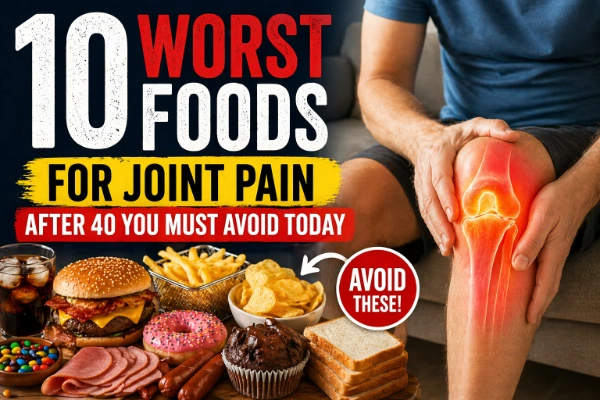
Joint pain has a way of sneaking up on you after 40. One day you feel fine, and the next, your knees sound like popcorn at a movie theater. While aging plays a role, your daily diet often fuels or fights that discomfort. Many people focus on supplements and exercise, but ignore one key factor: the foods they eat every day.
This guide breaks down the worst foods for joint pain and explains how they trigger inflammation. You will also learn smarter food swaps that support joint health. Everything here relies on well-documented nutrition science and trusted health research, not trends or guesswork.
If you want a structured way to reduce inflammation quickly, check out this Anti Inflammatory Diet for Joint Pain: 7-Day Meal Plan That Works Fast to start seeing real results.
Let’s get into it.
Table of Contents
Why Diet Matters for Joint Pain After 40
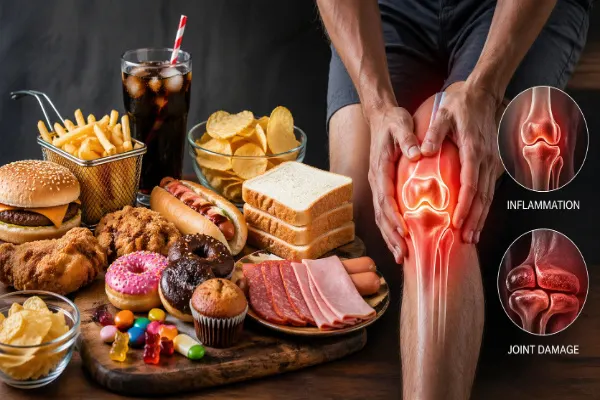
Your body changes as you age. Metabolism slows, muscle mass drops, and inflammation becomes easier to trigger. Doctors often call this low-grade chronic inflammation, and it directly affects joint stiffness, swelling, and mobility.
Certain foods increase inflammatory markers like C-reactive protein. Others disrupt gut health, which plays a surprising role in immune response and joint function. When your gut suffers, your joints often follow.
That is why identifying foods that cause joint inflammation matters so much. You cannot out-exercise a poor diet, especially after 40.
Refined Sugar: The Silent Joint Destroyer
Sugar sits at the top of the list of worst foods for joint pain. It drives inflammation quickly and aggressively.
When you eat excess sugar, your body produces advanced glycation end products. These compounds damage collagen, which supports your joints. Less collagen means less cushioning between bones.
Sugar also triggers the release of inflammatory cytokines. These chemicals increase swelling and pain, especially in people with arthritis.
Sodas, candy, baked goods, and even packaged “healthy” snacks often contain high amounts of added sugar. Many people consume far more than they realize.
If your joints feel stiff in the morning, sugar could be one of the hidden culprits.
Processed Foods and Packaged Snacks
Processed foods combine multiple inflammatory triggers in one package. They often include refined carbs, unhealthy fats, sodium, and preservatives.
Chips, frozen meals, and packaged snacks fall into this category. These foods increase oxidative stress and inflammation in the body.
Research published by the Harvard T.H. Chan School of Public Health shows that ultra-processed foods correlate with higher levels of inflammation and chronic disease risk.
These foods also contribute to weight gain. Extra weight places more stress on joints, especially knees and hips.
If you want to reduce inflammatory foods joints react to, cutting processed food intake should be a top priority.
Refined Carbohydrates: White Bread and Pasta
White bread, pasta, and pastries may taste comforting, but they rank high among foods that cause joint inflammation.
Refined carbohydrates spike blood sugar levels quickly. This spike leads to inflammation and worsens joint pain over time.
These foods also lack fiber, which supports gut health. Poor gut health can increase inflammation throughout the body.
Switching to whole grains like oats, quinoa, and brown rice can make a noticeable difference in joint comfort.
Fried Foods and Trans Fats

Fried foods taste great, but your joints pay the price.
Foods like French fries, fried chicken, and fast food items contain trans fats and oxidized oils. These fats trigger systemic inflammation and damage cells.
Studies from the American Journal of Clinical Nutrition link trans fats with increased inflammatory markers in the body.
Regular consumption of fried foods also contributes to weight gain, which further stresses joints.
If you are serious about avoiding foods to avoid with arthritis, fried foods should not stay in your weekly routine.
Red and Processed Meats
Red meat itself is not the enemy when consumed in moderation. However, processed meats and high intake of red meat can increase inflammation.
Processed meats like bacon, sausages, and deli meats contain preservatives and compounds that promote inflammation.
Cooking meat at high temperatures also creates advanced glycation end products, which can damage joint tissue.
Some studies suggest that diets high in processed meats correlate with increased symptoms in people with rheumatoid arthritis.
If you experience joint pain, try reducing intake and replacing it with lean proteins like fish, legumes, or poultry.
Dairy Products for Sensitive Individuals
Dairy affects people differently. Some individuals tolerate it well, while others experience increased inflammation.
Milk contains proteins like casein that may trigger inflammatory responses in sensitive individuals. This reaction can worsen joint discomfort.
If you suspect dairy contributes to your pain, try eliminating it for a few weeks and monitor changes.
You do not need to avoid dairy completely unless you notice a clear connection. Personal response matters here.
Excess Salt and High Sodium Foods
Salt does more than raise blood pressure. It may also influence inflammation and immune response.
Processed and packaged foods often contain high levels of sodium. Excess salt can lead to fluid retention, which increases joint swelling.
Research suggests that high sodium intake may worsen autoimmune conditions like rheumatoid arthritis.
Reducing sodium intake can help ease stiffness and improve overall joint comfort.
Alcohol and Joint Inflammation
Alcohol creates a mixed picture. Moderate intake may not harm everyone, but excessive consumption clearly increases inflammation.
Alcohol disrupts liver function and gut health. Both play important roles in controlling inflammation.
Heavy drinking can also interfere with medications used to treat arthritis.
If you notice increased joint pain after drinking, your body is sending a clear signal.
Omega-6 Heavy Vegetable Oils
Not all fats work the same way in your body.
Oils like corn oil, soybean oil, and sunflower oil contain high levels of omega-6 fatty acids. While your body needs some omega-6, too much creates an imbalance.
This imbalance promotes inflammation, especially when omega-3 intake stays low.
Many processed foods use these oils, which makes overconsumption easy.
Balancing fats by increasing omega-3 sources like fatty fish can help reduce inflammation.
Artificial Additives and Preservatives
Artificial ingredients in processed foods can trigger inflammation in sensitive individuals.
Additives like MSG and artificial sweeteners may affect immune response and gut health. While research continues, many people report increased joint discomfort after consuming these ingredients.
Highly processed foods often contain multiple additives, making them harder for your body to handle.
If your goal is to reduce foods that cause joint inflammation, choosing whole, natural foods remains a safer approach.
How These Foods Affect Arthritis
People often search for foods to avoid with arthritis because symptoms can worsen quickly with the wrong diet.
Inflammatory foods joints react to can increase stiffness, swelling, and pain. These effects occur because inflammation directly affects the lining of joints.
In conditions like osteoarthritis and rheumatoid arthritis, inflammation accelerates joint damage. That is why diet plays such a crucial role in managing symptoms.
You cannot control aging, but you can control what you eat every day.
Smarter Food Swaps That Support Joint Health

Instead of focusing only on restrictions, think about better choices.
Replace sugary snacks with fruits rich in antioxidants. Choose whole grains instead of refined carbs. Swap fried foods for baked or grilled options.
Add anti-inflammatory foods like leafy greens, berries, nuts, and fatty fish. These foods support joint health and reduce inflammation naturally.
Hydration also matters. Drinking enough water helps maintain joint lubrication and reduces stiffness.
Small daily changes can create long-term improvements.
Practical Tips to Reduce Joint Pain Through Diet
Start simple. You do not need a perfect diet overnight.
Focus on reducing one category of inflammatory foods at a time. For example, cut sugary drinks first, then move to processed snacks.
Cook more meals at home. This gives you control over ingredients and reduces hidden additives.
Read labels carefully. Many products contain added sugars, unhealthy fats, and preservatives.
Track how your body feels after meals. Your joints often respond within hours or days to certain foods.
Consistency matters more than perfection.
Common Myths About Diet and Joint Pain
Many people believe that only supplements can help joint pain. In reality, diet plays a much larger role than most realize.
Another myth suggests that all fats cause inflammation. Healthy fats like omega-3 fatty acids actually reduce inflammation.
Some also think that occasional unhealthy meals do not matter. While one meal will not ruin your health, repeated habits create long-term effects.
Understanding these myths helps you make smarter choices.
Frequently Asked Questions
What are the worst foods for joint pain after 40?
The worst foods for joint pain after 40 include refined sugar, fried foods, processed snacks, red and processed meats, and refined carbohydrates. These foods increase inflammation in the body, which can worsen joint stiffness and discomfort over time. Reducing these foods can help improve joint mobility and reduce pain.
How do foods that cause joint inflammation affect the body?
Foods that cause joint inflammation trigger the release of inflammatory chemicals like cytokines. These chemicals increase swelling, stiffness, and pain in the joints. Over time, regularly consuming inflammatory foods can worsen conditions like arthritis and reduce overall joint flexibility.
Which foods should you avoid with arthritis for better joint health?
If you have arthritis, you should avoid foods high in sugar, trans fats, and processed ingredients. Common foods to avoid with arthritis include sugary drinks, fried foods, packaged snacks, and processed meats. These foods can increase inflammation and make arthritis symptoms more severe.
Can changing your diet really reduce joint pain naturally?
Yes, changing your diet can significantly reduce joint pain. Avoiding the worst foods for joint pain and adding anti-inflammatory foods like fruits, vegetables, and omega-3-rich fish can lower inflammation. Many people notice reduced stiffness and improved joint comfort within weeks of making dietary changes.
Are all inflammatory foods bad for joints or only certain ones?
Not all foods have the same effect on joints. Certain inflammatory foods joints react to more strongly include refined sugar, processed foods, and unhealthy fats. Natural whole foods, even if they contain fats or carbs, usually support joint health rather than harm it when consumed in balanced amounts.
Final Thoughts
Joint pain after 40 does not happen overnight. It builds over time through lifestyle habits, including diet.
Avoiding the worst foods for joint pain can reduce inflammation, improve mobility, and support long-term joint health.
You do not need extreme restrictions. Focus on balance, consistency, and awareness.
Your joints will thank you every step of the way.
Sources
Harvard T.H. Chan School of Public Health
National Institute of Arthritis and Musculoskeletal and Skin Diseases
American Journal of Clinical Nutrition
Author Bio
Jennifer Collins is a wellness researcher and natural health writer focused on adults over 40. With 3+ years of experience in digital health content, Jennifer specializes in making science-backed nutrition and lifestyle strategies easy to follow and apply.
Health Disclaimer
This content is for informational purposes only and is not intended to diagnose, treat, or cure any disease. Always consult your healthcare provider before making changes to your diet or health routine. This article may include affiliate links, which come at no extra cost to you.