
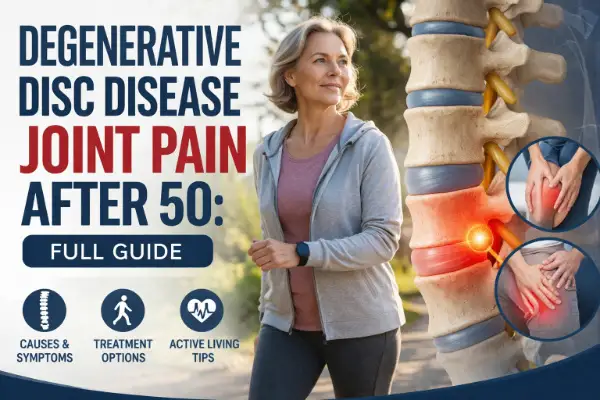
Aging brings wisdom, confidence, and unfortunately… a few creaks and cracks. If you’ve crossed 50 and started noticing stiffness in your back or joints, you’re not alone. One of the most common causes behind this discomfort is degenerative disc disease joint pain.
Despite its intimidating name, this condition is not actually a “disease.” It’s a natural part of aging. Still, it can affect your daily life if you don’t manage it properly.
This guide breaks everything down in a clear, practical, and evidence-based way. No fluff. No myths. Just what you actually need to know.
Table of Contents
What Is Degenerative Disc Disease?
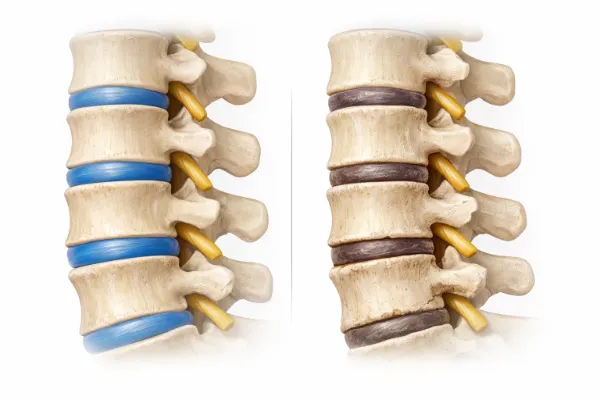
Degenerative disc disease refers to the gradual breakdown of the spinal discs. These discs act like cushions between the bones in your spine.
Over time, they lose water content and flexibility. This makes them thinner and less effective at absorbing shock.
As a result, degenerative disc disease joint pain can develop. The pain may come from inflammation, nerve irritation, or increased pressure on nearby joints.
Here’s the key point: almost everyone experiences some disc degeneration with age. However, not everyone feels pain.
Why Does Degenerative Disc Disease Joint Pain Increase After 50?
After 50, your body changes in ways that make spinal wear and tear more noticeable.
First, discs lose hydration faster. This reduces their ability to handle pressure.
Second, joints around the spine, especially facet joints, take on more stress. This leads to inflammation and stiffness.
Third, muscle mass declines with age. Less support around the spine means more strain on discs and joints.
In short, degenerative disc disease joint pain becomes more common because your spine has to work harder with fewer resources.
Common Symptoms You Should Not Ignore
The symptoms of degenerative disc disease joint pain vary from person to person. Some people feel mild discomfort, while others deal with chronic pain.
You might notice:
- Persistent lower back or neck pain
- Pain that worsens when sitting for long periods
- Stiffness in the morning
- Pain that improves with movement
- Occasional numbness or tingling
Pain often comes and goes. It may flare up after certain activities or long periods of inactivity.
If the pain travels down your arms or legs, it could indicate nerve involvement. That requires medical attention.
What Causes Degenerative Disc Disease Joint Pain?
Let’s be honest. Aging is the main cause. But it’s not the only one.
Several factors speed up the process:
1. Natural Aging
Discs naturally lose water and elasticity over time. This makes them more prone to damage.
2. Repetitive Stress
Years of lifting, bending, or sitting poorly can wear down your spine.
3. Injuries
Old injuries may weaken discs and joints, making degeneration faster.
4. Genetics
Some people inherit a higher risk of disc degeneration.
5. Lifestyle Factors
Smoking, lack of exercise, and poor posture can worsen degenerative disc disease joint pain.
Think of your spine like a car. Regular maintenance helps, but wear and tear still happen over time.
How Doctors Diagnose Degenerative Disc Disease
Doctors don’t guess. They combine your symptoms with imaging tests.
First, they ask about your pain history and daily activities.
Then, they may recommend imaging such as:
- X-rays
- MRI scans
- CT scans
MRI is especially useful because it shows disc condition clearly.
Doctors also check nerve function and mobility. This helps them rule out other conditions.
Effective Treatment Options That Actually Work
Good news. You don’t have to “just live with it.”
Most cases of degenerative disc disease joint pain improve with non-surgical treatments.
Physical Therapy
Physical therapy strengthens muscles around the spine. Strong muscles reduce pressure on discs and joints.
Targeted exercises improve flexibility and posture.
Medications
Doctors may recommend:
- Over-the-counter pain relievers like ibuprofen
- Anti-inflammatory drugs
- Muscle relaxants in some cases
These help manage pain during flare-ups.
Heat and Cold Therapy
Heat relaxes muscles. Cold reduces inflammation.
Use both depending on your symptoms.
Lifestyle Adjustments
Simple changes can make a big difference:
- Maintain a healthy weight
- Avoid prolonged sitting
- Improve posture
- Stay active
Consistency matters more than intensity.
Injections
For persistent pain, doctors may suggest steroid injections. These reduce inflammation around affected joints.
Surgery (Rare Cases)
Surgery is usually the last option. Doctors consider it only when other treatments fail.
Procedures may include spinal fusion or disc replacement.
Best Exercises for Degenerative Disc Disease Joint Pain

Exercise may sound like the last thing you want to do when you’re in pain. But it’s actually one of the best treatments.
Movement keeps your spine healthy.
Focus on:
- Core strengthening
- Gentle stretching
- Low-impact activities like walking or swimming
Avoid high-impact exercises that strain your spine.
A simple rule: if it hurts sharply, stop.
If your lower back pain is linked to the pelvic region, these Sacroiliac Joint Dysfunction Exercises: 10 Moves for SI Joint Pain Relief can help improve stability and reduce discomfort effectively.
Daily Habits That Protect Your Spine After 50
You don’t need a complete lifestyle overhaul. Small habits go a long way.
Start with these:
Sit less. Stand and stretch every 30 minutes.
Use a supportive chair. Your spine will thank you.
Sleep on a good mattress. Not too soft, not too firm.
Lift objects properly. Bend your knees, not your back.
Stay hydrated. Your discs need water too.
These habits reduce stress on your spine and help manage degenerative disc disease joint pain.
When Should You See a Doctor?
Some discomfort is normal with aging. But certain symptoms need attention.
See a doctor if you notice:
- Severe or worsening pain
- Pain spreading to arms or legs
- Weakness or numbness
- Difficulty walking or balancing
- Loss of bladder or bowel control
These signs may indicate nerve compression or other serious issues.
Can You Prevent Degenerative Disc Disease?
You can’t completely stop aging. If someone figures that out, they’ll become very famous very quickly.
However, you can slow down the process.
Stay active. Movement keeps discs nourished.
Maintain a healthy weight. Extra weight adds pressure to your spine.
Avoid smoking. It reduces blood flow to discs.
Practice good posture. Your future self will appreciate it.
Prevention focuses on reducing stress and improving spine health.
The Truth About Supplements and Quick Fixes
Let’s address the elephant in the room.
Many products claim to “reverse” degenerative disc disease joint pain. Most of them overpromise.
Some supplements like glucosamine or omega-3s may support joint health. However, research shows mixed results.
No supplement can rebuild a worn disc completely.
Focus on proven strategies instead of chasing miracle cures.
Living Well With Degenerative Disc Disease Joint Pain

Here’s the reality. Many people live active, fulfilling lives despite this condition.
Pain does not define your quality of life.
Manage it with the right combination of movement, treatment, and habits.
Stay consistent. Avoid extremes. Listen to your body.
And yes, some days will feel better than others. That’s normal.
Frequently Asked Questions
What is degenerative disc disease joint pain and is it serious?
Degenerative disc disease joint pain refers to discomfort caused by the breakdown of spinal discs and increased stress on nearby joints. It is not technically a disease but an age-related condition. In most cases, it is not serious, but it can become chronic if not managed with proper exercise, posture, and treatment.
What are the early symptoms of degenerative disc disease joint pain?
Early symptoms of degenerative disc disease joint pain include mild back or neck stiffness, pain after sitting for long periods, and discomfort that improves with movement. Some people may also feel occasional tingling or weakness if nearby nerves are affected.
Can degenerative disc disease joint pain be reversed naturally?
Degenerative disc disease joint pain cannot be fully reversed because disc wear is a natural aging process. However, symptoms can be significantly reduced through physical therapy, regular exercise, weight management, and healthy lifestyle habits that support spine health.
What is the best treatment for degenerative disc disease joint pain after 50?
The best treatment for degenerative disc disease joint pain after 50 usually includes a combination of physical therapy, low-impact exercise, pain management, and posture correction. Doctors may also recommend medications or injections in more severe cases, while surgery is rarely needed.
How can I sleep better with degenerative disc disease joint pain?
To sleep better with degenerative disc disease joint pain, use a medium-firm mattress, maintain proper spine alignment, and sleep in positions that reduce pressure on your back, such as on your side with a pillow between your knees. Good sleep posture can help reduce nighttime pain and stiffness.
Final Thoughts
Degenerative disc disease joint pain is a common part of aging, especially after 50. But it doesn’t have to control your life.
With the right knowledge and approach, you can manage symptoms effectively and stay active.
Focus on movement, maintain good habits, and seek professional advice when needed.
Your spine has supported you for decades. It deserves a little care in return.
Sources & References
- National Institute of Arthritis and Musculoskeletal and Skin Diseases (NIAMS)
- Mayo Clinic – Degenerative Disc Disease
- Cleveland Clinic – Degenerative Disk Disease
- Harvard Health Publishing – Managing Back Pain
- American Academy of Orthopaedic Surgeons (AAOS)
Author Bio
Jennifer Collins is a wellness researcher and natural health writer focused on adults over 40. With 3+ years of experience in digital health content, Jennifer specializes in making science-backed nutrition and lifestyle strategies easy to follow and apply.
Health Disclaimer
This content is for informational purposes only and is not intended to diagnose, treat, or cure any disease. Always consult your healthcare provider before making changes to your diet or health routine. This article may include affiliate links, which come at no extra cost to you.