


Dr. Preet Pal SB, MD
Physician specializing in diabetes, metabolic health, and joint care management. Read More About Dr. Preet Pal’s Medical Credentials & Editorial Integrity Here
When joint cartilage wears thin, every step can feel like rubbing sandpaper against bone. Learning how to slow down arthritis naturally is about protecting joint mechanics, suppressing systemic inflammation, and preserving what remains of your natural cushioning before bone-on-bone friction sets in.
While conventional medications manage pain, targeting the underlying biological drivers—such as cartilage loss, loss of synovial fluid, and chronic low-grade inflammation—offers a reliable strategy to preserve mobility over time.
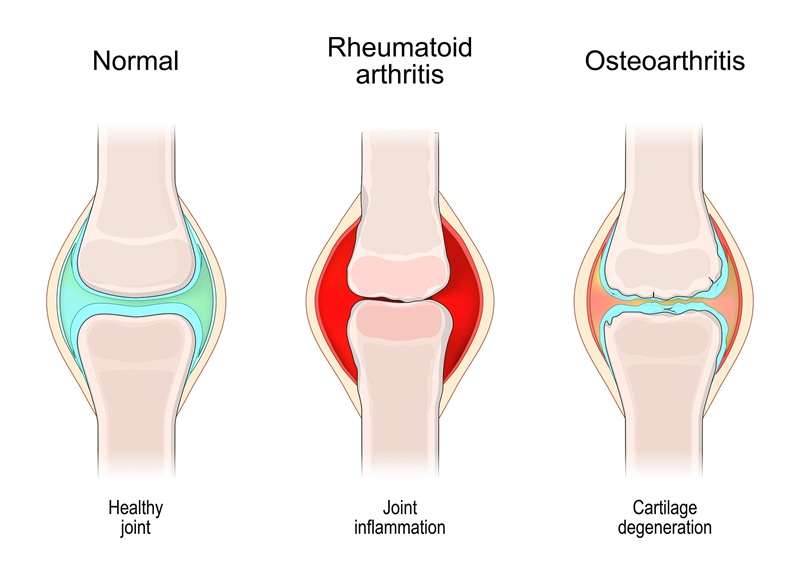
Key Action Plan: How to Slow Down Arthritis Naturally
Lighten Joint Mechanical Load
Achieving even a modest 5% reduction in body weight removes up to 40 pounds of cumulative pressure from load-bearing joints during daily walking, directly slowing cartilage wear.
Shift to an Anti-Inflammatory Nutritional Pattern
Adopt a Mediterranean-style diet high in EPA/DHA omega-3 fatty acids, polyphenols, and extra virgin olive oil to inhibit inflammatory enzymes (COX-2) that break down joint tissue.
Engage in Low-Impact Cartilage Loading
Participate in non-compressive physical activities like swimming, cycling, or water aerobics for 150 minutes weekly to pump essential nutrients directly into articular cartilage.
Strengthen Surrounding Muscle Stabilizers
Perform targeted resistance exercises for quadriceps, hamstrings, and gluteal muscles to absorb kinetic impact before it reaches the vulnerable joint capsule.
Understanding Joint Mechanics: Why Arthritis Progresses
To effectively master how to slow down arthritis, it helps to understand what is happening inside the joint capsule.
Think of articular cartilage as the tread on a premium car tire. Under smooth driving conditions with proper alignment and lubrication, the tread lasts for decades. However, if alignment shifts, inflation drops, or heavy loads are constantly applied, the rubber wears down rapidly.
In osteoarthritis, this smooth protective cartilage gradually thins out, exposing the underlying bone. In inflammatory conditions like rheumatoid arthritis, the body’s immune system mistakenly attacks the lining of the joint capsule (synovium), generating chronic heat and swelling that accelerates tissue breakdown.
Dr. Preet Pal’s Clinical Perspective
“In my clinical practice, patients often assume arthritis progression is inevitable—a simple consequence of aging. That is a misconception. Cartilage has no direct blood supply; it relies entirely on the ‘sponge effect’ of movement to soak up nutrients from synovial fluid. When we combine low-impact joint motion with targeted systemic anti-inflammatory habits, we can measurably slow down cartilage breakdown and extend joint longevity by years.”
4 Core Mechanisms to Slow Down Arthritis Progression
Slowed progression requires a multi-pronged approach that addresses weight distribution, biochemical inflammation, muscular support, and internal joint lubrication.
| Mechanism | Primary Biological Goal | Recommended Action | Clinical Impact |
| Mechanical Offloading | Lower peak force on load-bearing cartilage | Strategic weight management | Every 1 lb lost removes ~4 lbs of joint force |
| Biochemical Inhibition | Suppress pro-inflammatory cytokines (TNF-α, IL-1β) | Mediterranean diet & EPA/DHA | Prevents enzymatic degradation of collagen |
| Kinetic Stabilization | Increase dynamic muscle support around joint | Low-impact resistance training | Reduces joint micro-trauma during impact |
| Synovial Hydration | Restore fluid viscosity and nutrient transfer | Hydration & targeted joint nutrients | Reduces internal friction and stiffening |
1. Optimize Mechanical Weight Distribution
Load-bearing joints like the knees and hips act as levers. According to biomechanical research from the CDC, walking generates a force equal to 3 to 4 times your body weight across the knee joint.
Losing as little as 10 pounds eliminates up to 40 pounds of pressure per step. Understanding how weight affects joint pain helps illustrate why weight management is the single most effective physical lever for slowing joint deterioration.
If you are struggling with mobility due to pain, following a structured weight loss plan for arthritis can help you shed pounds safely without placing high-impact stress on compromised cartilage.
2. Suppress Inflammatory Pathways with Targeted Foods
Dietary choices directly regulate systemic inflammation. A Mediterranean diet—rich in wild-caught fatty fish, leafy greens, berries, extra virgin olive oil, and walnuts—supplies abundant antioxidants and omega-3 fatty acids that actively counter inflammatory signaling pathways.
Conversely, ultra-processed foods, refined sugars, trans fats, and excess omega-6 seed oils trigger inflammatory cascades that degrade cartilage matrix proteins.
3. Build Muscular Shock Absorbers with Low-Impact Exercise
Cartilage cannot contract or push back against force—only muscle can. Strengthening the quadriceps, hamstrings, and gluteal muscles builds an internal kinetic shield that absorbs ground reaction forces before they reach the joint space.
Focus on non-compressive, fluid movement. Exploring safe strategies on how to stay active with arthritis enables you to preserve cardiovascular fitness and muscle mass without aggravating delicate cartilage linings.
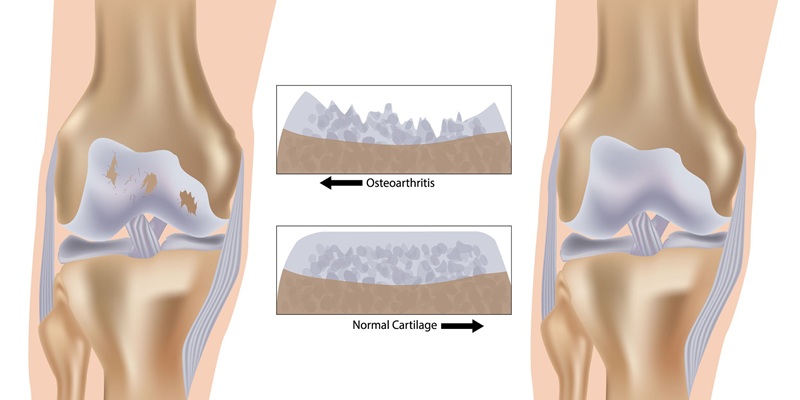
4. Hydration and Synovial Fluid Quality
Synovial fluid is the clear, viscous liquid that fills joint capsules. It functions like engine oil in a high-performance vehicle—reducing friction to near zero while nourishing cartilage cells (chondrocytes).
Dehydration causes synovial fluid to thin and lose its protective cushioning capability. Drinking adequate water throughout the day ensures your joint fluid retains its thickness and protective volume.
Clinical Spotlight: Replenishing Synovial Fluid Naturally
As we age, the body’s production of hyaluronan—the main molecule responsible for giving synovial fluid its thick, shock-absorbing quality—declines significantly. Thin synovial fluid leads to increased joint friction, stiffness, and accelerated cartilage erosion.
For individuals seeking targeted nutritional support, Joint Genesis is formulated to address this specific mechanism. Its key ingredient, Mobilee® (a patented hyaluronan matrix), has been clinically shown to multiply joint fluid hyaluronan levels up to 10-fold.
By restoring healthy synovial fluid density, Joint Genesis helps re-establish the protective fluid cushion between bones, reducing joint stiffness and supporting long-term cartilage integrity alongside daily lifestyle habits.
When to Consult a Rheumatologist or Orthopedic Specialist
While natural lifestyle interventions are essential for long-term management, severe or rapidly worsening joint symptoms require specialist evaluation. Seek professional care if you experience:
- Rapidly increasing joint swelling, warmth, or redness.
- Joint instability or feeling like a knee or hip is “giving out.”
- Morning stiffness lasting longer than 60 minutes.
- Unexplained fever accompanying joint pain.
Verified Medical Sources
- Centers for Disease Control and Prevention (CDC): Arthritis Management and Physical Activity Guidelines
- National Institute of Arthritis and Musculoskeletal and Skin Diseases (NIAMS): Understanding Osteoarthritis and Joint Health
- Mayo Clinic: Arthritis Diagnosis, Lifestyle Adjustments, and Treatment Options
- Arthritis Foundation: Living with Arthritis and Anti-Inflammatory Nutrition
Frequently Asked Questions
What is the fastest way to slow down arthritis naturally?
The fastest way to slow down arthritis naturally is by combining an anti-inflammatory diet, regular low-impact exercise, and maintaining a healthy weight. These habits reduce joint stress and inflammation, which are the main drivers of arthritis progression.
Can you really slow down arthritis naturally without medication?
Yes, you can slow down arthritis naturally without relying only on medication by improving lifestyle habits. Eating nutrient-rich foods, staying active, managing stress, and getting quality sleep can significantly reduce symptoms and support joint health over time.
Which foods help slow down arthritis naturally?
Foods rich in omega-3 fatty acids, antioxidants, and fiber help slow down arthritis naturally. Examples include fatty fish, leafy greens, berries, nuts, seeds, and olive oil. These foods reduce inflammation and support joint function.
How does exercise help slow down arthritis naturally?
Exercise helps slow down arthritis naturally by strengthening muscles around joints, improving flexibility, and reducing stiffness. Activities like walking, swimming, and yoga support mobility without putting too much strain on the joints.
How long does it take to see results when trying to slow down arthritis naturally?
The time it takes to slow down arthritis naturally varies, but many people notice improvements in pain and mobility within a few weeks of consistent lifestyle changes. Long-term benefits depend on staying consistent with healthy habits.
Author Bio
Jennifer Collins is a wellness researcher and natural health writer focused on adults over 40. With 3+ years of experience in digital health content, Jennifer specializes in making science-backed nutrition and lifestyle strategies easy to follow and apply.
Health Disclaimer
This content is for informational purposes only and is not intended to diagnose, treat, or cure any disease. Always consult your healthcare provider before making changes to your diet or health routine. This article may include affiliate links, which come at no extra cost to you.