
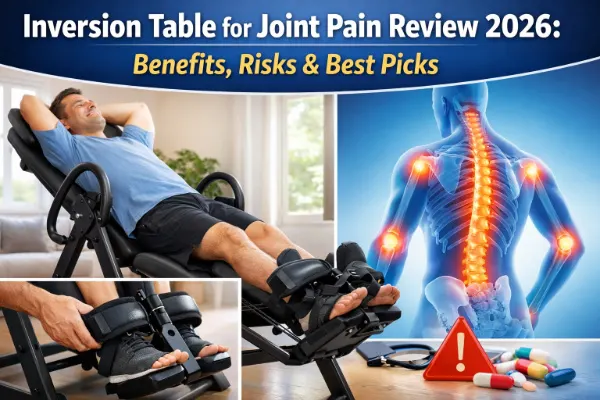
Joint pain can turn everyday life into a slow, frustrating process. Simple tasks like standing, sitting, or even sleeping may feel uncomfortable. That’s why many people search for practical solutions beyond medication. One option that keeps gaining attention is the inversion table. If you’ve been looking for an honest inversion table for joint pain review, this guide will walk you through everything that matters.
Let’s break it down clearly, without hype, without fluff, and with real logic backed by credible sources.
If your discomfort also includes tightness in the upper body, this detailed guide on Neck Stiffness and Joint Pain Connection: Causes, Symptoms & Relief Guide (2026) explains how neck issues can directly affect overall joint pain.
What Is an Inversion Table and How Does It Work?
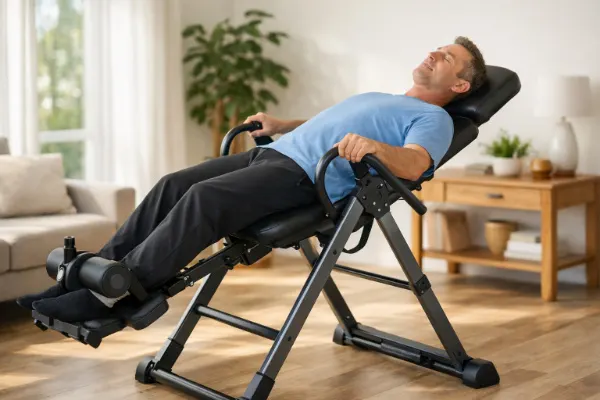
An inversion table is a device that allows you to hang upside down or at an inverted angle. The idea sounds simple, but the science behind it focuses on gravity.
When you lie flat or stand upright, gravity compresses your joints and spine. Over time, this compression may contribute to stiffness, discomfort, and reduced mobility. An inversion table reverses that effect by gently stretching your body.
This process is known as inversion therapy.
Instead of your joints carrying weight, they experience decompression. That shift may reduce pressure in areas like the spine, hips, and knees. Many users report feeling relief after short sessions.
Think of it as giving your joints a break from carrying your body all day.
Why People Use Inversion Tables for Joint Pain
Joint pain does not always come from injury. In many cases, it develops from daily wear and tear, poor posture, or lack of movement. Inversion therapy aims to address these root causes.
When you use an inversion table, several things happen:
- The spine lengthens slightly
- Joint pressure decreases
- Blood circulation improves
- Muscles relax
This combination may help reduce discomfort, especially in people dealing with chronic stiffness.
A study published by the National Institutes of Health found that spinal traction, which includes inversion therapy, can help reduce lower back pain in certain individuals. However, results vary depending on the condition.
That’s important. No single solution works for everyone.
Key Benefits of Using an Inversion Table
1. Reduced Spinal Compression
Your spine absorbs constant pressure throughout the day. Sitting at a desk, lifting objects, or even walking adds load to your joints.
Inversion therapy creates space between vertebrae. That space may reduce nerve pressure and improve comfort.
Many people who write an inversion table for joint pain review highlight this benefit first.
2. Improved Joint Mobility
When joints decompress, they move more freely. This effect can help reduce stiffness, especially in the hips and lower back.
Better mobility often leads to less pain during daily activities.
3. Muscle Relaxation
Tight muscles often worsen joint pain. Inversion allows muscles to stretch naturally.
As muscles relax, they place less strain on surrounding joints.
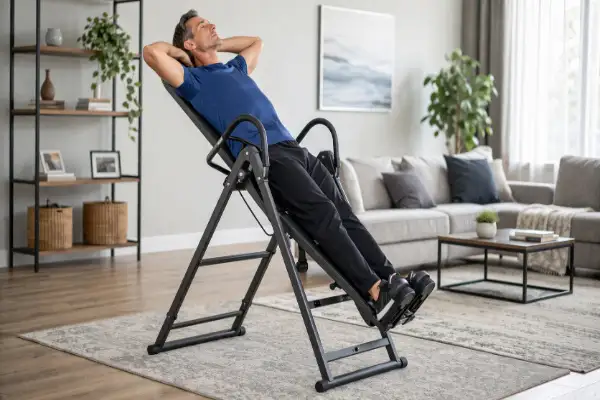
4. Better Circulation
Inversion changes how blood flows through your body. While upside down, blood moves more easily toward the upper body.
This shift may support recovery and reduce inflammation in some cases.
5. Non Drug Pain Relief Option
Many people prefer to avoid long term medication use. Inversion tables offer a mechanical solution rather than a chemical one.
That alone makes them appealing to users seeking natural pain relief methods.
What Science Actually Says
It’s easy to find bold claims online. But let’s stay grounded in research.
According to the Cochrane Database of Systematic Reviews, traction therapies including inversion may provide short term relief for lower back pain. However, the evidence remains mixed.
Another study published in Disability and Rehabilitation showed that inversion therapy helped reduce the need for surgery in some patients with lumbar disc issues.
Still, experts agree on one point. Inversion therapy works best as part of a broader plan. It should not replace medical treatment when serious conditions exist.
That’s why a realistic inversion table for joint pain review must include both benefits and limitations.
Risks You Should Not Ignore
Let’s be honest. Hanging upside down is not for everyone.
Increased Blood Pressure
Inversion can raise blood pressure and slow heart rate. People with hypertension or heart conditions should avoid it unless approved by a doctor.
Eye Pressure Concerns
Inversion increases pressure in the eyes. This can be risky for individuals with glaucoma.
Dizziness or Discomfort
Some users feel dizzy during or after inversion. Starting slowly helps reduce this effect.
Not Suitable for Certain Conditions
Avoid inversion therapy if you have:
- Heart disease
- Severe osteoporosis
- Hernia
- Pregnancy complications
Safety matters more than trends.
How to Use an Inversion Table Safely
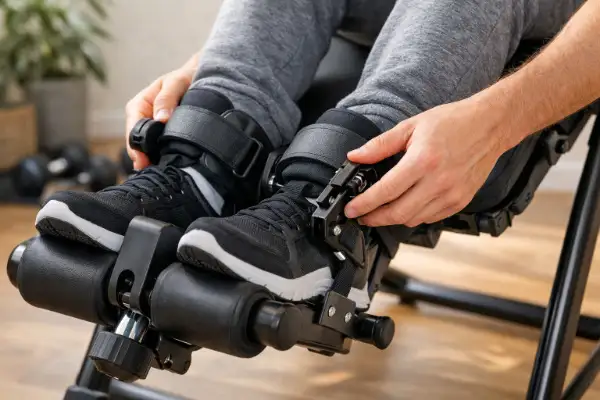
Many beginners make the mistake of going fully upside down on day one. That’s not necessary.
Start with a mild angle, around 20 to 30 degrees. Spend one to two minutes per session. Gradually increase time and angle as your body adapts.
Keep these tips in mind:
- Always secure your ankles properly
- Use smooth, controlled movements
- Avoid sudden changes in position
- Stop immediately if you feel pain or dizziness
Consistency works better than intensity.
What to Look for When Buying an Inversion Table
If you plan to invest in one, don’t just pick the cheapest option. Quality and safety features matter.
Build Quality
A sturdy steel frame provides better support and stability.
Adjustable Settings
Different users need different angles and heights. Adjustable settings improve comfort and usability.
Ankle Support
Look for padded and secure ankle holders. Poor support can make sessions uncomfortable.
Safety Lock System
A reliable locking system prevents sudden movement.
Weight Capacity
Always check the maximum weight limit before buying.
A good inversion table for joint pain review should consider these practical factors, not just marketing claims.
Best Types of Inversion Tables Available
You will find several types on the market. Each suits different needs.
Full Inversion Tables
These allow complete upside down positioning. They provide maximum decompression but require careful use.
Folding Inversion Tables
These save space and work well for home use.
Advanced Motorized Tables
These come with automated controls and often cost more. They suit people who want convenience and precision.
Choosing the right type depends on your comfort level and budget.
Who Should Consider Using an Inversion Table
Inversion tables may help people dealing with:
- Mild to moderate joint pain
- Lower back discomfort
- Muscle tightness
- Sedentary lifestyle stiffness
They work best for individuals looking to improve mobility and reduce daily discomfort.
However, they are not ideal for people with serious medical conditions unless supervised by a healthcare professional.
Who Should Avoid It Completely
Let’s keep this clear.
Do not use an inversion table if you have:
- High blood pressure that is not controlled
- Heart disease
- Eye conditions like glaucoma
- Recent surgery
- Pregnancy
Ignoring these warnings can lead to serious complications.
Realistic Expectations from Inversion Therapy
An inversion table is not magic. It won’t erase joint pain overnight.
Most users experience gradual improvement over time. Consistent use combined with exercise, proper posture, and healthy habits delivers better results.
If someone claims instant cure, that’s a red flag.
A balanced inversion table for joint pain review always sets realistic expectations.
Combining Inversion Therapy with Other Methods
For better results, combine inversion therapy with:
- Light stretching
- Strength training
- Proper ergonomics
- Adequate hydration
This combination supports long term joint health.
Joint pain often comes from multiple factors. Addressing only one rarely solves the problem completely.
Common Mistakes Beginners Make
Many users give up too early or use the table incorrectly.
Some common mistakes include:
- Staying inverted for too long
- Skipping warm up
- Using steep angles too soon
- Ignoring body signals
Avoiding these mistakes improves both safety and results.
Is an Inversion Table Worth It?
That depends on your expectations.
If you want a natural, non invasive way to reduce joint discomfort, an inversion table may be worth trying. Many users report noticeable relief, especially for back related pain.
However, it is not a replacement for medical care. Think of it as a supportive tool rather than a standalone solution.
Frequently Asked Questions
Do inversion tables really help with joint pain?
Yes, inversion tables may help reduce joint pain by decreasing pressure on the spine and improving mobility. Many users in an inversion table for joint pain review report relief in the lower back and hips after regular use. However, results vary depending on the cause of pain, so it works best alongside exercise and proper posture.
How often should you use an inversion table for joint pain?
Most experts suggest using an inversion table 3 to 5 times per week for short sessions of 1 to 5 minutes. A typical inversion table for joint pain review recommends starting at a low angle and gradually increasing intensity as your body adapts. Consistency matters more than longer sessions.
Are inversion tables safe for everyone with joint pain?
No, inversion tables are not safe for everyone. People with high blood pressure, heart disease, glaucoma, or recent injuries should avoid them. A responsible inversion table for joint pain review always highlights these risks and encourages consulting a doctor before starting.
How long does it take to see results from inversion therapy?
Some users feel relief after the first few sessions, while others may need several weeks of consistent use. According to most inversion table for joint pain review insights, gradual improvement is more common than instant results, especially for chronic joint pain.
What should you look for in the best inversion table for joint pain?
You should focus on safety, comfort, and durability. A high-quality inversion table for joint pain review recommends a strong frame, adjustable angles, secure ankle support, and a reliable locking system. These features improve both effectiveness and user safety.
Final Thoughts
Joint pain affects millions of people, and finding relief can feel overwhelming. Inversion therapy offers a simple concept backed by reasonable logic and some scientific support.
It reduces pressure, improves mobility, and promotes relaxation. At the same time, it carries risks that you should not ignore.
A well informed decision always beats a rushed purchase.
If you plan to try one, start slow, stay consistent, and pay attention to how your body responds.
That’s the smartest way to approach any inversion table for joint pain review.
Sources
National Institutes of Health – Traction therapy for low back pain
Cochrane Library – Traction for low back pain with or without sciatica
Disability and Rehabilitation Journal – Inversion therapy study
Mayo Clinic – Back pain treatments and therapie
Author Bio
Jennifer Collins is a wellness researcher and natural health writer focused on adults over 40. With 3+ years of experience in digital health content, Jennifer specializes in making science-backed nutrition and lifestyle strategies easy to follow and apply.
Health Disclaimer
This content is for informational purposes only and is not intended to diagnose, treat, or cure any disease. Always consult your healthcare provider before making changes to your diet or health routine. This article may include affiliate links, which come at no extra cost to you.