

Joint pain can quietly take over daily life. It makes simple things like climbing stairs, walking, or even getting out of bed feel harder than they should. Many people try to stay active, but traditional workouts often increase discomfort instead of reducing it. That is where water aerobics for joint pain changes the game.
This low impact exercise has gained serious attention in recent years. Doctors, physiotherapists, and fitness experts now recommend it as one of the safest and most effective ways to move without hurting your joints. It is not just a trend. It is a practical, science backed approach that works for people of all ages.
Let’s explore why water aerobics for joint pain is becoming the go to solution and how you can use it to feel better, move easier, and regain confidence in your body.
“Low-impact workouts like water aerobics are not the only option either. Many people also explore mind-body movements like Tai Chi for Arthritis Benefits: Doctor Recommended Pain Relief That Works After 40 to improve flexibility and reduce stiffness naturally.”
What Is Water Aerobics and Why It Works
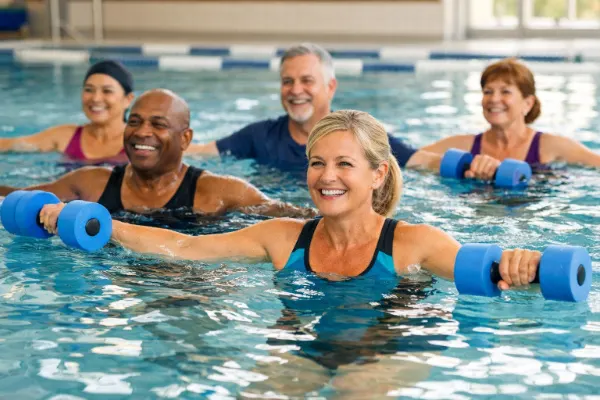
Water aerobics involves performing exercises in a pool, usually in waist deep or chest deep water. These exercises can include walking, stretching, leg lifts, arm movements, and light resistance training using water weights.
The magic lies in the properties of water. Water reduces the impact on joints while still providing resistance. That means you can move freely without putting pressure on sensitive areas like knees, hips, or the lower back.
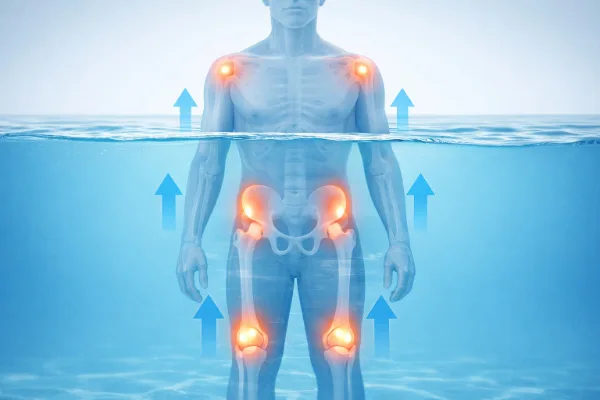
When you step into water, your body weight effectively decreases. Research shows that water can reduce body weight load by up to 90 percent depending on depth. This allows people with joint pain to exercise without triggering discomfort.
At the same time, water creates natural resistance. Every movement you make requires effort, which helps build strength and improve flexibility without the need for heavy equipment.
Why Water Aerobics for Joint Pain Is So Effective
People often ask why water aerobics works better than land based exercises. The answer is simple. It combines safety with effectiveness.
First, it reduces stress on joints. When you exercise on land, gravity pushes down on your body. In water, buoyancy supports your weight, making movements smoother and less painful.
Second, it improves circulation. Warm water increases blood flow, which helps reduce stiffness and promotes healing in affected joints.
Third, it enhances mobility. Regular water aerobics sessions can improve range of motion, making daily activities easier over time.
Fourth, it strengthens muscles without strain. Strong muscles support joints better, which reduces pain in the long run.
According to the Centers for Disease Control and Prevention, aquatic exercise can significantly improve pain and function in people with arthritis and joint issues.
Who Should Try Water Aerobics for Joint Pain
Water aerobics is suitable for a wide range of people. You do not need to be a swimmer or athlete to start.
It works well for older adults dealing with age related joint stiffness. It also helps people recovering from injuries or surgeries. Many individuals with conditions like osteoarthritis, rheumatoid arthritis, or chronic back pain benefit from this type of exercise.
Even people who are overweight find water aerobics helpful. The reduced weight bearing makes it easier to move without discomfort.
If you feel intimidated by traditional workouts, water aerobics offers a welcoming alternative. It feels less intense, but it still delivers real results.
Key Benefits You Will Notice Over Time
When you start practicing water aerobics for joint pain regularly, you may notice several positive changes.
Pain levels often decrease gradually. Many people report feeling relief after just a few sessions. The warm water relaxes muscles and reduces stiffness.
Flexibility improves as your joints move through a wider range without resistance from gravity. This helps with everyday movements like bending, reaching, or walking.
Strength builds slowly but steadily. Water resistance challenges your muscles in a safe way, which leads to better joint support.
Balance and coordination also improve. The water environment forces your body to stabilize itself, which can reduce the risk of falls.
Mental health benefits should not be ignored either. Exercise releases endorphins, and being in water often has a calming effect. Many people feel less stressed and more energized after a session.
How to Start Water Aerobics Safely
Starting something new can feel overwhelming, but water aerobics is quite beginner friendly.
Begin with short sessions, around 20 to 30 minutes. Focus on simple movements like walking in water, gentle leg lifts, and arm swings.
Choose a pool with warm water if possible. Warmer temperatures help relax muscles and reduce joint stiffness.
Wear comfortable swimwear and consider water shoes for better grip. Safety always comes first, especially if you are new to aquatic environments.
If you have a medical condition, consult your doctor before starting. This ensures that your exercise plan aligns with your health needs.
Joining a guided class can also help. Instructors can show proper techniques and ensure you are performing exercises correctly.
Best Water Aerobics Exercises for Joint Pain
You do not need a complex routine to see results. Simple movements can make a big difference.
Water walking is one of the easiest exercises. Walk back and forth in the pool while maintaining good posture. This improves mobility and builds endurance.
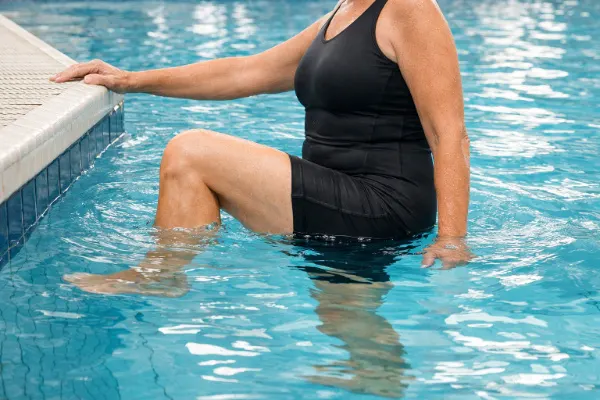
Leg lifts help strengthen lower body muscles. Hold onto the pool edge and slowly lift one leg at a time.
Arm circles and pushes work the upper body. Moving your arms through water creates resistance that strengthens shoulders and arms.
Gentle squats in water are also effective. The water supports your body, making the movement easier on the knees.
Consistency matters more than intensity. Regular sessions, even if they are simple, deliver better results than occasional intense workouts.
Scientific Evidence Behind Water Aerobics
Water aerobics for joint pain is not just popular because it feels good. It is backed by research.
A study published by the National Institutes of Health found that aquatic exercise significantly reduced pain and improved physical function in people with knee and hip arthritis.
Another review in the Journal of Physical Therapy Science showed that water based exercise improved strength, flexibility, and overall quality of life in individuals with chronic joint conditions.
The Arthritis Foundation also recommends aquatic exercise as a safe and effective way to manage joint pain and improve mobility.
These findings highlight that water aerobics is more than a temporary relief method. It supports long term joint health.
Common Mistakes to Avoid
While water aerobics is gentle, some mistakes can limit its benefits.
Skipping warm up exercises can lead to stiffness. Always start with slow movements to prepare your body.
Overdoing it in the beginning can cause fatigue. Start slow and increase intensity gradually.
Ignoring posture can reduce effectiveness. Keep your back straight and engage your core during exercises.
Using incorrect techniques may strain muscles. If possible, learn from a trained instructor.
Avoid comparing yourself to others. Everyone progresses at their own pace, especially when dealing with joint pain.
How Often Should You Do It
Consistency is key when it comes to water aerobics for joint pain.
Most experts recommend practicing two to four times per week. This frequency allows your body to adapt while giving joints time to recover.
Each session can last between 30 to 45 minutes depending on your comfort level.
Listen to your body. If you feel pain, adjust your routine. Mild discomfort is normal when starting, but sharp pain is not.
Over time, you will build stamina and confidence, allowing you to extend your sessions gradually.
Comparing Water Aerobics to Other Exercises
Many people wonder how water aerobics compares to activities like walking, yoga, or gym workouts.
Walking on land is simple but can put pressure on joints, especially knees and hips.
Yoga improves flexibility but may involve positions that strain sensitive joints.
Gym workouts can build strength, but heavy weights often increase joint stress.
Water aerobics stands out because it combines the benefits of all these activities while minimizing risks.
It offers resistance training, flexibility improvement, and cardiovascular benefits in a joint friendly environment.
Real Life Impact of Water Aerobics
People who stick with water aerobics often experience noticeable lifestyle changes.
They find it easier to perform daily tasks like climbing stairs or carrying groceries.
Many report reduced dependence on pain medications. While exercise is not a replacement for medical treatment, it can support overall pain management.
Confidence also improves. When movement becomes easier, people feel more in control of their bodies.
This positive cycle encourages long term commitment to physical activity.
Tips to Stay Motivated
Staying consistent can be challenging, especially when dealing with pain.
Set realistic goals. Focus on small improvements rather than quick results.
Track your progress. Notice changes in flexibility, strength, or pain levels.
Exercise with a friend or join a group class. Social interaction makes workouts more enjoyable.
Mix up your routine to avoid boredom. Try different exercises or vary intensity.
Celebrate your progress. Every step forward counts, no matter how small it seems.
Is Water Aerobics Right for You
Water aerobics for joint pain is one of the safest exercise options available, but it is still important to consider your individual needs.
If you experience chronic joint pain, stiffness, or limited mobility, this exercise can be a great starting point.
If you enjoy water and prefer low impact activities, you will likely find it both effective and enjoyable.
Even if you have never exercised before, water aerobics offers a gentle introduction to physical activity.
The key is to start slowly, stay consistent, and listen to your body.
Frequently Asked Questions
Is water aerobics for joint pain really effective?
Yes, water aerobics for joint pain is highly effective because water reduces pressure on joints while still providing resistance. This allows you to exercise without worsening pain. Studies show it can improve mobility, reduce stiffness, and strengthen muscles that support your joints.
How often should I do water aerobics for joint pain?
Most experts recommend doing water aerobics for joint pain two to four times per week. Regular sessions of 30 to 45 minutes can help reduce pain and improve flexibility over time. Consistency matters more than intensity.
Can beginners start water aerobics for joint pain?
Absolutely. Water aerobics for joint pain is beginner friendly and does not require swimming skills. You can start with simple movements like water walking and gentle leg lifts, then gradually increase intensity as your comfort improves.
Is water aerobics better than walking for joint pain?
Water aerobics for joint pain is often better than walking on land because it reduces impact on knees and hips. The buoyancy of water supports your body weight, making movement easier and less painful while still building strength.
What conditions benefit most from water aerobics for joint pain?
Water aerobics for joint pain works well for conditions like osteoarthritis, rheumatoid arthritis, and chronic back or knee pain. It is also helpful for people recovering from injuries or surgery, as it allows safe movement without strain.
Final Thoughts
Water aerobics for joint pain is more than just a workout. It is a practical solution for people who want to stay active without worsening their condition.
It reduces pressure on joints, improves mobility, and builds strength in a safe and supportive environment.
Unlike many fitness trends, this approach is backed by research and recommended by health experts.
If joint pain has been holding you back, water aerobics might be the breakthrough you need. It allows you to move freely, feel better, and regain control over your daily life.
Sometimes, the best solutions are the simplest ones. In this case, stepping into a pool might be the first step toward lasting relief.
Sources
Centers for Disease Control and Prevention Aquatic Exercise Benefits
National Institutes of Health Aquatic Exercise and Arthritis Study
Arthritis Foundation Water Exercise Programs
Journal of Physical Therapy Science Aquatic Therapy Research
Author Bio
Jennifer Collins is a wellness researcher and natural health writer focused on adults over 40. With 3+ years of experience in digital health content, Jennifer specializes in making science-backed nutrition and lifestyle strategies easy to follow and apply.
Health Disclaimer
This content is for informational purposes only and is not intended to diagnose, treat, or cure any disease. Always consult your healthcare provider before making changes to your diet or health routine. This article may include affiliate links, which come at no extra cost to you.