
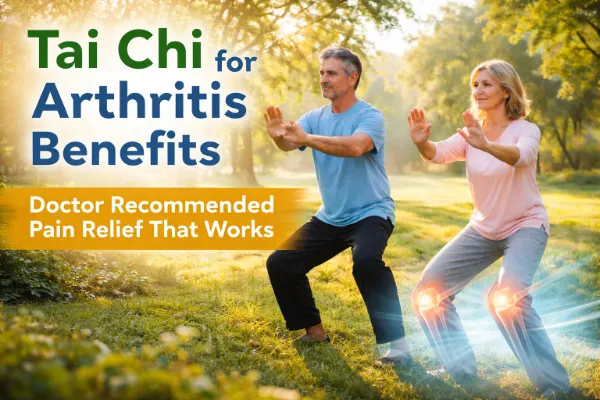
Arthritis does not just affect joints. It affects how you move, sleep, and enjoy daily life. Many people look for relief beyond medication, especially options that feel natural and safe. That is where tai chi comes in. Over the past decade, doctors and researchers have increasingly recommended tai chi for arthritis benefits because it combines gentle movement, balance training, and mindfulness in one practice.
This article explains why tai chi works, what science says, and how you can start safely. You will not find exaggerated claims here. Everything is based on credible medical research and real-world clinical recommendations.
If you want another gentle exercise option, you can also explore Yoga for Joint Pain Beginners Over 50: Easy Routine That Works, which complements tai chi for arthritis benefits with simple, low-impact movements.
Table of Contents
What Is Tai Chi and Why It Matters for Arthritis
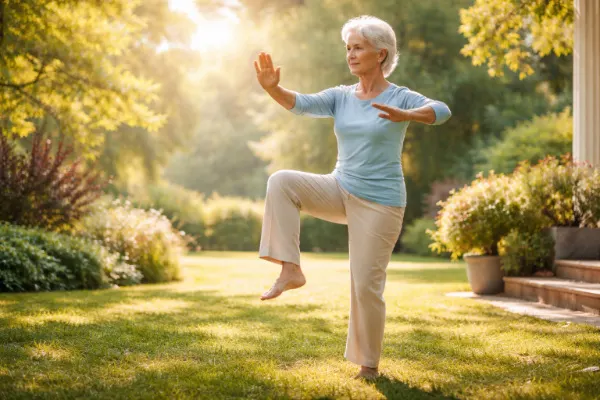
Tai chi started as a traditional Chinese martial art, but today people practice it as a slow, controlled exercise. Each movement flows into the next. You do not rush. You do not strain. Instead, you move with intention and awareness.
That approach matters for arthritis. High-impact workouts often worsen joint pain. Tai chi takes the opposite path. It uses low-impact, weight-bearing movements that strengthen muscles while protecting joints.
Doctors often describe tai chi as “meditation in motion.” That is not just a poetic phrase. It reflects how tai chi supports both physical and mental health. Arthritis pain often worsens with stress, and tai chi helps calm the nervous system.
Why Doctors Recommend Tai Chi for Arthritis
Many physicians now recommend tai chi as part of a comprehensive arthritis management plan. The reason is simple. It works, and it carries very low risk.
The American College of Rheumatology includes tai chi in its guidelines for osteoarthritis treatment. They recommend it because it improves function and reduces pain without the side effects linked to long-term medication use.
Unlike intense workouts, tai chi adapts to different fitness levels. Older adults, beginners, and people with limited mobility can all practice it safely.
Doctors also appreciate that tai chi addresses multiple issues at once. It improves joint flexibility, muscle strength, balance, and mental well-being. Few exercises deliver that combination.
How Tai Chi Reduces Arthritis Pain
Pain relief remains the biggest reason people try tai chi. The benefits come from several mechanisms working together.
First, tai chi improves joint mobility. When joints move gently and regularly, stiffness decreases. Many people with arthritis avoid movement because of pain, but that leads to more stiffness. Tai chi breaks that cycle.
Second, tai chi strengthens the muscles around joints. Strong muscles support joints better, which reduces strain and discomfort.
Third, tai chi improves circulation. Better blood flow helps deliver nutrients to joint tissues and remove waste products that contribute to inflammation.
Finally, tai chi lowers stress hormones. Chronic stress can amplify pain signals in the body. By calming the mind, tai chi reduces how intensely you feel pain.
Scientific Evidence Behind Tai Chi for Arthritis Benefits
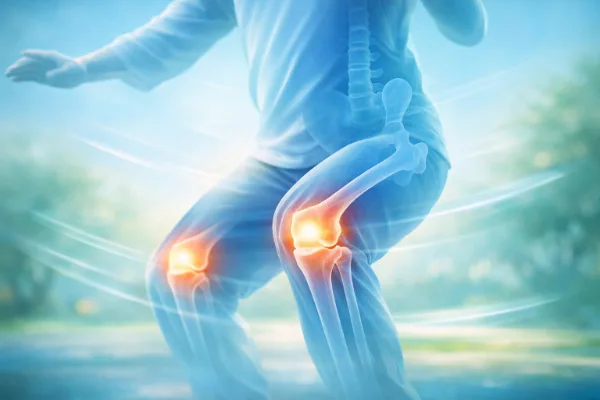
Research consistently supports the effectiveness of tai chi for arthritis. Several clinical trials and systematic reviews highlight its impact.
A study published in the Annals of Internal Medicine found that tai chi significantly reduced pain and improved physical function in people with knee osteoarthritis. Participants also reported better quality of life.
Another review in the British Journal of Sports Medicine analyzed multiple studies and concluded that tai chi provides moderate improvements in pain and function for arthritis patients.
Harvard Medical School also recognizes tai chi as a safe and effective exercise for people with joint conditions. Their research emphasizes improvements in balance, flexibility, and muscle strength.
These findings explain why healthcare providers trust tai chi. It delivers measurable results without aggressive interventions.
Tai Chi Improves Joint Flexibility and Range of Motion
Stiff joints make everyday tasks difficult. Simple actions like climbing stairs or getting out of a chair can feel overwhelming.
Tai chi addresses this problem directly. Its slow movements guide joints through their natural range of motion. You do not force the movement. You allow it.
Over time, this gentle repetition improves flexibility. Many people notice they can move more freely after a few weeks of practice.
Improved flexibility also reduces the risk of injury. When joints move smoothly, they handle stress better.
Balance and Fall Prevention
Arthritis often affects balance. Pain and stiffness can make walking unstable, increasing the risk of falls.
Tai chi focuses heavily on balance. Many movements involve shifting weight from one leg to another while maintaining control.
This training strengthens stabilizing muscles and improves coordination. Studies show that people who practice tai chi experience fewer falls compared to those who do not.
For older adults, this benefit can be life-changing. Preventing falls reduces the risk of fractures and long-term disability.
Muscle Strength Without Joint Stress
Traditional strength training can feel intimidating for people with arthritis. Heavy weights may worsen pain if done incorrectly.
Tai chi offers a safer alternative. It builds strength through bodyweight movements and controlled transitions.
These movements activate muscles without placing excessive pressure on joints. As muscles grow stronger, they provide better joint support.
This improvement reduces daily pain and makes activities like walking or carrying groceries easier.
Mental Health Benefits You Should Not Ignore
Arthritis does not only affect the body. It often leads to frustration, anxiety, and even depression.
Tai chi helps address these challenges. The practice encourages deep breathing and mindful awareness. This combination reduces stress and promotes relaxation.
Many people report feeling calmer after a session. Over time, this mental clarity improves overall well-being.
Better mental health also influences physical health. When stress decreases, inflammation levels often drop as well.
Tai Chi Supports Long-Term Arthritis Management
Arthritis is a chronic condition. That means long-term management matters more than quick fixes.
Tai chi fits perfectly into this approach. It is sustainable, enjoyable, and adaptable.
Unlike intense workout programs that people abandon after a few weeks, tai chi encourages consistency. You can practice it daily without exhausting your body.
Consistency leads to lasting results. Regular practice helps maintain mobility, reduce pain, and improve quality of life over time.
Who Can Benefit From Tai Chi
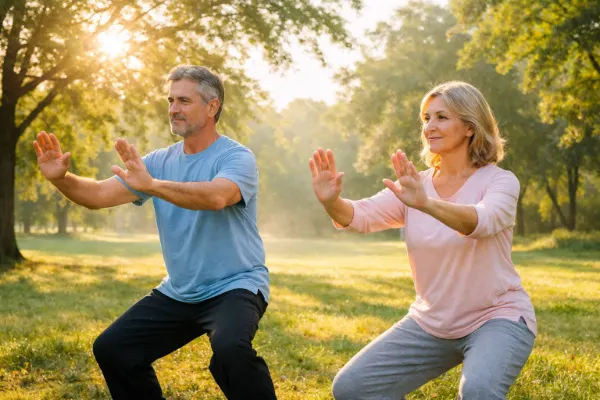
Tai chi works for a wide range of people. You do not need prior experience or high fitness levels.
People with osteoarthritis often benefit the most, especially those with knee or hip involvement. However, individuals with rheumatoid arthritis can also experience improvements in flexibility and well-being.
Older adults find tai chi particularly helpful because it improves balance and reduces fall risk.
Even younger individuals with joint pain can use tai chi as a preventive and therapeutic tool.
How to Start Tai Chi Safely
Starting tai chi does not require expensive equipment or a gym membership. You only need comfortable clothing and a small space.
Look for beginner classes, either in person or online. Certified instructors can guide you through proper techniques and ensure you move safely.
If you prefer learning at home, choose programs designed specifically for arthritis. These routines focus on gentle movements and avoid unnecessary strain.
Start slow. Practice for 10 to 15 minutes a day and gradually increase your time.
If you have severe arthritis or other medical conditions, consult your doctor before beginning any new exercise program.
Common Mistakes to Avoid
Many beginners make simple mistakes that reduce the effectiveness of tai chi.
Some people rush through movements. Tai chi works best when you move slowly and deliberately.
Others ignore posture. Proper alignment ensures that you gain maximum benefit without stressing joints.
Skipping warm-ups can also lead to discomfort. Always begin with gentle stretches.
Finally, inconsistency limits results. Practicing once a week will not deliver the same benefits as regular sessions.
Tai Chi vs Other Exercises for Arthritis
Many exercises help manage arthritis, including walking, swimming, and yoga. Each option has its advantages.
Walking improves cardiovascular health but may strain joints if done on hard surfaces.
Swimming provides excellent low-impact exercise but requires access to a pool.
Yoga improves flexibility but may include poses that feel challenging for beginners with joint pain.
Tai chi stands out because it combines the best aspects of these activities. It is low-impact, accessible, and adaptable. It also integrates mental relaxation, which many other exercises overlook.
Realistic Expectations
Tai chi does not cure arthritis. No exercise can reverse joint damage completely.
However, it can significantly improve how you feel and function. Many people experience reduced pain, better mobility, and improved mood.
Results vary depending on consistency and severity of the condition. Most people notice benefits within a few weeks of regular practice.
The key is patience. Tai chi works gradually, but its effects last longer than quick fixes.
Frequently Asked Questions
What are the main tai chi for arthritis benefits?
Tai chi for arthritis benefits include reduced joint pain, improved flexibility, better balance, and increased muscle strength. It also helps lower stress levels, which can reduce inflammation and make pain easier to manage over time.
Is tai chi safe for people with arthritis?
Yes, tai chi is considered one of the safest exercises for arthritis. Doctors often recommend it because it uses slow, low-impact movements that do not strain the joints while still improving mobility and strength.
How often should I practice tai chi to see arthritis benefits?
To experience tai chi for arthritis benefits, most experts suggest practicing at least 3 to 5 times per week. Even 15 to 30 minutes per session can lead to noticeable improvements in pain and flexibility within a few weeks.
Can tai chi really reduce arthritis pain naturally?
Yes, studies show that tai chi can reduce arthritis pain by improving joint movement, strengthening supporting muscles, and lowering stress. These combined effects help decrease stiffness and improve overall joint function.
Which type of arthritis responds best to tai chi?
Tai chi works especially well for osteoarthritis, particularly in the knees and hips. However, people with rheumatoid arthritis can also experience tai chi for arthritis benefits such as improved flexibility, balance, and reduced discomfort.
Final Thoughts
Tai chi offers a practical, science-backed solution for managing arthritis. Doctors recommend it because it addresses pain, mobility, strength, and mental health all at once.
Unlike aggressive treatments, tai chi works with your body rather than against it. Its gentle movements make it accessible to almost everyone.
If you want a sustainable way to manage arthritis, tai chi deserves serious consideration. Start small, stay consistent, and allow the benefits to build over time.
Sources
American College of Rheumatology
British Journal of Sports Medicine
Author Bio
Jennifer Collins is a wellness researcher and natural health writer focused on adults over 40. With 3+ years of experience in digital health content, Jennifer specializes in making science-backed nutrition and lifestyle strategies easy to follow and apply.
Health Disclaimer
This content is for informational purposes only and is not intended to diagnose, treat, or cure any disease. Always consult your healthcare provider before making changes to your diet or health routine. This article may include affiliate links, which come at no extra cost to you.