

Knee pain walking downstairs after 50 is one of those frustrating problems that sneaks up quietly and then refuses to leave. You may walk fine on flat ground, but the moment you start descending stairs, your knee reminds you who’s in charge. It feels stiff, achy, or even sharp. Sound familiar?
You’re not alone. Many adults over 50 experience knee pain descending stairs because the joint handles more stress during downward movement than almost any other daily activity. The good news is that most cases improve with the right approach.
This guide breaks down the real causes and natural fixes without fluff or exaggerated claims. Let’s get into what’s actually happening inside your knee and how to fix it.
Table of Contents
Why Knee Pain Walking Downstairs After 50 Happens
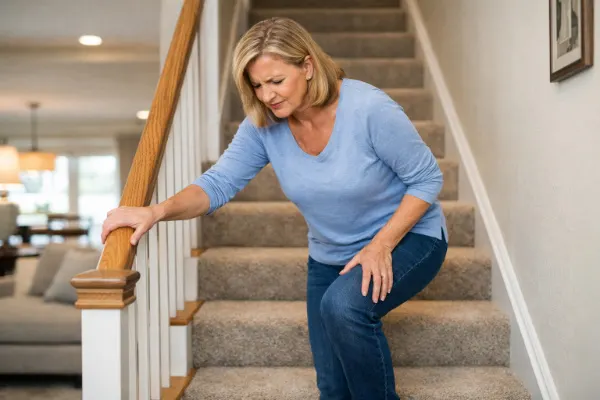
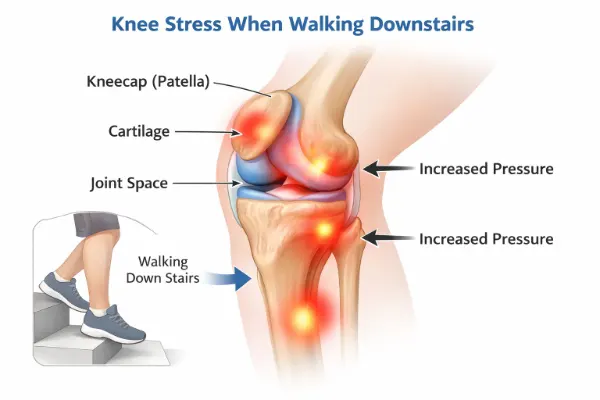
When you walk downstairs, your knee absorbs up to three to four times your body weight. That load increases even more if your muscles are weak or your joints are stiff.
As we age, several changes occur. Cartilage becomes thinner, muscles lose strength, and joint lubrication decreases. These changes don’t always cause pain on flat surfaces, but stairs expose the weakness quickly.
That’s why many people say their knee hurts going down stairs but feels fine otherwise.
Common Causes of Knee Pain Descending Stairs
Patellofemoral Pain Over 50
Patellofemoral pain over 50 is one of the most common reasons for knee discomfort. It occurs when the kneecap does not glide smoothly over the thigh bone.
This leads to irritation behind the kneecap, especially during activities like descending stairs. You may feel a dull ache, grinding sensation, or pressure in the front of your knee.
A 2022 review in the Journal of Orthopaedic Research confirms that patellofemoral pain increases with age due to cartilage wear and muscle imbalance.
Knee Osteoarthritis
Osteoarthritis becomes more common after 50. It develops when cartilage wears down over time, causing bones to rub together.
This condition often leads to stiffness in the morning and pain during movement. Walking downstairs can feel particularly uncomfortable because the joint compresses more under load.
According to the Centers for Disease Control and Prevention, osteoarthritis affects millions of adults and remains a leading cause of knee pain after midlife.
Weak Quadriceps Muscles
Your quadriceps control how your knee bends and straightens. When they weaken, your knee joint takes on more stress.
This imbalance explains why knee pain walking downstairs after 50 often links to muscle weakness rather than just joint damage.
Research published in the American Journal of Physical Medicine shows that strengthening the quadriceps significantly reduces knee pain in older adults.
Tight Hamstrings and Calves
Muscle tightness limits knee mobility. Tight hamstrings pull on the knee joint, while stiff calves affect how your foot lands during movement.
These small issues add up and increase strain when you descend stairs.
Poor Joint Alignment
Over time, posture changes and movement patterns shift. Your knee may not track properly, especially if you have flat feet or hip weakness.
This misalignment contributes to knee pain descending stairs and can worsen if left unaddressed.
Symptoms You Should Not Ignore
Knee pain walking downstairs after 50 does not always mean something serious, but certain signs deserve attention.
Pain that worsens over time, swelling, or a feeling that the knee might give out should not be ignored. Clicking or grinding sounds paired with discomfort also suggest underlying issues like patellofemoral pain over 50 or early arthritis.
If your knee hurts going down stairs and the pain lasts for weeks, it’s time to take action.
Natural Fixes That Actually Work
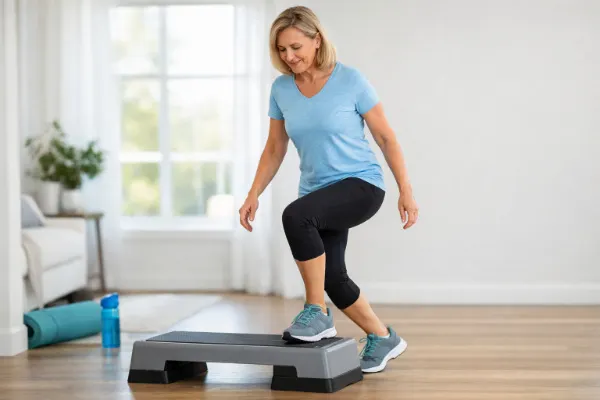
You don’t need complicated treatments to manage knee pain descending stairs. Most people improve with simple, consistent changes.
Along with exercises and lifestyle changes, many people also use topical solutions. This breakdown of Best Knee Pain Relief Cream 2026 That Works Fast | Real Results & Reviews explains which options may help reduce discomfort faster.
Strengthening Exercise
Building muscle around the knee reduces pressure on the joint.
Focus on controlled movements like squats, step downs, and leg raises. Start slow and maintain proper form.
Strong quadriceps and glutes act like shock absorbers. They reduce the load your knee handles when walking downstairs.
Stretching Tight Muscles
Stretching improves flexibility and reduces tension around the knee.
Daily stretching of hamstrings and calves can make a noticeable difference within weeks. It helps your knee move more freely and decreases discomfort during stair use.
Weight Management
Even a small reduction in weight lowers stress on your knees. Research shows that losing just 5 to 10 percent of body weight significantly reduces knee pain.
When you walk downstairs, less weight means less force pressing on your joint.
Improve Walking Technique
Most people don’t realize how much technique matters.
Take stairs slowly and avoid rushing. Use the handrail for support. Place your full foot on each step instead of just your toes.
These simple adjustments can reduce knee pain walking downstairs after 50 almost immediately.
Use Supportive Footwear
Shoes with good cushioning and arch support help align your legs properly.
Worn-out shoes increase impact and can worsen knee pain descending stairs.
Apply Heat or Cold Therapy
Heat works well for stiffness, while cold packs reduce inflammation after activity.
Use them strategically depending on your symptoms.
Lifestyle Changes That Support Long-Term Relief
Fixing knee pain walking downstairs after 50 is not just about exercises. Your daily habits play a huge role.
Stay active but avoid high-impact activities like running on hard surfaces. Choose low-impact options such as swimming or cycling.
Hydration also matters more than most people think. Joint cartilage relies on proper hydration to maintain its cushioning ability.
Sleep and recovery should not be overlooked. Your body repairs tissues during rest, so poor sleep can slow healing.
When to See a Doctor
Natural fixes work for most cases, but some situations require medical advice.
If your knee locks, swells significantly, or causes severe pain, consult a healthcare professional. Persistent pain may indicate advanced osteoarthritis or structural damage.
Early intervention often prevents bigger problems later.
How Long Does Recovery Take?
This depends on the cause. Muscle-related issues improve within a few weeks if you stay consistent.
Conditions like patellofemoral pain over 50 may take longer but still respond well to targeted exercises.
Osteoarthritis requires ongoing management, but many people reduce symptoms significantly with lifestyle changes.
Consistency matters more than intensity. Small daily efforts beat occasional intense workouts.
Preventing Knee Pain in the Future
Once you manage knee pain descending stairs, prevention becomes your next goal.
Keep your muscles strong and flexible. Maintain a healthy weight and stay active.
Pay attention to early signs. If your knee hurts going down stairs occasionally, don’t ignore it. Addressing minor discomfort early prevents chronic issues.
Frequently Asked Questions
Why do I have knee pain walking downstairs after 50 but not on flat ground?
Knee pain walking downstairs after 50 often happens because your knee تحملs more pressure during downward movement. When you descend stairs, the joint absorbs several times your body weight. Weak muscles, cartilage wear, or patellofemoral pain over 50 can make this movement painful even if walking on flat ground feels fine.
Is knee pain descending stairs a sign of arthritis?
Knee pain descending stairs can be an early sign of osteoarthritis, especially after 50. However, it does not always mean arthritis. Muscle weakness, poor alignment, or patellofemoral pain over 50 can also cause similar symptoms. A proper evaluation helps identify the exact cause.
What exercises help reduce knee pain walking downstairs after 50?
Exercises that strengthen the quadriceps, glutes, and hips help reduce knee pain walking downstairs after 50. Controlled movements like step downs, leg raises, and mini squats improve joint stability and reduce pressure on the knee during stair movement.
Why does my knee hurt going down stairs more than going up?
If your knee hurts going down stairs more than going up, it is because descending places higher stress on the knee joint. The muscles must control your body weight while lowering, which increases strain on the kneecap and surrounding structures.
Can knee pain walking downstairs after 50 be treated naturally?
Yes, knee pain walking downstairs after 50 can often be improved naturally. Strength training, stretching, proper footwear, and maintaining a healthy weight help reduce stress on the knee. Consistency with these habits usually leads to noticeable improvement over time.
Final Thoughts
Knee pain walking downstairs after 50 is common, but it’s not something you have to accept as normal aging.
In many cases, the root cause comes down to muscle weakness, joint stress, or minor alignment issues rather than severe damage.
With consistent strengthening, better movement habits, and smart lifestyle changes, most people see real improvement.
Your knees have carried you for decades. Taking care of them now ensures they keep supporting you for years to come.
Sources
Centers for Disease Control and Prevention
Journal of Orthopaedic Research
American Journal of Physical Medicine and Rehabilitatio
Author Bio
Jennifer Collins is a wellness researcher and natural health writer focused on adults over 40. With 3+ years of experience in digital health content, Jennifer specializes in making science-backed nutrition and lifestyle strategies easy to follow and apply.
Health Disclaimer
This content is for informational purposes only and is not intended to diagnose, treat, or cure any disease. Always consult your healthcare provider before making changes to your diet or health routine. This article may include affiliate links, which come at no extra cost to you.