

Lower back pain after sitting all day has quietly become one of the most common health complaints in modern life. If you spend hours at a desk, in a car, or on a couch, you already know the feeling. That dull ache creeps in, your posture collapses, and by evening your back feels stiff, tight, and sometimes unbearable.
This is not just discomfort. It is your body reacting to how you use it.
In this guide, you will learn why lower back pain after sitting all day happens, what causes it at a deeper level, and how to fix it with practical, science-backed strategies. No fluff. No fake claims. Just what actually works.
Table of Contents
Why Lower Back Pain After Sitting All Day Happens
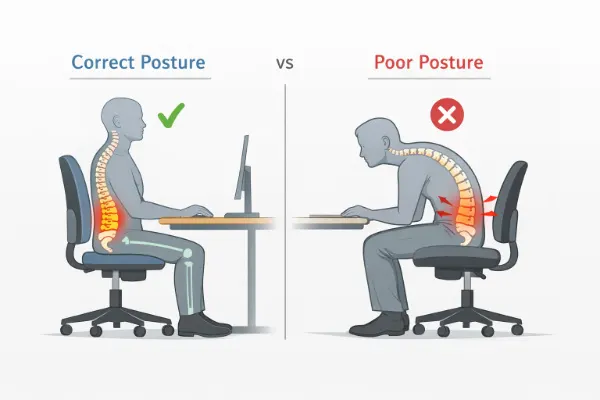
Your body was built to move, not to sit for long periods. When you sit for hours, several things happen at once, and none of them are good for your spine.
First, your hip flexors tighten. These muscles sit at the front of your hips and shorten when you stay seated too long. Tight hip flexors pull on your pelvis, which increases stress on your lower back.
Second, your core muscles switch off. Your core supports your spine, but sitting reduces its engagement. Over time, this leads to weakness and instability.
Third, your spine compresses. Sitting places more pressure on your lumbar discs than standing. According to research published in the journal Spine, sitting can increase spinal disc pressure by up to 40 percent compared to standing.
Now combine all of this and you get a perfect recipe for lower back pain after sitting all day.
If your lower back pain after sitting all day keeps coming back, you may also want to explore this detailed guide on Back Pain Miracle Review 2026: Does This Program Really Work for Fast Relief? to understand structured relief methods.
The Real Causes Behind Back Pain From Sitting
Most people assume their chair is the problem. It is not that simple.
Back pain from sitting usually comes from a mix of habits, posture, and muscle imbalance.
Poor Posture
Slouching shifts your spine out of alignment. Your shoulders roll forward, your head moves ahead of your body, and your lower back rounds. This puts extra strain on muscles and ligaments.
Weak Core Muscles
A weak core forces your lower back to take over the job of stabilizing your body. That leads to fatigue and pain.
Tight Hamstrings and Hip Flexors
These muscles connect directly to your pelvis. When they tighten, they change your posture and increase lumbar strain.
Lack of Movement
Your body needs circulation and movement to stay healthy. Sitting for long periods reduces blood flow to muscles and joints.
All these factors contribute to desk job back pain, especially if you repeat the same routine every day.
How Sedentary Back Pain Builds Over Time
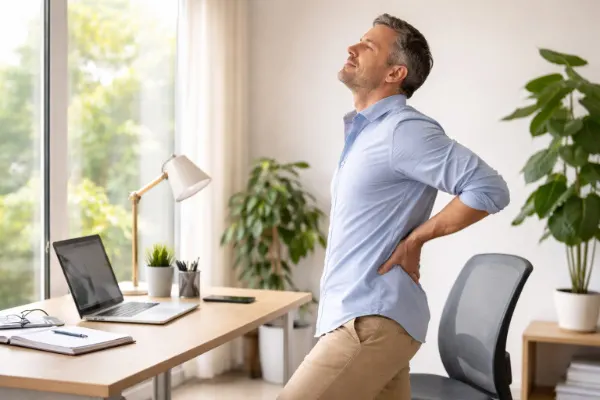
Sedentary back pain does not appear overnight. It builds slowly.
At first, you might notice mild stiffness. Then discomfort becomes more frequent. Eventually, pain shows up daily.
The real issue is adaptation. Your body adapts to inactivity. Muscles weaken, joints stiffen, and your movement patterns change.
This is why many people feel worse after resting instead of better. Their body has adapted to the wrong position.
The Link Between Lumbar Pain Sitting and Spinal Health
Lumbar pain sitting directly affects your spine’s natural curve.
Your lower spine has a natural inward curve called lordosis. Sitting for long periods flattens this curve. When that happens, your spinal discs absorb more pressure.
Over time, this can lead to:
- Disc irritation
- Muscle strain
- Nerve compression
This explains why lumbar pain sitting can sometimes radiate into the hips or legs.
Signs Your Sitting Habits Are Causing Damage
Your body gives warning signs before serious problems develop.
You might feel stiffness when you stand up after sitting. You may notice tight hips or a dull ache in your lower back. Some people experience sharp pain when bending or lifting.
If you ignore these signs, the condition can worsen. That is why early correction matters.
How to Fix Lower Back Pain After Sitting All Day
Fixing lower back pain after sitting all day requires consistent action. Quick fixes do not work. Your goal should be to change habits and support your body properly.
Improve Your Sitting Posture
Start with alignment. Sit with your feet flat on the ground. Keep your knees at hip level. Maintain a slight curve in your lower back.
Your screen should be at eye level. Your shoulders should stay relaxed, not hunched.
Good posture reduces unnecessary strain on your spine.
Take Movement Breaks
This is one of the most effective solutions.
Stand up every 30 to 45 minutes. Walk around. Stretch lightly. Even a short break can reduce pressure on your spine and improve circulation.
Movement resets your body.
Strengthen Your Core
Your core acts like a support system for your spine.
Exercises like planks, bridges, and bird dogs can improve stability. A stronger core reduces the load on your lower back.
Consistency matters more than intensity.
Stretch Tight Muscles
Focus on your hips and hamstrings.
Simple stretches can reduce tension and restore balance. Try hip flexor stretches, hamstring stretches, and gentle spinal twists.
This helps correct the muscle imbalances that cause pain.
Adjust Your Workspace
Your environment plays a big role in desk job back pain.
Use a chair that supports your lower back. Keep your keyboard and mouse within easy reach. Avoid leaning forward.
Small adjustments can make a big difference over time.
Help With Sedentary Back Pain?
Many people look for solutions beyond exercise and posture. This is where products like come into the conversation.
Depending on what offers, it may support pain relief, posture correction, or muscle recovery. However, no product can replace movement and proper habits.
If focuses on ergonomic support or muscle relief, it can complement your routine. But it should not become your only solution.
Always focus on long-term lifestyle changes first.
Daily Routine to Reduce Back Pain From Sitting
A simple daily routine can significantly reduce discomfort.
Start your day with light stretching. During work hours, take regular movement breaks. In the evening, include strengthening exercises.
This routine keeps your muscles active and prevents stiffness from building up.
Consistency beats perfection every time.
Common Mistakes People Make
Many people try to fix lower back pain after sitting all day but end up making things worse.
They rely only on pain relief methods without addressing the root cause. They sit for long hours and then try to compensate with intense workouts. They ignore posture and blame their chair.
These mistakes slow down recovery.
The solution is balance. Combine movement, strength, and awareness.
When You Should See a Professional
Most cases of lower back pain improve with lifestyle changes. However, some symptoms require medical attention.
If you experience severe pain, numbness, tingling, or pain that radiates down your leg, consult a healthcare professional.
These could indicate nerve involvement or a more serious condition.
Frequently Asked Questions
Why do I get lower back pain after sitting all day?
Lower back pain after sitting all day usually happens because your muscles stay inactive for too long. Sitting tightens your hip flexors, weakens your core, and increases pressure on your spine. Over time, this leads to stiffness, poor posture, and pain in the lower back.
How can I quickly relieve lower back pain after sitting all day?
To relieve lower back pain after sitting all day, stand up and move every 30 to 45 minutes. Gentle stretching, especially for your hips and hamstrings, can reduce tension. Improving your sitting posture and using proper lumbar support can also provide fast relief.
Can sitting too long cause permanent back problems?
Yes, sitting for long hours without movement can contribute to long-term issues. Chronic lower back pain after sitting all day may lead to muscle imbalances, disc strain, and reduced spinal flexibility. However, regular movement and proper posture can prevent serious damage.
What is the best sitting position to avoid lower back pain after sitting all day?
The best position keeps your spine in a natural curve. Sit with your feet flat on the floor, knees at hip level, and your back supported. Keep your screen at eye level and avoid slouching. This reduces strain and helps prevent lower back pain after sitting all day.
How can I prevent lower back pain after sitting all day at a desk job?
Preventing lower back pain after sitting all day requires consistent habits. Take regular breaks, strengthen your core, stretch daily, and set up an ergonomic workspace. Small changes like adjusting your chair and posture can significantly reduce desk-related back pain over time.
Final Thoughts
Lower back pain after sitting all day is not just a minor inconvenience. It is a signal that your body needs change.
The good news is that you can fix it. You do not need complicated treatments or extreme routines. You need consistent habits, better posture, and regular movement.
Start small. Adjust your sitting position. Take breaks. Strengthen your core. Stretch your muscles.
Over time, these simple steps can transform how your body feels.
Your back does not need perfection. It needs attention.
Sources
National Institute of Neurological Disorders and Stroke
Spine Journal Study on Sitting Pressure
Author Bio
Jennifer Collins is a wellness researcher and natural health writer focused on adults over 40. With 3+ years of experience in digital health content, Jennifer specializes in making science-backed nutrition and lifestyle strategies easy to follow and apply.
Health Disclaimer
This content is for informational purposes only and is not intended to diagnose, treat, or cure any disease. Always consult your healthcare provider before making changes to your diet or health routine. This article may include affiliate links, which come at no extra cost to you