
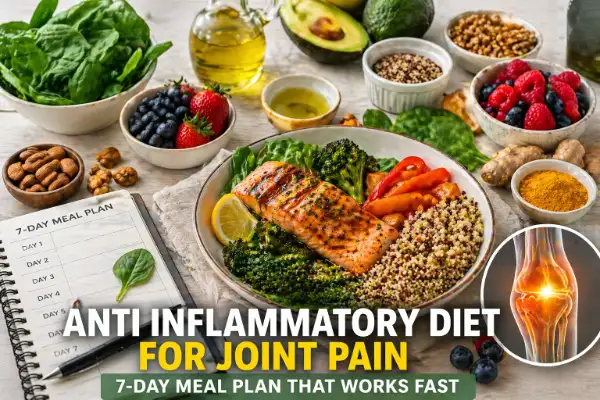
Joint pain can quietly take over your daily life. One day it feels like mild stiffness. The next, even opening a jar feels like a full workout. If you’re searching for a natural way to manage this, an anti inflammatory diet for joint pain might be one of the most practical and research-backed steps you can take.
Food does more than fill your stomach. It directly affects inflammation levels in your body. Chronic inflammation plays a key role in conditions like osteoarthritis and rheumatoid arthritis. The good news is that your plate can either fuel that inflammation or help calm it down.
This guide walks you through a complete, realistic 7-day plan, built on credible nutritional science. It also explains how foods that reduce joint inflammation actually work so you can make smarter long-term choices.
What Is an Anti Inflammatory Diet for Joint Pain
An anti inflammatory diet for joint pain focuses on whole, nutrient-dense foods that help reduce inflammation in the body. It avoids highly processed items that trigger inflammatory responses.
Inflammation itself is not always bad. It helps your body heal after injury. But when it becomes chronic, it can damage joints and tissues over time.
Research from the Harvard T.H. Chan School of Public Health shows that diets rich in fruits, vegetables, healthy fats, and lean proteins help lower inflammatory markers in the body. This directly supports joint health.
Instead of thinking of it as a “diet,” think of it as a long-term eating pattern. You are not starving yourself. You are just choosing smarter fuel.
Why Diet Matters for Joint Pain
Your joints are surrounded by tissues that respond to what you eat. Certain foods increase inflammatory chemicals like cytokines. Others reduce them.
For example, omega-3 fatty acids found in fatty fish help lower inflammation. On the other hand, excess sugar and refined carbs can spike inflammation levels.
A study published in the Journal of Nutrition found that people who followed a Mediterranean-style eating pattern experienced reduced joint pain and improved mobility. That pattern closely matches an arthritis diet plan recommended by many doctors.
So yes, your grocery list can influence how your knees feel tomorrow morning.
Foods That Reduce Joint Inflammation
Let’s keep this simple and practical. You don’t need exotic superfoods. Many everyday foods can support joint health.
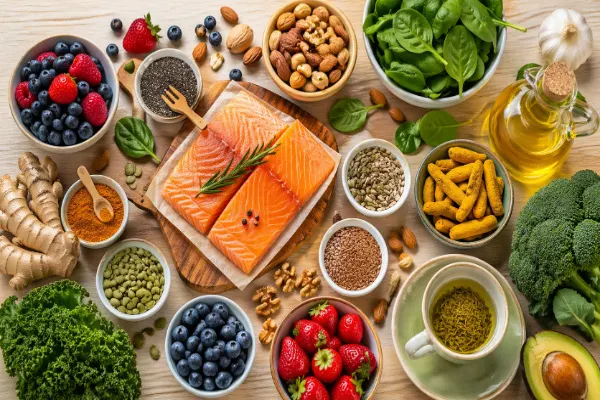
Fatty fish like salmon, sardines, and mackerel contain omega-3 fatty acids that help reduce inflammation. Leafy greens such as spinach and kale provide antioxidants that protect joint tissues. Berries, especially blueberries and strawberries, contain compounds that fight oxidative stress.
Olive oil works as a healthy fat alternative and contains oleocanthal, a compound known to have anti-inflammatory effects similar to mild pain relievers.
Nuts like almonds and walnuts offer healthy fats and protein. Whole grains such as brown rice and quinoa help maintain stable blood sugar, which reduces inflammation spikes.
Green tea also deserves attention. It contains polyphenols that help regulate inflammation.
These are not magic foods. But when combined consistently, they form a powerful anti inflammatory foods list joints experts often recommend.
Foods to Limit or Avoid
If you want results, you also need to cut back on certain foods. Think of this as removing fuel from the fire.
Highly processed foods, sugary drinks, and refined carbohydrates can increase inflammation. Red and processed meats may also contribute when consumed in excess.
Trans fats, often found in fried and packaged foods, have a strong link to increased inflammation. Excess alcohol can worsen joint pain for some people.
If you want a deeper breakdown, check out our guide on 10 Worst Foods for Joint Pain After 40 You Must Avoid Today to see which everyday foods may be silently increasing inflammation.
You don’t have to eliminate everything overnight. Start by reducing portion sizes and frequency.
7-Day Anti Inflammatory Diet for Joint Pain Meal Plan

This meal plan is realistic, balanced, and designed for consistency. It follows principles seen in a healthy arthritis diet plan.
Day 1
Breakfast includes oatmeal topped with blueberries and chia seeds. Lunch features grilled salmon with a side of quinoa and steamed broccoli. Dinner is a vegetable stir fry with olive oil and tofu.
Snacks can include a handful of walnuts or an apple.
Day 2
Start your morning with Greek yogurt, strawberries, and flaxseeds. Lunch can be a spinach and chickpea salad with olive oil dressing. Dinner includes baked chicken, sweet potatoes, and green beans.
Keep hydration steady throughout the day.
Day 3
Have a smoothie with spinach, banana, almond milk, and berries. Lunch could be lentil soup with whole grain bread. Dinner features grilled fish with roasted vegetables.
Simple meals often work best.
Day 4
Scrambled eggs with spinach and tomatoes make a strong breakfast. Lunch includes quinoa salad with cucumbers and olive oil. Dinner can be turkey with steamed asparagus and brown rice.
Notice the pattern. Whole foods dominate every meal.
Day 5
Try overnight oats with almond butter and berries. Lunch can be grilled vegetable wrap with hummus. Dinner includes salmon with roasted carrots and kale.
This is where consistency starts paying off.
Day 6
Start with whole grain toast, avocado, and a boiled egg. Lunch includes a mixed greens salad with nuts and seeds. Dinner features chicken soup loaded with vegetables.
Comfort food can still be healthy.
Day 7
End the week with a berry smoothie bowl topped with nuts. Lunch can be brown rice with stir fried vegetables. Dinner includes baked fish and a side salad.
You don’t need perfection. You need consistency.
How This Arthritis Diet Plan Works
This arthritis diet plan works because it targets inflammation from multiple angles. It stabilizes blood sugar, provides essential nutrients, and reduces inflammatory triggers.
Fiber from whole foods supports gut health, which plays a role in inflammation. Healthy fats help reduce joint stiffness. Antioxidants protect tissues from damage.
It’s not about one meal. It’s about patterns over time.
Tips to Stick With an Anti Inflammatory Diet
Start small. Replace one processed meal a day with a whole food option. Keep healthy snacks visible and ready.
Cook at home more often. This gives you control over ingredients. Use herbs and spices like turmeric and ginger, which have natural anti-inflammatory properties.
Plan your meals ahead. This reduces last-minute unhealthy choices.
Also, listen to your body. Some people react differently to certain foods. Track what works best for you.
Common Mistakes to Avoid

Many people expect instant results. That’s not how this works. Reducing inflammation takes time.
Another common mistake is over-restricting. If your diet feels miserable, you won’t stick with it.
Also, don’t rely on supplements alone. Whole foods provide a combination of nutrients that pills cannot fully replace.
Finally, avoid falling for “miracle cure” claims. If it sounds too good to be true, it probably is.
When to Expect Results
Some people notice improvements in a few weeks. Others take longer. Factors like age, lifestyle, and severity of joint issues all play a role.
A study from the American Journal of Clinical Nutrition suggests that consistent dietary changes can reduce inflammation markers within 4 to 12 weeks.
Be patient. Your joints didn’t become inflamed overnight, and they won’t heal overnight either.
Frequently Asked Question
What is the best anti inflammatory diet for joint pain?
The best anti inflammatory diet for joint pain focuses on whole foods like fatty fish, leafy greens, berries, nuts, olive oil, and whole grains. This type of diet helps reduce inflammation, supports joint health, and may improve mobility over time when followed consistently.
How long does an anti inflammatory diet for joint pain take to work?
An anti inflammatory diet for joint pain can start showing results within a few weeks, but most people notice significant improvements in 4 to 12 weeks. Consistency plays a key role, along with reducing processed foods and added sugars.
Which foods should I avoid in an anti inflammatory diet for joint pain?
When following an anti inflammatory diet for joint pain, it is best to limit processed foods, refined carbohydrates, sugary drinks, fried foods, and excessive red meat. These foods can increase inflammation and worsen joint discomfort.
Can an anti inflammatory diet for joint pain help arthritis naturally?
Yes, an anti inflammatory diet for joint pain can help manage arthritis symptoms naturally. Many people report reduced stiffness, less swelling, and better joint function by regularly eating foods that reduce joint inflammation.
Is a 7-day anti inflammatory diet for joint pain enough to see results?
A 7-day anti inflammatory diet for joint pain is a great starting point, but long-term benefits come from maintaining the diet consistently. The first week helps your body adjust, while continued healthy eating supports lasting joint relief.
Final Thoughts
An anti inflammatory diet for joint pain is not a quick fix. It’s a long-term strategy backed by real science. It focuses on nourishing your body instead of restricting it.
By choosing foods that reduce joint inflammation and following a structured arthritis diet plan, you can support your joints naturally.
Think of every meal as a small decision. Over time, those decisions shape how your body feels.
And honestly, your future self will thank you the next time you open that stubborn jar without a struggle.
Sources
Harvard T.H. Chan School of Public Health
American Journal of Clinical Nutrition
Author Bio
Jennifer Collins is a wellness researcher and natural health writer focused on adults over 40. With 3+ years of experience in digital health content, Jennifer specializes in making science-backed nutrition and lifestyle strategies easy to follow and apply.
Health Disclaimer
This content is for informational purposes only and is not intended to diagnose, treat, or cure any disease. Always consult your healthcare provider before making changes to your diet or health routine. This article may include affiliate links, which come at no extra cost to you.