

Joint pain can turn simple daily activities into a challenge. Many people over 50 ask the same question: is walking good for joint pain, or does it make things worse? The short answer is yes, walking can help. But the real value comes from understanding how much walking joint health actually needs and how to do it safely.
This guide breaks down the science, clears common myths, and gives practical advice you can trust. No hype, no shortcuts, just what works.
Table of Contents
Is Walking Good for Joint Pain? What Science Says

Doctors and physical therapists consistently recommend walking as a first-line activity for joint health. Research shows that regular walking helps reduce pain, improve mobility, and protect joints over time.
Walking increases blood flow to the joints. That blood carries oxygen and nutrients to cartilage, which does not have its own direct blood supply. Better nourishment supports joint repair and slows degeneration.
A study published in the American College of Rheumatology found that people with arthritis who walked regularly had less pain and better function compared to those who stayed inactive. Movement, not rest, keeps joints healthy.
So when people ask is walking good for joint pain, the evidence points clearly in one direction. Yes, it is beneficial when done correctly.
Why Walking Works for Joint Health
Walking supports joints in several key ways.
First, it strengthens the muscles around your joints. Strong muscles act like natural shock absorbers. They reduce pressure on knees, hips, and ankles.
Second, walking helps control weight. Every extra pound puts added stress on weight-bearing joints. Losing even a small amount of weight can significantly reduce knee pain.
Third, walking improves flexibility. Stiff joints become more mobile when you move them regularly. That reduces discomfort and improves your range of motion.
Finally, walking triggers the release of endorphins. These natural chemicals reduce pain and improve mood. That means walking helps both your body and your mindset.
Walking and Arthritis: A Safe Combination?

Many people worry about walking and arthritis. They assume movement will worsen inflammation or damage joints further. That fear makes sense, but it often leads to inactivity, which actually makes things worse.
When you avoid movement, joints become stiff. Muscles weaken. Pain increases over time.
Walking offers a low impact exercise joints can tolerate well. It does not involve sudden movements or heavy loads. That makes it ideal for people with osteoarthritis, the most common form of arthritis after 50.
The key is moderation. You do not need to push through pain or walk long distances. Gentle, consistent movement works best.
Walking for Knee Pain: What You Need to Know
Knee pain remains one of the most common complaints after 50. Walking for knee pain can help, but only if you follow the right approach.
Start with short sessions. Even 10 minutes can make a difference. Focus on smooth, steady steps instead of speed.
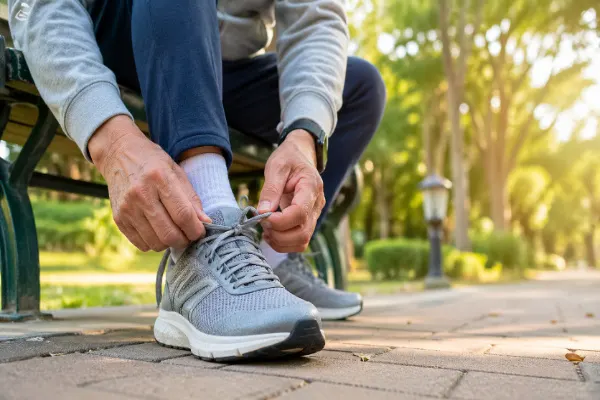
Choose soft surfaces when possible. Grass, tracks, or walking paths reduce impact compared to concrete. Good footwear also matters. Shoes with proper cushioning and support protect your knees.
Pay attention to pain signals. Mild discomfort at the start is normal, especially if you have been inactive. Sharp or worsening pain is not. That is your cue to stop and rest.
Over time, your knees adapt. Muscles strengthen, and pain often decreases.
How Much Walking Joint Health Actually Needs
One of the most common questions is how much walking joint health requires. The answer depends on your current condition, but general guidelines can help.
Experts often recommend about 150 minutes of moderate activity per week. That equals around 20 to 30 minutes per day.
If that sounds like too much, start smaller. Begin with 5 to 10 minutes a day. Gradually increase your time as your comfort improves.
Consistency matters more than intensity. Walking every day for a short time works better than long, irregular sessions.
For people over 50, a realistic goal looks like this. Walk at a comfortable pace where you can talk but feel slightly out of breath. That level keeps your joints active without overloading them.
Low Impact Exercise Joints Love
Walking stands out because it is a low impact exercise joints can handle without strain. Unlike running or jumping, walking keeps forces controlled and predictable.
Low impact does not mean low benefit. In fact, for joint health, low impact often delivers better long-term results.
Other low impact activities include swimming and cycling. But walking wins on convenience. You do not need a gym, equipment, or special training. You just need a safe place and a good pair of shoes.
That simplicity makes walking easier to stick with, and consistency drives results.
If you are looking for more ways to stay active without stressing your joints, check out our guide on low impact exercises for bad knees that burn calories fast.
Common Mistakes That Make Joint Pain Worse
Walking helps, but poor habits can undo the benefits.
Many people increase their walking time too quickly. That overloads joints and leads to flare-ups. Progress slowly instead.
Some ignore posture. Slouching or uneven steps put extra stress on joints. Stand upright, keep your head level, and swing your arms naturally.
Others wear worn-out shoes. Old footwear loses support and increases impact. Replace your walking shoes regularly.
Finally, some people push through severe pain. That approach backfires. Pain signals exist for a reason. Respect them.
Tips to Walk Safely After 50
Safety matters more than speed or distance.
Warm up before you start. A few minutes of gentle movement prepares your joints.
Start on flat surfaces. Avoid hills until your strength improves.
Stay hydrated. Even mild dehydration affects joint lubrication.
Listen to your body. Some days will feel better than others. Adjust your routine instead of forcing it.
If you have a medical condition, consult a doctor or physical therapist. They can tailor a walking plan to your needs.
When Walking Might Not Be Enough
Walking works well for many people, but it is not a cure-all.
Severe joint damage may require additional treatments. Physical therapy, medications, or lifestyle changes may be necessary.
If your pain does not improve after several weeks of regular walking, seek professional advice. Persistent pain should not be ignored.
Walking should be part of a broader approach to joint health, not the only solution.
Frequently Asked Questions
Is walking good for joint pain in older adults?
Yes, walking is good for joint pain, especially for older adults. It improves blood flow, strengthens muscles around the joints, and reduces stiffness. Regular walking also helps manage weight, which lowers stress on joints like the knees and hips.
How much walking is safe for joint pain after 50?
For most people over 50, 20 to 30 minutes of walking per day is safe and effective. If you are just starting, begin with 5 to 10 minutes and increase gradually. The key is consistency, not intensity, when focusing on how much walking joint health needs.
Is walking good for joint pain or can it make arthritis worse?
Walking is good for joint pain and does not worsen arthritis when done correctly. In fact, walking and arthritis go well together because it keeps joints flexible and reduces stiffness. Avoid overdoing it and stick to a comfortable pace to prevent flare-ups.
Can walking help reduce knee pain naturally?
Yes, walking for knee pain can be beneficial. It strengthens the muscles that support the knee and improves joint function. Choose flat surfaces, wear supportive shoes, and start slowly to get the best results without increasing discomfort.
What is the best way to start walking with joint pain?
The best way to start is with short, slow walks on even surfaces. Use proper footwear and treat walking as a low impact exercise joints can tolerate. Listen to your body and increase your walking time gradually to avoid strain while improving joint health.
The Bottom Line
So, is walking good for joint pain? Yes, and the evidence strongly supports it.
Walking improves circulation, strengthens muscles, reduces stiffness, and helps control weight. It remains one of the safest and most effective ways to support joint health after 50.
The key lies in consistency and moderation. Start small, build gradually, and listen to your body. Walking for knee pain and walking and arthritis both work when you respect your limits.
You do not need intense workouts or complicated routines. A simple daily walk can make a real difference.
Sources
American College of Rheumatology
Centers for Disease Control and Prevention
Author Bio
Jennifer Collins is a wellness researcher and natural health writer focused on adults over 40. With 3+ years of experience in digital health content, Jennifer specializes in making science-backed nutrition and lifestyle strategies easy to follow and apply.
Health Disclaimer
This content is for informational purposes only and is not intended to diagnose, treat, or cure any disease. Always consult your healthcare provider before making changes to your diet or health routine. This article may include affiliate links, which come at no extra cost to you.