
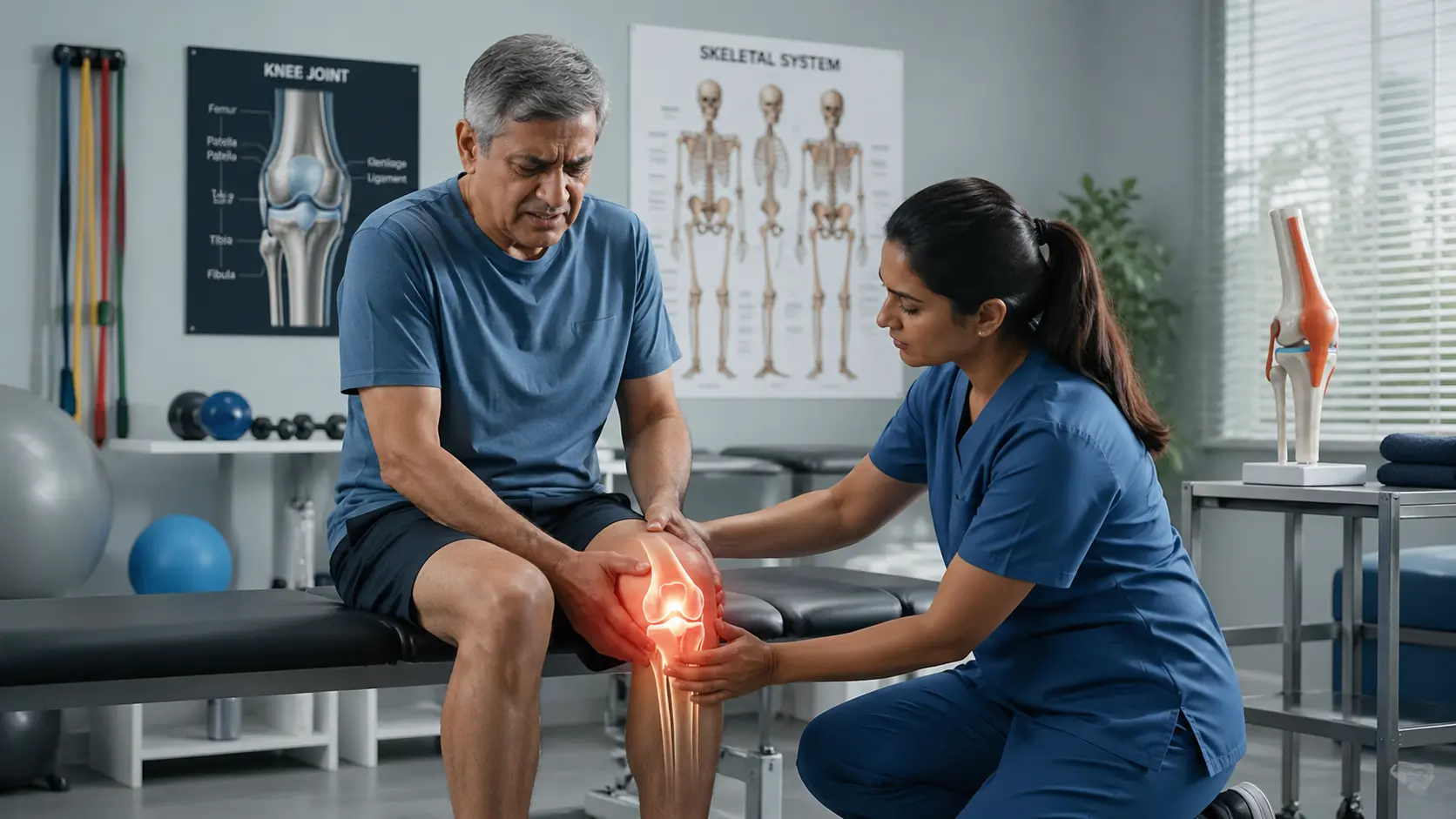
Modern joint health care increasingly focuses on non invasive joint pain management strategies that avoid surgery while improving mobility and comfort. Joint discomfort is one of the most common physical health challenges affecting people across different age groups. It can impact mobility, independence, and overall quality of life. While surgery is sometimes necessary in severe cases, many individuals look for safer and less invasive ways to manage symptoms effectively. Modern approaches to joint pain treatment focus on reducing inflammation, improving movement, and strengthening surrounding muscles to support long term joint health.
According to the National Institute of Arthritis and Musculoskeletal and Skin Diseases, joint pain often results from inflammation, wear and tear, injury, or chronic conditions such as arthritis. Understanding the root cause is essential for choosing the right care strategy instead of relying only on temporary relief methods.
Understanding how joint pain develops
Joint pain occurs when cartilage, ligaments, tendons, or surrounding tissues become irritated or damaged. This may happen gradually due to aging or suddenly due to injury or overuse. Supporting cartilage health support is essential in long term care because it helps maintain smooth joint movement and reduces friction.
Inflammation plays a central role in many joint conditions. When the body detects damage, it triggers an inflammatory response that can cause swelling, stiffness, and discomfort. If inflammation becomes chronic, it may contribute to long term joint degeneration.
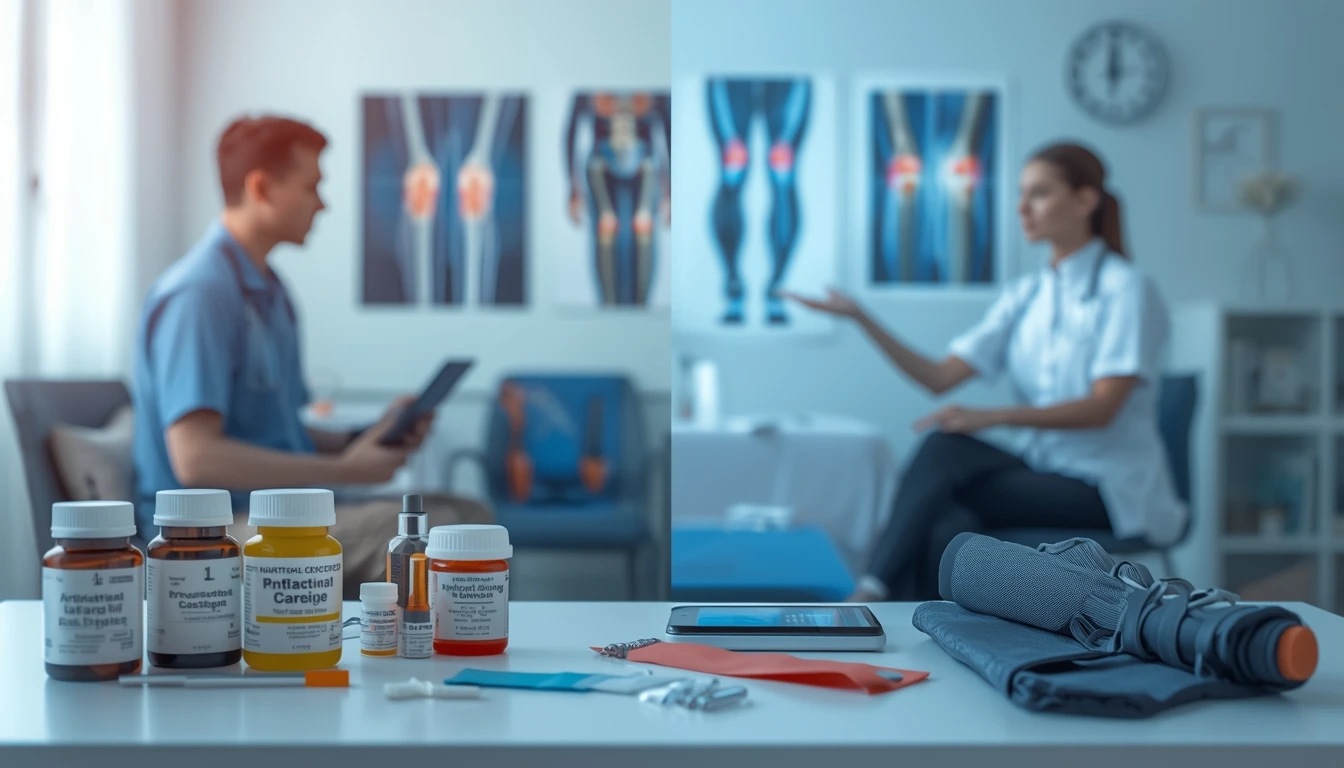
People exploring arthritis pain treatment options often need a combination of therapies because the condition affects both joint structure and surrounding tissues.
Why non surgical joint pain relief approaches are gaining popularity in joint pain treatment
Many patients prefer conservative care methods because they reduce risks associated with surgery, such as infection or long recovery periods. Non invasive strategies also allow individuals to remain active during recovery.
These approaches often include non drug pain management strategies that reduce reliance on medication alone while improving overall joint function.
Healthcare professionals increasingly recommend best alternatives to surgical joint pain treatment for mild to moderate conditions to delay or avoid invasive procedures.
Physical therapy and movement based care
One of the most effective approaches to joint health involves guided movement and rehabilitation. Structured physical therapy programs play a major role in restoring function and reducing stiffness.
Strengthening surrounding muscles
Strong muscles help reduce stress on joints by providing better support. These muscle strengthening exercises improve stability and reduce long term wear on joints.
Improving flexibility
Stretching routines help maintain range of motion and reduce stiffness. These flexibility training exercises are commonly used in rehabilitation settings.
Low impact exercise
Activities such as swimming, cycling, and walking are often included in low impact exercise routines because they promote movement without excessive joint pressure.
These routines also contribute to mobility improvement exercises, helping patients regain smoother movement patterns over time.
Medication based management options
Medical treatment can play an important role in controlling symptoms when pain becomes persistent.
Some patients combine medication with pain management therapy to achieve better symptom control while reducing flare ups.
Lifestyle changes that support joint health
Daily habits can significantly influence joint comfort and mobility.
An anti inflammatory lifestyle helps reduce swelling and supports long term joint stability.
Maintaining a healthy weight, eating balanced meals, and staying hydrated all contribute to bone and joint health over time.
Heat and cold therapy for symptom relief
Temperature based therapies are simple but effective methods for managing discomfort.
Cold therapy reduces swelling, while heat therapy improves circulation and flexibility.
These methods support joint inflammation relief, especially during flare ups or acute pain episodes.
Assistive devices for daily support
Assistive tools can reduce strain on affected joints and improve independence.
These assistive mobility devices include braces, walkers, and ergonomic supports that reduce pressure during movement.
They are often recommended alongside rehabilitation programs to improve daily function.
Injections and minimally invasive procedures
When conservative methods are not enough, doctors may suggest minimally invasive treatments.
These procedures are often combined with orthopedic rehabilitation to restore movement, strength, and function gradually.
Natural remedies for joint pain
Many individuals explore complementary methods to support medical treatment.
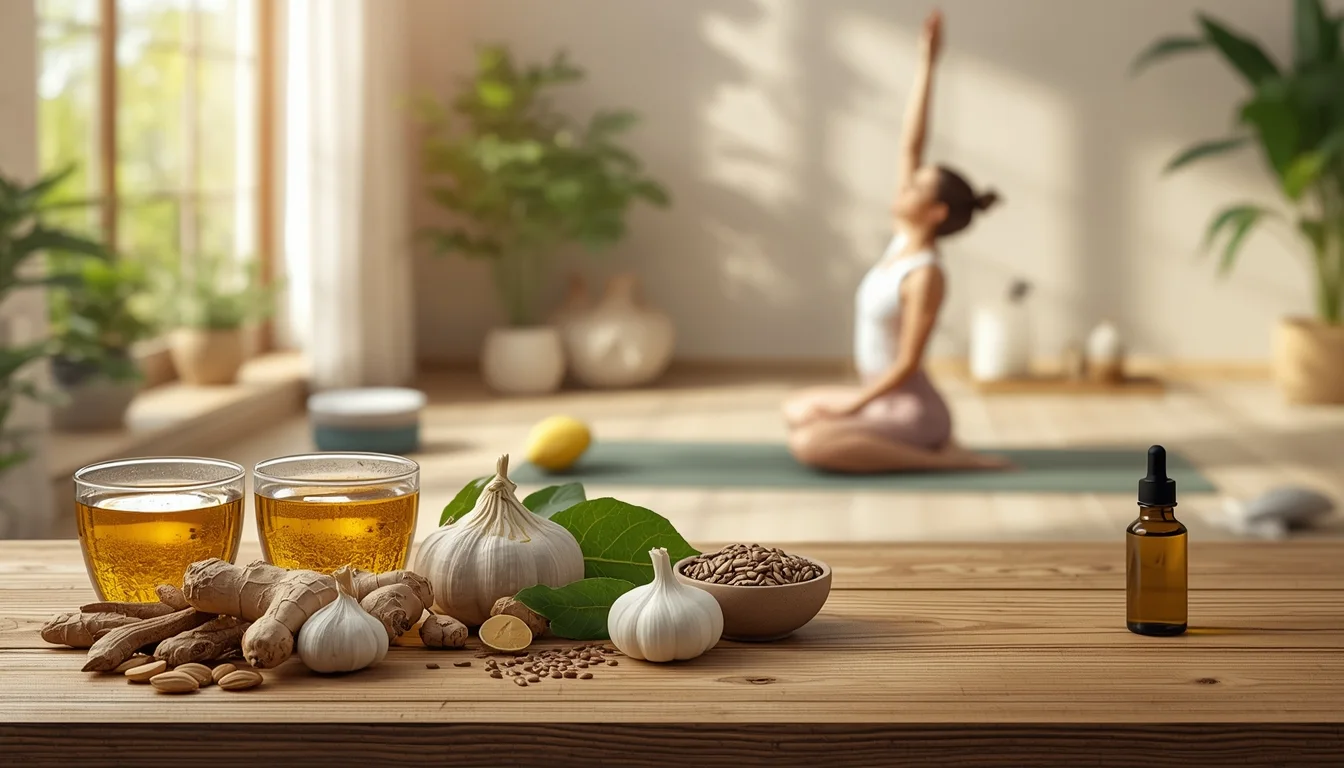
These approaches are commonly used in chronic pain management plans to reduce long term discomfort.
Gentle movement practices also fall under movement based therapy, which helps maintain joint flexibility and reduces stiffness.
Importance of early intervention
Early treatment plays a key role in preventing long term joint damage. Addressing symptoms early may help slow progression of degenerative conditions.
Early care also supports better inflammatory condition care, helping reduce worsening of symptoms over time.
It also strengthens long term cartilage health support, which is essential for smooth joint movement.
Common mistakes in managing joint pain
Ignoring symptoms or avoiding movement can worsen joint stiffness relief over time.
Another common mistake is relying only on medication without addressing underlying causes.
Poor movement habits can negatively affect healthy joint function, especially in older adults.
When to seek medical help
Persistent pain, swelling, or reduced mobility should not be ignored. Proper diagnosis ensures correct treatment planning.
Medical evaluation often includes identifying inflammation patterns for better recovery focused care strategies.
Long term strategies for joint health
Maintaining joint health requires ongoing care, including exercise, posture correction, and lifestyle adjustments.
These habits improve healthy joint function and help maintain mobility over time.
Long term success often depends on combining movement, nutrition, and structured care approaches.
Conclusion
Managing joint discomfort effectively requires a combination of medical care, lifestyle changes, and consistent movement. While surgery may be necessary in severe cases, many individuals benefit from conservative approaches that focus on improving function and reducing inflammation.
Also Read: Chronic Inflammation and Joint Pain: How It Destroys Your Joints Over Time
A well structured joint pain treatment plan often includes physical therapy, medication when needed, and supportive lifestyle habits. With the right combination of strategies, it is possible to maintain mobility, reduce discomfort, and improve overall quality of life without invasive procedures.
Long term results are often better when patients focus on pain management therapy, bone and joint health, and consistent movement routines.
As research continues, more people are adopting non invasive joint pain management strategies that prioritize function, comfort, and long term mobility over surgical intervention.
Sources and section mapping
- National Institute of Arthritis and Musculoskeletal and Skin Diseases
- Centers for Disease Control and Prevention
- World Health Organization
- National Health Service UK
- American College of Rheumatology
FAQs
How effective are non surgical joint pain relief methods for long term management?
Non surgical joint pain relief methods can be highly effective when used consistently and combined with lifestyle changes. These approaches include physical therapy, exercise, weight management, and medication when necessary. They aim to reduce inflammation, improve mobility, and strengthen muscles around affected joints. Many healthcare professionals recommend these methods as first line care because they support long term joint health without the risks associated with surgery. However, effectiveness varies depending on the underlying condition and severity of symptoms.
What are common arthritis pain treatment options recommended by doctors?
Arthritis pain treatment options often include a combination of medication, physical therapy, and lifestyle adjustments. Doctors may prescribe anti inflammatory drugs to reduce swelling and pain. Physical therapy helps improve joint flexibility and strength. In some cases, injections may be recommended for more targeted relief. Lifestyle changes such as maintaining a healthy weight and staying active are also important. These combined strategies help manage symptoms and improve daily function for individuals living with arthritis.
Can natural remedies for joint pain replace medical treatment completely?
Natural remedies for joint pain can support overall joint health but should not completely replace medical treatment in most cases. Methods such as gentle exercise, anti inflammatory diets, and stress management techniques may help reduce discomfort and improve mobility. However, underlying conditions like arthritis or injury often require medical evaluation and treatment. A balanced approach that combines natural methods with professional care is usually the most effective and safest option for long term management.
How does physical activity support arthritis pain management recovery?
Physical activity plays an important role in joint discomfort therapy by strengthening muscles, improving flexibility, and reducing stiffness. Low impact exercises such as swimming, walking, and cycling help maintain joint movement without excessive strain. Regular activity also supports better blood circulation, which may aid recovery and reduce inflammation. Healthcare professionals often recommend tailored exercise programs to ensure safe and effective results based on individual conditions.
When should someone consider non operative joint pain management methods?
Natural joint pain relief methods are often recommended when symptoms are mild to moderate or when surgery is not immediately necessary. These methods are also suitable for long term management of chronic conditions. They include physical therapy, medication, and lifestyle modifications. Early use of these approaches may help slow progression of joint issues and improve overall function. However, persistent or severe pain should always be evaluated by a medical professional.
Are arthritis relief treatment methods different for younger and older individuals?
Arthritis care treatment options may vary depending on age, overall health, and activity levels. Younger individuals may focus more on physical therapy, exercise, and lifestyle adjustments. Older adults may require additional support such as medication, assistive devices, or specialized rehabilitation programs. The goal in both cases is to reduce pain, improve mobility, and maintain independence. Treatment plans are usually personalized based on individual needs and medical evaluation.
What lifestyle changes support long term joint inflammation care success?
Several lifestyle changes can support long term joint stiffness treatment success. Maintaining a healthy weight reduces pressure on joints, while regular low impact exercise improves strength and flexibility. A balanced diet rich in anti inflammatory foods may also help reduce symptoms. Proper posture, hydration, and stress management further support joint health. When combined with medical care, these habits can significantly improve long term mobility and reduce discomfort.
Author Bio
Jennifer Collins is a wellness researcher and natural health writer focused on adults over 40. With 3+ years of experience in digital health content, Jennifer specializes in making science-backed nutrition and lifestyle strategies easy to follow and apply.
Health Disclaimer
This content is for informational purposes only and is not intended to diagnose, treat, or cure any disease. Always consult your healthcare provider before making changes to your diet or health routine. This article may include affiliate links, which come at no extra cost to you.