
Joint pain has a way of creeping into daily life. One day you walk comfortably, and the next day your knees complain when you climb stairs. Many people turn to supplements for relief, and one of the most talked-about options remains glucosamine and chondroitin. But in 2026, a key question still stands: glucosamine and chondroitin do they work?
This article explores real scientific evidence, explains how these supplements function, and helps you decide if they deserve a place in your routine. No hype, no shortcuts, just clear and honest information.
Table of Contents
Understanding Glucosamine and Chondroitin
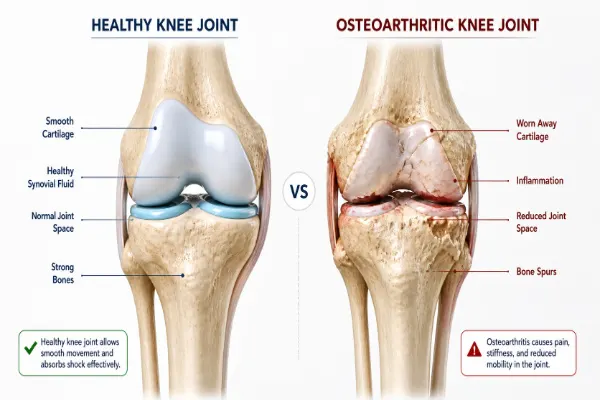
Glucosamine and chondroitin are natural compounds found in cartilage, the tissue that cushions joints. As cartilage wears down with age or injury, joints lose flexibility and comfort.
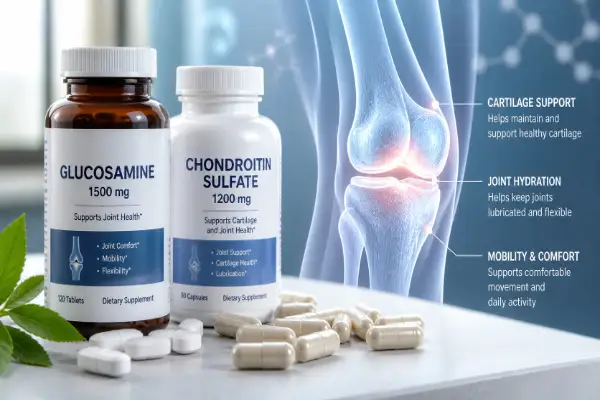
Glucosamine supports the formation and repair of cartilage. Chondroitin sulfate joints rely on this compound to retain water and elasticity, which helps absorb shock during movement.
Manufacturers usually extract glucosamine from shellfish or produce it synthetically. Chondroitin typically comes from animal cartilage such as bovine or shark sources. These supplements often appear together because they target similar joint functions.
If you are comparing options beyond traditional supplements, you might also want to explore Joint Genesis vs Glucosamine: Which Joint Supplement Works Better in 2026? to see how newer formulas stack up against classic choices.
Why People Use These Supplements
Millions of people take glucosamine and chondroitin to manage osteoarthritis, especially in the knees. Osteoarthritis breaks down cartilage over time, leading to pain, stiffness, and reduced mobility.
The appeal is simple. These supplements promise support for joint structure rather than just masking pain. Unlike painkillers, they aim to address the underlying wear and tear.
Many users report feeling less stiffness and improved movement after consistent use. However, personal experiences do not always match scientific findings, which is why examining glucosamine chondroitin evidence becomes important.
How Glucosamine Works in the Body
Glucosamine plays a role in building glycosaminoglycans, which are essential components of cartilage. These molecules help maintain joint cushioning.
Some research suggests that glucosamine may reduce inflammation in joints. Lower inflammation can ease discomfort and improve mobility.
Another possible benefit involves slowing cartilage breakdown. While this sounds promising, results vary widely depending on the individual and the severity of joint damage.
How Chondroitin Sulfate Supports Joints
Chondroitin sulfate joints depend on this compound to maintain hydration and elasticity. Healthy cartilage acts like a sponge, absorbing impact and protecting bones.
Chondroitin may also block enzymes that break down cartilage. This protective role could help preserve joint structure over time.
Some studies suggest that chondroitin improves joint function and reduces pain, especially when combined with glucosamine. Still, results remain mixed across different trials.
Glucosamine Benefits Backed by Research
When discussing glucosamine benefits, it is important to stay grounded in real evidence.
Several clinical trials show modest improvements in pain and function, particularly for knee osteoarthritis. However, the effect size often appears small.
A major study funded by the National Institutes of Health found that glucosamine alone did not significantly reduce pain compared to placebo in most participants. Yet, a subgroup with moderate to severe pain experienced noticeable relief.
This suggests that glucosamine may work better for certain individuals rather than the general population.
Glucosamine Chondroitin Evidence: What Science Says
The debate around glucosamine and chondroitin do they work largely depends on how you interpret the evidence.
Large-scale reviews, including those published in reputable medical journals, indicate that these supplements offer limited but real benefits for some people.
A meta-analysis in the British Medical Journal concluded that glucosamine and chondroitin provide minimal clinical benefit for pain reduction in osteoarthritis. However, the supplements remain safe and well-tolerated.
Another review in the Annals of Internal Medicine found that the combination may help reduce joint pain in patients with moderate to severe symptoms.
So, the science does not dismiss these supplements entirely. Instead, it suggests variability. Some people benefit, others notice little change.
Why Results Vary So Much
If glucosamine and chondroitin worked the same for everyone, doctors would recommend them universally. But results vary due to several factors.
The severity of joint damage plays a major role. Early-stage osteoarthritis may respond better than advanced cases where cartilage loss is significant.
Dosage and supplement quality also matter. Not all products contain the same purity or concentration.
Individual biology affects how the body absorbs and uses these compounds. Genetics, diet, and lifestyle all influence outcomes.
Consistency is another factor. These supplements often require several weeks or months before showing noticeable effects.
Comparing Supplements to Traditional Treatments
Pain relief medications such as NSAIDs work quickly but may cause side effects with long-term use. These include stomach irritation, cardiovascular risks, and kidney concerns.
Glucosamine and chondroitin offer a different approach. They act slowly and aim to support joint health over time.
Some patients prefer supplements because they feel more natural and carry fewer risks. Others choose conventional treatments for faster relief.
Doctors often suggest combining approaches. Lifestyle changes, physical therapy, and weight management remain essential regardless of supplement use.
Are There Any Risks or Side Effects?
Glucosamine and chondroitin are generally safe for most people. However, they are not completely risk-free.
People with shellfish allergies should be cautious with glucosamine derived from shellfish. Synthetic versions may be a safer option.
Chondroitin may interact with blood-thinning medications. Anyone taking anticoagulants should consult a healthcare provider before use.
Common side effects include mild digestive issues such as bloating or nausea. These usually resolve on their own.
Pregnant or breastfeeding individuals should avoid these supplements due to limited safety data.
Do Doctors Recommend These Supplements in 2026?
Medical opinions remain divided. Some doctors recommend trying glucosamine and chondroitin, especially for patients seeking non-drug options.
Others remain skeptical due to inconsistent research findings.
Guidelines from organizations like the American College of Rheumatology generally do not strongly recommend these supplements for osteoarthritis. However, they acknowledge that some patients report benefits.
In practice, many healthcare providers take a balanced approach. They allow patients to try the supplements for a few months and evaluate results.
How Long Should You Try Them?
Patience is essential. Unlike painkillers, these supplements do not provide instant relief.
Most experts suggest trying glucosamine and chondroitin for at least 8 to 12 weeks. If no improvement occurs, continuing may not be worthwhile.
If you notice reduced pain or better mobility, you can consider ongoing use under medical guidance.
Choosing the Right Supplement
Quality matters more than marketing claims. Look for products tested by third-party organizations for purity and accuracy.
Avoid exaggerated promises. Supplements cannot rebuild cartilage overnight or cure arthritis completely.
Check labels carefully. Effective doses often include around 1500 mg of glucosamine and 800 to 1200 mg of chondroitin per day.
Consistency and realistic expectations will always outperform flashy packaging.
Lifestyle Still Matters More Than Supplements
Supplements can support joint health, but they cannot replace healthy habits.
Regular exercise strengthens muscles around joints, reducing strain. Low-impact activities such as swimming or walking work best.
Maintaining a healthy weight reduces pressure on joints, especially knees and hips.
A balanced diet rich in anti-inflammatory foods supports overall joint function.
Think of glucosamine and chondroitin as helpers, not heroes.
The Honest Answer: Do They Really Work?

So, glucosamine and chondroitin do they work?
The honest answer is yes for some people, but not for everyone.
Scientific evidence shows modest benefits, particularly for individuals with moderate joint pain. However, the effect is not strong enough to guarantee relief for all users.
These supplements are safe, widely available, and worth trying if you prefer a gradual, low-risk approach to joint care.
Just keep expectations realistic. They are not miracle cures, but they may offer meaningful support when combined with a healthy lifestyle.
Frequently Asked Questions
Glucosamine and chondroitin do they work for joint pain relief?
Glucosamine and chondroitin do they work depends on the individual. Research shows they may provide modest relief for some people with osteoarthritis, especially in the knees. However, results vary, and not everyone experiences noticeable improvement.
How long does it take to see results from glucosamine and chondroitin?
If you are wondering glucosamine and chondroitin do they work quickly, the answer is no. Most people need to take them consistently for 8 to 12 weeks before noticing any changes in joint pain or stiffness.
Are glucosamine benefits proven by science?
Glucosamine benefits are supported by some clinical studies, but the effects are generally mild. Scientific evidence suggests it may help reduce joint discomfort and support cartilage health, but it is not a guaranteed solution for everyone.
Is chondroitin sulfate good for joints and cartilage?
Chondroitin sulfate joints support is one of its main roles. It helps maintain cartilage hydration and may slow down its breakdown. Some studies show improved joint function, especially when combined with glucosamine.
Should I take glucosamine and chondroitin daily for best results?
For those asking glucosamine and chondroitin do they work better with daily use, consistency is key. Daily intake at recommended doses over several weeks gives the best chance of seeing benefits, but you should consult a healthcare provider before starting.
Final Thoughts
Joint pain can feel frustrating, especially when solutions seem unclear. Glucosamine benefits and chondroitin sulfate joints support remain topics of ongoing research, and the science continues to evolve.
In 2026, the consensus remains balanced. These supplements offer potential benefits with minimal risks, but they do not replace medical treatment or lifestyle changes.
If you decide to try them, monitor your progress and stay consistent. Your joints will not send a thank-you note, but they might complain less, and that is progress worth noticing.
Sources
National Institutes of Health Osteoarthritis Initiative
British Medical Journal study on glucosamine and chondroitin
Annals of Internal Medicine meta-analysis on joint supplements
American College of Rheumatology guidelines
Harvard Health Publishing on joint supplements
Author Bio
Jennifer Collins is a wellness researcher and natural health writer focused on adults over 40. With 3+ years of experience in digital health content, Jennifer specializes in making science-backed nutrition and lifestyle strategies easy to follow and apply.
Health Disclaimer
This content is for informational purposes only and is not intended to diagnose, treat, or cure any disease. Always consult your healthcare provider before making changes to your diet or health