
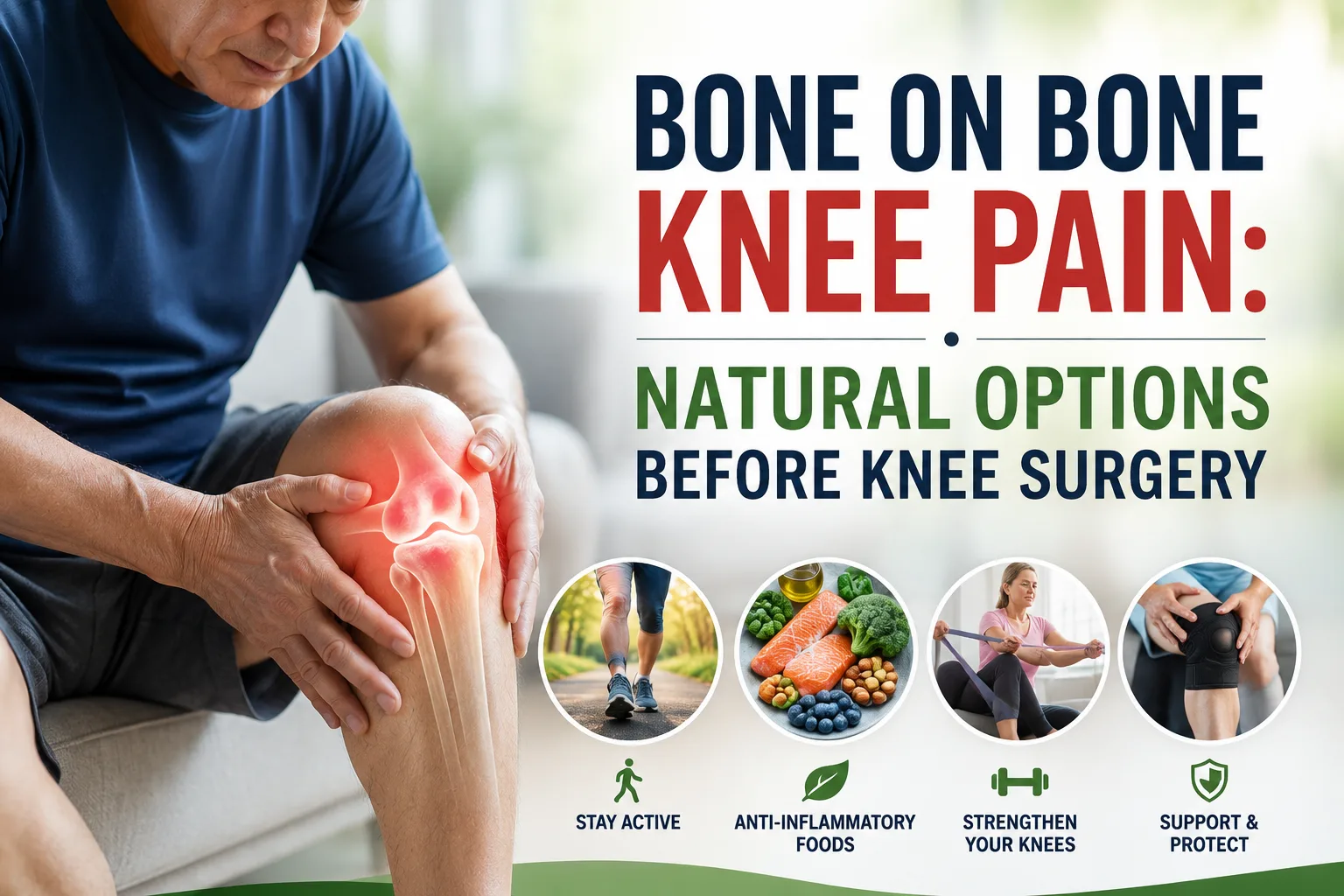
Knee pain can change everyday life fast. One day you walk comfortably through the grocery store. The next day your knees sound like bubble wrap every time you stand up. If a doctor recently told you that you have “bone on bone” knee pain, the phrase probably sounded alarming. Many people immediately think surgery is the only answer.
That is not always true.
Millions of adults deal with advanced knee arthritis, yet many still improve pain, movement, and daily function through lifestyle changes, targeted exercise, weight management, and supportive therapies. While some people eventually need surgery, many others successfully manage symptoms for years without it.
Understanding bone on bone knee pain natural options can help you make smarter decisions before rushing into a knee replacement.
In this guide, you will learn what bone on bone knee pain really means, why it happens, and which natural strategies may help reduce pain and improve mobility safely.
What Does Bone on Bone Knee Pain Really Mean?
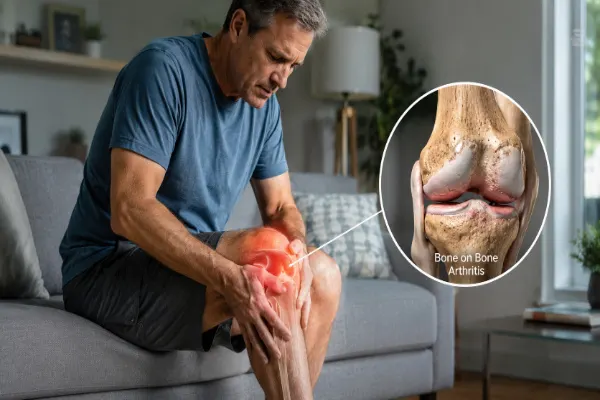
The knee joint contains cartilage that cushions the ends of your bones. Healthy cartilage works like a smooth shock absorber. It helps your knee glide during walking, bending, climbing stairs, and standing up.
When osteoarthritis progresses, this cartilage slowly wears down. In severe cases, the cushioning becomes very thin or disappears in some areas. Doctors often describe this stage as “bone on bone.”
Even though the phrase sounds dramatic, it does not mean your bones constantly grind together like two rocks in a blender. Knee arthritis exists on a spectrum. Imaging scans such as X rays may show severe damage, but symptoms vary widely from person to person.
Some people with severe arthritis feel moderate pain. Others with mild arthritis experience intense discomfort. That mismatch surprises many patients.
According to the American Academy of Orthopaedic Surgeons, osteoarthritis is the most common form of arthritis and a leading cause of disability in older adults. Age, previous injuries, obesity, repetitive stress, and genetics all increase risk.
Common Symptoms of Bone on Bone Knee Arthritis
People often notice symptoms slowly at first. Then the pain starts interfering with everyday activities.
Common symptoms include:
- Stiffness in the morning
- Swelling around the knee
- Pain during walking or climbing stairs
- Crunching or grinding sensations
- Reduced flexibility
- Knee weakness
- Pain after long periods of sitting
- Difficulty standing from chairs
Weather changes may also seem to trigger flare ups. Many people joke that their knees predict rain better than weather apps. Oddly enough, research suggests atmospheric pressure changes may influence joint pain in some individuals.
Why Doctors Often Recommend Surgery
Knee replacement surgery can improve quality of life for people with severe arthritis who no longer respond to conservative treatments. In many cases, it works very well.
However, surgery also comes with recovery time, rehabilitation, financial costs, and possible complications. Not everyone needs immediate surgery just because an X ray looks severe.
A 2023 review published in the journal Osteoarthritis and Cartilage noted that pain severity, function, and quality of life matter more than imaging alone when deciding treatment plans.
That matters because many people searching for bone on bone knee without surgery solutions still have room to improve through non surgical care.
Can You Really Manage Bone on Bone Knee Without Surgery?
Yes, many people can.
Natural treatment will not regrow severely damaged cartilage overnight. Despite flashy internet ads, no tea, cream, or magical berry from a hidden mountain village can rebuild an entire knee joint in two weeks.
Still, natural approaches can reduce inflammation, strengthen muscles, improve stability, lower stress on the knee, and improve movement. Those improvements often reduce pain significantly.
The goal is not perfection. The goal is better daily function and less suffering.
That is why severe knee arthritis natural treatment focuses on supporting the entire joint system rather than chasing miracle cures.
Weight Loss Can Reduce Knee Pressure Fast
Extra body weight increases stress on the knee joint. Research consistently shows that weight reduction improves arthritis symptoms.
According to the Arthritis Foundation, every pound of body weight places roughly four pounds of pressure on the knees during walking. Losing even 10 pounds can reduce substantial joint stress over time.
This does not mean you need to become extremely thin. Even modest weight loss helps.
Small changes matter:
- Walking consistently
- Reducing sugary drinks
- Eating more protein and fiber
- Managing portion sizes
- Improving sleep quality
Many people underestimate how much inflammation poor sleep and processed foods can create. Your knees notice those habits even if your taste buds pretend not to care.
Exercise Is One of the Best Natural Treatments
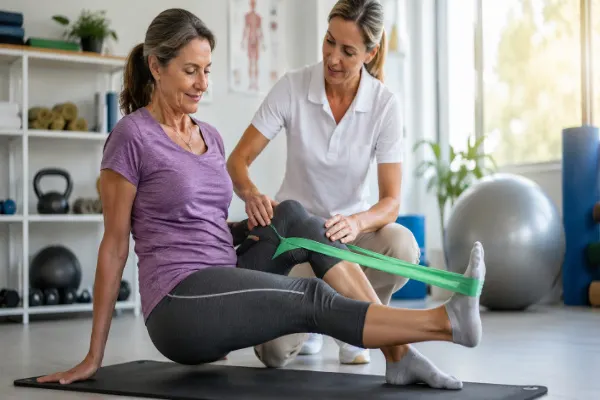
People often stop moving because movement hurts. Unfortunately, avoiding activity completely usually weakens the muscles that protect the knee.
Stronger muscles help stabilize the joint and reduce strain.
The best exercises for severe knee arthritis natural treatment usually include low impact activities such as:
Walking
Short walks improve circulation, strengthen muscles, and maintain joint mobility. Start slowly if pain is severe.
Cycling
Stationary bikes reduce impact while helping strengthen the legs.
Swimming and Water Exercise
Water supports body weight and reduces pressure on painful joints. Many people with advanced arthritis tolerate pool exercise much better than land workouts.
Strength Training
Targeted strengthening of the quadriceps, hamstrings, hips, and glutes supports knee alignment.
A physical therapist can create a personalized routine. Proper form matters more than intensity.
Physical Therapy Often Works Better Than People Expect
Physical therapy remains one of the most evidence based treatments for knee osteoarthritis.
Therapists help improve:
- Muscle strength
- Joint stability
- Range of motion
- Balance
- Walking mechanics
Research published in the New England Journal of Medicine found that physical therapy produced better outcomes than corticosteroid injections for knee osteoarthritis over one year.
That surprises many people who assume injections always work better.
A good therapist also teaches movement patterns that reduce unnecessary knee stress during daily activities.
Anti Inflammatory Foods May Help Joint Pain
Diet alone will not cure arthritis, but inflammation affects pain levels.
A joint friendly eating pattern often includes:
- Fatty fish
- Olive oil
- Nuts
- Vegetables
- Berries
- Beans
- Whole grains
Highly processed foods, excessive sugar, and frequent ultra processed snacks may worsen inflammation in some people.
The Mediterranean diet has shown benefits for inflammation and overall joint health in several studies.
Hydration matters too. Cartilage contains a large amount of water, and dehydration can affect joint comfort.
Supplements for Bone on Bone Knee Pain
Some supplements show moderate evidence for symptom relief, though results vary.
Glucosamine and Chondroitin
Research findings remain mixed. Some people report improvement while others notice little change.
Turmeric Curcumin
Curcumin may help reduce inflammation and pain in some patients with osteoarthritis.
Omega 3 Fatty Acids
Omega 3s support general anti inflammatory processes.
Collagen Peptides
Emerging research suggests collagen supplementation may support joint comfort in some individuals.
Always discuss supplements with a healthcare professional, especially if you take medications or have medical conditions.
Natural does not automatically mean harmless. Even herbal supplements can interact with medications.
Knee Braces and Support Devices Can Reduce Pain
A properly fitted knee brace may improve stability and reduce pressure on damaged joint areas.
Some braces shift weight away from the most arthritic part of the knee. Others provide general compression and support.
Supportive shoes also matter more than many people realize. Worn out shoes can worsen joint stress during walking.
Your knees know when your sneakers retired three years ago. They just complain later.
Many people also compare physical support devices with nutritional approaches, which is why this detailed guide on Knee Brace vs Supplement for Knee Pain: Which Works Better Long Term? can help you understand which option may fit your lifestyle and long term joint goals better.
Heat and Cold Therapy Still Work
Simple treatments remain effective.
Ice may help reduce swelling and inflammation after activity. Heat can loosen stiff joints and muscles before movement.
Many people alternate both depending on symptoms.
These strategies will not reverse arthritis, but they often improve comfort enough to stay active. That matters because consistent movement helps long term joint health.
Sleep and Stress Affect Knee Pain
Pain and poor sleep create a frustrating cycle.
Lack of sleep increases pain sensitivity. Chronic stress also raises inflammatory chemicals in the body.
Improving sleep hygiene may reduce symptom severity:
- Maintain consistent sleep schedules
- Limit late night screen exposure
- Reduce caffeine late in the day
- Keep the bedroom cool and dark
Stress management techniques such as meditation, breathing exercises, and gentle yoga may also help.
No, deep breathing will not magically erase arthritis. But reducing nervous system stress can lower pain amplification.
Injection Options Before Surgery
Some people combine natural approaches with medical treatments.
Doctors may recommend:
Corticosteroid Injections
These can reduce inflammation temporarily.
Hyaluronic Acid Injections
These aim to improve joint lubrication, though evidence remains mixed.
Platelet Rich Plasma (PRP)
PRP injections use components from your own blood. Research continues, but some patients report improvement.
Not every treatment works equally for every person. Good treatment plans usually combine multiple approaches.
When It May Be Time to Consider Surgery
Natural treatments help many people, but sometimes surgery becomes the best option.
Signs that surgery may deserve consideration include:
- Severe pain that limits daily life
- Major mobility loss
- Constant night pain
- Failure of conservative treatments
- Significant decline in quality of life
Trying to avoid knee replacement forever should not become a contest of suffering.
The real goal is preserving independence, movement, and overall health.
How to Avoid Knee Replacement Longer

People searching for ways to avoid knee replacement often focus only on pain relief. Long term success usually requires a broader strategy.
The most effective habits include:
Stay Consistently Active
Regular movement protects muscle strength and joint function.
Maintain Healthy Body Weight
Lower joint pressure helps slow symptom progression.
Build Leg Strength
Strong muscles stabilize the knee naturally.
Avoid High Impact Overload
Repeated pounding activities may worsen symptoms in some people.
Treat Flare Ups Early
Ignoring swelling and pain for weeks often prolongs recovery.
Consistency matters more than perfection.
Small daily habits usually outperform extreme short term efforts.
Are Natural Products Worth Trying?
Many products claim to cure arthritis naturally. Most overpromise.
Be cautious with:
- Miracle supplements
- Instant cartilage repair claims
- Extreme detox programs
- Expensive magnetic devices
- Viral social media “cures”
If something sounds like it belongs in a late night infomercial beside a vegetable slicer and invisible abs machine, skepticism is healthy.
Look for treatments supported by peer reviewed research and recommendations from reputable medical organizations.
If you plan to mention a joint support product in your article, you can naturally place <Product Name> within sections discussing supportive approaches, daily joint care, or mobility support. Always ensure claims remain realistic and evidence based.
The Emotional Side of Chronic Knee Pain
Chronic pain affects more than joints.
People with knee arthritis often reduce social activities, exercise less, and feel frustrated by mobility limits. Some even fear losing independence.
That emotional impact matters.
Support from healthcare providers, family, exercise groups, or arthritis communities can improve long term outcomes. Staying engaged in life helps both physical and mental health.
Pain may change your routine, but it does not automatically erase your ability to stay active and independent.
Frequently Asked Questions
Can bone on bone knee pain heal naturally without surgery?
Bone on bone knee pain usually happens because cartilage in the knee has worn down from osteoarthritis. While natural treatments cannot fully regrow lost cartilage, many people improve pain, stiffness, and mobility through bone on bone knee pain natural options like weight loss, physical therapy, strength training, anti inflammatory foods, and low impact exercise. Some people delay knee replacement for years with consistent care.
What are the best bone on bone knee pain natural options before knee replacement?
The best bone on bone knee pain natural options often include physical therapy, walking, swimming, strengthening exercises, weight management, knee braces, and anti inflammatory nutrition. Doctors may also recommend supplements, heat and cold therapy, or injections depending on symptom severity. Combining several treatments usually works better than relying on one solution alone.
Is walking good for bone on bone knee arthritis?
Yes, walking can help many people with bone on bone knee arthritis when done carefully. Regular walking strengthens muscles around the knee, improves joint mobility, and supports weight control. Short walks on flat surfaces usually work best during flare ups. Good shoes and proper pacing also help reduce stress on painful joints.
How can I avoid knee replacement with severe knee arthritis?
Many people avoid knee replacement by staying active, maintaining a healthy body weight, strengthening leg muscles, and following a consistent treatment plan. Severe knee arthritis natural treatment often focuses on reducing inflammation, improving knee stability, and protecting joint function. However, if pain severely limits daily life, surgery may eventually become the best option.
What is the fastest way to reduce bone on bone knee pain naturally?
The fastest natural relief often comes from reducing pressure on the knee joint. Ice therapy, gentle movement, supportive knee braces, anti inflammatory foods, and physical therapy exercises may help reduce pain within days or weeks. Long term improvement usually requires consistent lifestyle changes and structured treatment instead of quick fixes.
Final Thoughts on Bone on Bone Knee Pain Natural Options
Bone on bone knee pain sounds frightening, but it does not always mean immediate surgery.
Many people improve symptoms through weight management, exercise, physical therapy, anti inflammatory nutrition, supportive devices, stress reduction, and smart medical guidance. These bone on bone knee pain natural options aim to reduce pain, improve movement, and support better quality of life.
If you want to explore bone on bone knee without surgery strategies, focus on evidence based habits instead of miracle cures. Severe knee arthritis natural treatment works best when approached consistently and realistically.
Some people eventually choose surgery. Others successfully avoid knee replacement for years while staying active and functional.
The best treatment plan depends on your symptoms, lifestyle, goals, and overall health. Working with qualified healthcare professionals helps you make informed decisions based on real evidence instead of fear.
Sources
- Arthritis Foundation – Osteoarthritis of the Knee
- New England Journal of Medicine – Physical Therapy versus Glucocorticoid Injection for Osteoarthritis of the Knee
- Osteoarthritis and Cartilage Journal
- National Institute on Aging – Osteoarthritis
Author Bio
Jennifer Collins is a wellness researcher and natural health writer focused on adults over 40. With 3+ years of experience in digital health content, Jennifer specializes in making science-backed nutrition and lifestyle strategies easy to follow and apply.
Health Disclaimer
This content is for informational purposes only and is not intended to diagnose, treat, or cure any disease. Always consult your healthcare provider before making changes to your diet or health