
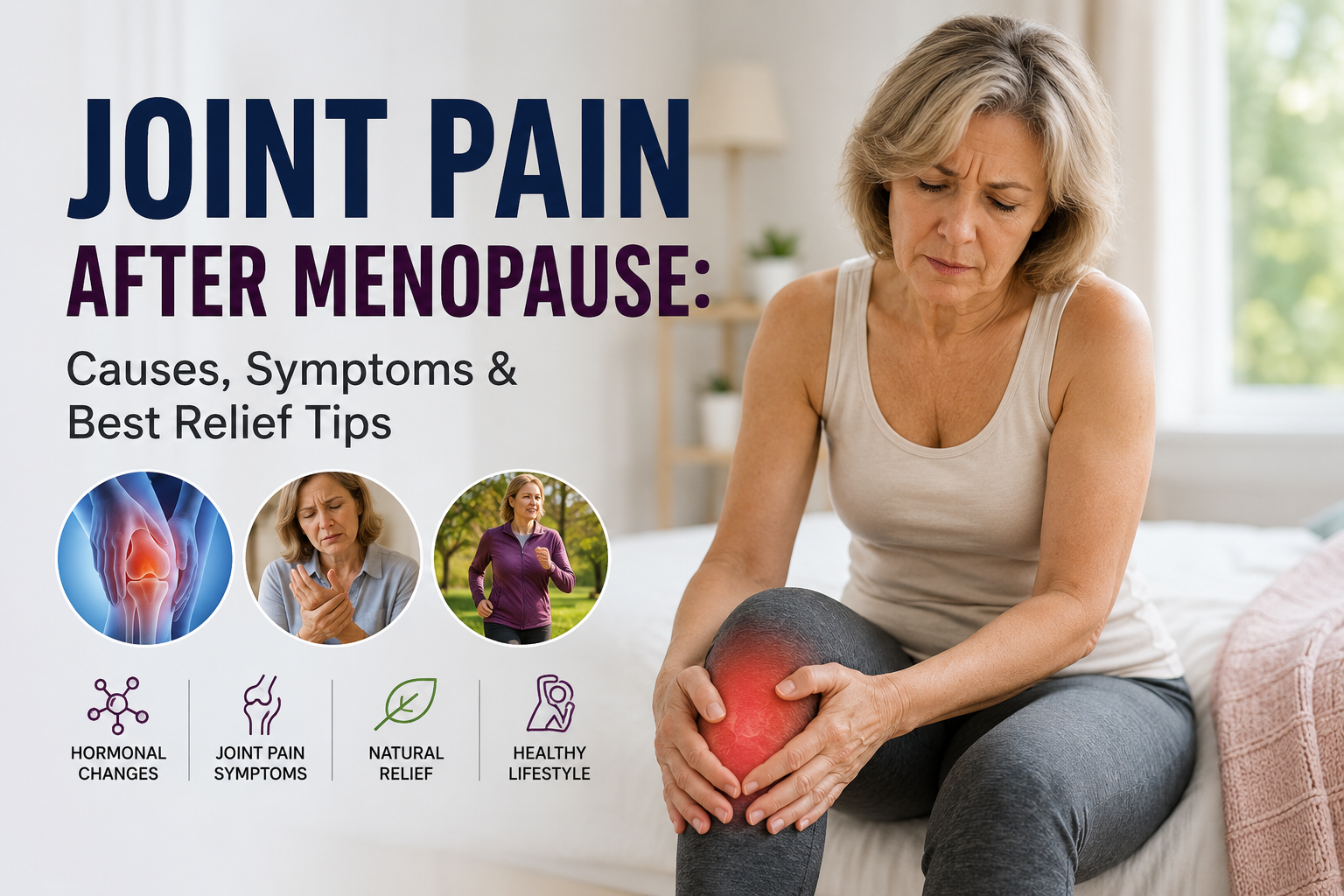
Many women expect hot flashes and mood swings during menopause. Few expect their knees to complain every time they climb stairs. Yet joint pain after menopause affects millions of women worldwide. One day your hips feel stiff after sitting too long. The next day your fingers ache while opening a jar. Suddenly, getting out of bed sounds like a full-body negotiation.
This problem is real, common, and closely linked to hormonal changes. Research shows that declining estrogen levels can affect joints, muscles, bones, and inflammation throughout the body. That explains why menopause joint pain often appears during perimenopause or after periods stop completely.
The good news is simple. You are not imagining it, and you are not doomed to feel stiff forever.
This guide explains why joint pain after menopause happens, how estrogen and joints work together, what symptoms to watch for, and what actually helps according to trusted medical research.
What Is Joint Pain After Menopause?
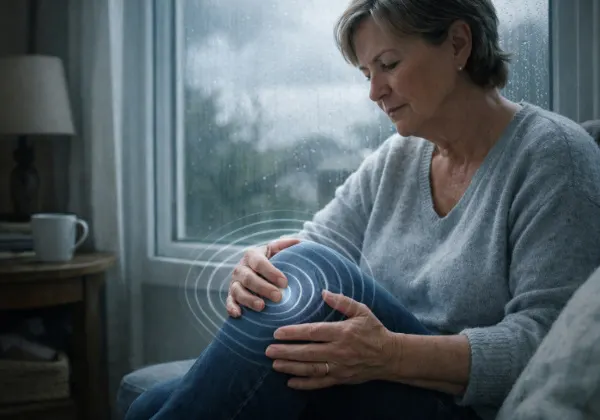
Joint pain after menopause refers to stiffness, soreness, swelling, or aching that develops during or after menopause. Doctors sometimes call it menopausal arthralgia. Many women notice pain in the knees, hands, hips, shoulders, neck, or lower back.
For some women, the pain feels mild and annoying. For others, it interferes with sleep, walking, exercise, or daily tasks.
Hormonal joint pain women experience during menopause usually develops because estrogen levels drop sharply. Estrogen does much more than regulate reproduction. It also supports joint tissues, reduces inflammation, and helps maintain cartilage health.
When estrogen declines, joints may become more sensitive to inflammation and wear. Muscles can weaken, sleep may worsen, and weight changes may increase stress on joints. Together, these factors create the perfect storm for menopause arthritis symptoms and chronic discomfort.
Why Menopause Causes Joint Pain
The connection between estrogen and joints is stronger than many people realize. Estrogen helps regulate inflammation in the body and supports collagen production. Collagen keeps cartilage flexible and cushions joints during movement.
When estrogen levels fall during menopause, several changes happen at once.
Increased Inflammation
Low estrogen may increase inflammatory activity in the body. Inflammation can make joints feel swollen, tender, and stiff. This is one reason menopause joint pain often feels worse in the morning.
Some researchers compare the process to removing oil from a machine. Everything still works, but friction increases.
Cartilage Changes
Cartilage acts like a cushion between bones. Estrogen supports cartilage maintenance. After menopause, cartilage may thin more quickly, increasing joint discomfort over time.
This does not mean menopause directly causes arthritis in every woman. However, hormonal changes can make existing joint problems more noticeable.
Muscle Loss and Weakness
Women naturally lose muscle mass with age, especially after menopause. Less muscle support means joints absorb more pressure during daily movement.
Weak muscles around the knees or hips can increase pain during walking, climbing stairs, or standing for long periods.
Sleep Problems Make Pain Worse
Many menopausal women struggle with poor sleep. Hot flashes and night sweats can interrupt rest repeatedly. Poor sleep increases pain sensitivity and inflammation.
This creates an exhausting cycle. Pain disrupts sleep, and poor sleep increases pain.
Weight Changes Add Stress to Joints
Hormonal shifts may contribute to weight gain during menopause. Extra body weight places additional stress on weight-bearing joints like the knees and hips.
Even a small amount of extra pressure can affect comfort over time. Experts often say the knees remember every extra pound.
Common Symptoms of Menopause Joint Pain
Joint pain after menopause can appear gradually or suddenly. Symptoms vary from woman to woman.
Common symptoms include:
- Morning stiffness
- Aching knees
- Sore fingers or wrists
- Hip pain
- Shoulder stiffness
- Neck discomfort
- Swollen joints
- Clicking or cracking joints
- Reduced flexibility
- Pain that worsens after inactivity
Many women notice symptoms become worse after sitting too long. Getting up from the couch can suddenly feel like preparing for a mountain expedition.
The hands are especially vulnerable because hormonal changes can affect small joints and connective tissues.
Which Joints Are Most Affected?
Menopause arthritis symptoms most commonly affect the following areas.
Knees
The knees carry body weight every day. Hormonal changes combined with aging and muscle loss can increase knee discomfort.
Hands and Fingers
Many women notice stiffness in the fingers during menopause. Rings may suddenly feel tighter, and gripping objects may become uncomfortable.
Hips
Hip pain may develop because of inflammation, cartilage changes, or muscle weakness around the pelvis.
Lower Back
Lower estrogen levels can affect spinal discs and supporting muscles, leading to lower back stiffness and soreness.
Shoulders and Neck
Shoulder stiffness often appears during menopause and may worsen after poor sleep or stress.
Is Menopause Joint Pain the Same as Arthritis?
Not always.
Menopause joint pain and arthritis can overlap, but they are not identical conditions.
Arthritis refers to diseases that damage joints. Osteoarthritis develops from wear and tear over time. Rheumatoid arthritis is an autoimmune disease.
Hormonal joint pain women experience during menopause may occur even without diagnosed arthritis. However, declining estrogen can worsen existing arthritis symptoms.
Some studies suggest menopause may accelerate osteoarthritis progression because estrogen helps protect cartilage and reduce inflammation.
If joint pain becomes severe, persistent, or swollen, a doctor should evaluate the symptoms to rule out arthritis or other conditions.
The Science Behind Estrogen and Joints
Researchers continue studying the relationship between estrogen and joints. Current evidence strongly supports estrogen’s role in joint health.
Estrogen receptors exist in cartilage, bone, and connective tissues. This means estrogen directly interacts with structures involved in movement and flexibility.
Studies also show that women report higher rates of joint pain during perimenopause and after menopause compared to earlier adulthood.
One review published in the journal Climacteric found that more than half of menopausal women reported musculoskeletal pain. Researchers linked symptoms closely to hormonal fluctuations.
Another important factor involves inflammation. Estrogen appears to help regulate inflammatory cytokines. When estrogen drops, inflammation may rise, increasing pain sensitivity.
In simple terms, estrogen acts partly like a protective buffer for joints. When levels decline, the body loses some of that protection.
Risk Factors That Increase Joint Pain After Menopause
Not every woman develops severe menopause joint pain. Several factors may increase risk.
Lack of Physical Activity
Sedentary lifestyles weaken muscles and reduce joint flexibility.
Obesity
Extra body weight places stress on joints and increases inflammation.
Smoking
Smoking may accelerate cartilage damage and worsen inflammation.
Chronic Stress
Stress can increase muscle tension and inflammation while worsening sleep quality.
Previous Joint Injuries
Old injuries may become more painful after hormonal changes.
Family History of Arthritis
Genetics can influence joint health and arthritis risk.
What Actually Helps Menopause Joint Pain?
There is no magical overnight cure. Despite what suspicious internet ads promise, one gummy vitamin will not turn your knees into Olympic equipment.
Still, many evidence-based strategies can significantly reduce discomfort.
Exercise Helps More Than Rest
Many women avoid movement when joints hurt. That feels logical, but too much rest can worsen stiffness.
Regular exercise supports muscles, improves flexibility, reduces inflammation, and helps maintain healthy body weight.
Low-impact activities work especially well.
If stiff joints make exercise feel overwhelming, this guide on “How to Stay Active With Arthritis: Simple Daily Movement Plan That Works” explains beginner-friendly ways to move safely without putting extra pressure on painful joints.
Walking
Walking improves circulation and joint mobility without excessive stress.
Strength Training
Strength exercises support muscles around joints. Strong muscles reduce pressure on knees and hips.
Even light resistance training helps.
Swimming and Water Exercise
Water reduces joint pressure while allowing movement. Many women with menopause arthritis symptoms find water exercise comfortable and effective.
Yoga and Stretching
Yoga improves flexibility, balance, and stress management. Gentle stretching may reduce stiffness.
Consistency matters more than intensity. A short daily walk often helps more than an aggressive workout followed by three days of soreness and regret.
Anti-Inflammatory Nutrition May Reduce Symptoms

Diet cannot completely eliminate hormonal joint pain women experience during menopause. However, certain eating patterns may support lower inflammation.
Research often recommends a Mediterranean-style diet rich in:
- Vegetables
- Fruits
- Whole grains
- Fish
- Nuts
- Olive oil
- Beans
Omega-3 fatty acids found in fatty fish may help reduce inflammation.
Processed foods, excessive sugar, and highly refined carbohydrates may worsen inflammation in some people.
Hydration also matters. Cartilage contains significant amounts of water, and dehydration may worsen stiffness.
Vitamin D and Calcium Support Bone Health
Menopause increases osteoporosis risk because estrogen supports bone density.
Vitamin D helps the body absorb calcium and supports muscle function. Low vitamin D levels may contribute to musculoskeletal pain.
Doctors sometimes recommend testing vitamin D levels in menopausal women with ongoing joint discomfort.
Food sources and safe sunlight exposure may help maintain healthy levels, though some women need supplements.
Sleep Improvement Can Reduce Pain
Sleep and pain influence each other strongly.
Improving sleep quality may reduce inflammation and pain sensitivity.
Helpful habits include:
- Maintaining a regular sleep schedule
- Reducing caffeine late in the day
- Keeping bedrooms cool
- Limiting screen exposure before bed
Managing hot flashes may also improve sleep quality and reduce overall discomfort.
Stress Management Helps More Than People Expect
Stress affects hormones, inflammation, muscle tension, and sleep. Chronic stress can amplify pain perception.
Relaxation strategies such as meditation, deep breathing, walking outdoors, or mindfulness practices may help reduce symptoms.
No, meditation will not magically erase arthritis. But lowering stress can absolutely reduce how intensely the body experiences pain.
Can Hormone Therapy Help?
Hormone therapy may help some women with menopause joint pain.
Research suggests estrogen therapy can reduce joint aches and stiffness in certain menopausal women. However, hormone therapy carries potential risks and benefits that vary by individual.
Doctors consider factors such as:
- Age
- Medical history
- Cardiovascular risk
- Cancer history
- Severity of symptoms
Hormone therapy is not appropriate for everyone. Women should discuss options carefully with qualified healthcare professionals.
When to See a Doctor
Some symptoms deserve medical attention.
See a doctor if joint pain includes:
- Significant swelling
- Redness or warmth
- Fever
- Severe stiffness
- Sudden worsening pain
- Joint deformity
- Persistent symptoms lasting weeks
- Difficulty performing daily activities
Doctors may evaluate for osteoarthritis, rheumatoid arthritis, osteoporosis, autoimmune disease, or other conditions.
Natural Supplements for Menopause Joint Pain
Some supplements show limited but promising evidence for joint support.
These may include:
- Omega-3 fatty acids
- Glucosamine
- Chondroitin
- Turmeric
- Collagen peptides
However, supplement quality varies widely. Some products contain inaccurate ingredient amounts or unsupported claims.
Women should discuss supplements with healthcare providers, especially if they take medications or have medical conditions.
Can Weight Loss Improve Menopause Arthritis Symptoms?
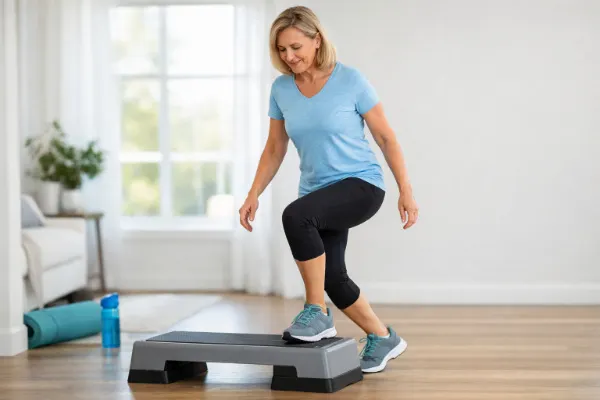
Yes, even modest weight loss may help.
Research consistently shows that reducing excess weight decreases stress on joints, especially the knees.
Every step places force through the knees. Less body weight means less repeated pressure throughout the day.
Weight loss may also reduce inflammation and improve mobility.
Long-Term Outlook for Joint Pain After Menopause
Joint pain after menopause does not always disappear completely, but many women improve significantly with lifestyle changes, medical care, and proper management.
The key is early action.
Ignoring pain and avoiding movement often worsens stiffness and weakness over time. Building strength, improving sleep, managing inflammation, and supporting overall health can make a meaningful difference.
Many women continue hiking, exercising, traveling, and staying active well after menopause.
Your joints may complain occasionally, but they do not get to run the entire meeting.
Frequently Asked Questions
Can menopause cause joint pain and stiffness?
Yes, menopause can cause joint pain and stiffness because estrogen levels drop during this stage of life. Estrogen helps control inflammation and supports healthy joints. When hormone levels decline, many women experience menopause joint pain in the knees, hips, hands, shoulders, and lower back.
What does joint pain after menopause feel like?
Joint pain after menopause often feels like stiffness, aching, swelling, or soreness in different parts of the body. Many women notice pain in the morning or after sitting for long periods. Hormonal joint pain women experience during menopause may also include reduced flexibility and muscle aches.
Which joints are most affected during menopause?
Menopause joint pain commonly affects the knees, hands, fingers, hips, shoulders, and lower back. These areas may become stiff or painful because hormonal changes can increase inflammation and reduce joint support from muscles and cartilage.
Does estrogen help protect joints during menopause?
Yes, estrogen and joints are closely connected. Estrogen helps reduce inflammation, supports collagen production, and protects cartilage health. Lower estrogen levels during menopause may increase joint discomfort and worsen menopause arthritis symptoms in some women.
What helps relieve joint pain after menopause naturally?
Regular exercise, strength training, healthy weight management, anti-inflammatory foods, quality sleep, and stress reduction may help reduce joint pain after menopause naturally. Many women also benefit from walking, yoga, swimming, and eating foods rich in omega-3 fatty acids.
Final Thoughts
Joint pain after menopause is common, but that does not make it easy. Hormonal changes affect inflammation, cartilage, muscles, sleep, and overall joint function. The connection between estrogen and joints explains why many women suddenly experience aches during midlife.
The good news is encouraging. Exercise, healthy nutrition, sleep improvement, stress management, and proper medical care can all help reduce symptoms. Women experiencing hormonal joint pain often improve with consistent habits and individualized treatment plans.
If symptoms become severe or persistent, medical evaluation matters. Joint pain may overlap with arthritis or other health conditions that need proper diagnosis.
Menopause changes the body, but it does not automatically mean giving up comfort, movement, or an active lifestyle.
Sources
- Mayo Clinic – Menopause Symptoms and Causes
- Cleveland Clinic – Menopause Joint Pain
- Harvard Health Publishing – Joint Pain and Menopause
- National Institute on Aging – Menopause Basics
- Arthritis Foundation – Menopause and Arthritis
- Climacteric Journal – Musculoskeletal Pain During Menopause
Author Bio
Jennifer Collins is a wellness researcher and natural health writer focused on adults over 40. With 3+ years of experience in digital health content, Jennifer specializes in making science-backed nutrition and lifestyle strategies easy to follow and apply.
Health Disclaimer
This content is for informational purposes only and is not intended to diagnose, treat, or cure any disease. Always consult your healthcare provider before making changes to your diet or health