
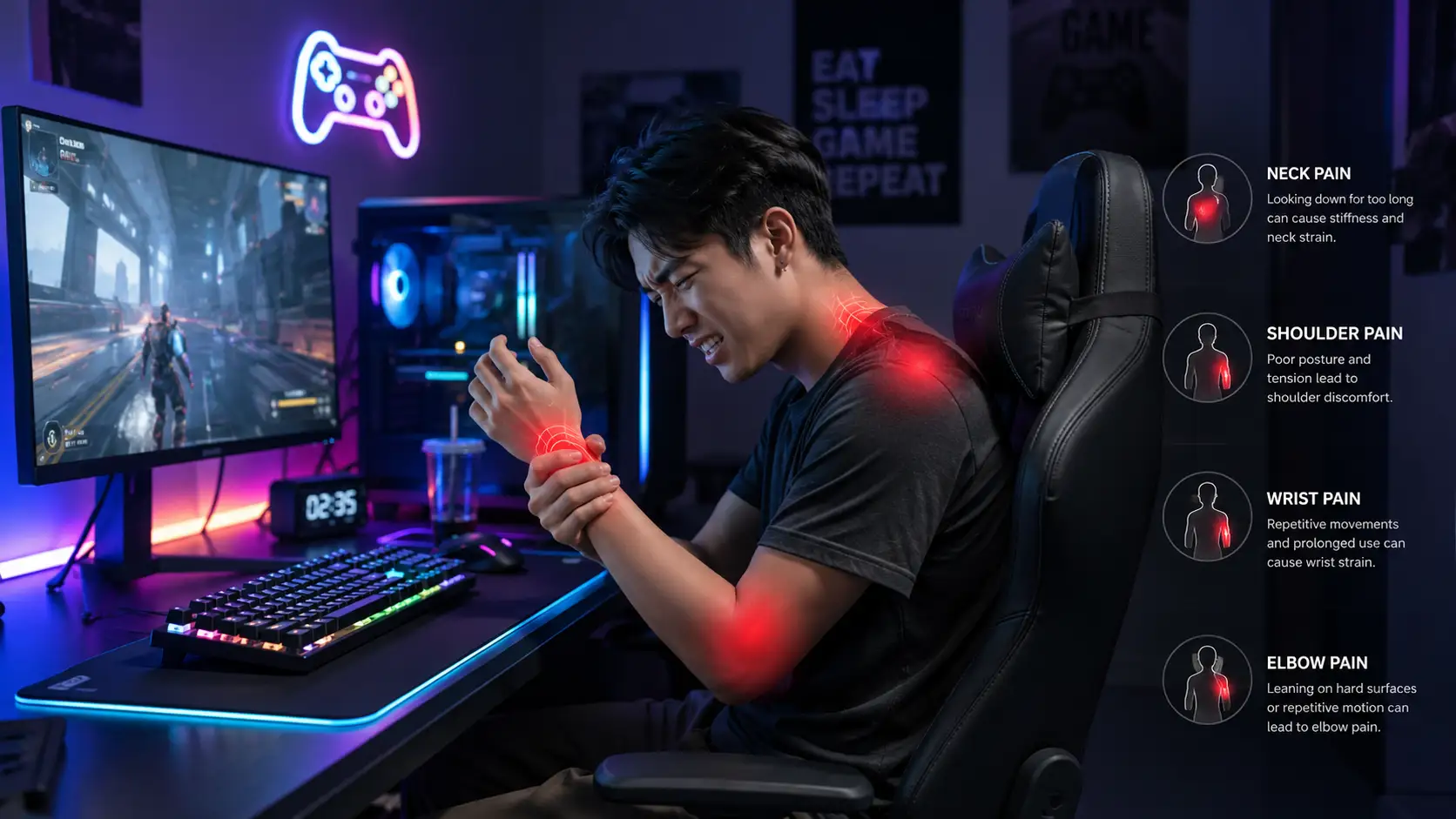
Gaming has evolved from a casual hobby into a global culture that includes competitive esports, streaming, and long multiplayer sessions. While gaming offers entertainment, social interaction, and even career opportunities, extended play can place significant stress on the body. One growing health concern among players of all ages is joint pain from gaming.
Many gamers spend hours sitting in fixed positions while repeatedly using keyboards, controllers, mice, and touch devices. Over time, repetitive movements and poor ergonomics can affect the wrists, fingers, shoulders, neck, and even knees. What starts as mild discomfort can slowly become chronic pain that interferes with both gaming and daily activities. Health professionals often classify these problems under gaming related injuries because they result from repeated physical stress rather than sudden trauma.
Health researchers and physical therapists increasingly warn that musculoskeletal strain among gamers is becoming more common. According to guidance from the Centers for Disease Control and Prevention and the National Institutes of Health, repetitive motion combined with poor posture may increase the risk of joint stress, tendon irritation, and nerve compression. Understanding the warning signs early can help prevent long term damage and improve physical comfort during gameplay.
Why gamers develop joint problems
Gaming may appear physically harmless, but repetitive movement patterns place stress on joints and soft tissues. Unlike sports injuries that occur suddenly, gaming related strain usually develops slowly over weeks or months.
Several factors contribute to discomfort among players:
Repetitive hand and finger movement
Fast clicking, controller gripping, and repeated button tapping force small joints and tendons to work continuously. Over time, this repetitive action may contribute to inflammation and stiffness. This is one reason why many players experience hand pain while gaming after extended sessions. Continuous stress may also lead to repetitive strain injury conditions that affect fine motor movement and flexibility.
Poor sitting habits
Slouching, leaning forward, or keeping the neck bent toward a screen can create severe gaming posture pain. The shoulders and spine often compensate for poor alignment, leading to tension across the upper body. Poor screen posture may increase pressure on the neck and upper spine during long sessions.
Lack of movement breaks
Some gamers remain seated for several hours without stretching or standing. Reduced movement affects blood circulation and increases muscle tightness around joints. This repetitive motion stress gradually places more strain on supporting muscles and connective tissue.
Incorrect equipment setup
A desk that is too high or a chair without back support may place additional stress on wrists, elbows, and shoulders. Ergonomic setup mistakes often contribute to gamer wrist pain and neck discomfort. An ergonomic gaming setup can significantly reduce unnecessary pressure on joints during extended play.
Early warning signs players should never ignore
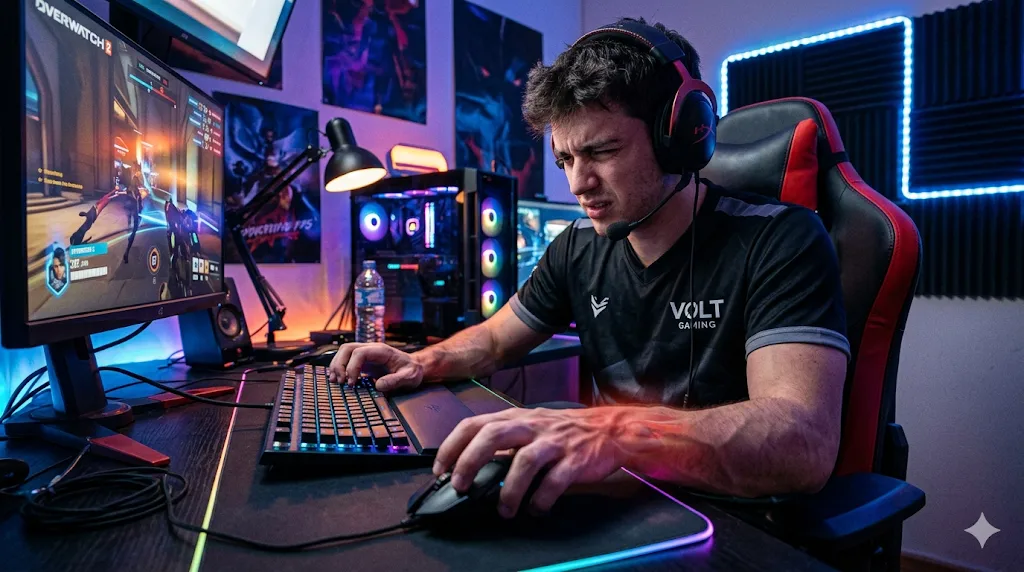
Recognising symptoms early may help reduce long term complications. Many players dismiss mild discomfort until it becomes severe enough to affect sleep, work, or gaming performance.
Persistent wrist stiffness
One of the earliest symptoms is stiffness around the wrist after gaming sessions. The discomfort may fade after rest but return during gameplay. Repeated strain can irritate tendons and surrounding tissues. In some players, wrist tendon inflammation develops due to excessive repetitive movement.
People who use a mouse extensively often report wrist fatigue from gaming that worsens after intense clicking sessions. Competitive players may be particularly vulnerable because they perform thousands of rapid movements within short periods.
Tingling or numbness in fingers
Tingling sensations may indicate nerve irritation caused by pressure in the wrist or elbow. Carpal tunnel syndrome is commonly discussed in gaming communities because it affects hand mobility and grip strength. Early carpal tunnel symptoms may include burning sensations, finger numbness, and reduced hand coordination.
The National Institute of Neurological Disorders and Stroke explains that repetitive wrist activity may increase pressure on the median nerve, particularly when wrist positioning remains awkward for long periods.
Shoulder and neck tightness
Gamers frequently lean toward screens during competitive matches. This posture causes upper body muscles to remain contracted for long durations. Over time, severe gamer back and neck pain can spread from the neck into the shoulders and upper back. Persistent neck stiffness may also affect concentration and reaction speed during gameplay.
Reduced grip strength
Difficulty holding a controller or opening jars may indicate strain related weakness. This symptom often develops gradually and may accompany swelling or soreness in the hands. Excessive controller grip stress may worsen tension in the fingers and wrists during fast paced gaming.
Clicking joints during movement
Some players notice cracking or clicking sounds when moving fingers, wrists, or shoulders. Occasional joint sounds are normal, but pain combined with clicking may suggest irritation or inflammation.
The connection between posture and long term pain
Posture affects nearly every joint involved in gaming. When the body stays misaligned for extended periods, pressure shifts unevenly across muscles and connective tissues.
Forward head posture
Leaning toward a monitor increases strain on the cervical spine. Research from physical therapy journals shows that forward head posture may increase neck muscle fatigue and joint compression.
Rounded shoulders
Rounded shoulders limit proper arm positioning and increase tension across the upper back. Gamers with this posture often report headaches and shoulder stiffness. Over time, upper back tension may reduce flexibility and contribute to chronic discomfort.
Wrist extension strain
When keyboards or controllers sit too high, wrists bend upward unnaturally. This repeated position contributes to wrist strain in gamers and tendon irritation. Continuous forearm strain may also develop when the wrists lack proper support.
Lower back compensation
Poor upper body posture often forces the lower spine to compensate. Players may eventually develop hip tightness and lower back soreness alongside upper body discomfort. Simple posture correction habits can improve alignment and reduce stress across multiple joints.
How joint pain from gaming affects daily life
Many players assume discomfort disappears once gameplay ends. Unfortunately, repeated strain can gradually affect everyday activities.
People experiencing joint pain from gaming may notice problems while typing, cooking, driving, or lifting objects. Some individuals struggle to sleep because wrist or shoulder pain intensifies at night. Persistent shoulder tension may also interfere with exercise and household tasks.
Competitive gamers and streamers may face additional challenges because they spend longer hours practicing or broadcasting. Pain related limitations can reduce reaction speed, concentration, and endurance during gameplay. Discussions about esports health are becoming increasingly important as professional gaming continues to grow worldwide.
Students and office workers are also at higher risk because gaming often follows an already sedentary workday. The body receives little recovery time between repetitive tasks.
Most common conditions linked to gaming strain
Several medical conditions are associated with repetitive gaming habits.
Tendinitis
Tendinitis occurs when tendons become irritated or inflamed. Wrist and thumb tendinitis are particularly common among gamers who use controllers or mobile devices frequently.
Carpal tunnel syndrome
This condition develops when the median nerve becomes compressed inside the wrist. Symptoms include numbness, weakness, and burning sensations.
Trigger finger
Repeated gripping may cause fingers to lock or click during movement. Trigger finger affects tendon motion and may become painful without treatment.
Tennis elbow
Despite the name, tennis elbow can affect gamers due to repetitive forearm movement. Mouse use and repetitive clicking are common triggers. Many cases involve tendon irritation around the elbow joint.
Cervical strain
Neck strain caused by prolonged screen positioning often leads to headaches, stiffness, and upper shoulder discomfort.
The role of gaming setup in injury prevention
A proper gaming environment can significantly reduce physical stress on joints.
Chair support matters
An ergonomic chair should support the lower back while allowing feet to rest flat on the floor. Proper ergonomic chair support encourages healthier spinal alignment.
Monitor height affects neck strain
The top of the monitor should generally sit near eye level. Looking downward for long periods contributes heavily to gaming posture pain.
Keyboard and mouse positioning
Arms should remain relaxed with elbows close to the body. Wrists should stay neutral instead of sharply bent upward. Effective gaming ergonomics help reduce pressure on tendons and nerves during extended sessions.
Controller grip pressure
Many gamers unconsciously grip controllers too tightly during intense matches. Relaxing the grip periodically may reduce tension in the fingers and wrists.
Healthy gaming habits that reduce strain
Small daily adjustments often make a major difference.
Follow the movement rule
Experts commonly recommend standing or stretching every 30 to 60 minutes. Short breaks improve circulation and reduce stiffness. Regular mobility exercises may help improve flexibility and reduce muscular tightness.
Stretch the hands and forearms
Gentle stretches help maintain flexibility in tendons and muscles. Players dealing with hand pain while gaming may benefit from wrist rotations and finger extension exercises. Stretching may also reduce hand fatigue after competitive gaming sessions.
Stay hydrated
Hydration supports muscle and joint function. Dehydration may increase muscle fatigue during long sessions.
Use lighter touch controls
Aggressive button pressing creates unnecessary stress on joints. Many experienced players train themselves to use softer inputs.
Strengthen supporting muscles
Light strength training and mobility exercises improve joint stability. Strong shoulders and forearms help distribute gaming related stress more evenly.
Joint ache from gaming in teenagers and younger players
Younger gamers are not immune to repetitive strain problems. In fact, children and teenagers often spend long hours on mobile devices, consoles, and computers without paying attention to posture.
Pediatric health experts warn that developing bodies may respond differently to prolonged sitting and repetitive movement. Young players sometimes ignore symptoms until discomfort becomes persistent. Cases of repetitive strain injuries in gamers are being discussed more frequently as screen time increases among younger age groups.
Parents should monitor gaming duration, encourage movement breaks, and ensure proper workstation setup. Healthy habits established early may reduce future musculoskeletal problems.
When to seek medical help
Mild soreness after gaming usually improves with rest and stretching. However, certain symptoms should not be ignored.
Seek medical evaluation if you experience:
- Persistent numbness
- Swelling around joints
- Sharp or burning pain
- Loss of grip strength
- Symptoms lasting several weeks
- Difficulty performing daily tasks
- Pain that interrupts sleep
Healthcare professionals may recommend physical therapy, ergonomic adjustments, activity modification, or imaging tests depending on severity.
The psychological side of chronic gaming discomfort
Pain does not affect only the body. Chronic discomfort can influence mood, focus, and motivation. Some gamers become frustrated when physical symptoms reduce their performance or limit playing time.
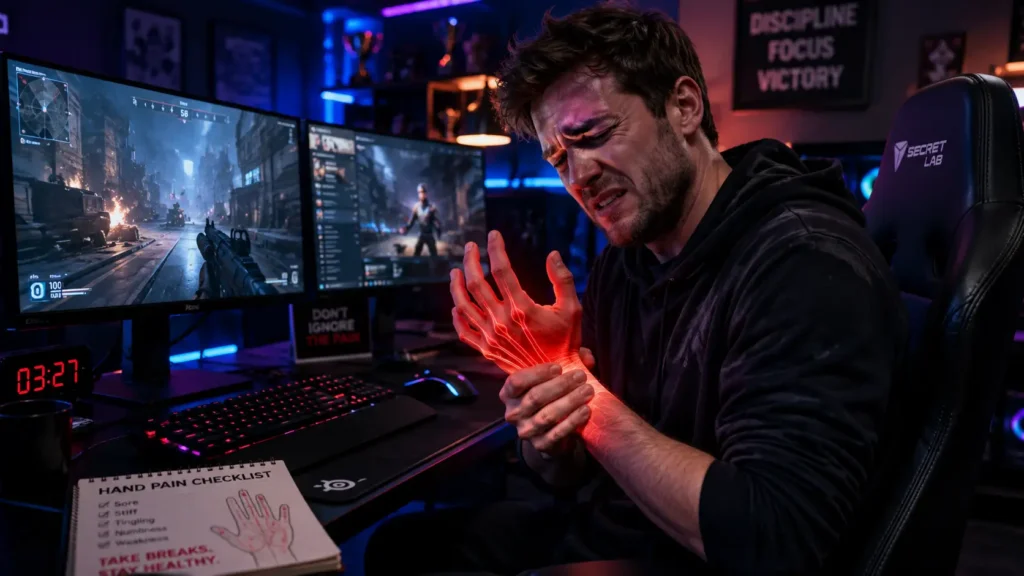
Stress may also worsen muscle tension, creating a cycle where discomfort increases during emotionally intense gameplay. Competitive environments sometimes encourage players to ignore pain in pursuit of rankings or tournament preparation.
Building healthier routines and respecting physical limits supports both mental and physical wellbeing.
Can esports organisations improve player health?
Professional esports teams increasingly recognise the importance of physical care. Some organisations now employ physiotherapists, fitness trainers, and sports psychologists to support players.
Structured warm ups, stretching sessions, and ergonomic training are becoming more common in competitive gaming environments. These practices mirror traditional sports medicine approaches.
As awareness grows, experts expect the gaming industry to place greater emphasis on injury prevention and sustainable training habits.
Smart recovery strategies for overworked joints
Recovery is essential for anyone experiencing gamer wrist pain or muscle stiffness after gaming.
Ice and heat therapy
Cold therapy may help reduce inflammation after intense activity. Heat therapy often improves muscle relaxation and circulation before stretching.
Sleep quality
Sleep supports tissue repair and nervous system recovery. Poor sleep may increase sensitivity to pain and prolong inflammation.
Reduce gaming intensity temporarily
Lowering playtime for several days can help irritated tissues recover. Continuing through severe pain may worsen the condition. Players experiencing wrist and shoulder pain from video games may benefit from temporarily limiting repetitive gameplay activities.
Try mobility focused activities
Walking, swimming, and yoga help counteract prolonged sitting and improve joint mobility.
Building a healthier gaming future
Gaming itself is not inherently harmful. Problems usually develop when long sessions combine with poor ergonomics, limited movement, and repetitive stress. Awareness remains the strongest tool for prevention.
Also Read: Keto diet and joint pain: pros and cons for inflammation, arthritis, and mobility
Players who recognise symptoms early can make adjustments before serious complications develop. Improving posture, taking movement breaks, stretching regularly, and maintaining ergonomic equipment all help protect joint health.
As gaming continues to grow worldwide, conversations about physical wellbeing are becoming increasingly important. Understanding the risks associated with joint pain from gaming allows players to enjoy their favourite hobby while reducing unnecessary strain on the body.
Sources and section mapping
- Centers for Disease Control and Prevention
- National Institutes of Health
- National Institute of Neurological Disorders and Stroke
- MedlinePlus
- American Academy of Orthopaedic Surgeons
- Harvard Health Publishing
- Mayo Clinic
FAQs
Why does gamer wrist pain feel worse at night?
Nighttime discomfort often becomes more noticeable because the body is no longer distracted by movement and activity. Fluid shifts and wrist positioning during sleep may also increase pressure around irritated nerves and tendons. People who spend long hours using controllers or keyboards sometimes keep their wrists bent during sleep, which may worsen stiffness and tingling sensations. Gentle stretching before bed and maintaining neutral wrist positioning may help reduce overnight discomfort.
Can gaming posture pain cause headaches?
Yes, poor posture during gaming may contribute to tension headaches. Forward head positioning and tight shoulder muscles can place stress on the neck and upper spine. Reduced blood flow and muscle fatigue sometimes trigger pain that spreads from the neck into the head. Long sessions without breaks may intensify these symptoms, especially when monitor height and seating posture are incorrect.
Why does hand pain while gaming happen faster on mobile devices?
Mobile gaming often forces the hands into smaller and more restricted positions than console or computer gaming. Continuous thumb movement combined with tight gripping may overload finger joints and tendons more quickly. Smaller screens also encourage poor neck posture, which can indirectly increase upper limb tension during gameplay.
Can stretching reduce repetitive strain symptoms in gamers?
Stretching may improve flexibility, blood circulation, and muscle relaxation around stressed joints. Gentle hand, wrist, shoulder, and neck stretches can reduce stiffness after prolonged gaming sessions. Consistent stretching routines often work best when combined with ergonomic improvements and regular movement breaks throughout the day.
Does blue light exposure affect muscle tension during gaming?
Blue light itself does not directly damage joints, but prolonged screen exposure may contribute to eye strain and fatigue. Tired players sometimes lean closer to screens or maintain rigid posture unconsciously. This increased tension can worsen neck stiffness and upper body discomfort over time.
Are mechanical keyboards better for reducing wrist discomfort?
Some gamers find mechanical keyboards more comfortable because they provide responsive feedback and may require less repeated force depending on switch type. However, keyboard positioning, wrist angle, and desk height usually matter more than keyboard style alone. Even high quality equipment cannot fully prevent discomfort without proper posture habits.
Can younger gamers develop long term repetitive strain injuries?
Yes, repetitive strain problems can affect younger players, especially when gaming sessions are very long and posture remains poor. Early symptoms may include stiffness, finger soreness, or reduced flexibility. Encouraging healthy movement habits and balanced screen time may help lower long term risks.
Author Bio
Jennifer Collins is a wellness researcher and natural health writer focused on adults over 40. With 3+ years of experience in digital health content, Jennifer specializes in making science-backed nutrition and lifestyle strategies easy to follow and apply.
Health Disclaimer
This content is for informational purposes only and is not intended to diagnose, treat, or cure any disease. Always consult your healthcare provider before making changes to your diet or health