
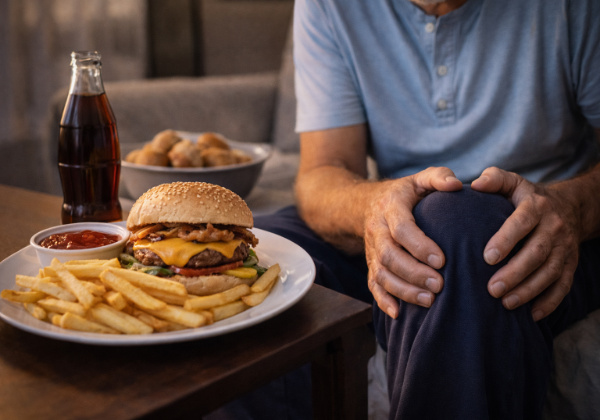
You wake up, swing your legs out of bed, and notice it again — that familiar stiffness in your knees, hips, or hands. It’s not unbearable, but it’s there. Maybe it eases after a hot shower or a short walk. Maybe it lingers longer than it used to.
If you’re over 40, you’re not alone. Joint stiffness becomes more common with age, and while activity and stress play a role, many people are surprised to learn that everyday foods can quietly influence how your joints feel.
The good news? Once you understand which foods that worsen joint stiffness may be affecting you, small changes can make a noticeable difference over time. This article walks you through what to watch for, why it happens, and how to support your joints in a steady, realistic way — without extreme diets or unrealistic promises.
Table of Contents
What Are “Foods That Worsen Joint Stiffness”?
Foods that worsen joint stiffness are items that may increase inflammation, fluid retention, or tissue sensitivity in some people. Over time, these effects can contribute to that tight, creaky, slow-to-warm-up feeling in the joints.
This doesn’t mean a single meal will suddenly cause stiffness. Think of it more like background noise. When certain foods are eaten regularly, they can create an internal environment that makes joints feel less comfortable — especially as we age.
Common categories that may contribute include:
- Highly processed foods
- Excess sugar
- Refined carbohydrates
- Excess alcohol
- Certain inflammatory fats
- High-sodium packaged foods
Everyone’s body responds differently, but many adults over 40 notice patterns when they pay closer attention to what they eat and how they feel the next day.
Why Joint Stiffness Often Increases After 40
As we age, the body naturally changes in ways that can make joints more sensitive to lifestyle factors, including diet.
Slower Tissue Recovery
Cartilage, tendons, and connective tissues repair more slowly with age. When inflammation rises — even mildly — stiffness can stick around longer.
Changes in Muscle Mass
Muscle helps stabilize joints. After 40, muscle mass gradually declines unless we actively maintain it. Less support around the joint can make stiffness feel more noticeable.
Hormonal Shifts
Hormones influence inflammation and tissue health. Changes in estrogen and testosterone can affect joint comfort, especially in midlife.
Increased Sensitivity to Inflammatory Foods
What didn’t bother you at 30 might feel different at 50. Many people become more sensitive to certain foods over time, particularly those that trigger inflammation or fluid retention.
Common Symptoms and Patterns
Diet-related stiffness often shows up in predictable ways:
- Morning stiffness that improves after moving
- Stiffness after long periods of sitting
- Hands feeling tight after salty or processed meals
- Knees or hips feeling heavier after sugar-heavy days
- Flare-ups after weekends with more alcohol or takeout
Some people notice their joints feel worse the day after eating certain foods. Keeping a simple food and symptom journal for a few weeks can reveal helpful patterns.
If nighttime discomfort is also an issue, you may want to explore resources like knee pain at night seniors for additional support strategies.
Lifestyle and Daily Habit Factors
Food matters, but it’s only one piece of the puzzle. Joint stiffness often reflects a combination of habits.
Hydration
Dehydration can make tissues less flexible. Many adults simply don’t drink enough water throughout the day.
Sleep Quality
Poor sleep increases inflammation and slows recovery. Even one restless night can make joints feel stiffer the next morning.
Stress Levels
Chronic stress can elevate inflammatory markers in the body. This can amplify how joints feel.
Sedentary Time
Long hours of sitting can cause joints to stiffen, especially hips and knees. Gentle movement throughout the day helps.
Foods That Worsen Joint Stiffness
1. Highly Processed Foods
Packaged snacks, frozen meals, and fast food often contain additives, refined oils, and excess sodium. These can contribute to inflammation and fluid retention.
Examples:
- Chips and crackers
- Fast-food burgers and fries
- Frozen pizza
- Processed deli meats
2. Added Sugars
Excess sugar can promote inflammation in some individuals. It may also contribute to weight gain, which places extra stress on joints.
Common sources:
- Sugary drinks
- Pastries and desserts
- Sweetened cereals
- Flavored coffee drinks
3. Refined Carbohydrates
White bread, white pasta, and many baked goods can cause blood sugar spikes. Over time, this may influence inflammation levels.
4. Excess Alcohol
Alcohol can disrupt sleep and increase inflammation in some people. It may also contribute to dehydration, which affects joint comfort.
5. High-Sodium Foods
Too much sodium can lead to fluid retention. Some people notice puffiness or stiffness in their hands and knees after salty meals.
6. Certain Vegetable Oils
Oils high in omega-6 fats — like corn or soybean oil — may promote inflammation when consumed in excess without balancing omega-3s.
Gentle Movement and Wellness Support
Movement helps circulate fluid through joints and maintain flexibility.
Try:
- Short walks after meals
- Gentle stretching in the morning
- Light strength training
- Water-based exercise
- Yoga or mobility routines
Consistency matters more than intensity. Even 10 minutes of daily movement can help joints feel looser over time.
Nutrition and Hydration Basics
Instead of focusing only on what to avoid, think about what to include.
Supportive habits:
- Drink water consistently throughout the day
- Include fruits and vegetables at most meals
- Choose whole grains over refined grains
- Add omega-3 sources like fish, walnuts, or flax
- Balance meals with protein, fiber, and healthy fats
These choices support overall wellness and may help joints feel more comfortable.
When to Seek Professional Advice
Occasional stiffness is common, but persistent or worsening symptoms deserve attention.
Consider talking with a healthcare professional if you notice:
- Severe or increasing stiffness
- Swelling or redness
- Joint pain lasting weeks
- Limited range of motion
- Sudden changes in mobility
A professional can help rule out underlying conditions and guide you toward appropriate care.
Practical Tips You Can Try Today
- Swap one processed snack for a whole-food option
- Drink a full glass of water when you wake up
- Add a short walk after dinner
- Reduce sugary drinks during the week
- Stretch for five minutes before bed
- Keep a simple food and symptom journal
Small steps add up. Most people notice gradual improvements rather than overnight changes.
Common Myths and Mistakes
Myth: One food causes all joint stiffness.
Reality: It’s usually a pattern over time, not a single meal.
Myth: You must cut out entire food groups.
Reality: Moderation and balance are often more sustainable.
Myth: Stiffness is inevitable after 40.
Reality: While common, many people improve symptoms with lifestyle changes.
Mistake: Ignoring hydration.
Water plays a bigger role in joint comfort than many realize.
Frequently Asked Questions
What foods trigger joint stiffness the most?
Highly processed foods, excess sugar, and high-sodium meals are common culprits. Individual responses vary.
How quickly can diet changes help?
Some people notice differences within a few weeks. For others, it takes longer. Consistency matters.
Does coffee worsen joint stiffness?
Moderate coffee intake is usually fine for most people. Excess sugar in coffee drinks may be more of a concern.
Should I avoid all inflammatory foods?
Not necessarily. Balance and moderation are more realistic than strict elimination.
Can dehydration cause stiffness?
Yes. Dehydration can make tissues less flexible and joints feel tighter.
Are supplements necessary?
Some people find supplements helpful, but it’s best to discuss them with a healthcare professional.
A Helpful Extra Resource
If you’re looking for gentle, practical ways to support your joints, you might find this guide useful:
“Stop the Creak: 6 Natural Joint Pain Solutions Doctors Don’t Tell You About.”
It offers simple, everyday strategies many adults over 40 use to stay comfortable and active. No pressure — just an optional resource if you’d like more ideas.
About the Author
Jennifer Collins
Health Research Editor, JointReliefJournal
Jennifer Collins specializes in translating health research into practical, easy-to-understand guidance for adults over 40. Her work focuses on joint health, mobility, and realistic lifestyle support. She prioritizes transparency, research-based insights, and compassionate education.
Medical & Educational Disclaimer
This article is for educational purposes only and is not medical advice. Always consult a qualified healthcare professional regarding any concerns about joint pain, stiffness, or changes in mobility. Individual needs and health conditions vary.