
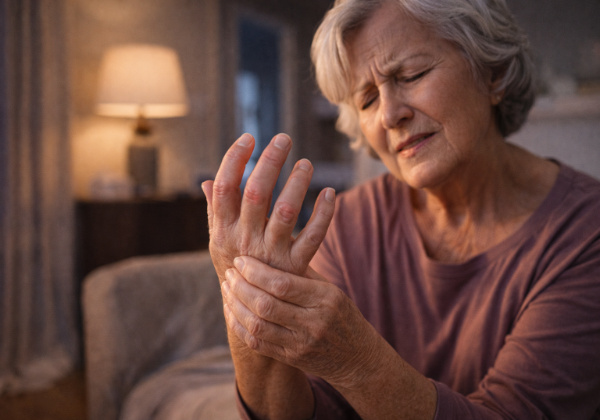
If your hands feel stiff when you wake up, or it takes a few minutes before your fingers “warm up” enough to grip a mug or open a jar, you’re not alone. Many adults over 40 quietly deal with hand joint stiffness older adults often notice creeping in over time. It doesn’t always arrive with sharp pain. Sometimes it’s subtle—tight knuckles, reduced flexibility, or a sense that your hands just don’t move as smoothly as they used to.
It can be frustrating. Our hands are part of nearly everything we do—cooking, driving, typing, gardening, holding loved ones’ hands. When they feel stiff, it’s easy to worry about what’s next.
The reassuring news? In many cases, mild to moderate hand stiffness is manageable with consistent, natural support. Understanding why it happens—and what you can do about it—can make a meaningful difference in how your hands feel day to day.
This guide will walk you through the common reasons for stiffness, daily habits that help, and gentle steps you can start today.
Table of Contents
What “Hand Joint Stiffness Older Adults” Means
Hand joint stiffness refers to a feeling of tightness, reduced flexibility, or difficulty moving the fingers, thumbs, or wrists smoothly. For older adults, this often appears gradually rather than suddenly.
You might notice:
- Fingers feeling tight in the morning
- Knuckles that take time to loosen up
- Difficulty gripping or twisting objects
- A “creaky” sensation with movement
- Reduced dexterity for fine tasks
For many people, stiffness is more noticeable after periods of rest—like first thing in the morning or after sitting still for a while.
While stiffness can be associated with conditions like osteoarthritis, it can also stem from everyday wear and tear, lifestyle habits, or simply normal aging.
Why Hand Stiffness Happens After 40
Aging doesn’t mean your joints are destined to fail. But changes in the body can make stiffness more common over time.
1. Natural Joint Wear and Tear
Think of joints like door hinges. Over decades of use, the lubrication and cushioning can change. Cartilage may thin slightly, and joints can feel less smooth in motion.
2. Reduced Joint Fluid
Joint fluid helps keep movement comfortable. As we age, production can decrease, leading to that familiar “tight” feeling, especially after inactivity.
3. Muscle and Tendon Changes
Tendons and muscles around the hands can lose flexibility if they aren’t used regularly. Repetitive tasks—typing, texting, gripping tools—can also contribute to stiffness.
4. Circulation Changes
Blood flow supports joint health. When circulation slows with age or inactivity, hands may feel stiff or cold more often.
5. Lifestyle Factors
Daily habits play a bigger role than many realize. Diet, hydration, sleep, and movement all influence joint comfort. For example, certain eating patterns may increase inflammation. You can learn more in our guide on foods that worsen joint stiffness
Common Symptoms and Patterns
Hand stiffness often follows predictable patterns.
Morning Stiffness
Many older adults notice stiffness first thing in the morning. This happens because joints have been still overnight. Once you start moving, they usually loosen up.
After Rest
Long car rides, sitting at a desk, or watching TV can make hands feel tight when you start moving again.
Weather Sensitivity
Some people report more stiffness in cold or damp weather. While research is mixed, many individuals notice a clear personal pattern.
Gradual Changes
Unlike sudden injury, stiffness often develops slowly. You may realize one day that opening jars or buttoning shirts feels more difficult than before.
Lifestyle and Daily Habit Factors
Daily habits can either support joint comfort or quietly work against it.
Repetitive Hand Use
Typing, scrolling on phones, knitting, or using tools can strain the same joints repeatedly. Without breaks, tissues can tighten.
Lack of Movement
Ironically, not using your hands enough can also cause stiffness. Joints need gentle movement to stay flexible.
Poor Ergonomics
Working at a computer without wrist support or holding devices awkwardly can increase strain.
Sleep Position
Sleeping with curled wrists or clenched hands may contribute to morning stiffness.
Stress and Tension
Stress often shows up physically. Many people unconsciously clench their hands or tense their fingers when anxious.
Gentle Movement and Wellness Support
Movement is one of the most effective ways to support joint comfort. The key is gentle, consistent activity—not forceful exercise.
Simple Hand Warm-Up
Try this each morning:
- Rub hands together for 20 seconds
- Open and close fists slowly
- Spread fingers wide, then relax
- Rotate wrists gently
This helps increase circulation and “wake up” the joints.
Warm Water Soak
Soaking hands in warm (not hot) water for 5–10 minutes can ease stiffness. Many people find this helpful before starting their day.
Stretching Throughout the Day
Set reminders to stretch every hour if you work at a desk. Even 30 seconds helps.
Light Strength Work
Using soft therapy putty or a stress ball can help maintain grip strength and mobility.
Whole-Body Movement
Walking, yoga, and light strength training support circulation and joint health throughout the body—including the hands.
Nutrition and Hydration Basics
Food and hydration play a quiet but powerful role in joint comfort.
Stay Hydrated
Joints rely on fluid to move smoothly. Even mild dehydration can make stiffness feel worse.
Supportive Nutrients
Focus on:
- Omega-3 fats (salmon, walnuts)
- Leafy greens
- Berries
- Nuts and seeds
- Whole grains
These support overall joint health.
Limit Highly Processed Foods
Some people notice increased stiffness when eating heavily processed or sugary foods. Everyone’s body responds differently, but it’s worth observing patterns.
Consistent Eating Patterns
Skipping meals or relying heavily on convenience foods may contribute to inflammation and stiffness.
When to Seek Professional Advice
While mild stiffness is common, certain signs warrant a conversation with a healthcare professional:
- Persistent swelling
- Severe pain
- Sudden loss of function
- Numbness or tingling
- Stiffness lasting more than an hour each morning
- Rapid worsening
A professional can help rule out conditions like arthritis, tendon issues, or nerve compression.
Early guidance often leads to better long-term outcomes.
Practical Tips You Can Start Today
Small daily changes add up.
- Start mornings with a 3-minute hand warm-up
- Use warm water before tasks that require grip
- Take movement breaks every hour
- Adjust your workstation for better wrist alignment
- Stay hydrated throughout the day
- Pay attention to foods that affect how your joints feel
- Use ergonomic tools for cooking or gardening
Think of joint care like brushing your teeth—simple habits done consistently.
Common Myths and Mistakes
Myth: “Stiffness means I should avoid using my hands.”
Gentle movement is usually helpful. Avoiding movement can make stiffness worse.
Myth: “Only severe arthritis causes stiffness.”
Mild stiffness can occur without arthritis. Many factors contribute.
Mistake: Overdoing it on “good days”
It’s tempting to tackle everything when hands feel better. Pacing yourself helps prevent flare-ups.
Mistake: Ignoring hydration
Many people underestimate how much water affects joint comfort.
Myth: “There’s nothing I can do about aging joints.”
While aging plays a role, daily habits have a significant impact.
Frequently Asked Questions
Why are my hands stiff in the morning?
Joints can stiffen after inactivity overnight. Gentle movement and warmth usually help them loosen up.
Is hand stiffness a normal part of aging?
Some stiffness is common with age, but persistent or severe symptoms should be evaluated.
Can dehydration cause joint stiffness?
Yes. Joints rely on fluid for smooth movement. Even mild dehydration can contribute.
Do certain foods affect hand stiffness?
Some people notice patterns with processed foods or high sugar intake. Keeping a simple food journal can help identify triggers.
How long should morning stiffness last?
For many people, it improves within minutes. If it lasts longer than an hour regularly, consider seeking professional advice.
Are hand exercises safe for older adults?
Gentle exercises are generally safe and helpful. Avoid pain and consult a professional if unsure.
A Gentle Next Step (Optional)
If you’re looking for more practical ideas, you might find our free guide helpful:
“Stop the Creak: 6 Natural Joint Pain Solutions Doctors Don’t Tell You About.”
It’s a simple, reader-friendly resource with everyday strategies many people over 40 find useful. No pressure—just an extra layer of support if you want it.
About the Author
Jennifer Collins
Health Research Editor, JointReliefJournal
Jennifer Collins is a health research editor who specializes in translating complex wellness topics into practical, easy-to-understand guidance. She focuses on evidence-informed lifestyle approaches that support joint comfort and mobility as people age. Her work emphasizes transparency, balance, and realistic expectations.
Medical & Educational Disclaimer
This article is for educational purposes only and is not medical advice. It is not intended to diagnose, treat, cure, or prevent any condition. Always consult a qualified healthcare professional with questions about your health, symptoms, or treatment options.