
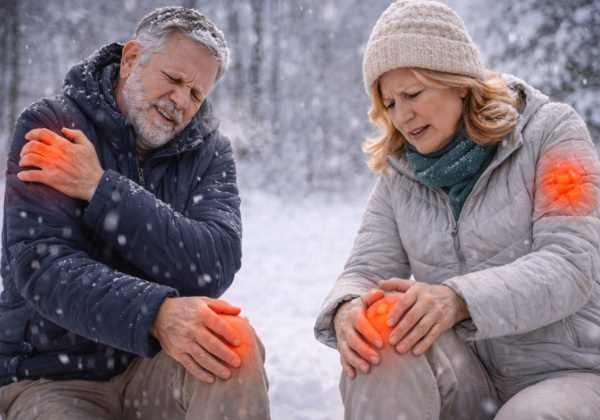
You step outside on a chilly morning, and suddenly your knees feel stiff. Your fingers don’t move as smoothly as they did yesterday. Maybe your shoulders ache before the coffee even finishes brewing. If joints hurt more in cold weather for you, you’re far from alone — especially after age 40.
Many adults notice that colder months seem to amplify aches they barely felt during warmer seasons. It can feel frustrating, confusing, and sometimes discouraging. You may wonder whether something is wrong or if this is simply part of getting older.
Here’s the reassuring truth: your body isn’t failing you. It’s responding to real physical changes — many of which you can support naturally.
In this guide, we’ll explore why cold weather affects joints, what changes after 40, and practical, everyday strategies that can help you stay mobile, comfortable, and confident year-round.
Table of Contents
What Does It Mean When Joints Hurt More in Cold Weather?
When people say their joints ache in winter, they’re usually describing a combination of:
- Increased stiffness
- Reduced flexibility
- Dull or deep aching sensations
- Slower movement after rest
- Sensitivity to temperature changes
Cold weather doesn’t necessarily cause joint problems. Instead, it tends to magnify existing sensitivity in joints, muscles, and connective tissues.
Why weather changes affect joints
Several environmental factors play a role:
- Barometric pressure shifts may allow tissues around joints to expand slightly, increasing sensitivity.
- Cold temperatures tighten muscles and tendons, reducing mobility.
- Reduced circulation slows nutrient delivery to joint tissues.
- Lower activity levels during winter lead to stiffness.
Think of joints like door hinges. In warm conditions, they swing freely. In the cold, lubrication thickens, movement slows, and resistance increases.
Why It Happens More After Age 40
Aches that barely registered in your 30s may suddenly feel noticeable in colder weather. That’s not coincidence — it reflects normal biological changes.
1. Natural cartilage changes
Cartilage acts as cushioning between bones. Over time, it gradually loses moisture and elasticity, making joints less tolerant of environmental stress.
2. Reduced joint lubrication
Synovial fluid — the body’s natural joint lubricant — becomes slightly less efficient with age, especially when movement decreases.
3. Muscle mass decline
After 40, adults naturally lose small amounts of muscle each year. Less muscle support means joints absorb more stress.
4. Slower circulation
Blood flow becomes less responsive in colder temperatures, making stiffness more noticeable.
5. Old injuries resurface
Past sports injuries, repetitive work strain, or long hours sitting at desks often reappear as weather sensitivity later in life.
Common Symptoms and Patterns People Notice
Cold-weather joint discomfort often follows predictable patterns.
Morning stiffness
Many adults feel tight or achy first thing in the morning, improving after movement.
Pain after inactivity
Sitting for long periods — especially combined with cold temperatures — can worsen stiffness. (See related guide: stiff joints after sitting too long.)
Hands and fingers reacting quickly to cold
Smaller joints tend to respond faster because they lose heat more easily.
Aching before storms
Some people notice discomfort before rain or snow due to pressure changes.
Improved comfort after gentle movement
One encouraging sign: joints typically feel better once you start moving.
Lifestyle and Daily Habit Factors That Make It Worse
Cold weather alone isn’t the whole story. Daily habits often determine how strongly joints react.
Less movement during winter
Shorter days and colder temperatures naturally reduce activity levels. Unfortunately, joints depend on movement for nourishment.
Indoor heating and dehydration
Heated indoor air dries the body subtly, affecting joint tissues that rely heavily on hydration.
Posture changes
People tend to hunch shoulders or tense muscles when cold, increasing strain.
Poor sleep positions
Extra blankets or curled sleeping positions may stress hips, knees, and shoulders overnight.
Gentle Movement and Wellness Support
The goal isn’t intense workouts — it’s consistent, comfortable movement.
Daily mobility routines
Try 5–10 minutes of gentle motion:
- Shoulder rolls
- Neck stretches
- Hip circles
- Ankle rotations
- Slow squats or chair stands
Movement stimulates synovial fluid, essentially “warming” joints from the inside.
Walking: the underrated solution
Even short indoor walks improve circulation and reduce stiffness.
A helpful rule:
Move every 30–60 minutes, even briefly.
Heat therapy
Warm showers, heating pads, or warm compresses can relax surrounding muscles and improve comfort.
Layering clothing strategically
Keeping joints warm — especially knees, hands, and shoulders — helps muscles stay relaxed.
Nutrition and Hydration Basics for Joint Comfort
Food choices influence how resilient joints feel during colder months.
Stay hydrated (even when not thirsty)
Cold weather reduces thirst signals, but joints still require water.
Aim for steady hydration throughout the day.
Anti-inflammatory food patterns
Focus on:
- Fatty fish (salmon, sardines)
- Olive oil
- Nuts and seeds
- Leafy greens
- Berries
- Beans and legumes
These support overall tissue health rather than acting as quick fixes.
Key nutrients for joint support
- Omega-3 fats – support comfort and mobility
- Vitamin D – often lower in winter due to reduced sunlight
- Magnesium – supports muscle relaxation
- Protein – helps maintain muscle stability around joints
Small dietary improvements often produce noticeable comfort over time.
When to Seek Professional Advice
Occasional stiffness is common. However, certain symptoms deserve medical attention.
Consult a healthcare professional if you notice:
- Persistent swelling
- Redness or warmth around joints
- Severe pain limiting daily activities
- Sudden loss of mobility
- Symptoms lasting longer than several weeks
Early evaluation helps rule out conditions such as arthritis or inflammatory disorders.
Practical Tips You Can Apply Today
Here are simple, realistic steps many adults find helpful:
- Start mornings with gentle stretches before leaving bed.
- Warm up joints before outdoor activity.
- Use supportive footwear indoors.
- Keep a light blanket nearby while sitting.
- Stand and move during TV commercials.
- Drink a glass of water with every meal.
- Take short daylight walks when possible.
- Maintain consistent sleep routines.
Small habits compound into meaningful relief.
Common Myths and Mistakes
Myth 1: Cold weather damages joints permanently
Cold may increase discomfort, but it doesn’t directly harm healthy joints.
Myth 2: Rest is always best
Too much inactivity actually increases stiffness.
Myth 3: Pain means you should stop moving
Gentle movement is often beneficial unless pain is sharp or severe.
Myth 4: Only arthritis causes weather-related pain
Even healthy joints can become sensitive due to muscle tension and circulation changes.
Frequently Asked Questions
Why do joints hurt more in cold weather even without arthritis?
Cold temperatures tighten muscles and reduce circulation, making joints feel stiff even in otherwise healthy individuals.
Which joints are most affected by cold weather?
Knees, hands, hips, shoulders, and lower back tend to react most because they bear weight or are frequently used.
Does humidity make joint pain worse?
Some people notice increased discomfort with humidity changes due to pressure shifts affecting surrounding tissues.
Is heat or ice better for cold-weather stiffness?
Heat is generally more helpful for stiffness, while ice is typically used for swelling or acute injuries.
Can exercise really help winter joint pain?
Yes. Regular, gentle movement improves lubrication and circulation, reducing stiffness over time.
Do supplements fix weather-related joint pain?
Supplements may support overall joint health, but they work best alongside movement, nutrition, and healthy habits.
A Gentle Next Step (Optional Support)
If you’re looking for deeper guidance, you may find it helpful to explore the free guide:
“Stop the Creak: 6 Natural Joint Pain Solutions Doctors Don’t Tell You About.”
It expands on daily habits, movement strategies, and simple lifestyle adjustments many adults use to stay comfortable and active. Think of it as extra support — not a replacement for professional care — if you want practical ideas gathered in one place.
About the Author
Jennifer Collins
Health Research Editor, JointReliefJournal
Jennifer Collins specializes in translating medical research into clear, practical wellness education for adults over 40. Her work focuses on joint health, mobility, and sustainable lifestyle strategies backed by scientific evidence. Jennifer’s approach emphasizes transparency, balanced information, and empowering readers to make informed health decisions without hype or pressure.
Medical & Educational Disclaimer
This article is for educational purposes only and is not medical advice. It does not diagnose, treat, or replace professional healthcare guidance. Always consult a qualified healthcare professional regarding medical concerns or persistent symptoms.