
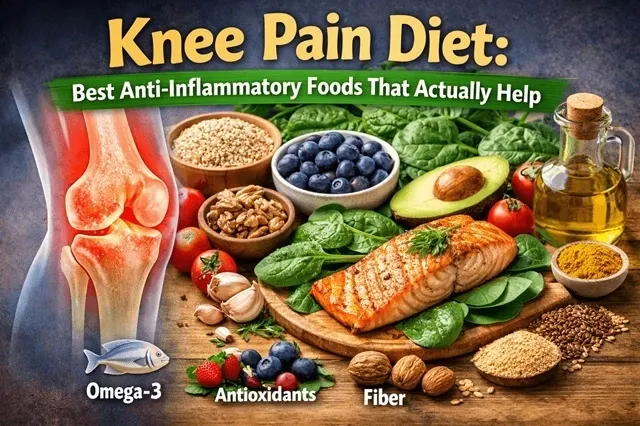
Knee pain can turn simple activities—walking, climbing stairs, or even getting off the couch—into a challenge. While injuries and aging often take the blame, researchers now know that chronic inflammation plays a major role in many joint problems, including osteoarthritis and other knee conditions.
Here’s the good news: what you eat every day can influence inflammation in your body. The right diet may support joint health, reduce inflammation, and help manage knee pain over time.
This guide explains the best knee pain diet anti inflammatory foods, the foods that may worsen inflammation, and practical tips for building a knee-friendly eating plan.
Understanding the Link Between Diet and Knee Pain
Inflammation is the body’s natural defense system. When you injure your knee, inflammation helps repair tissues. However, chronic low-grade inflammation can damage joints and worsen pain over time.
Many researchers now recognize that nutrition affects this process. Diets rich in whole foods, healthy fats, and antioxidants tend to reduce inflammatory markers in the body. Meanwhile, highly processed foods and excess sugar often increase them.
Several well-studied eating patterns support joint health, including:
- Mediterranean diet
- DASH diet
- General anti-inflammatory diet
These diets share a common foundation: fruits, vegetables, healthy fats, whole grains, and lean proteins.
In other words, the foods that protect your heart often protect your knees too. Convenient, right?
Many people also notice discomfort when bending their knees during daily activities. If you’ve experienced this issue, you may want to read our guide on why does my knee hurt when I bend it after 45, where we explain common causes and when it might signal a deeper joint problem.
Key Nutrients That Help Reduce Knee Inflammation
Before looking at specific foods, it helps to understand the nutrients that support joint health.
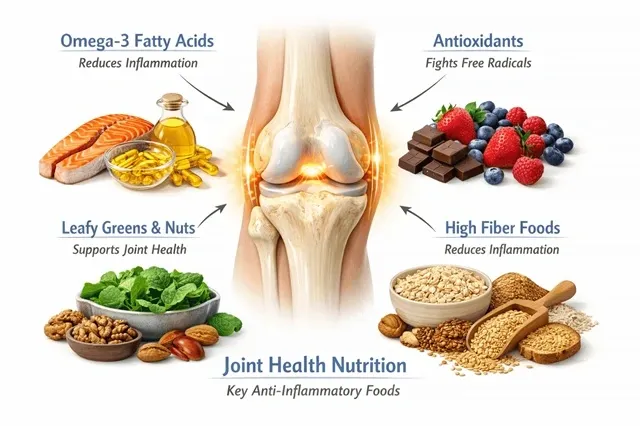
1. Omega-3 Fatty Acids
Omega-3 fats help regulate inflammatory responses in the body. Studies show they may reduce pain and stiffness in people with inflammatory joint conditions.
They work by lowering the production of inflammatory molecules that can damage joint tissue.
2. Antioxidants
Antioxidants neutralize unstable molecules called free radicals, which can contribute to inflammation and tissue damage.
Colorful fruits and vegetables contain powerful antioxidants such as:
- Vitamin C
- Polyphenols
- Beta-carotene
These compounds help protect cartilage and surrounding tissues.
3. Fiber
High-fiber foods support gut health and may reduce levels of C-reactive protein (CRP), a marker of inflammation in the blood.
More fiber also helps maintain a healthy weight—important because extra body weight puts additional stress on the knees.
Best Anti-Inflammatory Foods for Knee Pain
Let’s look at the foods most commonly recommended in a knee pain diet anti inflammatory foods plan.
1. Fatty Fish
Examples include:
- Salmon
- Sardines
- Mackerel
- Tuna
These fish provide high amounts of omega-3 fatty acids. Research suggests omega-3s help reduce inflammation and may improve joint symptoms in people with arthritis.
Try eating fatty fish two to three times per week for optimal benefits.
2. Leafy Green Vegetables
Examples:
- Spinach
- Kale
- Collard greens
- Broccoli
These vegetables contain vitamin K, antioxidants, and anti-inflammatory compounds.
Studies suggest vitamin-K-rich vegetables may help reduce inflammatory markers in the body.
They also support bone health, which matters because strong bones help stabilize the knee joint.
3. Berries and Colorful Fruits
Examples:
- Blueberries
- Strawberries
- Cherries
- Oranges
Brightly colored fruits contain high levels of antioxidants and polyphenols. These plant compounds may reduce oxidative stress and inflammation in the body.
Cherries, in particular, have been studied for their potential role in reducing inflammation and joint discomfort.
4. Nuts and Seeds
Examples:
- Walnuts
- Almonds
- Flaxseeds
- Chia seeds
Nuts and seeds provide healthy fats, fiber, and plant-based omega-3 fatty acids.
Walnuts and flaxseeds, for example, contain alpha-linolenic acid (ALA), which may help lower inflammation levels.
Bonus: they also make excellent snacks. Your knees will thank you—and your stomach will too.
5. Olive Oil
Extra-virgin olive oil is a cornerstone of the Mediterranean diet. It contains oleocanthal, a compound that acts similarly to mild anti-inflammatory medications.
Replacing butter or refined oils with olive oil may help support overall inflammatory balance.
6. Whole Grains
Examples include:
- Oats
- Brown rice
- Quinoa
- Whole wheat
Whole grains provide fiber, vitamins, and minerals that support metabolic health.
In contrast, refined grains can spike blood sugar and may contribute to inflammatory responses.
7. Legumes
Examples:
- Lentils
- Chickpeas
- Black beans
Legumes offer protein, fiber, and antioxidants. Research shows diets rich in legumes may support weight control and reduce inflammatory markers.
That’s important because maintaining a healthy weight reduces stress on knee joints.
8. Anti-Inflammatory Herbs and Spices
Some spices contain powerful bioactive compounds:
- Turmeric (curcumin)
- Ginger
- Garlic
These ingredients have been studied for their anti-inflammatory and antioxidant effects.
They also improve flavor—so your anti-inflammatory diet won’t feel like punishment.
Foods That May Worsen Knee Inflammation
While some foods help calm inflammation, others may do the opposite. Limiting these foods can be just as important as adding healthy ones.
1. Refined Carbohydrates
Examples:
- White bread
- Pastries
- Sugary cereals
These foods digest quickly and can cause spikes in blood sugar. High blood sugar levels may promote inflammation over time.
2. Sugary Drinks
Examples:
- Soda
- Sweetened juices
- Energy drinks
Sugary beverages contribute to weight gain and metabolic inflammation. Many experts recommend minimizing them in an anti-inflammatory diet.
3. Processed and Red Meat
Highly processed meats often contain preservatives, sodium, and saturated fats.
Frequent consumption has been linked with increased inflammatory markers in some studies.
Occasional consumption likely won’t harm most people, but moderation helps.
4. Fried and Ultra-Processed Foods
Examples:
- Fast food
- Packaged snacks
- Deep-fried items
These foods typically contain refined oils, trans fats, and excess salt.
They also tend to replace healthier foods in the diet, which worsens the overall nutritional profile.
Sample One-Day Anti-Inflammatory Meal Plan
Here’s a simple example of how a knee-friendly diet might look.
Breakfast
Oatmeal with blueberries, walnuts, and cinnamon
Lunch
Grilled salmon salad with olive oil, spinach, tomatoes, and avocado
Snack
Apple slices with almond butter
Dinner
Lentil and vegetable stew with brown rice
Drink
Green tea or water
This style of eating follows many principles of the Mediterranean diet, which researchers associate with lower inflammation levels.
Weight Management and Knee Health
Your diet affects knee pain in another major way: body weight.
Every extra pound of body weight increases stress on the knee joint during movement. Many experts estimate that walking can place several times your body weight across the knee.
Eating anti-inflammatory foods often helps with weight management because these foods tend to be:
- High in fiber
- Nutrient-dense
- Less calorie-dense
In short, they help you feel full without overeating.
Practical Tips for Following an Anti-Inflammatory Diet
Changing your diet does not require a dramatic overhaul. Small steps add up over time.
Try these strategies:
1. Build meals around plants
Fill half your plate with vegetables or fruit.
2. Choose healthy fats
Use olive oil instead of butter or margarine.
3. Eat fish regularly
Aim for fatty fish two to three times weekly.
4. Replace refined grains
Switch from white bread to whole-grain alternatives.
5. Cook more meals at home
Restaurant foods often contain hidden sugar, salt, and unhealthy fats.
Consistency matters more than perfection. Even small improvements can support joint health.
Common Myths About Diet and Knee Pain
Myth 1: One “superfood” will cure knee pain
No single food can eliminate joint pain overnight.
Experts recommend focusing on overall dietary patterns, not miracle foods.
Myth 2: Supplements work better than food
Some supplements may help certain people, but whole foods provide a wider range of beneficial nutrients.
A balanced diet remains the most reliable foundation for reducing inflammation.
Myth 3: Diet changes work instantly
Diet influences long-term inflammation levels. Improvements often appear gradually rather than overnight.
Think of it as maintenance for your joints, not a quick fix.
When Diet Alone Is Not Enough
An anti-inflammatory diet supports knee health, but it works best alongside other lifestyle habits:
- Regular low-impact exercise
- Strength training for leg muscles
- Healthy sleep patterns
- Weight management
- Physical therapy when needed
Together, these habits create a strong foundation for joint health.
Final Thoughts
Knee pain rarely has a single cause. However, chronic inflammation often plays a role, especially in conditions like osteoarthritis.
Adopting a knee pain diet anti inflammatory foods approach may help reduce inflammation, support joint function, and improve overall health.
Focus on simple principles:
- Eat more whole foods
- Include healthy fats like fish and olive oil
- Enjoy plenty of fruits and vegetables
- Limit processed foods and added sugar
Your knees work hard every day. Feeding your body the right nutrients gives them the support they deserve.
Sources
- Harvard Health Publishing – Anti-Inflammatory Diet Guide
- Harvard Health Publishing – Foods That Fight Inflammation
- Arthritis Foundation – The Ultimate Arthritis Diet
- Harvard Health Publishing – Can Diet Improve Arthritis Symptoms?
- Medical News Today – Foods to Eat and Avoid for Osteoarthritis
- Arthritis Foundation – Omega-3 Fatty Acids for Health
Author Bio
Jennifer Collins is a wellness researcher and natural health writer focused on adults over 40. With 3+ years of experience in digital health content, Jennifer specializes in making science-backed nutrition and lifestyle strategies easy to follow and apply.
Health Disclaimer
This content is for informational purposes only and is not intended to diagnose, treat, or cure any disease. Always consult your healthcare provider before making changes to your diet or health routine. This article may include affiliate links, which come at no extra cost to you.