

Waking up with stiff joints can ruin your entire day before it even begins. If you feel that familiar ache in your back, hips, or shoulders every morning, your mattress might be the real problem. Many people focus on exercise, diet, and medication, but ignore one key factor: sleep support.
In this guide, we will break down the best mattress for joint pain and stiffness, how to choose the right one, and what science actually says about sleep and joint health. No fluff. No hype. Just clear, practical advice you can trust.
Table of Contents

Why Your Mattress Matters for Joint Pain and Stiffness
Your body spends about one-third of its life in bed. That means your mattress has a direct impact on your joints, spine, and overall recovery.
When your mattress fails to support your body properly, it creates pressure points. These pressure points can reduce blood flow and irritate joints. Over time, this leads to stiffness, soreness, and poor sleep quality.
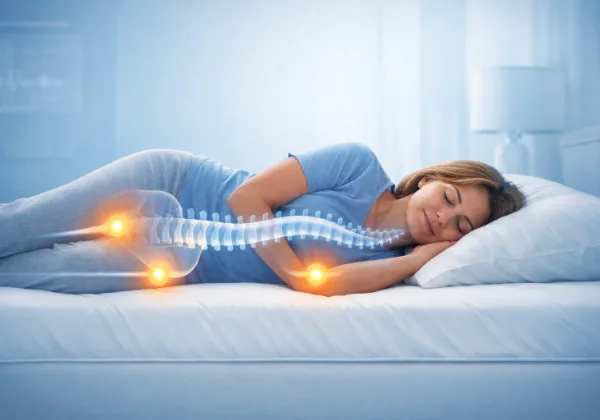
Research shows that proper spinal alignment during sleep helps reduce musculoskeletal pain. A mattress that supports natural alignment can ease stress on joints and improve comfort.
If you wake up feeling worse than when you went to bed, your mattress is likely working against you.
Signs You Need the Best Mattress for Joint Pain and Stiffness
Many people keep using the same mattress for years, even when it clearly does not support them anymore. Here are some signs you should not ignore:
- You wake up with stiff joints or back pain
- Pain improves as the day goes on
- You toss and turn frequently at night
- Your mattress feels uneven or saggy
- You sleep better on another bed
If you checked even two of these, your mattress might be the hidden cause of your discomfort.
What Science Says About Mattress and Joint Pain
Studies published by the National Institutes of Health and sleep research groups show that medium-firm mattresses often provide better comfort and spinal support compared to very firm or very soft options.
A randomized controlled trial found that people with chronic back pain experienced improved sleep quality and reduced pain when switching to a medium-firm mattress.
This does not mean one mattress fits everyone. Your body weight, sleeping position, and specific joint issues all play a role.
Still, one thing remains consistent: support and pressure relief matter more than brand names or price tags.
Key Features of the Best Mattress for Joint Pain and Stiffness
Let’s keep this simple. A good mattress for joint pain must do three things well.
1. Pressure Relief
Your hips, shoulders, and knees carry most of your body weight while sleeping. A mattress should cushion these areas to reduce stress on joints.
Memory foam and latex excel here because they contour to your body shape.
2. Proper Spinal Alignment
Your spine should stay in a neutral position. Not curved like a banana. Not stiff like a board.
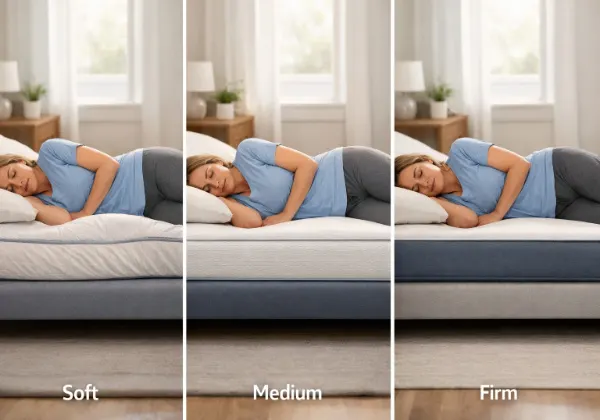
A mattress that is too soft lets your body sink. A mattress that is too firm creates gaps. Both can increase joint pain.
3. Motion Isolation
If you share your bed, movement can disturb your sleep. Poor sleep can increase pain sensitivity.
Foam mattresses usually absorb motion better than spring mattresses.
Types of Mattresses for Joint Pain and Stiffness
Not all mattresses are created equal. Let’s break down your main options.
Memory Foam Mattresses
Memory foam adapts to your body shape and reduces pressure points. It works especially well for people with arthritis or chronic joint pain.
Pros include excellent contouring and motion isolation.
Cons include heat retention in some models.
Latex Mattresses
Latex provides support with a bit more bounce than memory foam. It is also naturally breathable.
This type suits people who want pressure relief without sinking too deeply.
Hybrid Mattresses
Hybrid mattresses combine foam layers with pocketed coils. They offer a balance of support and comfort.
Many people find hybrids ideal because they provide both pressure relief and strong support.
Innerspring Mattresses
Traditional spring mattresses lack proper contouring. They often fail to relieve pressure on joints.
Modern versions with added foam layers can perform better, but basic models usually do not suit joint pain.
Best Mattress for Joint Pain and Stiffness by Sleep Position
Your sleeping position changes how your joints handle pressure.
Side Sleepers
Side sleepers need extra cushioning for shoulders and hips. A medium-soft to medium mattress works best.
Memory foam or hybrid mattresses usually perform well here.
Back Sleepers
Back sleepers need balanced support to maintain spinal alignment. A medium-firm mattress works best.
Too soft causes sinking. Too firm creates pressure on the lower back.
Stomach Sleepers
This position often increases strain on the spine and joints. A firmer mattress can help reduce sinking.
Still, many experts recommend switching positions if joint pain persists.
How Firm Should the Best Mattress for Joint Pain and Stiffness Be?
Firmness matters more than most people think.
- Soft mattresses: Good pressure relief but poor support
- Medium mattresses: Balanced comfort and support
- Firm mattresses: Strong support but less cushioning
Most research supports medium to medium-firm as the best choice for joint pain.
But comfort is personal. If a mattress feels good and supports your spine, it is the right one for you.
Materials That Help Reduce Joint Pain
The material inside your mattress plays a big role in how it feels and performs.
High-density memory foam provides better durability and support. Low-quality foam breaks down quickly and loses its shape.
Natural latex offers resilience and consistent support. It also resists sagging over time.
Pocketed coils improve airflow and add structural support. They also reduce motion transfer compared to traditional springs.
Always check material quality before buying. Marketing claims can sound impressive, but real performance depends on construction.
Temperature and Joint Pain: A Hidden Connection
Heat can affect inflammation and discomfort. Some people sleep better on cooler surfaces.
Traditional memory foam traps heat, which may increase discomfort for some users.
Look for cooling features like gel-infused foam, breathable covers, or open-cell structures.
Latex and hybrid mattresses usually sleep cooler than standard foam.
How Old Mattress Can Worsen Joint Pain
Mattresses do not last forever. Most need replacement every 7 to 10 years.
Over time, materials break down. Support decreases. Sagging increases.
A worn-out mattress fails to distribute weight evenly. This leads to more pressure on joints.
If your mattress has visible dips or feels uneven, it is time for a change
Budget vs Quality: What Really Matters
You do not need the most expensive mattress on the market.
But extremely cheap options often lack durability and support.
Focus on value instead of price. A good mattress is an investment in your health.
Think about it this way. You spend hours on it every night. It should support your body, not fight it.
Trial Periods and Return Policies
Many brands now offer trial periods ranging from 90 to 365 nights.
This allows you to test the mattress in real conditions.
Joint pain may take a few weeks to improve after switching mattresses. Give your body time to adjust.
Always check return policies before buying.
Extra Tips to Reduce Joint Pain While Sleeping
A mattress helps, but it is not the only factor.
Use a supportive pillow that keeps your neck aligned. Poor pillow support can affect your entire body.
Stretch lightly before bed. This can reduce stiffness and improve flexibility.
Maintain a consistent sleep schedule. Poor sleep increases pain sensitivity.
Stay active during the day. Movement supports joint health and reduces stiffness.
Common Mistakes People Make When Choosing a Mattress
Many buyers focus on the wrong things.
They choose based on brand name instead of comfort.
They assume firmer always means better support.
They ignore their sleeping position.
They skip testing or trial periods.
Avoid these mistakes. Your body will thank you.
Frequently Asked Questions
What is the best mattress for joint pain and stiffness?
The best mattress for joint pain and stiffness is usually a medium to medium-firm mattress that provides both pressure relief and proper spinal alignment. Memory foam and hybrid mattresses are popular choices because they reduce pressure on joints like hips and shoulders while keeping the spine supported.
Is a firm or soft mattress better for joint pain and stiffness?
A medium-firm mattress is generally the best mattress for joint pain and stiffness. Soft mattresses may cause your body to sink too much, while very firm mattresses can create pressure points. A balanced feel helps reduce joint stress and improves sleep comfort.
Can the wrong mattress cause joint pain and stiffness?
Yes, the wrong mattress can worsen joint pain and stiffness. A mattress that lacks support or has sagging areas can misalign your spine and increase pressure on joints, leading to discomfort and poor sleep quality over time.
How often should I replace my mattress to avoid joint pain and stiffness?
To maintain proper support, you should replace your mattress every 7 to 10 years. An old mattress can lose its shape and support, making it harder to find the best mattress for joint pain and stiffness and increasing your risk of waking up sore.
Are memory foam mattresses good for joint pain and stiffness?
Yes, memory foam is often considered one of the best mattress types for joint pain and stiffness because it contours to your body, reduces pressure points, and improves comfort. However, choosing a high-quality, breathable foam is important for long-term use.
Final Thoughts: Choosing the Best Mattress for Joint Pain and Stiffness
There is no one-size-fits-all solution. The best mattress for joint pain and stiffness depends on your body, sleep style, and comfort preferences.
Still, some principles always apply.
Look for pressure relief, proper alignment, and durable materials. Choose medium to medium-firm firmness in most cases. Test before committing whenever possible.
A good mattress will not fix every problem overnight. But it can significantly improve your comfort, sleep quality, and daily movement.
And honestly, waking up without stiffness feels like a small miracle.
Sleep quality plays a major role in joint health, including smaller joints like the ankles. This is explained in detail in Ankle Stiffness In The Morning Over 40: Causes & Easy Fixes, along with simple daily fixes.
Sources
- National Institutes of Health
- Sleep Foundation
- Harvard Medical School Sleep and Health
- American Academy of Orthopaedic Surgeons
- Mayo Clinic Sleep Tips and Back Pain
Author Bio
Jennifer Collins is a wellness researcher and natural health writer focused on adults over 40. With 3+ years of experience in digital health content, Jennifer specializes in making science-backed nutrition and lifestyle strategies easy to follow and apply.
Health Disclaimer
This content is for informational purposes only and is not intended to diagnose, treat, or cure any disease. Always consult your healthcare provider before making changes to your diet or health routine. This article may include affiliate links, which come at no extra cost to you.