

Joint stiffness can feel like your body aged overnight. One day you move freely. The next day your knees creak, your back feels tight, and even getting out of bed becomes a mini challenge. If you have searched for solutions, you have probably seen one popular suggestion everywhere: magnesium for joint stiffness.
But does it actually work, or is it just another wellness trend?
Let’s break this down with real science, practical logic, and zero fluff.
Table of Contents
What Is Joint Stiffness and Why Does It Happen?
Joint stiffness usually shows up as reduced mobility, discomfort, or that “tight” feeling in your joints. It often feels worse in the morning or after long periods of inactivity.

Several common causes include:
- Aging and natural cartilage wear
- Inflammation from conditions like arthritis
- Lack of movement or sedentary lifestyle
- Muscle tightness around joints
- Nutrient deficiencies, including magnesium
Your joints rely on a combination of muscles, ligaments, cartilage, and fluid. When one part stops working properly, stiffness follows.
Here’s where magnesium enters the picture.
What Is Magnesium and Why Does Your Body Need It?
Magnesium is an essential mineral involved in more than 300 biochemical reactions in the body. That alone should tell you it plays a big role.
It supports:
- Muscle relaxation and contraction
- Nerve function
- Bone strength
- Energy production
- Inflammation regulation
According to the National Institutes of Health, many people do not get enough magnesium from their diet. That gap may contribute to muscle tightness and joint discomfort.
So when people talk about using magnesium for joint stiffness, they are not guessing. There is a biological reason behind it.
How Magnesium Affects Joint Stiffness
1. Magnesium Helps Muscles Relax
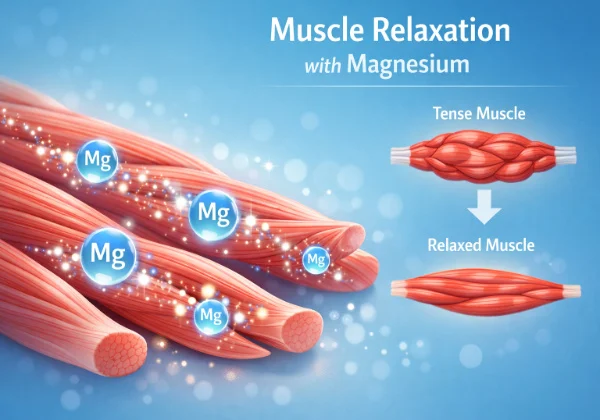
Tight muscles can pull on joints and make them feel stiff. Magnesium acts as a natural muscle relaxant.
It regulates calcium flow in muscle cells. Calcium causes muscles to contract, while magnesium helps them relax. Without enough magnesium, muscles stay slightly contracted, which increases stiffness.
This explains why magnesium deficiency often leads to cramps, tension, and tightness.
2. Magnesium May Reduce Inflammation
Chronic inflammation plays a key role in joint stiffness, especially in conditions like osteoarthritis.
Research published in journals like Nutrients shows that low magnesium levels are associated with higher inflammation markers such as CRP.
More magnesium may help reduce these inflammatory responses. Less inflammation often means less stiffness.
3. Magnesium Supports Bone and Joint Health
Magnesium contributes to bone density and helps regulate calcium balance. Healthy bones support joint structure and reduce strain on surrounding tissues.
A deficiency can weaken this support system over time, which may increase discomfort and stiffness.
4. Magnesium Improves Sleep and Recovery
Poor sleep can worsen pain perception and stiffness. Magnesium supports better sleep by calming the nervous system.
Better sleep leads to improved muscle recovery, which can reduce stiffness over time.
What Does Science Say About Magnesium for Joint Stiffness?
Let’s stay grounded in real evidence.
- A study in The Journal of Nutrition found that higher magnesium intake is linked to lower levels of inflammation markers.
- Research in Biological Trace Element Research suggests magnesium deficiency may contribute to chronic pain conditions.
- Clinical observations show magnesium supplementation can help reduce muscle cramps and tension, which indirectly supports joint comfort.
However, no large-scale study directly proves that magnesium alone cures joint stiffness.
That is important.
Magnesium is not a magic pill. But it plays a supportive role that can make a real difference, especially if you are deficient.

Signs You May Need Magnesium
You do not need a lab test to suspect a deficiency. Your body often gives clear signals.
Common signs include:
- Muscle cramps or spasms
- Fatigue and low energy
- Poor sleep
- Tingling or numbness
- Persistent tightness or stiffness
If you experience several of these, increasing magnesium intake may help.
Best Food Sources of Magnesium
Before reaching for supplements, start with food. It is safer and often more effective long term.
Top magnesium-rich foods include:
- Spinach and leafy greens
- Almonds and cashews
- Pumpkin seeds
- Whole grains like brown rice
- Avocados
- Dark chocolate with high cocoa content
A balanced diet can significantly improve magnesium levels.
Should You Take Magnesium Supplements?
If diet alone does not help, supplements can be useful.
Common forms include:
- Magnesium citrate
- Magnesium glycinate
- Magnesium oxide
Magnesium glycinate is often recommended for joint stiffness because it is gentle on the stomach and well absorbed.
Typical dosage ranges from 200 to 400 mg per day, but you should always consult a healthcare professional before starting.
Too much magnesium can cause digestive issues like diarrhea.
How Long Does Magnesium Take to Work?
This is where patience matters.
You may notice:
- Improved muscle relaxation within a few days
- Better sleep within one week
- Reduced stiffness over several weeks
Consistency matters more than speed. Magnesium works gradually by restoring balance in your body.
Who Benefits Most from Magnesium for Joint Stiffness?
Magnesium can be especially helpful if your stiffness comes from:
- Muscle tightness rather than joint damage
- Poor sleep and recovery
- Nutritional deficiencies
- Mild inflammation
If your stiffness is caused by severe arthritis or structural joint damage, magnesium alone will not fix the issue. It can still support overall comfort, but it should be part of a broader plan.
Common Myths About Magnesium for Joint Stiffness
Myth 1: Magnesium Works Instantly
It does not. Your body needs time to restore proper levels.
Myth 2: More Magnesium Means Better Results
Excess magnesium can cause side effects. Balance is key.
Myth 3: Supplements Are Better Than Food
Whole foods provide additional nutrients that support joint health.
Practical Tips to Boost Magnesium Effectively
Instead of relying on one solution, combine smart habits.
Eat magnesium-rich foods daily.
Stay active with light movement and stretching.
Drink enough water to support joint lubrication.
Maintain good sleep hygiene.
When you combine these habits, magnesium becomes much more effective.
While magnesium for joint stiffness supports muscle relaxation, combining it with 5 essential warm up exercises before getting out of bed (reduce morning stiffness fast) can improve results even further.
Magnesium vs Other Joint Stiffness Remedies
Magnesium is not the only option. Let’s compare it logically.
- Magnesium helps muscles relax and reduces inflammation
- Omega-3 fatty acids reduce inflammation more directly
- Vitamin D supports bone and joint function
- Exercise improves mobility and circulation
The best approach often combines several strategies rather than relying on one.
Does Magnesium for Joint Stiffness Actually Work?
Here is the honest answer.
Yes, magnesium for joint stiffness can work, but only under the right conditions.
It works best when:
- You have a magnesium deficiency
- Your stiffness is linked to muscle tension or mild inflammation
- You use it consistently with a healthy lifestyle
It does not work as a standalone cure for serious joint conditions.
Think of magnesium as a support tool, not a miracle solution.
Frequently Asked Questions
Does magnesium for joint stiffness really work?
Yes, magnesium for joint stiffness can help, especially if your stiffness is linked to muscle tension or low magnesium levels. Magnesium supports muscle relaxation, reduces inflammation, and improves recovery. While it is not a cure for severe joint conditions, many people notice reduced stiffness with consistent intake.
How long does magnesium take to relieve joint stiffness?
Magnesium for joint stiffness does not work instantly. Some people feel muscle relaxation within a few days, but noticeable improvement in joint stiffness usually takes 2 to 4 weeks of consistent use. Results depend on your magnesium levels, lifestyle, and overall health.
What is the best type of magnesium for joint stiffness?
The best type of magnesium for joint stiffness is usually magnesium glycinate because it is well absorbed and gentle on the stomach. Magnesium citrate is another option, but it may cause digestive issues in some people. Choosing the right form improves effectiveness and reduces side effects.
Can magnesium deficiency cause joint stiffness?
Yes, magnesium deficiency can contribute to joint stiffness. Low magnesium levels may lead to muscle tightness, cramps, and increased inflammation, all of which can make joints feel stiff. Increasing magnesium intake through food or supplements may help reduce these symptoms.
How much magnesium should I take for joint stiffness?
For magnesium for joint stiffness, most adults benefit from 200 to 400 mg per day, depending on diet and individual needs. It is best to start with a lower dose and adjust gradually. Always consult a healthcare professional before starting supplements, especially if you have medical conditions.
Final Thoughts
Joint stiffness can make daily life frustrating. It slows you down and affects your comfort. While no single nutrient can fix everything, magnesium offers a scientifically supported way to improve muscle relaxation, reduce inflammation, and support overall joint health.
If you approach it with realistic expectations and combine it with proper nutrition and movement, magnesium can make a noticeable difference.
Sometimes the solution is not dramatic. It is simply giving your body what it has been missing.
Sources
- National Institutes of Health Office of Dietary Supplements
- Rosanoff A, et al. Magnesium and inflammation: Advances in chronic disease
- King DE, et al. Dietary magnesium and inflammation markers
- Nielsen FH. Magnesium deficiency and chronic disease
- Volpe SL. Magnesium in disease prevention and health
Author Bio
Jennifer Collins is a wellness researcher and natural health writer focused on adults over 40. With 3+ years of experience in digital health content, Jennifer specializes in making science-backed nutrition and lifestyle strategies easy to follow and apply.
Health Disclaimer
This content is for informational purposes only and is not intended to diagnose, treat, or cure any disease. Always consult your healthcare provider before making changes to your diet or health routine. This article may include affiliate links, which come at no extra cost to you.