
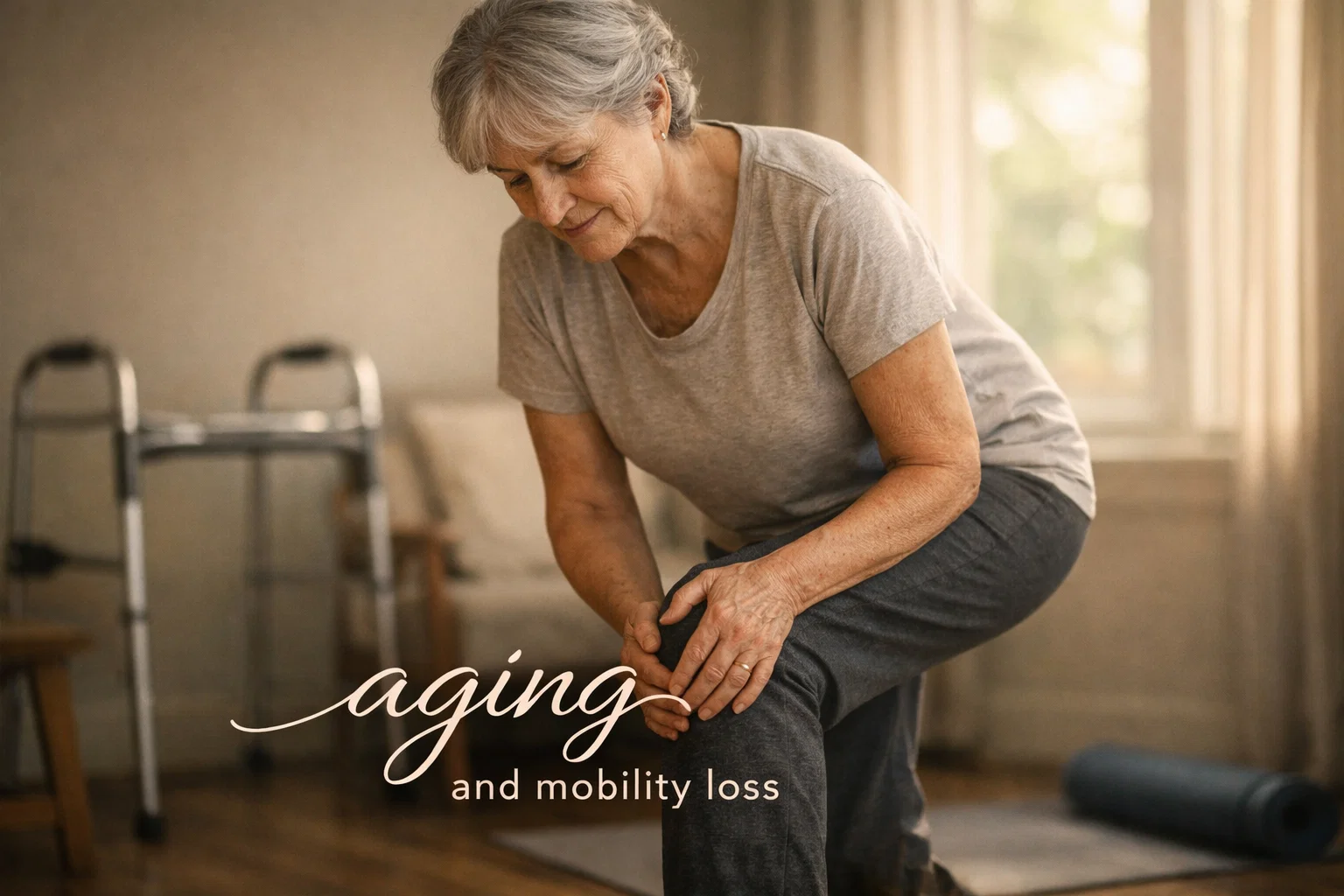
It often feels unfair. You stay active, exercise regularly, and take better care of your body than most people around you. Yet over time, you still notice joint stiffness, slower movements, and a reduced range of motion. This is where the concept of aging and mobility loss becomes important to understand.
Mobility decline is not only about inactivity. It is a complex biological process influenced by muscles, joints, nerves, and even hydration levels. Knowing what truly drives these changes helps you respond early and protect your long term physical independence while understanding mobility decline despite regular exercise.
Understanding mobility beyond exercise
Mobility is more than just the ability to move. It involves joint flexibility, muscle strength, coordination, and balance working together efficiently. Many people assume that regular workouts automatically preserve mobility, but that is not always true.
Even highly active individuals may face limitations because mobility depends on multiple systems. For example, joint lubrication decreases over time, connective tissue health weakens, and neuromuscular coordination slows down. These changes can occur regardless of how often you exercise.

Research from the National Institute on Aging shows that age related changes in muscle mass and joint structure are natural processes, though their speed varies depending on lifestyle and genetics. This explains causes of age-related mobility decline remains a relevant question even for fitness enthusiasts.
The biology behind why mobility declines with age
Muscle mass and strength reduction
One of the most studied factors behind why mobility declines with age is sarcopenia, the gradual loss of muscle mass. After the age of 30, muscle mass can decline by about 3 to 8 percent per decade, according to data from the National Institutes of Health. Even if you remain active, muscle fibres shrink and lose efficiency.
Strength training can slow this process, but it cannot completely stop it. Reduced muscle strength directly affects stability, coordination, and the ability to perform everyday movements. These changes in aging muscles also impact overall movement efficiency and contribute to long term movement limitations.
Joint wear and cartilage changes
Cartilage acts as a cushion between joints. Over time, it becomes thinner and less resilient. This leads to stiffness and reduced range of motion. According to the Centers for Disease Control and Prevention, joint related conditions like osteoarthritis become more common with age, contributing significantly to mobility issues. Reduced joint lubrication further affects smooth movement and comfort, especially during daily activities.
Decline in connective tissue elasticity
Ligaments and tendons lose elasticity as collagen production decreases. This directly contributes to losing flexibility despite staying active, a common experience among older adults. Even if muscles remain strong, tighter tissues can limit how freely joints move. Loss of muscle elasticity and reduced flexibility training habits can worsen this effect over time.
Why staying active but losing flexibility is common
Many people experience the paradox of staying active but losing flexibility. This happens because not all forms of exercise support mobility equally. High intensity or repetitive workouts can sometimes reduce flexibility if they are not balanced with stretching or mobility exercises. For example, running strengthens the lower body but does not necessarily maintain hip or ankle flexibility. Flexibility also depends on joint specific movement patterns.
Without regular stretching or flexibility training, joints may gradually lose their full range of motion. This explains why flexibility loss even with regular exercise occurs among athletes. The World Health Organization highlights that physical activity should include flexibility and balance training, especially for older adults, to maintain functional movement and prevent early decline.
Hidden causes of reduced mobility in older adults
Nervous system changes
The brain and nervous system play a key role in movement. With age, nerve signals become slower and less efficient. This affects coordination and reaction time, increasing the risk of stiffness and falls. Reduced neuromuscular coordination makes movements less precise and increases the chance of imbalance.
Chronic inflammation
Low grade inflammation increases with age and can affect joints and muscles. Known as inflammation and aging, this process contributes to discomfort and reduced movement capacity.
Hydration and tissue health
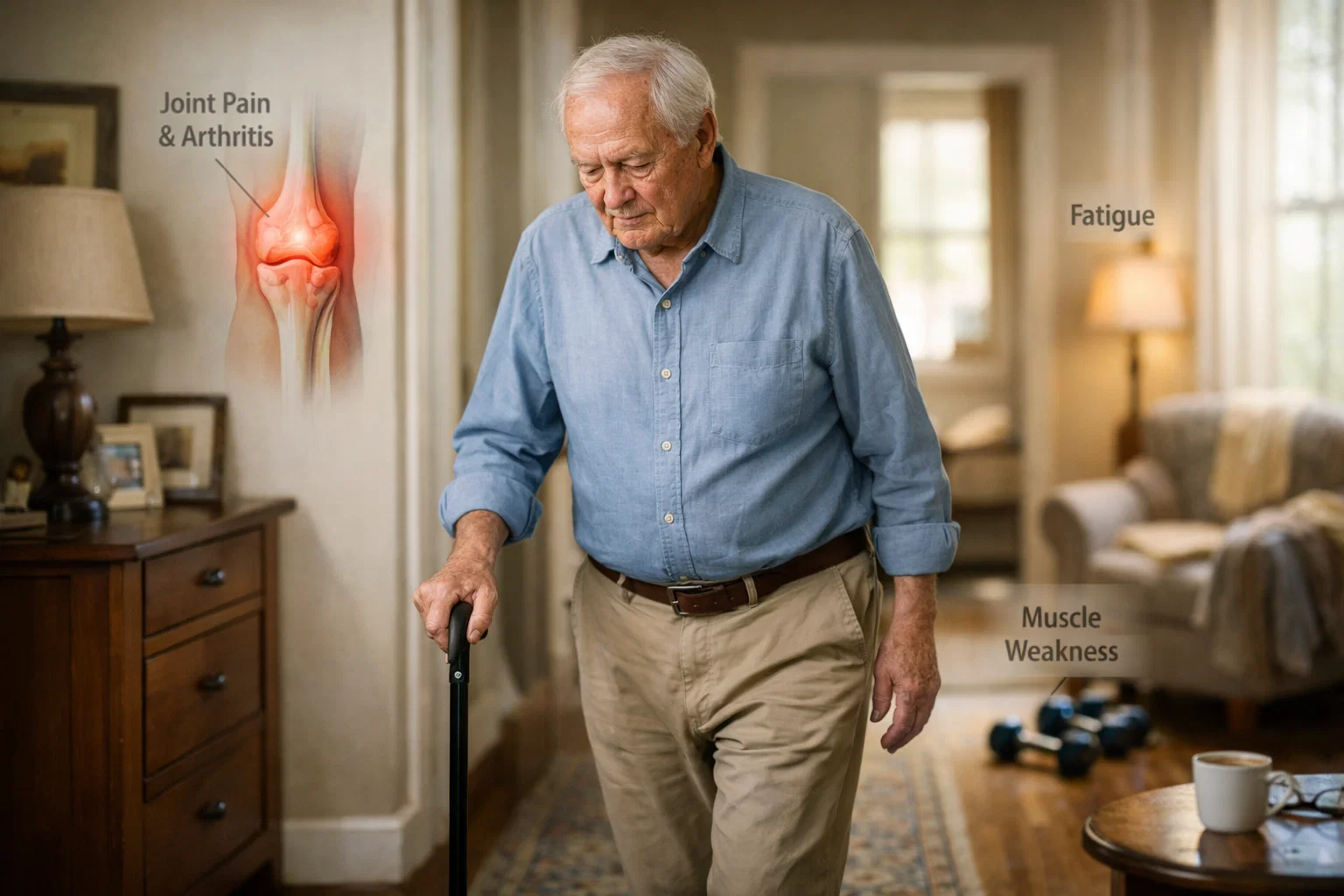
Water content in tissues decreases over time. This reduces joint lubrication and muscle elasticity. Research from Harvard Health Publishing notes that dehydration can worsen stiffness and reduce physical performance. These factors represent important causes of reduced mobility in older adults that often go unnoticed.
Lifestyle factors that accelerate mobility decline
Sedentary habits outside workouts
Even active individuals may spend long hours sitting. Prolonged inactivity between workouts can negatively affect circulation and joint mobility. This contributes to reduced mobility in seniors causes that are linked to modern lifestyles.
Poor recovery and sleep
Recovery is when the body repairs tissues and maintains flexibility. Poor sleep quality can interfere with recovery and repair and increase stiffness over time.
Nutritional gaps
Protein, vitamin D, and omega 3 fatty acids play a role in muscle and joint health. Deficiencies can accelerate mobility decline even if physical activity levels are high.
Aging and mobility loss in physically active individuals
It is important to understand that aging and mobility loss does not mean failure. It reflects natural biological changes that require adaptation. Active individuals often maintain better mobility than sedentary people, but they are not immune to decline. The difference lies in how well they adjust their routines to include mobility specific practices. This includes focusing on joint health, flexibility, and recovery instead of only strength or endurance training. This approach supports active lifestyle aging and helps maintain independence.
Practical ways to slow mobility decline
Combine strength and flexibility training
Strength training preserves muscle mass, while stretching maintains joint range of motion. Including both is essential to address why flexibility and movement decline over time effectively.
Include mobility specific exercises
Mobility exercises focus on controlled joint movements. Examples include dynamic stretches, yoga, and functional drills. These directly counter why flexibility declines even if you stay active.
Prioritise balance training
Balance declines with age and affects mobility. Simple practices like single leg stands or tai chi can improve stability and reduce fall risk. Regular balance training also supports better coordination.
Maintain proper hydration
Hydration supports joint lubrication and muscle function. Drinking enough fluids helps reduce stiffness and supports overall mobility.
Focus on recovery
Rest days, quality sleep, and proper nutrition allow tissues to repair and maintain flexibility. Ignoring recovery can accelerate aging and mobility decline causes.
The role of mindset in mobility
Mental approach plays a subtle but powerful role in mobility. People who adapt their routines and stay consistent with mobility exercises tend to maintain function longer. Accepting that the body changes with age allows you to focus on what works instead of pushing outdated routines. This shift helps address active lifestyle but reduced mobility more effectively.
Also Read: Rheumatoid Arthritis vs Osteoarthritis After 40: Key Differences Explained Clearly
When to seek professional help
If mobility limitations become severe or painful, consulting a healthcare professional is important. Physical therapists can assess movement patterns and design targeted interventions. Early intervention can prevent minor stiffness from becoming long term mobility issues.
Conclusion
Understanding aging and mobility loss helps you take a smarter approach to staying active. Mobility decline is not simply a result of inactivity. It is influenced by muscle changes, joint health, nervous system function, and lifestyle habits. Even if you exercise regularly, you need to include flexibility, balance, and recovery strategies to maintain movement quality. By learning how to maintain flexibility as you age and addressing the real factors behind mobility issues in elderly people, you can slow decline and stay functional for longer.
Sources
National Institute on Aging
Supports sections: Understanding mobility beyond exercise, progressive mobility impairment in physically active individuals
National Institutes of Health
Supports sections: Muscle mass and strength reduction
Centers for Disease Control and Prevention
Supports sections: Joint wear and cartilage changes
World Health Organization
Supports sections: Why exercise regularly but losing flexibility is common
Harvard Health Publishing
Supports sections: Hidden why older adults lose mobility
FAQs
Why mobility declines with age even if you exercise regularly
Even regular exercise cannot fully stop biological changes like muscle loss, joint wear, and reduced collagen production. These factors affect flexibility and coordination over time. Many people assume workouts alone are enough, but without targeted mobility exercises and stretching routines, the body gradually loses adaptability. The nervous system also slows down, reducing coordination and reaction speed. Combined with lifestyle habits like prolonged sitting, these changes explain factors behind mobility issues in aging even among active individuals.
What explains staying active but losing flexibility over time
This happens when exercise routines focus heavily on strength or endurance but ignore flexibility training. Repetitive movements can shorten muscles and reduce joint mobility if not balanced with stretching. Over time, connective tissues become tighter, and joints lose their full range. Even athletes experience this when they neglect recovery practices. Including mobility exercises and stretching sessions is essential to maintain flexibility alongside strength and endurance training.
What are the lesser known causes of reduced mobility in older adults
Beyond muscles and joints, several hidden factors affect mobility. Slower nerve signaling reduces coordination and movement accuracy. Chronic inflammation can cause discomfort and stiffness in tissues. Reduced hydration lowers tissue elasticity and joint function. These internal changes often go unnoticed but significantly impact daily movement. Understanding these causes of mobility problems in older adults helps individuals take a more complete approach to preserving mobility.
Can flexibility be regained after it declines
Flexibility can improve with consistent effort, even after it has declined. Regular stretching, mobility exercises, and controlled movement patterns can gradually restore range of motion. While it may not fully return to youthful levels, significant improvements are possible. The key is consistency and proper technique. Combining stretching with strength training and recovery practices helps maintain long term flexibility and reduces the risk of injury.
How does joint health affect overall movement ability
Joint health plays a central role in how smoothly the body moves. Healthy joints allow fluid and pain free motion, while damaged or stiff joints limit movement. Reduced cartilage, lower lubrication, and inflammation can restrict mobility. Over time, these issues affect balance, coordination, and strength. Maintaining joint health through proper exercise, hydration, and nutrition is essential for preserving mobility and preventing long term limitations.
Does hydration really impact flexibility and mobility
Hydration plays a crucial role in maintaining muscle and joint function. Proper fluid levels help tissues stay elastic and support smooth joint movement. When the body is dehydrated, muscles become tighter and joints less responsive. This can increase stiffness and reduce mobility. Staying hydrated supports better performance, reduces discomfort, and helps maintain overall flexibility, especially as the body ages.
Why do some active people experience faster mobility decline than others
Mobility decline varies based on multiple factors including genetics, recovery habits, and exercise balance. Some individuals focus heavily on intense workouts but neglect flexibility and recovery. Poor nutrition and lack of sleep can also accelerate decline. Differences in how the body responds to aging processes like muscle loss and inflammation play a role as well. A balanced routine that includes mobility exercises, recovery, and proper nutrition helps slow this decline effectively.
Author Bio
Jennifer Collins is a wellness researcher and natural health writer focused on adults over 40. With 3+ years of experience in digital health content, Jennifer specializes in making science-backed nutrition and lifestyle strategies easy to follow and apply.
Health Disclaimer
This content is for informational purposes only and is not intended to diagnose, treat, or cure any disease. Always consult your healthcare provider before making changes to your diet or health routine. This article may include affiliate links, which come at no extra cost to you.