
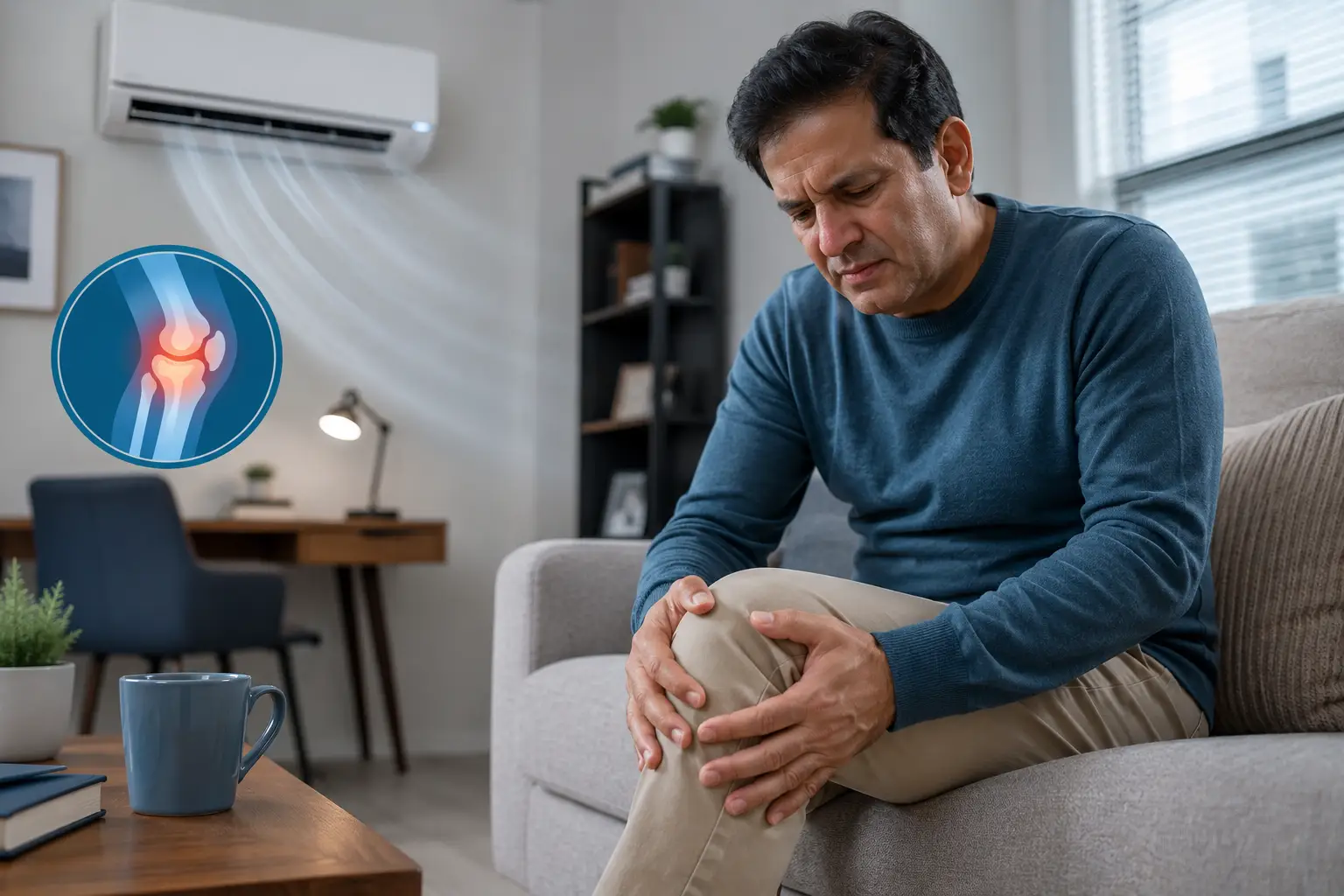
Air conditioners make modern life comfortable, especially during intense summer heat. Offices, homes, shopping centres, and cars all rely heavily on cooling systems to maintain indoor comfort. Yet many people notice something unusual after spending long hours in heavily cooled rooms. Their knees feel tight, fingers become less flexible, or old aches start returning. This experience has sparked growing questions about the relationship between air conditioning and joint pain.
Doctors and researchers have studied how temperature changes affect muscles, joints, circulation, and inflammation for years. While air conditioning itself does not directly damage healthy joints, cold indoor environments may influence how existing joint conditions feel. People living with arthritis, reduced mobility, or chronic inflammation often report increased discomfort when exposed to prolonged cold air.
Understanding why this happens requires looking at how the body reacts to lower temperatures. Joint tissues, muscles, nerves, and blood vessels all respond differently when exposed to cool environments for long periods. In some individuals, this response may increase stiffness and discomfort.
This article explores the science behind joint stiffness in cold environments, examines whether cold indoor air can trigger pain symptoms, and explains practical ways to stay comfortable without giving up air conditioning completely.
Understanding how joints respond to temperature
Joints are complex structures made of cartilage, ligaments, tendons, synovial fluid, and connective tissues. These tissues work together to allow smooth movement while supporting body weight and mobility. Temperature changes can affect how efficiently these structures function.
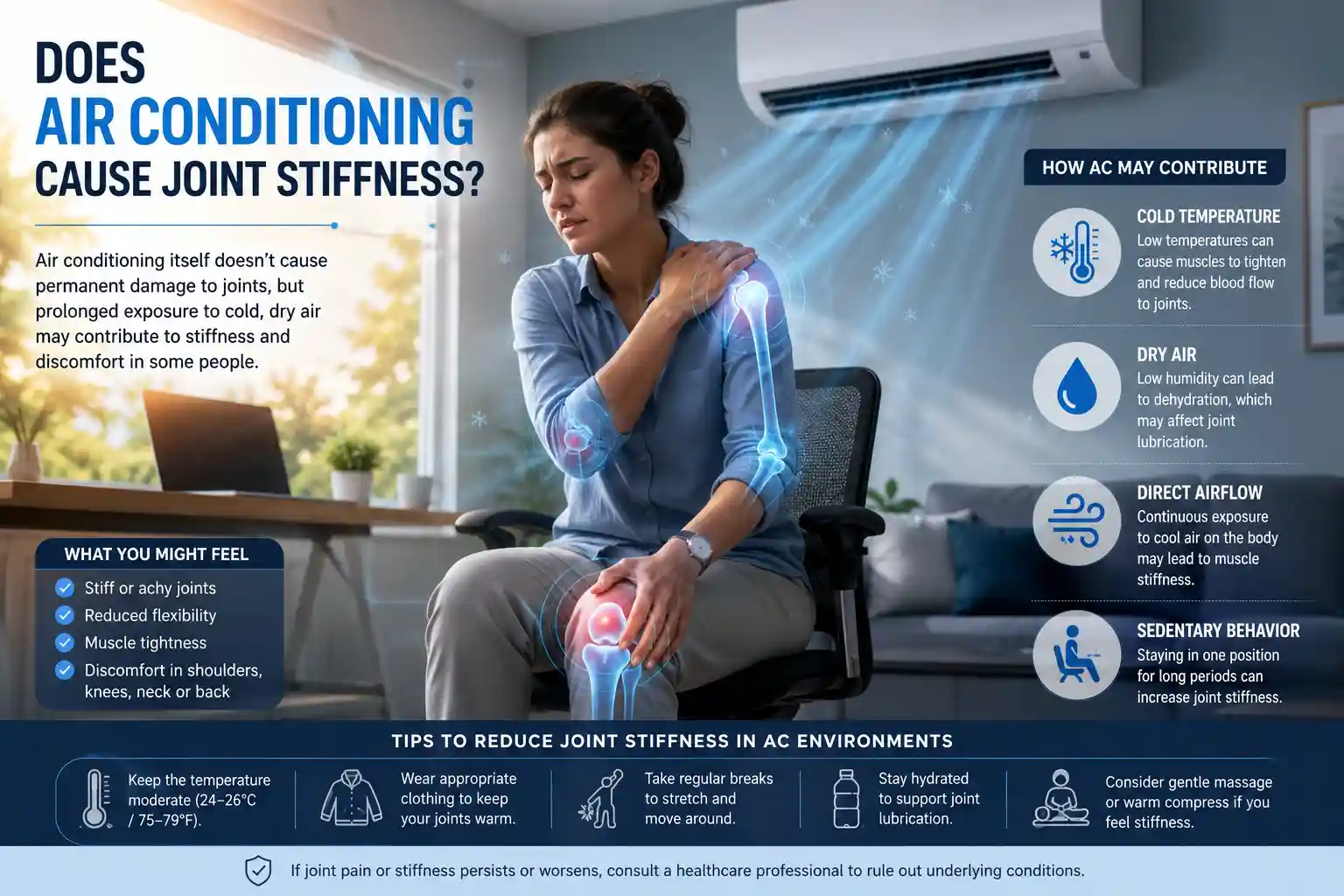
When the body experiences cold temperatures, blood vessels naturally narrow to preserve core body heat. This process, called vasoconstriction, may reduce blood flow to muscles and joints temporarily. Lower circulation can make tissues feel tighter and less flexible, especially in older adults or people with inflammatory conditions.
Cold environments may also affect the viscosity of synovial fluid, the lubricating liquid that cushions joints. Thicker synovial fluid may reduce joint mobility slightly, leading to sensations of stiffness when standing, walking, or moving after sitting for long periods.
Muscles surrounding joints can tighten in cooler environments as well. Muscle tension may place additional strain on nearby joints, contributing to discomfort during movement. This combination of reduced circulation, muscle tightness, and lower flexibility explains why some people feel physically different in cold rooms.
Researchers from the National Institute of Arthritis and Musculoskeletal and Skin Diseases have noted that temperature sensitivity varies significantly between individuals. Some people experience noticeable discomfort from even mild cooling, while others report little change in symptoms.
Why many people notice more discomfort indoors
Modern indoor cooling systems often maintain temperatures much lower than outdoor conditions. Walking from extreme outdoor heat into a cold office can create a rapid temperature shift for the body. These sudden changes may contribute to temporary stiffness sensations.
Many office workers remain seated for several hours under direct cooling vents. Physical inactivity already reduces circulation. Adding cold airflow may worsen tightness around the neck, shoulders, knees, and lower back.
This explains why people often ask, does air conditioning cause joint stiffness when they spend full workdays inside cold buildings. In many cases, the cooling itself is not the sole problem. Prolonged sitting, poor posture, reduced activity, and direct exposure to cold air all work together.
Older adults may be especially sensitive because aging naturally reduces circulation efficiency and joint flexibility. People recovering from injuries can also notice stronger reactions to colder environments due to tissue sensitivity during healing.
Cold offices frequently become a common trigger for office temperature discomfort complaints because employees cannot easily control room temperatures. Large commercial buildings sometimes maintain aggressive cooling to offset heat generated by electronics, lighting, and large numbers of occupants.
The connection between cold air and arthritis symptoms
Arthritis includes several conditions affecting joints and surrounding tissues. Osteoarthritis involves cartilage breakdown, while rheumatoid arthritis is an autoimmune disease linked to joint inflammation. Both can produce pain, swelling, and reduced mobility.
Scientific studies have produced mixed findings regarding weather and arthritis. However, many patients consistently report symptom changes linked to temperature and humidity. The relationship between cold air and arthritis pain continues to be widely discussed in medical research because patient experiences remain remarkably consistent across different climates.
Some researchers believe colder environments may heighten pain sensitivity around inflamed tissues. Others suggest that changes in barometric pressure and circulation contribute more strongly than temperature alone. Even when evidence remains inconclusive, the lived experience of patients cannot be ignored.
People with arthritis often describe joints feeling tighter in heavily cooled rooms. Fingers may become difficult to bend, knees may feel less stable, and hips may ache after long exposure to low indoor temperatures. Arthritis symptoms may appear stronger in spaces with constant cold airflow.
Importantly, air conditioning does not create arthritis. Instead, it may intensify symptoms temporarily in people who already have chronic pain or tissue sensitivity. The difference matters because symptom worsening does not equal long term joint damage.
The Arthritis Foundation has acknowledged that weather sensitivity varies widely between individuals. Some patients react strongly to cold air, while others experience little difference at all.
How reduced movement makes stiffness worse
Many discussions about air conditioning and joint pain focus only on temperature. Yet inactivity often plays an equally important role.
Air conditioned environments encourage prolonged indoor sitting. Office work, streaming entertainment, gaming, and desk based lifestyles reduce natural movement throughout the day. Joints rely on movement to maintain lubrication and flexibility. When activity levels drop, stiffness naturally increases.
People working in cold offices may unknowingly remain tense for hours. Raised shoulders, rigid posture, and limited walking contribute to muscle tightness that places pressure on surrounding joints.
This combination explains why some people wonder, can AC make joints hurt after spending entire days in climate controlled environments. Often, the answer involves both environmental temperature and reduced movement habits.
Movement stimulates circulation and helps distribute synovial fluid across joint surfaces. Even brief stretching sessions or short walks can reduce stiffness significantly. This is why physiotherapists often encourage regular movement breaks for people experiencing mobility issues indoors.
Which body parts are most affected by cold indoor air
Certain joints appear more sensitive to cold environments than others. Knees commonly top the list because they bear substantial body weight and contain large connective tissues vulnerable to stiffness.
Hands and fingers also react quickly to cold exposure because blood vessels in extremities narrow more rapidly during temperature drops. This reduced blood flow can temporarily limit flexibility and increase aching sensations in sensitive joints.
The neck and shoulders frequently become tense under direct air conditioning vents. Muscles tighten defensively in cooler airflow, causing soreness and restricted movement.
Lower back discomfort can worsen in cold offices as muscles around the spine stiffen from prolonged sitting combined with chilled air exposure.
People recovering from sports injuries or surgery may notice increased sensitivity around previously damaged joints. Scar tissue and healing tissues sometimes respond more strongly to cold conditions than unaffected areas.
What science currently says about cold environments, air conditioning and joint pain
Medical research on temperature related joint pain remains ongoing. Some studies support a connection between cold exposure and symptom intensity, while others find inconsistent results.
A review published in rheumatology research found that many arthritis patients self report weather sensitivity, though objective laboratory findings remain difficult to standardise. Human pain perception depends on multiple variables including inflammation levels, nerve sensitivity, stress, sleep quality, activity levels, and emotional state.
Researchers generally agree on several physiological responses to cold environments. These include reduced circulation, muscle tightening, increased nerve sensitivity, and changes in tissue flexibility. Each factor may contribute to discomfort even if cold itself does not directly harm joints.
Psychological expectations may also influence symptom perception. If someone strongly believes cold environments worsen pain, they may become more aware of joint discomfort during exposure. However, this does not mean symptoms are imagined. Pain is always a real sensory experience influenced by both physical and neurological processes.
The current scientific consensus suggests that cold environments may aggravate existing symptoms in sensitive individuals but do not directly cause structural joint disease. This also explains why cold indoor air affects aching joints differently from person to person.
Practical ways to reduce indoor joint stiffness
People do not need to avoid air conditioning completely to protect joint comfort. Small adjustments often make a noticeable difference.
Maintain moderate indoor temperatures
Extremely cold indoor settings increase the likelihood of stiffness. Keeping room temperatures moderate instead of overly cold may reduce discomfort while still maintaining comfort.
Avoid direct airflow
Sitting directly beneath air vents exposes muscles and joints to constant cooling. Redirecting vents or changing seating positions can help reduce muscle tightening.
Stay physically active indoors
Frequent movement remains one of the most effective strategies for preventing stiffness. Standing every thirty to sixty minutes improves circulation and helps joints remain flexible.
Dress strategically
Light layers, shawls, or knee coverings can help protect temperature sensitive areas without causing overheating. Many people underestimate how helpful simple insulation can be indoors.
Stay hydrated
Hydration supports healthy circulation and tissue function. Air conditioned environments can feel dry, leading people to drink less water than necessary.
Use gentle stretching
Simple stretching routines improve mobility and reduce muscular tension around joints. Gentle movement before and after long periods of sitting may reduce discomfort significantly.
Lifestyle factors that influence joint sensitivity
Joint stiffness rarely comes from one factor alone. Lifestyle habits strongly influence how the body responds to environmental conditions.
Excess body weight places additional pressure on joints, especially knees and hips. This extra strain may increase sensitivity to cold environments and contribute to knee stiffness.
Poor sleep can heighten pain sensitivity throughout the nervous system. Chronic stress may also increase muscle tension and inflammation, making discomfort feel stronger.
Regular exercise improves circulation, strengthens muscles, and supports long term joint health. Active individuals often tolerate environmental changes more comfortably than sedentary individuals.
Nutrition matters as well. Diets rich in anti inflammatory foods such as vegetables, fruits, fatty fish, nuts, and whole grains may support joint function over time.
Smoking negatively affects circulation and tissue oxygen delivery, potentially worsening stiffness in colder conditions.
These broader health factors often influence symptoms more strongly than air conditioning alone. In some cases, people may also experience joint stiffness from prolonged air conditioning exposure when combined with inactive daily routines.
When joint stiffness may signal a larger issue
Occasional stiffness in cold rooms is common and usually harmless. However, persistent joint pain deserves medical attention, especially when symptoms interfere with daily activities.
People should consult healthcare professionals if stiffness lasts for extended periods, worsens steadily, or occurs alongside swelling, redness, warmth, fever, or significant flexibility problems.

Conditions such as rheumatoid arthritis, lupus, gout, autoimmune diseases, and nerve disorders require proper medical evaluation. Early diagnosis often improves long term outcomes.
It is also important to distinguish between temporary environmental discomfort and chronic joint disease progression. While cold indoor air may increase symptom awareness, it should not automatically be blamed for severe or worsening pain.
Doctors may recommend physical therapy, exercise programs, medication, or lifestyle changes depending on the underlying condition.
Why individual experiences vary so much
One person may sit comfortably in a heavily air conditioned office while another experiences immediate stiffness. Several biological differences explain this variation.
Age affects circulation, tissue elasticity, and muscle recovery. Genetics also influence pain sensitivity and inflammatory responses.
People with previous injuries may have heightened nerve sensitivity around affected joints. Hormonal changes can influence circulation and inflammation as well.
Mental stress changes how the nervous system processes discomfort signals. Sleep quality, hydration, movement habits, and general fitness all shape physical responses to cold environments.
This variation explains why debates continue around questions like does air conditioning cause joint stiffness. Experiences differ because human bodies respond differently to environmental conditions.
The key point is that discomfort does not necessarily indicate damage. Many symptoms improve with warmth, movement, stretching, and healthier workplace habits.
Conclusion
The relationship between air conditioning and joint pain is more complex than many people realise. Air conditioning itself does not directly damage joints or create arthritis. However, cold indoor environments may temporarily worsen stiffness, muscle tension, and discomfort in sensitive individuals, especially those living with arthritis or inflammatory conditions.
Research shows that colder temperatures can reduce blood flow, tighten muscles, and affect joint flexibility. Combined with long periods of sitting and limited movement, these effects may increase discomfort during daily activities. This is why many people report that cold air and arthritis pain seem connected in heavily cooled environments.
Also Read: Hidden causes of joint pain: 11 overlooked reasons your X rays may look normal
Simple lifestyle adjustments can often reduce symptoms effectively. Moderate temperatures, regular movement, hydration, stretching, and avoiding direct airflow all help support better joint comfort indoors.
Most importantly, persistent or severe joint pain should never be ignored. Occasional stiffness from cold environments differs greatly from chronic medical conditions requiring professional care. Understanding the real causes behind discomfort allows people to manage symptoms more effectively while still enjoying the benefits of modern cooling systems.
Sources
National Institute of Arthritis and Musculoskeletal and Skin Diseases
Arthritis Foundation
Centers for Disease Control and Prevention
National Library of Medicine
Mayo Clinic
FAQs
Can cold office temperatures increase muscle tightness around joints?
Yes, many people notice that cold air and arthritis pain often seem connected during long hours in heavily air-conditioned rooms. Cold indoor environments can encourage muscles to tighten as the body attempts to preserve heat. Tight muscles place extra pressure on surrounding joints, especially around the neck, shoulders, knees, and lower back. This may create a feeling of restricted movement after sitting for long periods. Regular stretching and short movement breaks can help reduce this effect significantly.
Why do fingers feel stiffer in heavily cooled rooms?
Hands and fingers react quickly to colder temperatures because blood vessels in extremities narrow faster than those near the body core. Reduced circulation may temporarily limit flexibility and increase aching sensations in sensitive joints. People with inflammatory conditions often notice stronger symptoms because already irritated tissues react more intensely to cooling.
Does air conditioning cause joint stiffness?
Air conditioned spaces often reduce indoor humidity. Dry environments may contribute to dehydration if people forget to drink enough water throughout the day. Hydration supports healthy circulation, tissue lubrication, and muscle function. While dry air alone does not damage joints, poor hydration may worsen overall physical discomfort and stiffness sensations.
Why does stiffness feel worse after sitting under an air vent?
Direct cold airflow continuously cools muscles and connective tissues in exposed areas. At the same time, prolonged sitting reduces circulation and joint movement. Together, these factors may increase tightness and discomfort. Changing seating positions or redirecting airflow can often improve comfort considerably. Many office workers wonder, can AC make joints hurt when they spend long hours sitting in cold indoor environments every day.
Does weather sensitivity mean joint damage is getting worse?
Not necessarily. Many people with chronic joint conditions experience temporary symptom changes during colder weather or indoor cooling exposure. Increased stiffness does not automatically indicate worsening structural damage. However, severe or persistent symptoms should still be evaluated by a healthcare professional to rule out underlying medical progression.
Can stretching improve mobility in cold environments?
Gentle stretching helps improve circulation, relax muscles, and maintain joint flexibility. Short movement sessions throughout the day may reduce tightness caused by prolonged sitting in cool rooms. Mobility exercises are especially useful for office workers spending extended hours indoors under air conditioning systems.
Why do some people react strongly to cool temperatures while others do not?
Pain sensitivity varies widely between individuals due to genetics, age, circulation, inflammation levels, previous injuries, activity habits, and nervous system responses. Some people naturally tolerate colder environments well, while others experience noticeable discomfort even with mild cooling exposure. Personal health history strongly shapes these reactions.
Author Bio
Jennifer Collins is a wellness researcher and natural health writer focused on adults over 40. With 3+ years of experience in digital health content, Jennifer specializes in making science-backed nutrition and lifestyle strategies easy to follow and apply.
Health Disclaimer
This content is for informational purposes only and is not intended to diagnose, treat, or cure any disease. Always consult your healthcare provider before making changes to your diet or health