

If you wake up with pain in just one knee, you’re not alone. Many people experience arthritis in one knee only, and it can feel confusing. Why just one side? Why not both? And more importantly, what should you do about it?
Let’s break it down in a clear, practical, and evidence-based way. This guide explains arthritis in one knee only causes, what symptoms to watch for, and how to manage it without falling for myths or overhyped solutions.
Table of Contents
What Does Arthritis in One Knee Only Mean?
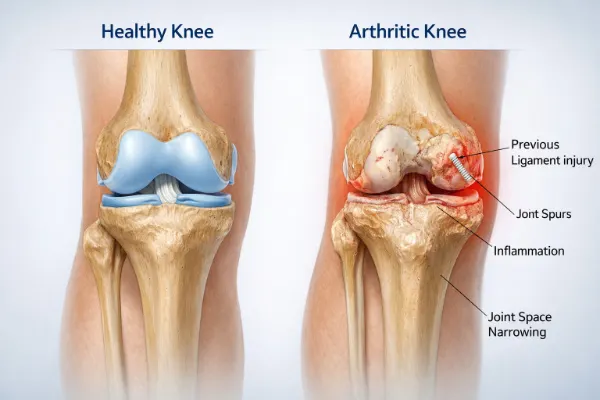
Arthritis refers to inflammation in a joint. When it affects just one knee, doctors call it unilateral knee arthritis.
This condition usually develops due to uneven stress, injury, or localized damage rather than a whole-body issue. In many cases, one knee simply goes through more wear and tear than the other.
Think of it like your favorite shoe. You wear it more, it wears out faster. Your knees work in a similar way.
Arthritis in One Knee Only Causes
Understanding arthritis in one knee only causes helps you treat the problem at its root. Most cases do not happen randomly. There is usually a clear mechanical or biological reason behind it.
1. Previous Injury to One Knee
Injury remains one of the most common arthritis in one knee only causes.
A torn ligament, meniscus damage, or fracture can change how your knee functions. Even after healing, the joint may not move the same way again. Over time, this imbalance wears down cartilage faster.
According to the Centers for Disease Control and Prevention, joint injuries increase the risk of developing osteoarthritis later in life.
2. Uneven Weight Distribution
Your body does not always distribute weight evenly. One leg may carry more load due to posture, walking habits, or muscle imbalance.
If one knee takes more stress daily, cartilage breaks down faster. This leads to arthritis in one knee only instead of both.
3. Osteoarthritis (Wear and Tear)
Osteoarthritis often starts in one knee before affecting the other.
This happens because cartilage does not wear down equally on both sides. Small differences in alignment or activity levels can accelerate damage in one joint.
The National Institute on Aging confirms that osteoarthritis develops gradually and may begin in a single joint.
4. Knee Alignment Issues
Alignment plays a major role in arthritis in one knee only causes.
If your knee bends inward or outward, it creates uneven pressure across the joint. Over time, this pressure damages cartilage on one side.
Conditions like bow legs or knock knees often lead to arthritis affecting just one knee.
5. Muscle Weakness or Imbalance
Strong muscles support your joints. Weak or uneven muscles do the opposite.
If your quadriceps or hamstrings are weaker on one side, your knee absorbs more stress. This increases wear and tear in that specific joint.
Physical therapists often identify this as a key factor in unilateral knee arthritis.
6. Repetitive Use or Occupation
Some jobs and activities put repeated strain on one knee.
For example, athletes, construction workers, or people who kneel often may stress one knee more than the other. Over time, this repetitive motion contributes to arthritis in one knee only.
7. Inflammatory Conditions (Less Common)
In conditions like rheumatoid arthritis, both knees usually get affected. However, early stages may begin in one joint.
Still, if arthritis stays limited to one knee, doctors usually look for mechanical causes first.
Symptoms of Arthritis in One Knee Only

The symptoms remain similar to general knee arthritis but stay limited to one side.
Pain often increases after activity. Stiffness becomes noticeable in the morning or after sitting for long periods. Swelling may appear around the joint, especially after use.
Some people hear a grinding or clicking sound when moving the knee. Reduced flexibility also becomes common.
If you find yourself avoiding stairs or favoring one leg, your body may already be compensating for pain in that knee.
Why Only One Knee Gets Affected
This question bothers many people. The simple answer is asymmetry.
Your body is not perfectly balanced. You may stand differently, walk differently, or even sleep in a way that favors one side.
Over years, these small differences add up. One knee handles more stress and starts breaking down earlier.
Genetics also play a role, but lifestyle and movement patterns often drive the problem.
Diagnosis: How Doctors Confirm It
Doctors usually start with a physical exam. They check swelling, range of motion, and pain points.
Imaging tests help confirm the diagnosis. X-rays show cartilage loss and bone changes. MRI scans provide more detailed views of soft tissue damage.
Blood tests may be used if doctors suspect inflammatory arthritis.
The goal is simple. Identify whether the arthritis comes from wear and tear, injury, or another condition.
What to Do If You Have Arthritis in One Knee Only
Now comes the important part. What can you actually do about it?
Focus on Strengthening Muscles
Strong muscles protect your joints. This is one of the most effective ways to slow arthritis progression.
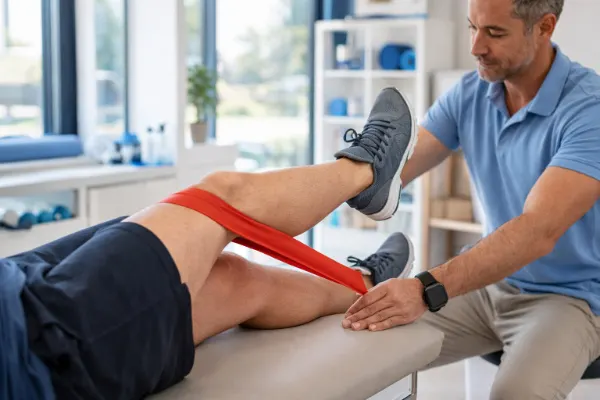
Exercises that target the quadriceps, hamstrings, and calf muscles improve stability. Even simple movements like leg raises or controlled squats can help.
A physical therapist can design a plan based on your specific weakness.
Maintain a Healthy Weight
Extra weight increases pressure on your knees. Even a small reduction can significantly reduce joint stress.
The Arthritis Foundation states that losing just 10 pounds can reduce knee pressure by up to 40 pounds during daily activities.
Improve Walking and Posture
Correcting how you walk makes a big difference.
If you limp or shift weight unevenly, you increase stress on one knee. Gait training and proper footwear can help restore balance.
Use Support When Needed
Knee braces or orthotics can improve alignment and reduce pressure.
Doctors may recommend them if your arthritis comes from structural issues.
Stay Active Without Overdoing It
Movement keeps joints healthy. But overuse can make things worse.
Low-impact exercises like swimming, cycling, or walking work well. They keep the joint moving without excessive stress.
Manage Pain Smartly
Over-the-counter medications like ibuprofen may help manage pain. Always use them as directed.
Cold packs reduce swelling, while heat helps relax stiff muscles.
Avoid relying only on painkillers. They treat symptoms, not the root cause.
Consider Medical Treatments
If pain becomes severe, doctors may suggest additional treatments.
These include corticosteroid injections or hyaluronic acid injections. In advanced cases, knee replacement surgery may be considered.
However, most people manage arthritis in one knee only without surgery for years.
Can Arthritis Spread to the Other Knee?
Yes, it can. But it does not always happen.
If the underlying cause affects both knees, such as aging or weight issues, the second knee may develop arthritis over time.
Also, if you favor one knee due to pain, the other knee may take extra stress and become affected later.
The key is early management. When you address arthritis in one knee only causes early, you reduce the risk of it spreading.
When Should You See a Doctor?
Do not ignore persistent knee pain.
If pain lasts more than a few weeks, affects your daily life, or worsens over time, consult a doctor.
Early diagnosis leads to better outcomes. Waiting too long often makes treatment more difficult.
Frequently Asked Questions
What are the most common arthritis in one knee only causes?
The most common arthritis in one knee only causes include previous knee injury, uneven weight distribution, osteoarthritis wear and tear, poor knee alignment, and muscle imbalance. These factors put extra stress on one knee, leading to faster cartilage breakdown compared to the other side.
Can arthritis affect only one knee and not the other?
Yes, arthritis can affect only one knee, especially when the root cause is mechanical rather than systemic. Many arthritis in one knee only causes are linked to lifestyle habits, injuries, or posture issues that impact one side more than the other.
Will arthritis in one knee spread to the other knee over time?
Arthritis may spread to the other knee, but it does not always happen. If the underlying arthritis in one knee only causes, such as weight issues or joint stress, are not corrected, the second knee may eventually develop similar problems.
How do doctors diagnose arthritis in one knee only?
Doctors diagnose it through physical examination, medical history, and imaging tests like X-rays or MRI scans. These tests help identify arthritis in one knee only causes, such as cartilage damage, alignment problems, or past injuries.
What is the best treatment for arthritis in one knee only?
The best treatment depends on the underlying arthritis in one knee only causes. Most people benefit from strengthening exercises, weight management, proper footwear, and low-impact activities. In some cases, doctors may recommend medications, injections, or surgery if the condition becomes severe.
Final Thoughts
Arthritis in one knee only may feel strange, but it has clear and logical explanations. Most cases come down to injury, imbalance, or uneven stress.
The good news is that you can take control. Strengthening muscles, improving movement, and managing weight all make a real difference.
Think of your knee as a system. Support it well, and it will serve you longer. Ignore it, and it will remind you every time you climb stairs.
A little care today saves a lot of pain tomorrow.
If you often crack your joints and wonder whether it affects knee health, you might also want to read Is Cracking Knuckles Bad for Arthritis? Science Finally Answers (2026) for a clear, research-backed explanation.
Sources
Centers for Disease Control and Prevention
Author Bio
Jennifer Collins is a wellness researcher and natural health writer focused on adults over 40. With 3+ years of experience in digital health content, Jennifer specializes in making science-backed nutrition and lifestyle strategies easy to follow and apply.
Health Disclaimer
This content is for informational purposes only and is not intended to diagnose, treat, or cure any disease. Always consult your healthcare provider before making changes to your diet or health routine. This article may include affiliate links, which come at no extra cost to you.