
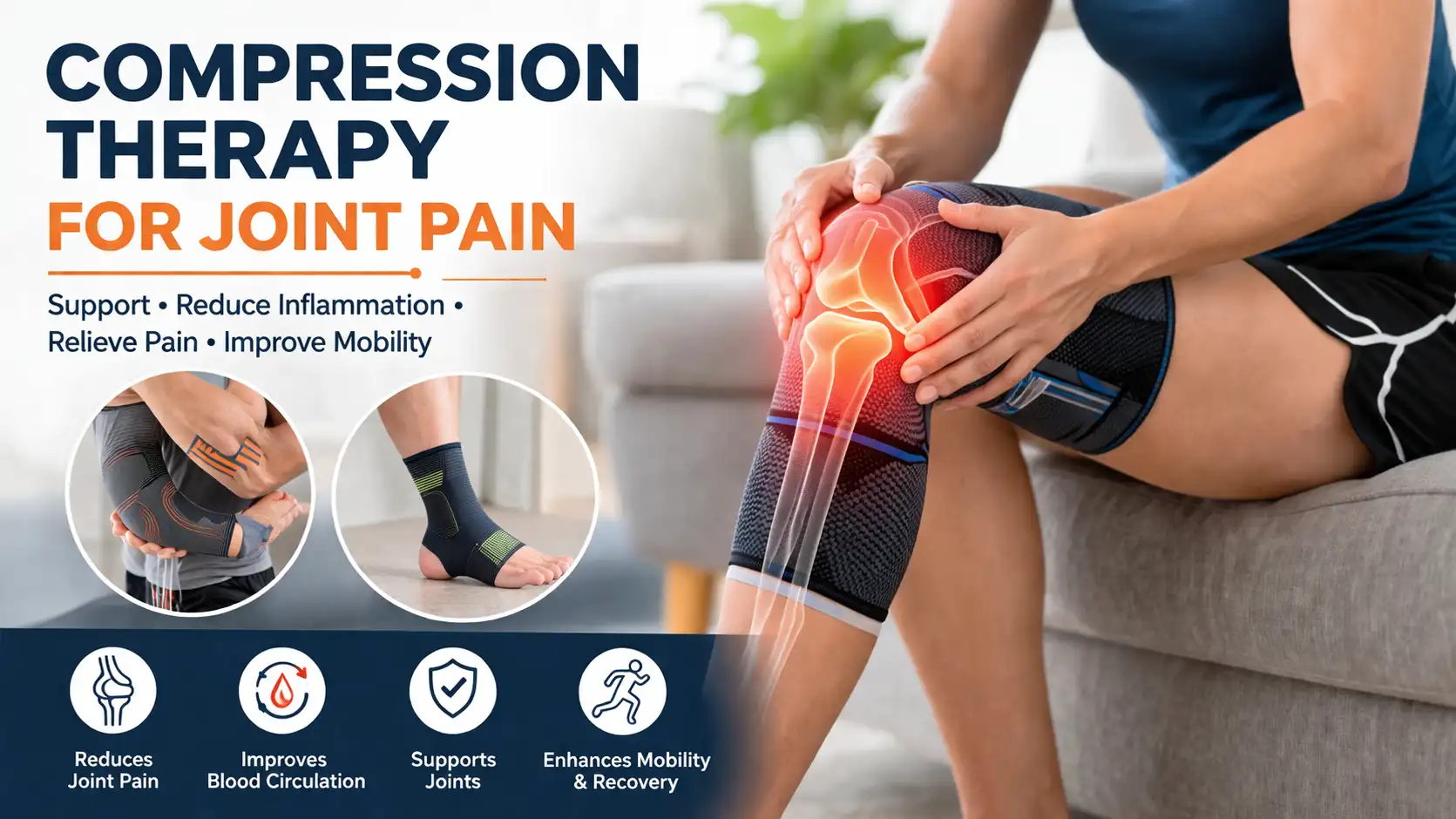
Compression therapy for joint pain is often suggested as a non-invasive way to support joint comfort, especially for knees and elbows. Many people use sleeves or bandages hoping they will reduce swelling or stiffness. But what does research actually show? In this article, we explore compression therapy for joint ache, including evidence-based benefits, practical applications, and limitations. The discussion is grounded in science and avoids overhyped claims.
While direct evidence for pain relief in conditions like osteoarthritis is limited, compression may help with circulation, fluid balance, and proprioception — indirectly easing discomfort. Using tools like elastic knee compression for joint support may provide additional stability during movement, though it is part of a broader management plan rather than a standalone cure.
What Exactly Is Compression Therapy?
Compression therapy involves applying controlled pressure to limbs or joints with garments like sleeves, stockings, or bandages. This external pressure helps optimize venous return support and lymphatic drainage therapy, reducing fluid pooling around joints. Compression also offers mechanical support that enhances joint stability, which may improve comfort and reduce perceived pain.
How how compression therapy reduces joint inflammation Influencing Circulation And Fluid Balance
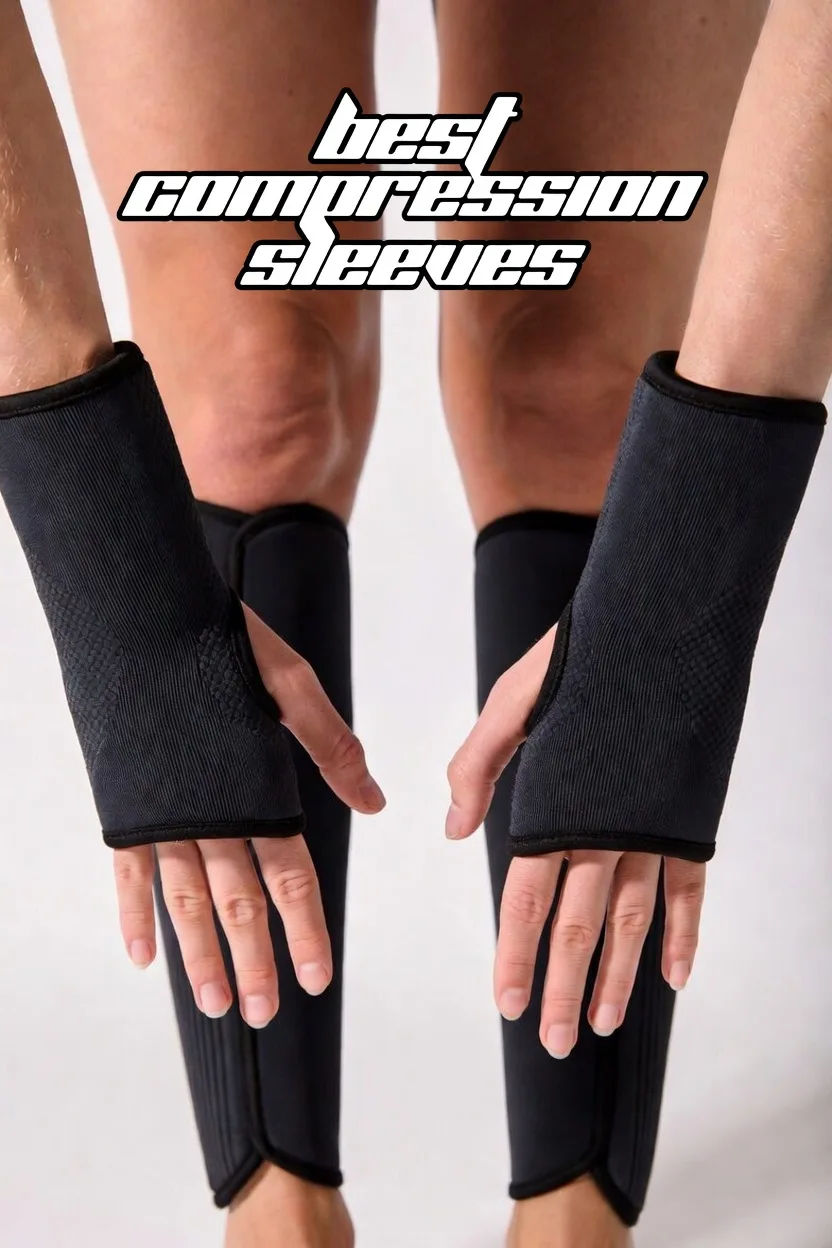
Compression increases tissue pressure, assisting veins and lymphatics in moving fluids efficiently. Improved circulation can reduce edema or swelling, which often contributes to sensations of joint discomfort. Research shows that soft tissue compression can influence fluid balance in the lower extremities, making joints feel less stiff. While this does not directly alter inflammation, it may complement other therapies.
Evidence From Clinical Research
Clinical trials on compression therapy for joint pain are limited, particularly for osteoarthritis. Most studies focus on post-injury or post-surgery swelling rather than chronic joint pain. Some evidence suggests that muscle oscillation control provided by compression garments can reduce perceived soreness after activity, indirectly supporting joint comfort.
Systematic reviews show limited high-quality evidence for compression’s effect on pain in acute injuries, but they do highlight fluid management benefits. Compression also appears to support exercise recovery sleeves and tissue fluid balance, which may improve overall joint function.
Why Compression Might Feel Helpful
Even without direct evidence for pain reduction, many users experience subjective knee and elbow compression therapy benefits.
Increased Proprioception And Joint Awareness
Compression enhances proprioception enhancement, improving awareness of joint position. This may make movement feel safer and reduce discomfort during activity.
Warmth And Comfort
Compression garments, such as best compression sleeves for joint pain, raise skin temperature increase, which can loosen stiff joints and improve mobility.
Psychological Feedback
Support from a sleeve can improve confidence in movement, reducing tension in surrounding muscles and contributing to perceived comfort.
Does Compression Reduce Inflammation?
Compression therapy for joint pain primarily addresses fluid accumulation rather than the underlying inflammatory pathways. Localized pressure therapy reduces swelling, a symptom of inflammation, but does not directly inhibit inflammatory mediators. Therefore, compression should be considered supportive rather than a primary anti-inflammatory treatment.
Who Benefits Most From Compression Therapy
Compression is particularly effective for:
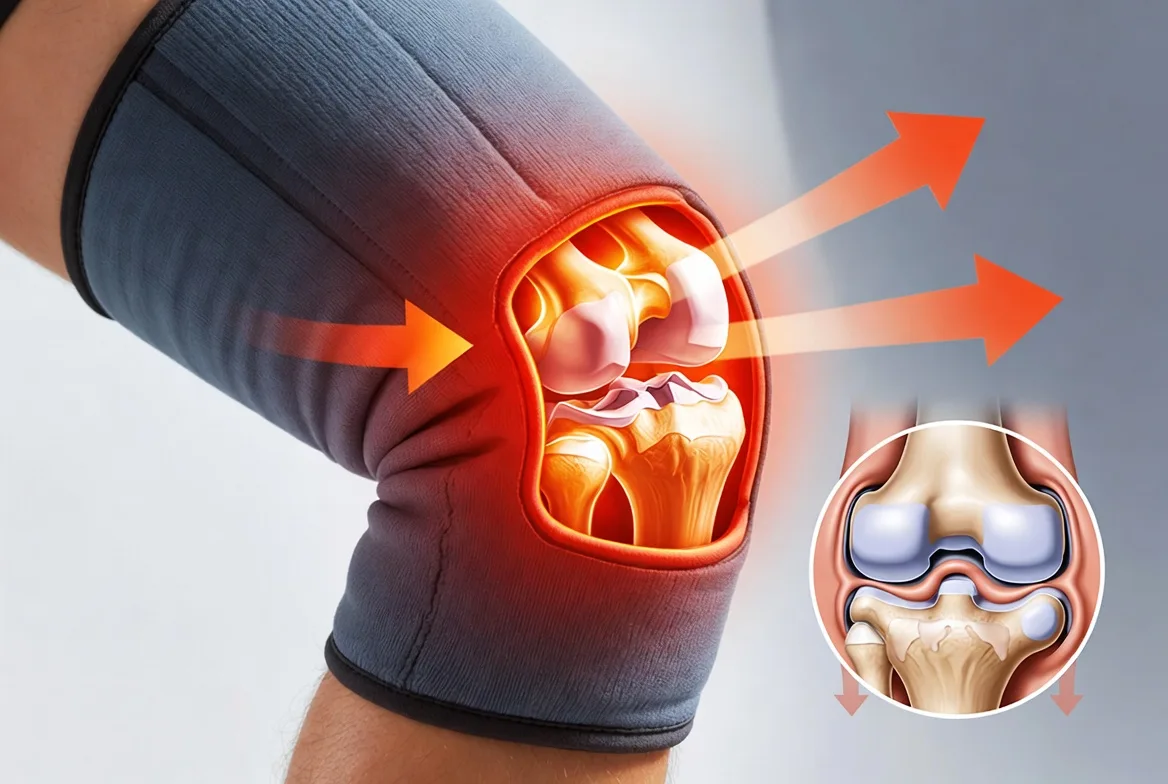
- Venous insufficiency and lymphedema: Compression garments improve edema reduction techniques and fluid return.
- Postoperative swelling: While pain outcomes vary, compression supports tissue recovery and comfort.
- Exercise recovery: Athletes may benefit from post-activity recovery compression to reduce perceived soreness.
Using best elbow compression therapy for swelling relief can help individuals maintain comfort and mobility during daily activities or workouts.
How To Choose And Use Compression Safely
- Proper Fit: Too tight can restrict circulation, too loose is ineffective.
- Duration: Wear during activity or periods of swelling; remove during rest.
- Type: Graduated compression is most effective in vascular conditions.
Consult a healthcare provider before using compression if you have circulatory problems, diabetes, or sensitive skin. Compression is one part of a broader non-pharmacological joint care plan.
Also Read: Spinal Stenosis Natural Treatment: What Really Works
Practical Ways Compression Can Fit Into Joint Care
Compression works best alongside exercise, therapy, and medical treatments. Suggestions include:
- Use sleeves during physical activity to enhance pain perception modulation.
- Combine compression with gentle movement to improve joint swelling management.
- Remember compression supports comfort, not structural healing.
Conclusion
Compression therapy for joint pain provides mechanical and circulatory support that may reduce swelling and improve movement comfort. High-quality evidence for direct pain relief in chronic joint conditions is limited, but compression can enhance proprioception, fluid balance, and perceived stability. Tools like elastic knee compression for joint support and best elbow compression therapy for swelling relief can be useful adjuncts in a broader joint care strategy, complementing exercise, physical therapy, and medical treatments.
Sources
Compression Therapy: Clinical and Experimental Evidence – Annals of Vascular Diseases
Compression Wrapping for Acute Closed Extremity Joint Injuries: A Systematic Review – National Athletic Trainers’ Association
Clinical Guidelines on Compression Therapy in Venous Diseases – PubMed (Abstract)
Indications for Medical Compression Stockings in Venous and Lymphatic Disorders: Evidence‑Based Consensus Statement – PubMed Central
Evidence of Compression Therapy (Review) – PubMed
Compression Therapy for Occupational Leg Symptoms and Chronic Venous Disorders
Compression Therapy in Venous Diseases: Current Forms of Compression Materials and Techniques – PMC
Risks and Contraindications of Medical Compression Treatment – International Consensus Statement
FAQs
How Do Compression Sleeves Help With Knee And Elbow Compression Therapy Benefits Even If They Don’t Cure Pain?
Compression sleeves offer gentle support that enhances joint stability assistance and fluid movement. While they do not cure pain, they can reduce swelling and improve proprioception, making movement more comfortable.
Are Compression Garments Effective For Joint Swelling After Exercise?
Evidence suggests garments may aid muscle oscillation effects and manage post-exercise fluid accumulation, easing discomfort. Their role is complementary to rest, stretching, and recovery strategies.
What Should I Consider When Selecting The Best Compression Sleeves For Joint Pain?
Choose the best compression sleeves for joint pain with proper fit, adjustable compression, and comfortable materials. Properly fitted sleeves improve circulatory support garments and ensure safe, effective use.
How Compression Therapy Reduces Joint Inflammation Directly?
Compression primarily reduces fluid pooling, a symptom of inflammation. It does not directly affect inflammatory pathways, so it serves as a non-pharmacological intervention rather than a treatment for inflammation.
How Does Compression Affect Proprioception And Movement Comfort?
By providing support and pressure, compression garments improve sensorimotor system support, enhancing awareness of joint position and promoting more stable and confident movement.
Is There Evidence That Compression Therapy Improves Blood Circulation Around Joints?
Compression assists venous return and lymphatic drainage. While not a cure, enhanced circulation through vascular therapy evidence may reduce fluid retention and discomfort.
Can Anyone Use Compression Therapy For Joint Discomfort?
Most adults can safely use compression garments. People with circulatory issues, neuropathy, or diabetes should seek guidance to prevent adverse effects and ensure non-pharmacological joint care is effective.