
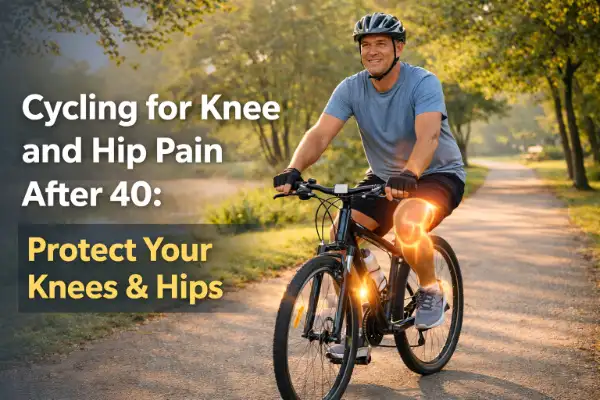
If your knees crack like popcorn or your hips feel stiff after sitting too long, you are not alone. After 40, joint discomfort becomes more common, but that does not mean you need to stop moving. In fact, the right kind of movement can help you feel better, not worse. That is where cycling for knee and hip pain comes in.
Cycling offers a low-impact, joint-friendly way to stay active. It supports mobility, builds strength, and improves circulation without putting excessive pressure on your joints. But there is a catch. You need to do it the right way.
This guide explains how cycling for knee and hip pain works, why it helps, and how to do it safely after 40.
Table of Contents
Why Joint Pain Increases After 40

Aging changes your body in subtle but important ways. Cartilage becomes thinner, joint lubrication decreases, and muscles lose strength if you do not actively maintain them. These factors can lead to stiffness, inflammation, and discomfort in weight-bearing joints like the knees and hips.
According to the Centers for Disease Control and Prevention, arthritis affects millions of adults and becomes more common with age. However, staying active remains one of the best ways to manage symptoms.
If you want to improve joint support further, this detailed guide on Strength Training With Arthritis Safe Guide for Pain-Free Workouts After 40 explains how to build strength without worsening pain.
That is why cycling for knee and hip pain has gained attention. It allows movement without the heavy impact that comes from running or jumping.
How Cycling Helps Knee and Hip Pain
Cycling creates a smooth, circular motion that reduces joint stress. Unlike walking or running, your body weight stays supported by the bike. This reduces pressure on your knees and hips.
When you pedal, your joints move through a controlled range of motion. This helps lubricate the joints and improve flexibility. It also strengthens the muscles around your knees and hips, which improves stability.
A study published in the American College of Sports Medicine highlights that low-impact aerobic exercise can reduce joint pain and improve function in older adults.
Cycling also increases blood flow, which helps reduce stiffness. Think of it as oiling a rusty hinge. The more you move, the smoother it gets.
Is Cycling Safe for Knee and Hip Pain?
Yes, but only if you follow proper technique. Poor setup or bad habits can make things worse.
Cycling for knee and hip pain works best when you focus on alignment, posture, and resistance. If your seat is too low or your pedals are too hard to push, your joints will complain.
The good news is that small adjustments can make a big difference.
Choosing the Right Bike
Not all bikes are equal when it comes to joint comfort. Your choice matters more than you think.
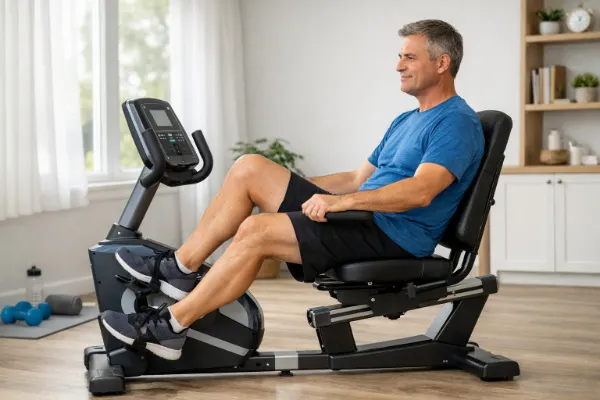
A stationary bike is often the safest option for beginners. It provides stability and allows you to control resistance easily. Recumbent bikes offer extra back support and reduce hip strain, making them ideal if you already have discomfort.
Outdoor cycling can also work, but it requires more balance and control. If you go this route, choose a bike with a comfortable saddle and smooth gears.
The key point is simple. Comfort and control should always come first.
Proper Bike Setup for Joint Protection
Your bike setup can either protect your joints or irritate them. There is no middle ground.
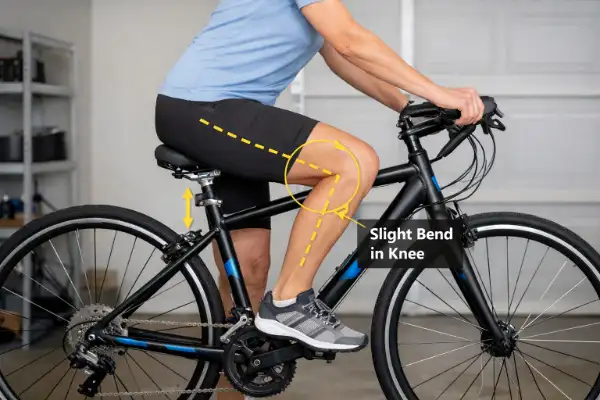
Start with seat height. When your pedal reaches the lowest point, your knee should remain slightly bent. A fully straight leg can strain your joints, while a bent knee can increase pressure.
Next, adjust the seat position. Your knee should align roughly over the pedal when it is forward. This prevents unnecessary stress on the knee joint.
Handlebar height also matters. If you lean too far forward, you may strain your hips and lower back. Keep your posture relaxed and upright.
These small tweaks can transform your experience with cycling for knee and hip pain.
Best Cycling Techniques for Pain Relief
Technique matters more than intensity. You do not need to ride like a professional cyclist to get benefits.
Focus on smooth, steady pedaling. Avoid pushing hard gears, especially in the beginning. High resistance can overload your joints.
Instead, use a higher cadence with lower resistance. This means pedaling faster but with less force. It reduces joint stress while still improving cardiovascular fitness.
Keep your knees tracking straight. If they move inward or outward, you may be putting uneven pressure on your joints.
Relax your upper body. Tension in your shoulders or hips can transfer stress down to your joints.
Cycling should feel controlled and comfortable, not like a battle.
How Often Should You Cycle?
Consistency beats intensity every time.
Start with short sessions of 15 to 20 minutes, three to four times per week. Gradually increase your duration as your body adapts.
According to the World Health Organization, adults should aim for at least 150 minutes of moderate physical activity per week. Cycling fits perfectly into this recommendation.
Listen to your body. Mild discomfort may happen at first, but sharp pain is a signal to stop.
Common Mistakes That Worsen Pain
Many people unknowingly sabotage their progress. Here are a few common mistakes to avoid.
Using high resistance too early often leads to knee strain. Your joints need time to adapt.
Skipping warm-ups can make your muscles tight and increase injury risk. Always start with a few minutes of easy pedaling.
Ignoring pain signals is another issue. If something hurts consistently, adjust your setup or reduce intensity.
Poor posture also plays a role. Slouching or leaning too far forward can increase hip discomfort.
Avoid these mistakes, and cycling for knee and hip pain becomes much more effective.
Strength Training Complements Cycling
Cycling alone helps, but combining it with strength training improves results.
Strong muscles support your joints and reduce stress during movement. Focus on exercises that target your quadriceps, hamstrings, glutes, and core.
Simple movements like squats, bridges, and leg lifts can make a big difference. You do not need heavy weights. Bodyweight exercises work well.
The Arthritis Foundation recommends strengthening muscles around affected joints to reduce pain and improve function.
Think of it this way. Your joints are the hinges, and your muscles are the support system. Strong support means less strain.
Stretching and Mobility Matter
Flexibility plays a major role in joint health. Tight muscles can pull on your joints and create discomfort.
After cycling, spend a few minutes stretching your hips, hamstrings, and calves. This helps maintain range of motion and reduces stiffness.
Gentle mobility exercises can also improve how your joints move. Even small improvements can lead to noticeable relief.
Indoor vs Outdoor Cycling
Both options have benefits, but your choice depends on your comfort level.
Indoor cycling offers control and safety. You can adjust resistance, avoid uneven terrain, and focus on technique.
Outdoor cycling provides fresh air and variety. It can boost mood and make exercise more enjoyable.
If you have significant pain, start indoors. Once you feel confident, you can transition outside.
Weight Management and Joint Health
Extra body weight increases pressure on your knees and hips. Even small weight loss can reduce joint stress.
Cycling helps burn calories without stressing your joints. It creates a win-win situation.
Research from the Harvard Medical School shows that low-impact exercise supports weight management while protecting joint health.
You do not need drastic changes. Consistent activity combined with balanced nutrition works best.
When to See a Doctor
Cycling can help, but it is not a cure-all. If you experience severe or persistent pain, consult a healthcare professional.
Conditions like osteoarthritis, bursitis, or tendon injuries may require specific treatment.
A physical therapist can also help you fine-tune your cycling technique and recommend exercises tailored to your needs.
Mental Benefits You Should Not Ignore
Joint pain affects more than your body. It can impact your mood and confidence.
Cycling improves mental health by releasing endorphins. It helps reduce stress and boosts overall well-being.
There is also a sense of progress. When you move better, you feel better. That motivation can carry over into other areas of your life.
Realistic Expectations
Cycling for knee and hip pain is not a magic fix. It takes time and consistency.
You may not feel dramatic changes overnight, but gradual improvement is common. Reduced stiffness, better mobility, and less discomfort often appear within weeks.
Stay patient and focus on long-term benefits.
A Simple Weekly Plan to Start
You do not need a complicated routine.
Start with three sessions per week. Keep each session light and comfortable. Gradually increase your time as your joints adapt.
Add basic strength exercises twice a week. Include short stretching sessions after each ride.
Keep it simple and sustainable. That is what leads to real results.
Frequently Asked Questions
What are Trimology ingredients and how do they work?
Trimology ingredients refer to the natural compounds used in the Trimology formula to support metabolism, fat burning, and energy levels. These ingredients typically work by helping the body improve metabolic efficiency, reduce fat storage, and promote better calorie utilization.
Are Trimology ingredients safe to use daily?
Most Trimology ingredients are commonly used in dietary supplements and are generally considered safe when taken as directed. However, safety depends on individual health conditions, so it is always wise to consult a healthcare professional before starting any supplement.
Do Trimology ingredients really help with weight loss?
Trimology ingredients may support weight management by boosting metabolism and reducing appetite, but they are not a magic solution. The best results come when these ingredients are combined with a balanced diet and regular physical activity.
What makes Trimology ingredients different from other supplements?
Trimology ingredients often focus on a blend of natural extracts that aim to support metabolism and energy without relying heavily on stimulants. This approach may appeal to people looking for a more balanced and sustained weight management solution.
How long does it take for Trimology ingredients to show results?
The effects of Trimology ingredients can vary from person to person. Some users may notice changes in energy or appetite within a few weeks, while visible weight-related results typically take consistent use over several weeks along with healthy lifestyle habits.
Final Thoughts
Cycling for knee and hip pain offers a practical, science-backed way to stay active after 40. It protects your joints, strengthens your muscles, and improves overall health.
The key lies in doing it correctly. Proper setup, good technique, and consistency make all the difference.
You do not need extreme workouts or fancy equipment. A simple, well-adjusted bike and a smart approach can help you move better and feel better.
And let’s be honest. Your joints might still complain occasionally, but at least now they have fewer reasons to.
Sources
Centers for Disease Control and Prevention
American College of Sports Medicine
Author Bio
Jennifer Collins is a wellness researcher and natural health writer focused on adults over 40. With 3+ years of experience in digital health content, Jennifer specializes in making science-backed nutrition and lifestyle strategies easy to follow and apply.
Health Disclaimer
This content is for informational purposes only and is not intended to diagnose, treat, or cure any disease. Always consult your healthcare provider before making changes to your diet or health routine. This article may include affiliate links, which come at no extra cost to you.