
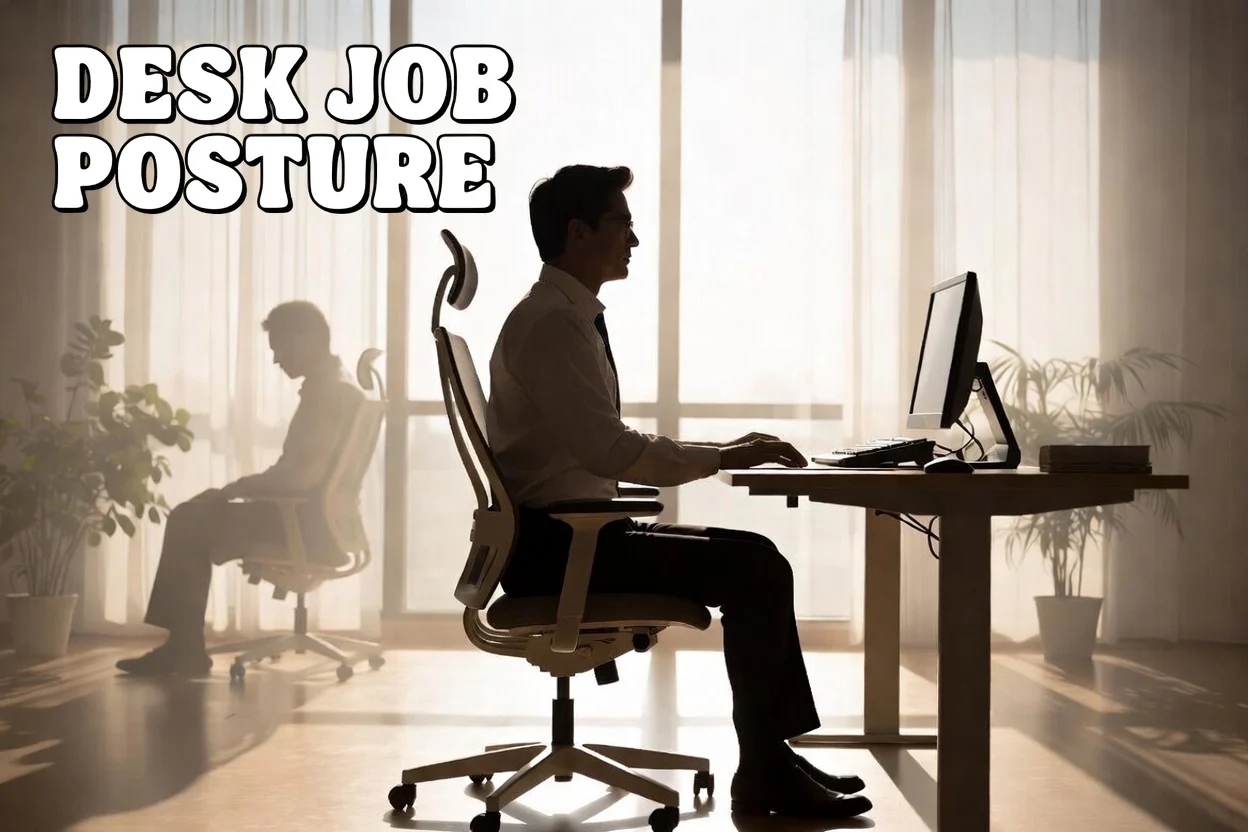
Most people rarely think about desk job posture until discomfort turns into persistent pain. What feels like a harmless habit today can quietly contribute to long-term joint degeneration over the years. From stiff necks to aching knees, the body often keeps score of how we sit, stand, and move.
Modern work culture has made sitting unavoidable, but it has also introduced new risks. Research from the World Health Organization highlights prolonged sitting as a major contributor to musculoskeletal disorders globally. Understanding how posture influences joint health is no longer optional. It is essential for anyone who spends hours at a desk.
Many professionals underestimate how daily sitting habits interact with sedentary lifestyle risks. Over time, reduced movement, poor alignment, and muscle inactivity create a chain reaction that impacts the entire body. Recognising these risks early allows individuals to make informed adjustments that support long-term health.
This article breaks down the science, risks, and practical strategies to help you protect your joints without overhauling your entire routine.
What happens to your body when you sit for hours
The human body is designed for movement, not stillness. When you sit for extended periods, several physiological changes begin to occur.
Muscles in the hips tighten, the spine compresses, and circulation slows down. Over time, this leads to imbalances that place uneven stress on joints. According to research published by the National Institutes of Health, prolonged sedentary behaviour is strongly linked to reduced joint mobility and increased inflammation.

Sitting also reduces the activation of stabilising muscles, especially in the core and lower back. This lack of engagement forces other structures like ligaments and joints to compensate. The result is gradual wear and tear that often goes unnoticed until symptoms become chronic.
Poor sitting habits can also reduce the body’s ability to maintain proper alignment. Without regular movement, joints receive less nourishment, as movement is essential for circulating synovial fluid that keeps joints lubricated and functional.
The science behind poor posture effects on joints
Understanding the poor posture effects on joints requires looking at biomechanics. When posture is misaligned, the body distributes weight unevenly.
For example, slouching shifts the head forward, increasing strain on the cervical spine. Even a slight forward tilt can multiply the pressure on neck joints significantly. The Mayo Clinic explains that improper alignment increases stress on joints and accelerates degeneration over time.
Similarly, rounded shoulders and a curved lower back place excess load on spinal discs. This can lead to conditions like disc degeneration, osteoarthritis, and chronic stiffness.
Joint cartilage depends on balanced movement and pressure to stay healthy. When posture disrupts this balance, it can reduce nutrient exchange in the joints, leading to gradual deterioration.
Applying simple posture correction techniques can significantly reduce this uneven stress. These techniques focus on aligning the ears, shoulders, and hips in a straight line, helping distribute weight evenly across joints and reducing long-term strain.
How sitting posture for long hours impacts different joints
Neck and shoulders
Poor alignment in the upper body often leads to tight neck muscles and stiff shoulders. Over time, this contributes to reduced range of motion and chronic discomfort.
Forward head posture is one of the most common issues seen in desk workers. It increases strain on the cervical spine and surrounding joints, often leading to tension headaches and upper back pain. Addressing this issue early supports effective neck strain relief and prevents further complications.
Spine and lower back
The spine bears the brunt of prolonged sitting. A slouched position compresses spinal discs unevenly, increasing the risk of herniation and degeneration.
The Cleveland Clinic notes that maintaining spinal alignment is critical for preventing chronic back pain and preserving joint health.
Consistent awareness of posture can also support back pain prevention, especially for individuals who spend most of their day seated.
Hips and knees
Extended sitting shortens hip flexors and weakens glute muscles. This imbalance can affect how you walk and stand, placing additional strain on knee joints.
Over time, this contributes to joint stiffness and reduced mobility, especially in individuals who remain inactive outside work hours. Encouraging mobility improvement through regular movement can help counteract these effects and restore joint function.
Desk job posture and its role in long-term joint degeneration
When discussing desk job posture, it is important to understand its cumulative impact. Joint degeneration rarely happens overnight. It develops slowly through repeated stress and poor alignment.
Studies from the Centers for Disease Control and Prevention show that musculoskeletal disorders are among the leading causes of disability worldwide, with sedentary work being a major contributing factor.
Poor posture accelerates micro-damage in joint tissues. Without proper recovery or movement, this damage builds up, eventually leading to chronic conditions such as osteoarthritis.
The key issue is not just sitting, but sitting incorrectly for prolonged periods without interruption. This is why awareness of office ergonomics and proper setup plays a crucial role in prevention.
Early warning signs you should not ignore
Your body often gives subtle signals before serious problems develop. Recognising these early signs can help you take action before joint damage becomes irreversible.
Common warning signs include persistent stiffness, mild but recurring pain, and reduced flexibility. You may also notice discomfort after sitting for long periods, which improves temporarily with movement.
Ignoring these signs can allow minor issues to progress into chronic joint problems. Early intervention is always more effective than treatment after damage has occurred.
Developing posture awareness can help individuals notice these warning signs earlier and make timely corrections to prevent further damage.
How to prevent joint pain from sitting: practical strategies
Preventing long-term damage does not require drastic changes. Small, consistent habits can make a significant difference.
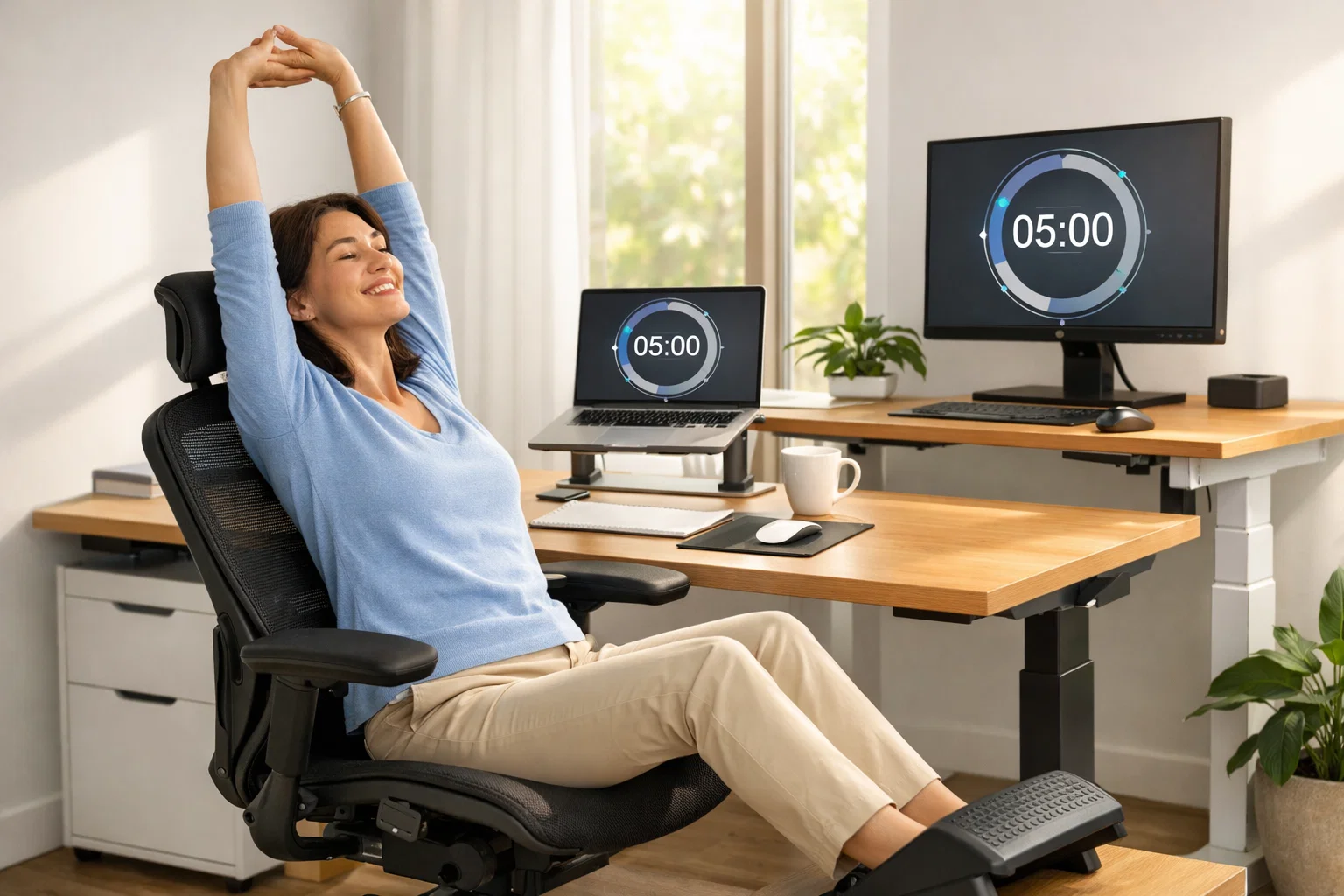
Improve workstation ergonomics
Adjust your chair so your feet rest flat on the floor and your knees are at hip level. Your screen should be at eye level to avoid neck strain.
The Occupational Safety and Health Administration recommends maintaining neutral body alignment to reduce stress on joints and muscles.
An effective ergonomic workstation setup ensures that your body remains supported throughout the day, reducing unnecessary strain on joints and muscles.
Move frequently
Take short breaks every 30 to 60 minutes. Even a brief walk or stretch can restore circulation and relieve joint pressure.
Movement helps lubricate joints and prevents stiffness. It also reactivates muscles that support proper alignment. These daily movement habits play a key role in maintaining joint health over time.
Strengthen supporting muscles
Incorporate exercises that target the core, back, and hips. Strong muscles help maintain posture and reduce the load on joints.
Simple activities like planks, bridges, and resistance training are effective core strengthening exercises that improve stability and reduce joint stress.
Stretch tight areas
Focus on stretching hip flexors, hamstrings, and chest muscles. These areas tend to tighten with prolonged sitting.
Regular stretching improves flexibility and supports long-term flexibility training, helping joints remain functional and pain-free.
Building sustainable habits for long-term joint health
Consistency matters more than intensity when it comes to posture and joint care. Instead of aiming for perfect posture all day, focus on maintaining awareness and making regular adjustments.
Developing habits such as standing meetings, active breaks, and mindful sitting can significantly reduce the risks associated with sedentary work.
Adopting joint health tips like maintaining hydration, staying active outside work hours, and practising balanced movement can further support long-term wellbeing.
Creating a supportive environment also helps. Ergonomic furniture, reminders to move, and proper lighting can all contribute to better posture habits and overall workplace wellness.
Understanding the connection between musculoskeletal health and daily routines encourages individuals to take proactive steps toward prevention rather than waiting for symptoms to appear.
Best posture habits for office workers with joint pain
For individuals already experiencing discomfort, adopting the best posture habits for office workers with joint pain can significantly improve quality of life.
Start by ensuring your spine remains neutral while sitting. Avoid slouching or leaning forward for extended periods. Keep your shoulders relaxed and your feet grounded.
Incorporate regular stretching breaks and gentle movement throughout the day. This helps reduce stiffness and improves circulation.
Focus on maintaining healthy joints by combining posture correction with strength and flexibility exercises. These habits not only reduce pain but also prevent further joint damage.
Long hours sitting joint health risks and prevention
Understanding long hours sitting joint health risks and prevention is essential for modern professionals. Prolonged sitting can lead to decreased joint lubrication, muscle imbalances, and increased pressure on specific joints.
Also Read: Does Collagen Help Joint Pain? Science-Backed Truth + Real Results (2026)
Preventive strategies include maintaining proper posture, using ergonomic furniture, and integrating movement into daily routines. These steps help reduce the negative impact of prolonged sitting.
Addressing repetitive strain prevention is also crucial. Repeated movements or static positions can lead to overuse injuries, making it important to vary posture and movement throughout the day.
Conclusion
Ignoring desk job posture may feel harmless in the short term, but its long-term impact on joint health can be significant. From subtle stiffness to chronic degeneration, the effects build gradually over time.
The good news is that prevention is both practical and achievable. By improving your sitting posture for long hours, staying active, and addressing early warning signs, you can protect your joints and maintain mobility for years to come.
Small daily changes today can help you avoid major health issues tomorrow while supporting stronger, more resilient joints.
Sources
- World Health Organization – Physical activity and sedentary behaviour guidelines
- National Institutes of Health – Sedentary behavior and health outcomes
- Mayo Clinic – Posture tips and body mechanics
- Cleveland Clinic – Back health and posture
- Centers for Disease Control and Prevention – Workplace health and musculoskeletal disorders
- Occupational Safety and Health Administration – Computer workstation ergonomics
https://www.osha.gov/etools/computer-workstations
FAQs
What are the most overlooked poor posture effects on joints in daily life
Many people focus only on back pain, but joint health issues often extend beyond the spine. Subtle effects include reduced joint lubrication, increased inflammation, and uneven cartilage wear. These changes can occur without immediate pain, making them easy to ignore. Over time, they contribute to stiffness, limited mobility, and early joint degeneration. Paying attention to small discomforts and correcting posture early can help prevent long-term complications that often go unnoticed until they become severe.
How can sitting posture for long hours affect overall mobility over time
Prolonged sitting reduces joint movement, which is essential for maintaining flexibility and strength. When joints remain in a fixed position, surrounding muscles weaken and tighten, leading to restricted motion. This can affect everyday activities like walking, bending, or even standing comfortably. Over time, the body adapts to these limitations, making it harder to regain full mobility. Regular movement and posture correction play a key role in maintaining functional joint health.
What is the best way to combine movement with desk work routines
The most effective approach is to integrate movement into your existing routine rather than treating it as a separate task. Short, frequent breaks, standing while taking calls, and stretching between tasks can significantly reduce joint stress. These small actions help maintain circulation and prevent stiffness. Creating a habit of moving regularly ensures that joints remain active and supported, even during long work hours.
How to prevent joint pain from sitting without changing your job
You do not need to change your job to protect your joints. Focus on improving your workspace setup and incorporating simple habits like stretching and posture adjustments. Using ergonomic chairs, maintaining screen height, and taking regular breaks can make a noticeable difference. Consistency is key. Even small improvements in daily posture and movement can reduce the risk of long-term joint issues.
Can improving prolonged sitting posture reverse early joint damage
While severe joint damage may not be fully reversible, early-stage issues can often be improved with proper care. Correcting posture, increasing movement, and strengthening muscles can reduce stress on joints and support recovery. Early intervention can slow or even halt the progression of joint degeneration. The sooner you address posture-related issues, the better the chances of maintaining healthy joints.
Why do bad posture effects on joints develop slowly over time
Joint damage from poor posture is usually gradual because it results from repeated stress rather than a single event. Small misalignments create continuous pressure on specific areas of the joints. Over time, this leads to wear and tear, reduced cartilage health, and inflammation. Since the changes are slow, they often go unnoticed until symptoms become more serious. Awareness and prevention are essential for long-term joint health.
What daily habits support long-term joint health for desk workers
Healthy joints depend on a combination of movement, strength, and proper alignment. Daily habits like stretching, staying active, and maintaining good posture can make a significant difference. Drinking enough water and maintaining overall fitness also support joint function. Consistent, small actions are more effective than occasional intense efforts when it comes to preserving joint health over time.
Author Bio
Jennifer Collins is a wellness researcher and natural health writer focused on adults over 40. With 3+ years of experience in digital health content, Jennifer specializes in making science-backed nutrition and lifestyle strategies easy to follow and apply.
Health Disclaimer
This content is for informational purposes only and is not intended to diagnose, treat, or cure any disease. Always consult your healthcare provider before making changes to your diet or health routine. This article may include affiliate links, which come at no extra cost to you.