

Joint pain can sneak into your life quietly. One day you climb stairs without thinking. The next, your knees sound like a bowl of breakfast cereal. Naturally, many people start asking a simple question: does collagen help joint pain?
You have probably seen collagen powders, capsules, and drinks everywhere. Fitness influencers promote them. Doctors mention them. Even your neighbor might swear by them. But what does science actually say?
This guide breaks it all down in a clear, honest, and practical way. No hype. No fluff. Just evidence, logic, and real-world insights.
If you’re still wondering whether collagen actually works, you might want to read this detailed breakdown on Does Collagen Help Joint Pain? Science-Backed Truth + Real Results (2026) before choosing a supplement.
What Is Collagen and Why It Matters for Joints

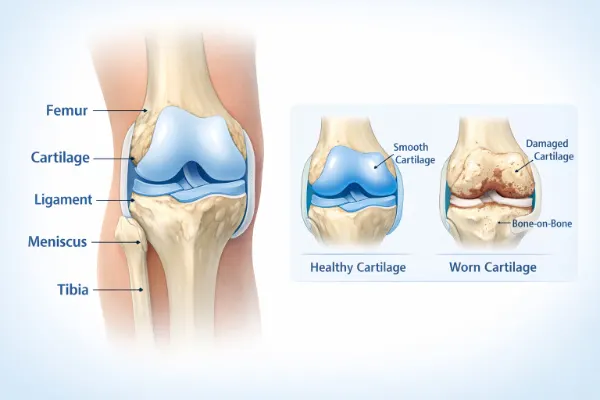
Collagen is the most abundant protein in your body. It acts like a structural glue that holds everything together. Your skin, bones, tendons, ligaments, and cartilage all depend on it.
When it comes to collagen for joints, the key player is cartilage. Cartilage cushions your joints and helps them move smoothly. Without enough healthy cartilage, bones start rubbing against each other. That leads to stiffness, discomfort, and pain.
As you age, your body produces less collagen. This decline usually starts in your mid-20s. By the time you reach your 40s or 50s, collagen loss becomes noticeable.
That drop explains why joint pain becomes more common with age.
Does Collagen Help Joint Pain? A Straight Answer
Let’s get right to the point.
Yes, collagen can help joint pain for some people. But it is not a miracle cure, and results vary.
Scientific research shows that certain types of collagen supplements joints may support joint health, reduce discomfort, and improve mobility. However, the effects are usually moderate, not dramatic.
Think of collagen as a support tool, not a magic fix.
How Collagen Works Inside Your Body
When you consume collagen, your digestive system breaks it down into amino acids. These amino acids then circulate in your bloodstream.
Some of them help rebuild collagen in your joints. Others support tissues like tendons and ligaments.
Hydrolyzed collagen, also called collagen peptides, absorbs more easily. This form appears most often in collagen supplements joints products.
Your body uses these peptides to stimulate cartilage production. That process may reduce joint pain over time.
The Science Behind Collagen for Joints
Researchers have studied collagen and joint health for years. The results look promising but not perfect.
A study published in Current Medical Research and Opinion found that athletes who took collagen hydrolysate experienced reduced joint pain during activity.
Another study in the journal Nutrients showed that collagen supplementation improved joint function in people with mild joint discomfort.
Clinical trials also suggest that collagen and arthritis symptoms may improve slightly with consistent use.
However, most studies show modest benefits. That means collagen helps, but it does not replace medical treatment.
Type II Collagen Benefits Explained
Not all collagen works the same way. Type II collagen benefits stand out when it comes to joint health.
Type II collagen exists mainly in cartilage. It directly supports joint structure and function.
Undenatured type II collagen, often labeled as UC-II, works differently than regular collagen peptides. Instead of simply providing building blocks, it may help regulate your immune system.
This matters for people dealing with collagen and arthritis, especially autoimmune forms like rheumatoid arthritis.
Some studies suggest that UC-II can reduce joint stiffness and improve mobility at relatively low doses.
In simple terms, type II collagen supports joints both structurally and biologically.
Collagen and Arthritis: What You Should Know
Arthritis affects millions of people worldwide. It includes conditions like osteoarthritis and rheumatoid arthritis.
When people ask does collagen help joint pain, they often mean arthritis pain.
Research shows that collagen may help reduce symptoms of osteoarthritis. It can improve joint comfort and flexibility in some individuals.
For rheumatoid arthritis, results look more mixed. Some studies show immune-related benefits from type II collagen, while others show limited effects.
That means collagen and arthritis have a connection, but it depends on the type and severity of the condition.
Always talk to a healthcare professional if you have chronic joint issues.
What the Experts Say About Collagen Supplements Joints
Health experts generally agree on a few key points.
Collagen supplements joints may help people with mild to moderate joint discomfort. They work best when combined with a healthy lifestyle.
Experts also emphasize consistency. You will not see results overnight. Most studies show improvements after 8 to 12 weeks of daily use.
Doctors also remind patients that supplements cannot replace proper nutrition, exercise, and medical care.
In short, collagen supports joint health, but it does not fix everything on its own.
Who Can Benefit the Most from Collagen
Not everyone experiences the same results.
People who may benefit more include aging adults with natural collagen loss. Athletes who put stress on their joints may also see improvements.
Individuals with early-stage joint discomfort often respond better than those with severe joint damage.
If your joints feel stiff after long periods of sitting or activity, collagen might help ease that discomfort.
Who Might Not See Big Results
If you expect collagen to completely eliminate joint pain, you will likely feel disappointed.
People with advanced arthritis or significant cartilage loss may not notice major changes.
Also, if your diet already provides enough protein and nutrients, adding collagen might not make a huge difference.
Collagen works best as part of a broader joint health strategy.
How to Take Collagen for Joint Health
Most collagen supplements come in powder, capsule, or liquid form. Powders remain the most popular because they mix easily into drinks.
Typical doses range from 5 to 10 grams per day for collagen peptides. For type II collagen, doses are much smaller, often around 40 mg daily.
Consistency matters more than timing. You can take collagen in the morning, evening, or after workouts.
Vitamin C helps your body produce collagen naturally, so pairing collagen with vitamin C-rich foods makes sense.
Are There Any Side Effects?
Collagen supplements are generally safe for most people.
Some individuals report mild digestive issues like bloating or a feeling of fullness. These effects usually go away quickly.
Always check the source of your collagen. Many products come from fish, bovine, or chicken sources. If you have allergies, choose carefully.
Pregnant or breastfeeding individuals should consult a doctor before starting any supplement.
Natural Ways to Support Collagen Production

Supplements help, but your lifestyle plays a bigger role.
Eating a balanced diet rich in protein supports collagen production. Foods like eggs, fish, chicken, and legumes provide essential amino acids.
Vitamin C-rich foods like oranges, berries, and bell peppers also boost collagen synthesis.
Regular exercise strengthens muscles and joints. Strength training and low-impact activities like walking or swimming work best.
Sleep also matters. Your body repairs tissues during rest, including collagen structures.
Common Myths About Collagen and Joint Pain
Many marketing claims exaggerate what collagen can do.
Collagen does not instantly rebuild cartilage overnight. It does not cure arthritis. It does not replace medical treatments.
Another myth suggests that more collagen always equals better results. In reality, your body can only use a certain amount.
Understanding these facts helps you make smarter decisions.
How Long Does It Take to See Results?
Most people need patience.
Research suggests that noticeable improvements appear after 8 to 12 weeks of consistent use. Some people feel changes sooner, while others take longer.
If you stop taking collagen, benefits may fade over time.
Consistency remains the key factor.
Frequently Asked Questions
Does collagen help joint pain according to scientific research?
Yes, research suggests that collagen can help joint pain, especially in people with mild to moderate discomfort. Studies show that collagen for joints may improve mobility and reduce stiffness over time. However, results vary, and collagen works best when combined with a healthy lifestyle.
How long does it take for collagen supplements to reduce joint pain?
Most studies indicate that collagen supplements joints may take around 8 to 12 weeks to show noticeable results. Consistent daily intake is important. If you are asking does collagen help joint pain quickly, the answer is no. It works gradually rather than instantly.
What type of collagen is best for joint pain relief?
Type II collagen benefits are especially important for joint health because this type supports cartilage directly. Undenatured type II collagen may also help reduce inflammation linked to collagen and arthritis, making it a popular option for joint support.
Can collagen help with arthritis pain and stiffness?
Collagen and arthritis have a connection, particularly in osteoarthritis. Some studies suggest collagen for joints can reduce pain and improve flexibility. However, it is not a cure and should not replace medical treatment for arthritis.
Is taking collagen daily safe for joint health?
Yes, collagen supplements joints are generally safe for daily use when taken in recommended amounts. Most people tolerate them well. If you are considering long-term use and wondering does collagen help joint pain safely, current evidence suggests it can be a low-risk addition to your routine.
Final Verdict: Does Collagen Help Joint Pain?
So, does collagen help joint pain?
Yes, it can help, especially for mild to moderate discomfort. Scientific evidence supports its role in improving joint function and reducing pain in some individuals.
However, collagen is not a miracle cure. It works best when combined with proper nutrition, exercise, and overall healthy habits.
If you approach collagen with realistic expectations, it can become a valuable part of your joint health routine.
Think of it as adding oil to a squeaky hinge. It may not replace the hinge, but it can make movement smoother.
Sources
National Institutes of Health Office of Dietary Supplements
Harvard T.H. Chan School of Public Health