
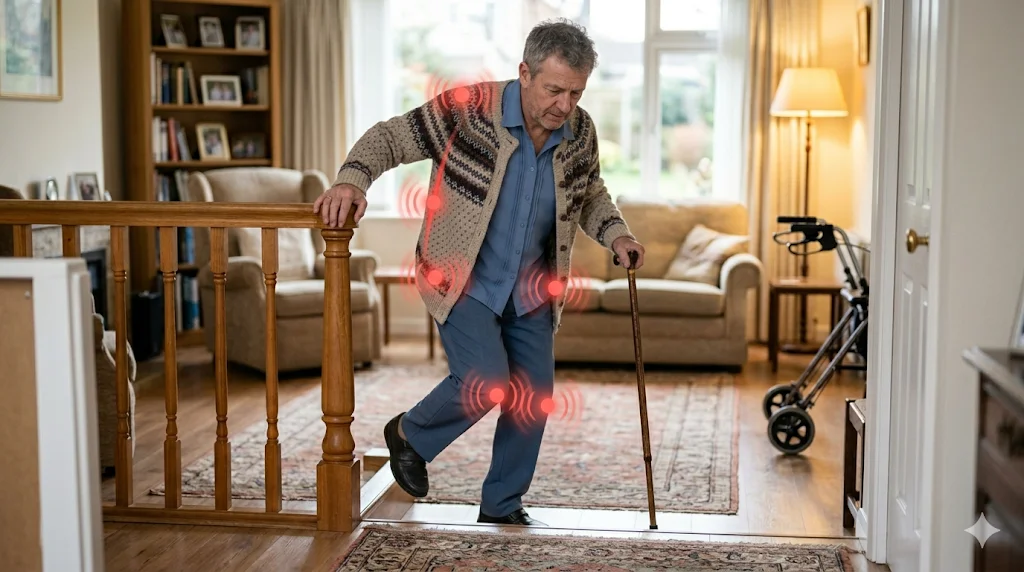
Maintaining the ability to move freely and independently is essential for quality of life. Yet many people overlook subtle changes in their movement patterns, attributing them to fatigue, stress, or age. In reality, early signs of mobility loss are often happening long before limitations become obvious. Recognising these signs early can help individuals intervene sooner, reduce risk, and preserve independence. Paying attention to subtle indicators of mobility decline allows proactive steps to protect function and confidence in daily life.
Mobility refers to the ability to move purposefully, walking, climbing stairs, reaching, and performing everyday tasks. As people age, declines in physical ability can occur due to gradual changes in strength, balance, endurance, and coordination. These declines are not just part of “normal aging” but are linked to measurable physical changes in muscle function, neurological control, and physiological systems.
Understanding change early, including how it affects gait, endurance, and balance, empowers individuals and clinicians to take action long before severe movement difficulty sets in.
What mobility actually means and why it matters
Mobility is more than walking; it’s the foundation of independence. It combines strength, balance, coordination, stamina, and cognitive planning. Paying attention to small changes in these areas can reveal impending issues long before they become disabling. Early detection of signs you may be losing movement ability is key to preventing further decline.
When mobility begins to decline, it can lead to increased risk of falls, reduced social participation, loss of independence, and even health complications such as depression or chronic disease progression. Many older adults experience mobility challenges that lead to functional limitations in daily living activities if unaddressed.
The World Health Organization emphasises maintaining intrinsic capacity, including locomotion, as a key part of healthy aging. Early intervention can slow, prevent, or even reverse physical decline before it affects everyday activities.
What causes early mobility loss
Mobility loss has many contributors. Age‑related muscle strength decline, especially in the legs, are common predictors of movement issues. Muscle weakness affects balance, gait, and ability to perform everyday tasks like rising from a chair, climbing stairs, or walking briskly.
Age‑associated changes in the nervous system, joint health, and sensory integration also play roles. Research suggests that deterioration in areas such as balance control, reaction time, or muscle strength can begin long before severe movement limitations are evident.

Early signs of mobility loss appears to be multifactorial, involving muscle, motor function, sensory systems, and even cognitive processes that contribute to movement control. Paying attention to walking difficulties in early stages can reveal these subtle declines early on.
1. Slight changes in walking speed
One of the most reliable early indicators of movement difficulty is a gradual slowing of walking pace. People often walk more slowly without consciously noticing it. Even minor reductions in gait speed can signal weakening leg muscles, loss of balance confidence, or changes in coordination. Observing gait changes with age can help detect early mobility loss.
Clinical research shows that slower gait speed correlates with reduced physical function, and changes in walking pace are detectable before more obvious limitations arise.
2. Subtle balance issues
Noticeable imbalance, such as unsteadiness when turning or turning corners slowly, is a silent signal worth attention. Balance relies on coordinated input from muscles, joints, vision, and the nervous system. Declining balance may show up first as a tiny wobble, slight hesitation, or increased reliance on walls or rails. Early subtle balance changes can indicate future mobility difficulties.
These subtle issues often precede more serious problems like falls or mobility limitations.
3. Difficulty getting up from sitting
A difficult or prolonged transition from sitting to standing can be an early signs of declining physical function. This motion requires lower‑body strength and coordination. Difficulty in this simple task often reflects declining lower limb strength issues.
Studies highlight that muscle strength loss correlates strongly with mobility challenges later in life, and early recognition of this decline can prompt strength‑preserving interventions.
4. Increasing fatigue with routine movement
Most people expect to tire after vigorous activity, but when everyday movements like walking across a room or climbing a single flight of stairs suddenly feel more exhausting, that could be an early clue of mobility loss. This change often represents physical stamina changes, reduced endurance, muscular strength, or cardiovascular capacity.
5. Forgotten steps or hesitation on stair
Stairs add demand on balance, strength, and coordination. Hesitation, requiring a pause, or avoiding stair use altogether suggests decreased confidence in movement ability. Multiple studies have shown that early mobility difficulty often shows up in tasks requiring greater physical engagement.
6. Increased reliance on suppor
Do you instinctively reach for walls, furniture, or handrails when walking normally? This subtle shift toward reliance on external support may be one of the earliest warning signs of reduced mobility. People often ignore this as a “just being cautious” habit, yet it indicates underlying physical changes that make independent balance harder.
7. Slight gait asymmetry
Changes in how the feet land, one leg shuffling more than the other, or uneven stride lengths can indicate early problems in balance or leg strength coordination. Gait asymmetry often precedes more overt difficulty and may be visible only when paying close attention. It can also reveal early functional limitations that need intervention.
8. Mild but unexplained joint stiffness
Joint stiffness, especially when waking or after periods of sitting, may feel like simple age‑related stiffness. However, increasing stiffness that affects movement range, even before pain sets in, is considered one of the early indicators of movement difficulties.
Stiffness mean early signs of mobility loss and often leads individuals to slow down or unconsciously change how they move, contributing over time to physical activity declines.
9. Skipping previously easy daily tasks
Has making dinner, carrying groceries, or walking the dog recently felt slightly more effortful? Subtle hesitation or a shift in confidence even for familiar movements suggests small yet real changes in mobility. These may impact independence in daily tasks, which is a strong predictor of functional decline.
10. New fear of falling
Fear of falling emerges when individuals sense a loss of balance or confidence in their movement. It may appear even when no fall has occurred. Recent data from fall prevention studies highlight that older adults frequently underreport falls, yet fear evolves as a psychological early sign of reduced mobility. Reduced mobility confidence can limit daily activity and accelerate decline.
11. Difficulty carrying items while walking
Carrying groceries, lifting laundry baskets, or even holding a cup of coffee while walking can become more challenging. If you find yourself letting go of one item to stabilize yourself or walking slower while carrying something that used to be no problem, this may reflect movement hesitation.
12. Reduced ability to adapt to irregular surfaces
Walking on grass, gravel, or uneven ground demands coordinated balance. Early mobility loss often shows up as discomfort or loss of confidence when stepping onto these surfaces. This subtle change is easy to miss in daily routines but signals walking endurance changes.
13. Changes in posture or reduced stride length
Many people begin to adopt a slight forward lean or shorter steps as they unconsciously compensate for reduced strength or balance confidence. These posture changes, although slight at first, are reliable mobility risk signs that most individuals ignore.
Why these early signs are often ignored
People often dismiss these changes as “normal aging” or attribute them to temporary fatigue. Yet the science shows that early mobility changes are measurable and meaningful. Recognizing these signs early allows for targeted interventions, such as strength training, balance exercises, lifestyle changes, and medical evaluation, that can slow or prevent progression. Proper monitoring is essential for independent living predictors.
Preventing mobility loss and supporting physical function
Physical activity remains one of the most effective ways to maintain mobility. Activities that build strength, preserve balance, and enhance endurance, such as walking, resistance training, tai chi, and flexibility exercises, help protect long-term movement ability. These practices support physical decline prevention and contribute to healthy aging movement.
Also Read: Shoulder Pain at Night Can’t Sleep? Proven Causes & Fixes After 40
The World Health Organization emphasises maintaining physical and functional capacity as a public health priority for older adults, with recommendations centered around exercise, prevention of falls, and integrated care strategies.
Conclusion
Recognising early signs of mobility loss matters because movement ability influences independence, quality of life, and long-term health. Subtle signals such as slowed walking speed, balance hesitation, fatigue with routine tasks, or difficulty standing up provide important clues long before severe limitations take hold.
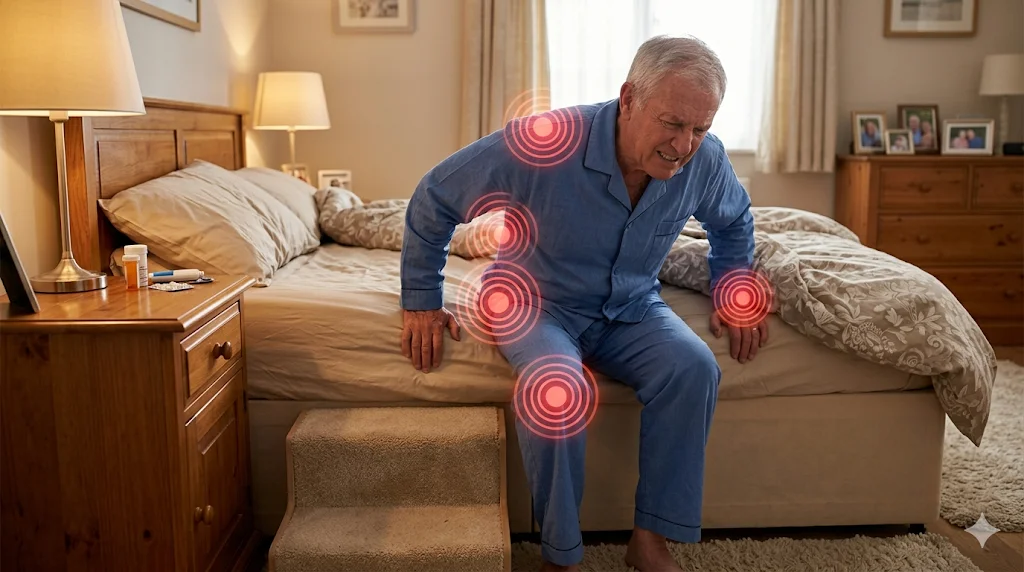
Paying attention to these early changes gives you a chance to act proactively, with physical activity, professional support, and lifestyle adjustments, rather than reacting after significant loss has occurred.
Understanding these early indicators of movement difficulties empowers individuals to manage their health actively and preserves the ability to move confidently and independently throughout life.
Sources
World Health Organization
CDC mobility disability statistics
Harvard Health mobility overview
FAQs
How can I distinguish normal aging from warning signs of reduced mobility?
Normal aging may involve slight increases in tiredness or occasional stiffness. However, warning signs of declining mobility tend to be persistent, progressive, and linked to specific movement tasks. For example, if walking speed consistently slows or balance becomes noticeably less stable during routine activities such as turning corners or climbing stairs, this may indicate underlying physical changes. In most cases, these differences are measurable and impact daily functioning beyond everyday aging.
What role does balance play in identifying warning signs of reduced mobility?
Balance is a central part of mobility. Subtle changes, such as increased reliance on handrails, hesitation before stepping, or minor instability on uneven surfaces, can all be signs of declining physical function. Because balance integrates sensory input with motor control, declines may signal deeper changes in muscle strength, coordination, or sensory processing that warrant attention.
Are early indicators of movement difficulties reversible?
In many cases, early indicators are manageable. Interventions such as strength training, balance exercises, physical therapy, and lifestyle changes can improve muscle function and coordination. Early recognition is key; addressing these signs before they become severe often means better outcomes and preserved independence.
Can young adults experience early warning signs of declining physical function?
Yes. While mobility concerns are more common with aging, individuals with chronic conditions, sedentary lifestyles, or specific health issues may experience early mobility changes. These early signs may include subtle gait changes, fatigue with routine tasks, or balance hesitation. Awareness and targeted exercise can help mitigate progression even in younger adults.
How often should mobility be evaluated in clinical settings?
Routine mobility evaluation at least annually, particularly for adults over age 50, allows clinicians to monitor changes in gait, balance, and physical function. Standardised tests like gait speed or chair-stand assessments can provide objective measures that help track first signs of physical limitation.
Does fear of falling count as an early warning sign?
Yes. Psychological responses such as fear of falling often emerge before physical decline becomes obvious. Fear can reduce activity levels, which paradoxically speeds functional decline. Recognising fear as an early sign can prompt early support, such as balance training and confidence-building exercises.
What lifestyle habits help maintain mobility and physical function?
Regular physical activity, including strength training, aerobic exercise, and balance work, helps maintain mobility and physical function. Adequate nutrition, maintaining healthy weight, and monitoring chronic conditions also contribute to preserving mobility over time.