

Facet joint pain is one of the most overlooked causes of back and neck discomfort. Many people blame muscle strain or poor posture, but the real issue often sits deeper in the spine. If you have persistent back stiffness, sharp pain when twisting, or discomfort after long periods of sitting, you may be dealing with facet joint pain.
In this guide, we will break down facet joint pain symptoms, causes, and effective home treatments. Everything here follows trusted medical knowledge and clinical understanding, so you can rely on real information instead of hype.
Table of Contents
What Is Facet Joint Pain?
Facet joints are small joints located between each vertebra in your spine. They help control movement and provide stability. Think of them as tiny hinges that allow your spine to bend, twist, and extend smoothly.
When these joints become inflamed or damaged, they cause what doctors call facet joint pain. This condition is also known as facet syndrome or facet arthropathy.
Unlike muscle pain, facet joint pain often feels deeper and more localized. It can also worsen with specific movements like bending backward or twisting.
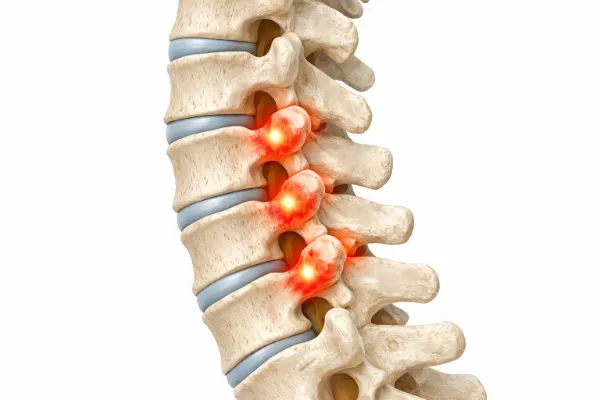
Facet Joint Pain Symptoms
Understanding facet joint pain symptoms is the first step toward proper treatment. Many people ignore early signs and only seek help when the pain becomes severe.
Here are the most common symptoms you should watch for:
Localized Pain in the Spine
Facet joint pain usually stays in one specific area. It often affects the lower back or neck. The pain does not spread widely like nerve pain.
In the lower back, you may feel pain on one or both sides of the spine. In the neck, the discomfort often stays around the base of the skull or upper shoulders.
Pain That Gets Worse with Movement
Certain movements can trigger or worsen facet joint pain symptoms. These include:
- Bending backward
- Twisting the spine
- Standing for long periods
You may notice that the pain reduces when you lean forward or sit down.
Stiffness After Rest
Many people with facet joint issues wake up feeling stiff. The stiffness usually improves after some movement. This pattern often points toward joint-related pain rather than muscle strain.
Referred Pain Without Numbness
Facet joint pain can spread to nearby areas like the buttocks or thighs. However, it rarely causes numbness or tingling. If you feel numbness, that may indicate nerve involvement instead.
Reduced Range of Motion
You may find it harder to turn your neck or bend your back. This limitation happens because the joints become inflamed and less flexible.
Pain After Long Sitting or Standing
Facet joint pain often worsens after staying in one position too long. Sitting at a desk for hours or standing without breaks can trigger discomfort.
What Causes Facet Joint Pain?

Facet joint pain does not appear overnight. It usually develops over time due to wear, stress, or injury.
Age-Related Degeneration
As you age, your joints naturally wear down. The cartilage in facet joints becomes thinner, which leads to friction and inflammation.
This process is similar to osteoarthritis and is one of the most common causes of facet joint pain.
Poor Posture
Bad posture places extra stress on your spine. Slouching while sitting or standing shifts pressure onto facet joints.
Over time, this repeated stress can lead to chronic pain.
Injury or Trauma
Accidents, falls, or sports injuries can damage facet joints. Even minor injuries can cause long-term problems if not treated properly.
Repetitive Movements
Jobs or activities that involve repeated twisting or bending can strain the facet joints. This includes lifting heavy objects or certain physical jobs.
Obesity
Excess body weight increases pressure on the spine. This added load can accelerate joint wear and lead to pain.
Sedentary Lifestyle
Lack of movement weakens the muscles that support your spine. Weak muscles force the facet joints to take on more stress.
If your pain is linked to inflammation, you might want to explore natural options like Boswellia for Joint Pain Review (2026): Does It Really Work for Arthritis Relief? Shocking Truth!, which explains how herbal compounds may support joint health.
How Facet Joint Pain Is Diagnosed
Doctors do not rely on symptoms alone. They use a combination of physical exams and imaging tests.
Physical Examination
A doctor will check your range of motion and identify movements that trigger pain. This helps determine if the facet joints are involved.
Imaging Tests
X-rays, CT scans, or MRI scans can show joint degeneration or inflammation. These tests help confirm the diagnosis.
Diagnostic Injections
In some cases, doctors inject a local anesthetic into the facet joint. If the pain disappears temporarily, it confirms the source of pain.
Home Treatment for Facet Joint Pain

You do not always need aggressive treatments. Many people find relief with simple home strategies. The key is consistency and proper technique.
Stay Active with Gentle Movement
Complete rest can make facet joint pain worse. Gentle activities like walking or stretching help keep joints flexible.
Short walks throughout the day can reduce stiffness and improve blood flow.
Use Heat Therapy
Heat helps relax muscles and improve circulation. A heating pad applied for 15 to 20 minutes can ease pain and stiffness.
Many people find heat more effective than ice for joint-related pain.
Improve Your Posture
Posture plays a major role in facet joint pain symptoms. Sit with your back straight and shoulders relaxed.
If you work at a desk, adjust your chair and screen height to support a neutral spine position.
Strengthen Core Muscles
Strong core muscles support your spine and reduce stress on facet joints.
Simple exercises like planks, pelvic tilts, and gentle yoga can help build strength over time.
Maintain a Healthy Weight
Losing excess weight reduces pressure on your spine. Even small weight loss can make a noticeable difference in pain levels.
Use Over-the-Counter Pain Relief
Nonsteroidal anti-inflammatory drugs like ibuprofen can reduce inflammation and pain. Always follow dosage guidelines and consult a doctor if needed.
Stretch Regularly
Stretching improves flexibility and reduces stiffness. Focus on stretches for the lower back, hips, and hamstrings.
Regular stretching can significantly reduce facet joint pain symptoms.
When to See a Doctor
Home treatment works for many people, but some situations require medical attention.
You should see a doctor if:
- Pain lasts more than a few weeks
- Symptoms worsen over time
- You experience severe stiffness or limited movement
- Pain interferes with daily activities
Early diagnosis can prevent the condition from getting worse.
Medical Treatment Options
If home remedies do not work, doctors may suggest medical treatments.
Physical Therapy
A physical therapist can design a program to strengthen muscles and improve flexibility. This is often the first line of treatment.
Medications
Doctors may prescribe stronger anti-inflammatory drugs or muscle relaxants if needed.
Facet Joint Injections
These injections reduce inflammation and provide temporary relief. They also help confirm the diagnosis.
Radiofrequency Ablation
This procedure uses heat to block pain signals from nerves around the facet joint. It can provide longer-lasting relief.
Surgery
Surgery is rare and usually considered only when other treatments fail.
Lifestyle Tips to Prevent Facet Joint Pain
Prevention is always better than treatment. Small lifestyle changes can protect your spine.
Stay Physically Active
Regular exercise keeps your joints healthy and flexible. Aim for at least 30 minutes of moderate activity most days.
Avoid Prolonged Sitting
Take breaks every 30 to 60 minutes. Stand, stretch, or walk to reduce stress on your spine.
Lift Objects Properly
Use your legs instead of your back when lifting heavy items. This reduces strain on facet joints.
Sleep in a Supportive Position
Use a mattress that supports your spine. Sleeping on your side with a pillow between your knees can help maintain alignment.
Common Myths About Facet Joint Pain
Many myths surround back pain, and they can lead to poor decisions.
Myth 1: Bed Rest Is the Best Treatment
Too much rest can actually worsen stiffness and pain. Movement is essential for recovery.
Myth 2: Only Older People Get It
While age is a factor, younger people can also develop facet joint pain due to poor posture or injury.
Myth 3: Surgery Is Always Needed
Most cases improve with conservative treatments. Surgery is rarely required.
Frequently Asked Questions
What are the most common facet joint pain symptoms?
The most common facet joint pain symptoms include localized pain in the lower back or neck, stiffness after rest, and discomfort that worsens with twisting or bending backward. Many people also feel pain after sitting or standing for long periods. Unlike nerve pain, facet joint pain usually does not cause numbness or tingling.
How do I know if my back pain is caused by facet joints?
You can suspect facet joint issues if your facet joint pain symptoms include pain that improves when you lean forward and worsens when you arch your back. The pain is often focused on one side of the spine and may feel worse after inactivity. A doctor can confirm this with physical exams or diagnostic injections.
Can facet joint pain go away on its own?
Mild facet joint pain symptoms can improve with rest, movement, and home care like stretching and heat therapy. However, if the underlying cause involves joint degeneration, the pain may return without proper treatment. Consistent lifestyle changes and posture correction can help manage symptoms effectively.
What is the best home treatment for facet joint pain symptoms?
The best way to manage facet joint pain symptoms at home includes gentle exercise, posture improvement, heat therapy, and core strengthening. Avoid long periods of sitting and stay active throughout the day. Over-the-counter anti-inflammatory medications may also help reduce pain and stiffness.
When should I see a doctor for facet joint pain symptoms?
You should see a doctor if your facet joint pain symptoms last more than a few weeks, become severe, or limit your daily activities. Medical attention is also important if home treatments do not provide relief or if the pain continues to worsen over time.
Final Thoughts
Facet joint pain can disrupt daily life, but it does not have to control you. By understanding facet joint pain symptoms, you can take early action and prevent the condition from worsening.
Focus on movement, posture, and consistent care. Small changes can lead to significant improvements over time.
If your symptoms persist, seek professional guidance. Early intervention often leads to better outcomes.
Sources
American Academy of Orthopaedic Surgeons (AAOS)
National Institute of Arthritis and Musculoskeletal and Skin Diseases (NIAMS)
Author Bio
Jennifer Collins is a wellness researcher and natural health writer focused on adults over 40. With 3+ years of experience in digital health content, Jennifer specializes in making science-backed nutrition and lifestyle strategies easy to follow and apply.
Health Disclaimer
This content is for informational purposes only and is not intended to diagnose, treat, or cure any disease. Always consult your healthcare provider before making changes to your diet or health routine. This article may include affiliate links, which come at no extra cost to you.