
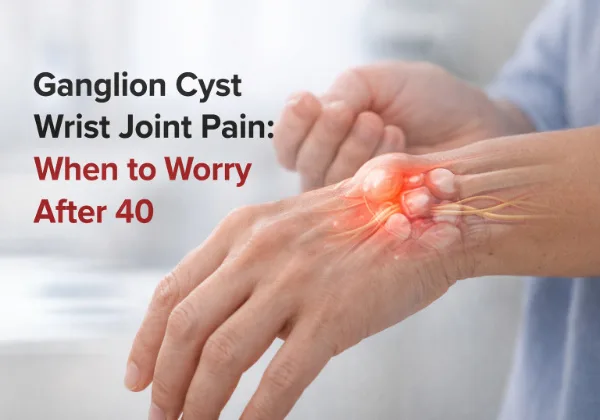
Wrist pain often starts quietly. One day, you feel a slight discomfort while typing or lifting something light. Then you notice a small lump near your wrist. This combination can point to ganglion cyst wrist joint pain, a common condition that affects many people after the age of 40.
While the condition is usually harmless, it can raise concerns when pain increases or movement becomes difficult. Understanding what is happening inside your wrist helps you make smarter decisions about treatment and care.
Table of Contents
What Is a Ganglion Cyst?
A ganglion cyst is a fluid-filled lump that develops near joints or tendons. The wrist remains the most common location for this type of cyst.
Inside the cyst, a thick gel-like fluid builds up. This fluid resembles the natural lubricating fluid found in joints. These cysts can vary in size and may grow larger with activity or shrink during rest.
Most ganglion cysts appear on the top of the wrist, although they can also develop on the palm side. In many cases, they form without a clear cause.
The key fact is simple. These cysts are non-cancerous. However, they can still lead to discomfort, especially when they interfere with joint movement or press on nearby nerves.
Why This Condition Becomes More Common After 40
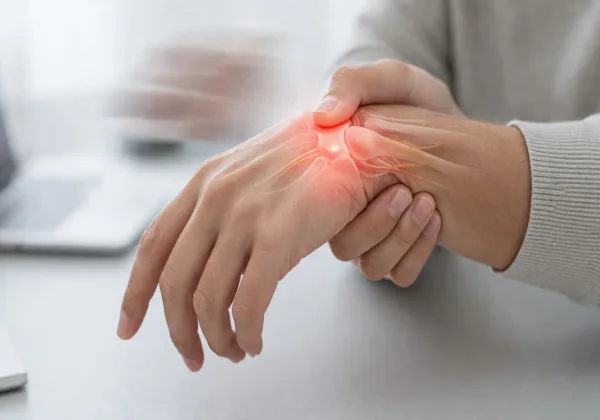
As the body ages, joints go through gradual wear and tear. The tissues that support joints lose some of their flexibility and strength. This change makes it easier for fluid to collect and form cysts.
People over 40 often experience mild joint degeneration. Even small repetitive movements over time can contribute to this process. Daily activities such as typing, lifting, or gripping tools place repeated stress on the wrist joint.
Medical research shows that joint stress and early signs of arthritis increase the likelihood of developing a ganglion cyst. These factors explain why the condition becomes more noticeable with age.
Common Symptoms You Should Not Ignore
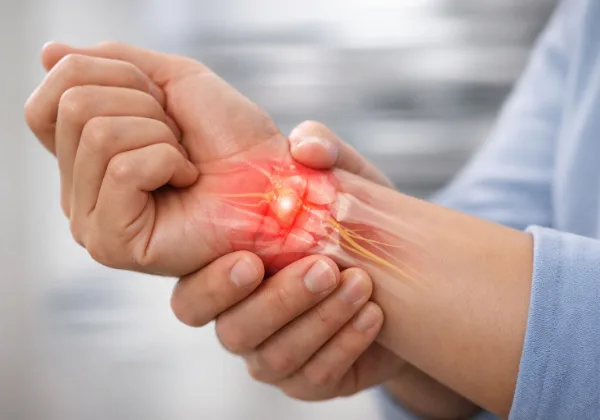
Not every cyst causes pain. Some people only notice a visible lump. However, symptoms can develop when the cyst affects surrounding structures.
A visible lump usually appears first. It may feel soft or firm and can change in size over time.
Pain often follows, especially during movement. Wrist joint pain may worsen when you bend or extend your hand. In some cases, the pain feels dull and constant. In others, it appears only during specific activities.
If the cyst presses on a nerve, you may feel tingling or numbness in your fingers. This sensation can spread and become more noticeable during repetitive tasks.
Weakness in grip is another sign. Everyday actions such as holding a cup or opening a jar may feel harder than usual.
Some people also experience stiffness. The wrist may feel tight, and movement can become limited.
These symptoms may come and go, which makes the condition confusing. A cyst may shrink temporarily, then return again later.
What Causes Wrist Pain in This Condition?
Doctors do not always identify a single cause, but several factors play a strong role.
Repeated stress on the joint can irritate the tissues around it. Over time, this irritation may lead to fluid leakage and cyst formation.
Arthritis is another contributing factor. People with early joint degeneration often develop cysts near affected areas.
Previous injuries can also increase risk. Even a minor injury may trigger changes in joint structure that lead to cyst development.
Repetitive hand movements remain one of the most common causes. Activities that involve constant wrist motion place ongoing pressure on the joint.
When Should You Take It Seriously?
Most cases do not require urgent care. However, certain signs indicate that medical attention is necessary.
Rapid growth of the cyst is one warning sign. If the lump increases in size quickly, it should be evaluated.
Persistent or severe pain also needs attention. Pain that does not improve with rest may indicate deeper joint involvement.
Numbness or tingling suggests nerve compression. This symptom should not be ignored, especially if it affects daily activities.
Difficulty moving the wrist is another concern. Limited mobility can interfere with normal function and may worsen over time.
Changes in the appearance of the cyst, such as redness or unusual shape, also require evaluation.
Ignoring these signs can lead to ongoing discomfort and reduced wrist function.
How Doctors Diagnose the Condition

Diagnosis usually begins with a physical examination. A doctor checks the size, location, and texture of the lump.
One common method involves shining a light through the cyst. Since the cyst contains fluid, light passes through it easily. This helps confirm the diagnosis.
If needed, imaging tests such as ultrasound or MRI provide a clearer view. These tests help rule out other conditions, including tumors or advanced arthritis.
In most cases, diagnosis remains straightforward and does not require complex procedures.
Treatment Options That Actually Work
Treatment depends on the severity of symptoms. Many cases do not require immediate intervention.
Observation often works well. If the cyst does not cause pain, doctors may recommend leaving it alone. Some cysts disappear without treatment.
Wrist support can help reduce discomfort. A brace or splint limits movement and decreases pressure on the joint.
Aspiration is another option. A doctor drains the fluid using a needle. This method provides quick relief, but the cyst may return.
Physical therapy helps improve flexibility and strength. Targeted exercises support the joint and reduce stiffness.
Surgery becomes necessary in more serious cases. Doctors remove the cyst along with part of the joint lining. This approach reduces recurrence but does not eliminate the risk completely.
Can You Manage It at Home?
Home care can help manage mild symptoms effectively.
Resting the wrist reduces strain and allows the joint to recover. Avoiding repetitive movements plays a key role in reducing irritation.
Applying a warm compress may help ease discomfort. Some people find this method soothing, especially after activity.
Ergonomic adjustments also make a difference. Using proper wrist positioning during work can prevent further strain.
It is important to avoid outdated methods. Striking the cyst with a heavy object can cause injury and worsen the condition. This approach is unsafe and not recommended by medical professionals.
Prevention Tips That Make a Difference
While prevention is not always possible, certain habits reduce risk.
Maintaining proper posture during daily tasks helps protect the wrist. Small adjustments in hand positioning can reduce long-term stress.
Taking regular breaks is essential. Continuous activity without rest increases strain on joints.
Strengthening exercises support the muscles around the wrist. Strong muscles help stabilize the joint and reduce pressure.
Managing early signs of arthritis also lowers the risk. Addressing joint issues early prevents further complications.
Living With Wrist Pain After 40
Many people live comfortably with this condition. The key lies in understanding symptoms and responding early.
Mild cases often improve with simple lifestyle changes. Paying attention to how your wrist feels during daily activities helps prevent worsening symptoms.
When pain increases or movement becomes limited, seeking medical advice ensures proper care.
This balanced approach allows you to stay active while protecting your joint health.
Frequently Asked Questions
What causes ganglion cyst wrist joint pain?
Ganglion cyst wrist joint pain usually develops when fluid builds up around a joint or tendon in the wrist. This often happens due to repetitive strain, minor injuries, or early joint wear. The pain occurs when the cyst presses on nearby nerves or restricts movement in the wrist.
Is ganglion cyst wrist joint pain dangerous after 40?
In most cases, ganglion cyst wrist joint pain is not dangerous, even after 40. However, you should pay attention if the cyst grows quickly, causes severe pain, or leads to numbness. These signs may indicate nerve compression or joint issues that need medical evaluation.
Can ganglion cyst wrist joint pain go away on its own?
Yes, ganglion cyst wrist joint pain can sometimes go away without treatment. Many cysts shrink or disappear over time, especially if you reduce wrist strain. However, if pain continues or the cyst returns frequently, you may need medical treatment.
How do you treat ganglion cyst wrist joint pain at home?
You can manage mild ganglion cyst wrist joint pain at home by resting your wrist, using a brace, and avoiding repetitive movements. Applying warm compresses may also help reduce discomfort. Avoid hitting or pressing the cyst, as this can worsen the condition.
When should I see a doctor for ganglion cyst wrist joint pain?
You should see a doctor if ganglion cyst wrist joint pain becomes severe, limits movement, or causes tingling or numbness. Medical advice is also important if the cyst grows rapidly or keeps coming back after treatment.
Final Thoughts
Ganglion cyst wrist joint pain can feel concerning, but it rarely signals a serious problem. Most cases remain manageable with simple care and awareness.
The important step is knowing when to act. If symptoms stay mild, observation may be enough. If pain or changes appear, timely treatment prevents complications.
Listening to your body remains the most effective strategy. Early attention leads to better outcomes and keeps your wrist functioning smoothly.
For a complete hand health approach after 40, combining wrist care with techniques from Trigger Finger Treatment Without Surgery: 7 Proven Ways That Work Fast can speed up recovery and prevent future issues.
Sources
American Academy of Orthopaedic Surgeons (AAOS)
Author Bio
Jennifer Collins is a wellness researcher and natural health writer focused on adults over 40. With 3+ years of experience in digital health content, Jennifer specializes in making science-backed nutrition and lifestyle strategies easy to follow and apply.
Health Disclaimer
This content is for informational purposes only and is not intended to diagnose, treat, or cure any disease. Always consult your healthcare provider before making changes to your diet or health routine. This article may include affiliate links, which come at no extra cost to you.