

Aging brings wisdom, experience, and sometimes a few unwanted surprises. One of those surprises for many people is gout and joint pain after 50. If you have ever woken up with sudden toe pain that feels like it came out of nowhere, you are not alone. Gout becomes more common and often more severe as people cross the age of 50. The good news is that you can understand why this happens and take clear, proven steps to prevent painful attacks.
This guide explains the real science behind gout, why it tends to worsen with age, and how you can manage it with smart, evidence-based strategies. You will find practical advice that fits into everyday life without unnecessary complications.
If you often confuse gout with other inflammatory conditions, this detailed guide on Psoriatic Arthritis Joint Pain: Symptoms, Causes & Natural Relief Guide can help you understand the key differences and avoid misdiagnosis.
What Is Gout and Why It Matters After 50
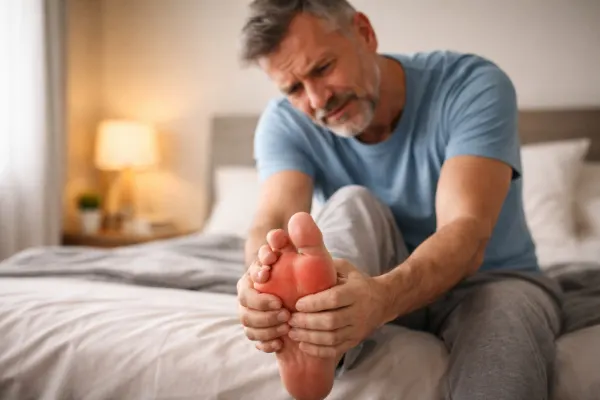
Gout is a form of inflammatory arthritis caused by excess uric acid in the blood. When uric acid builds up, it forms sharp crystals in the joints. These crystals trigger intense pain, swelling, and redness, often in the big toe but also in ankles, knees, and fingers.
Gout and joint pain after 50 becomes more noticeable because the body processes uric acid less efficiently over time. The kidneys, which remove uric acid, may not work as effectively as they once did. This leads to higher uric acid levels and more frequent flare-ups.
Many people think gout only comes from eating rich food. That idea is outdated. Diet plays a role, but genetics, kidney function, medications, and overall health all influence gout risk.
Why Gout Gets Worse After 50
Several biological and lifestyle factors make gout more aggressive after midlife. Understanding these reasons helps you take control.
Reduced Kidney Function
Kidney function naturally declines with age. Even a small reduction can slow uric acid removal. As uric acid accumulates, crystal formation increases. This raises the frequency and intensity of gout attacks.
Hormonal Changes
Hormones play a protective role, especially in women. Estrogen helps remove uric acid. After menopause, estrogen levels drop, and gout risk rises sharply. This explains why gout and joint pain after 50 becomes more common in women during this stage.
Increased Use of Medications
Many adults over 50 take medications for blood pressure, heart disease, or diabetes. Some of these drugs, such as diuretics, can increase uric acid levels. This side effect often goes unnoticed but contributes to gout flare-ups.
Weight Gain and Metabolic Changes
Metabolism slows with age. Weight gain becomes easier, and insulin resistance may develop. These changes increase uric acid production and reduce its excretion. Obesity remains one of the strongest risk factors for gout.
Long-Term Lifestyle Habits
Years of dietary patterns, alcohol consumption, and sedentary habits can build up effects over time. Even if symptoms appear suddenly, the underlying causes often develop gradually.
Common Symptoms You Should Not Ignore
Gout attacks often start suddenly, usually at night. The pain can feel sharp, burning, or throbbing. Many people describe it as one of the most intense types of joint pain.
Typical symptoms include severe joint pain, swelling and redness, warmth in the affected area, limited joint movement, and lingering discomfort after the main pain subsides.
Gout and joint pain after 50 may also affect multiple joints over time if not managed properly. Chronic gout can lead to joint damage and the formation of lumps called tophi.
The Science Behind Uric Acid Buildup
Uric acid forms when the body breaks down purines. Purines are natural substances found in your body and certain foods. Normally, uric acid dissolves in the blood and leaves through urine.
Problems begin when the body produces too much uric acid or fails to remove enough. This imbalance leads to crystal formation. Over time, these crystals accumulate in joints and trigger inflammation.
Foods high in purines include red meat, organ meats, certain seafood, and alcohol, especially beer. However, not everyone who eats these foods develops gout. Genetic factors and overall health play a major role.
Proven Ways to Prevent Gout Attacks After 50
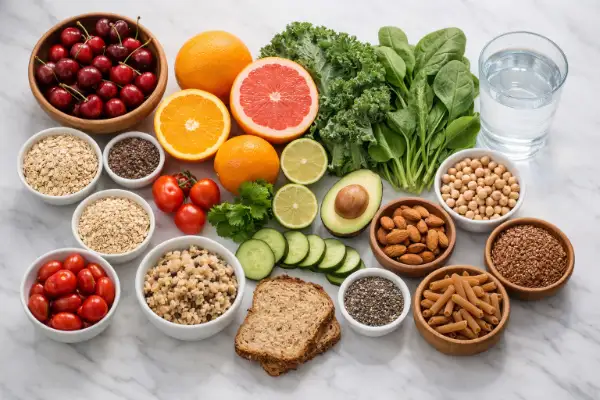
Preventing gout and joint pain after 50 requires a combination of lifestyle changes and medical guidance. Small, consistent steps often bring the best results.
Stay Hydrated Every Day
Water helps the kidneys flush out uric acid. Aim for steady hydration throughout the day. Even mild dehydration can increase uric acid concentration and trigger an attack.
Maintain a Healthy Weight
Weight loss reduces uric acid levels and lowers inflammation. Focus on gradual changes rather than extreme diets. Crash dieting can actually increase uric acid temporarily.
Adjust Your Diet Wisely
You do not need to eliminate all favorite foods, but moderation matters. Reduce intake of red meat, processed foods, and sugary drinks. Add more fruits, vegetables, whole grains, and low-fat dairy.
Cherries and vitamin C-rich foods show evidence of helping lower uric acid levels. These natural options support overall joint health.
Limit Alcohol Intake
Alcohol interferes with uric acid removal. Beer and spirits have a stronger effect than wine. If you notice frequent flare-ups, reducing alcohol can make a significant difference.
Exercise Regularly
Physical activity improves metabolism, supports weight control, and reduces inflammation. Aim for consistent, moderate exercise like walking, swimming, or cycling.
Review Your Medications
Talk to your doctor about medications that may increase uric acid levels. Never stop medication without guidance, but discuss safer alternatives if needed.
Monitor Uric Acid Levels
Regular blood tests help track uric acid levels. Keeping levels below target reduces the risk of crystal formation and future attacks.
Medical Treatments That Work
Lifestyle changes form the foundation, but some people need medication to control gout effectively.
Doctors often prescribe urate-lowering therapies such as allopurinol or febuxostat. These medications reduce uric acid production. Anti-inflammatory drugs help manage pain during acute attacks.
Early treatment prevents complications. Ignoring gout can lead to joint damage and chronic arthritis.
Natural Remedies That May Help
Some natural approaches support gout management, but they should complement medical advice rather than replace it.
Cherry extract has shown potential in reducing flare-ups. Coffee consumption, in moderate amounts, may also lower gout risk. Vitamin C supplements can help reduce uric acid levels slightly.
Always consult a healthcare provider before starting supplements, especially if you take other medications.
The Link Between Gout and Other Health Conditions
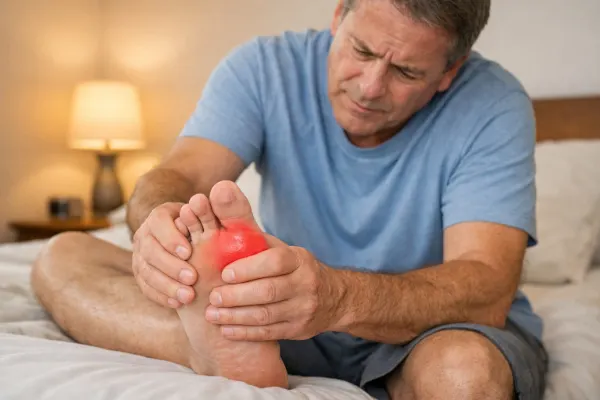
Gout rarely exists in isolation. It often connects with other conditions such as high blood pressure, diabetes, kidney disease, and heart disease.
Managing gout and joint pain after 50 can improve overall health. Addressing underlying conditions reduces both gout risk and long-term complications.
Daily Habits That Make a Big Difference
Consistency matters more than perfection. Simple daily habits create lasting results.
Drink water regularly, choose balanced meals, stay active, and get enough sleep. Avoid long periods of inactivity. Even small movements throughout the day help maintain joint health.
Pay attention to early warning signs. Mild discomfort can signal rising uric acid levels. Acting early prevents severe attacks.
When to See a Doctor
You should seek medical advice if you experience sudden joint pain, repeated flare-ups, or symptoms that do not improve with basic care.
Early diagnosis allows for better management. Delaying treatment increases the risk of joint damage and chronic pain.
A Realistic Approach to Living With Gout After 50
Living with gout does not mean giving up everything you enjoy. It means making smarter choices and understanding your body.
You can still enjoy good food, social events, and an active lifestyle. The key lies in balance and awareness. Many people manage gout successfully and live pain-free for long periods.
Think of gout management as a long-term investment in your health. The effort you put in today reduces pain and improves quality of life tomorrow.
Frequently Asked Questions
What causes gout and joint pain after 50 to worsen?
Gout and joint pain after 50 worsen mainly due to reduced kidney function, hormonal changes, and increased uric acid levels. Aging also slows metabolism and increases the impact of lifestyle factors, making flare-ups more frequent.
Can gout and joint pain after 50 be reversed naturally?
You cannot fully reverse gout, but you can control gout and joint pain after 50 with proper diet, hydration, weight management, and medical treatment. Many people stay symptom-free with consistent habits.
What foods should I avoid for gout and joint pain after 50?
Limit red meat, organ meats, sugary drinks, and alcohol. These increase uric acid levels and trigger gout and joint pain after 50. Focus on fruits, vegetables, and whole foods instead.
How much water should I drink to prevent gout after 50?
Most adults should aim for 8 to 12 cups of water daily. Proper hydration helps flush uric acid and reduces the risk of gout and joint pain after 50.
Is walking good for gout and joint pain after 50?
Yes, walking is a safe and effective exercise. It improves circulation, supports weight control, and helps reduce inflammation linked to gout and joint pain after 50.
Conclusion
Gout and joint pain after 50 can feel overwhelming, but it does not have to control your life. Understanding why gout worsens with age gives you the power to prevent it.
Focus on hydration, balanced nutrition, regular activity, and proper medical care. These steps work together to reduce uric acid levels and prevent painful flare-ups.
The earlier you act, the better your results will be. Your joints will thank you, and you will enjoy a more comfortable and active life well beyond 50.
Sources
American College of Rheumatology Guidelines
National Institute of Arthritis and Musculoskeletal and Skin Diseases
Centers for Disease Control and Prevention Gout Information
Harvard Health Publishing Gout Diet and Prevention
Author Bio
Jennifer Collins is a wellness researcher and natural health writer focused on adults over 40. With 3+ years of experience in digital health content, Jennifer specializes in making science-backed nutrition and lifestyle strategies easy to follow and apply.
Health Disclaimer
This content is for informational purposes only and is not intended to diagnose, treat, or cure any disease. Always consult your healthcare provider before making changes to your diet or health routine. This article may include affiliate links, which come at no extra cost to you.