
Most people experience some form of body discomfort at some point in life. A sore knee after climbing stairs, stiffness in the fingers in the morning, or an aching shoulder after lifting groceries often feels harmless. Because these symptoms appear mild, many people delay paying attention to possible joint pain causes until the discomfort becomes severe.
Medical research shows that joint symptoms frequently develop slowly over time. According to the National Institute of Arthritis and Musculoskeletal and Skin Diseases, early joint discomfort often begins with subtle inflammation or cartilage changes that people overlook for years. These early symptoms of joint inflammation may include stiffness, warmth, or slight tenderness around affected areas.
This delay matters more than most people realise. The body usually sends several warnings before serious joint damage develops. Recognising the early symptoms of joint problems and understanding why you should not ignore joint pain can prevent long term disability, reduce musculoskeletal pain, and help people maintain healthy physical mobility.
In this article, we explore the science behind why people dismiss joint discomfort, the risks involved, and the practical steps that help identify problems early. We will also discuss when to consult a doctor for joint pain, especially when symptoms persist or worsen.
Why people tend to ignore joint discomfo
Human behaviour plays a major role in how people respond to pain. Mild physical symptoms rarely trigger immediate concern, especially when they do not disrupt daily activities.
Pain often begins gradually
Joint conditions rarely appear suddenly. Many develop slowly over months or even years. Early symptoms may include mild joint stiffness, occasional joint swelling, or discomfort after physical activity. Because these sensations appear irregularly, people assume they are temporary.
Gradual progression makes it harder to connect symptoms to underlying joint pain causes such as cartilage wear, tendon inflammation, or other structural changes in joint tissues.
Busy lifestyles delay health attention
Modern schedules encourage people to prioritise work, family, and responsibilities over health. Minor physical discomfort easily becomes something to ignore.
Instead of addressing the early signs of joint problems, individuals often rely on temporary solutions such as rest, stretching, or over the counter pain relief. While these may reduce discomfort temporarily, they do not address the underlying causes of joint discomfort, which may continue to develop silently.
Pain tolerance varies between individuals
Everyone experiences pain differently. Some people tolerate discomfort longer before seeking medical advice. This tolerance can delay treatment even when symptoms indicate developing joint damage.
The Centers for Disease Control and Prevention reports that millions of adults live with untreated musculoskeletal disorders because they assume discomfort is a normal part of ageing.
Early warning signals many people miss
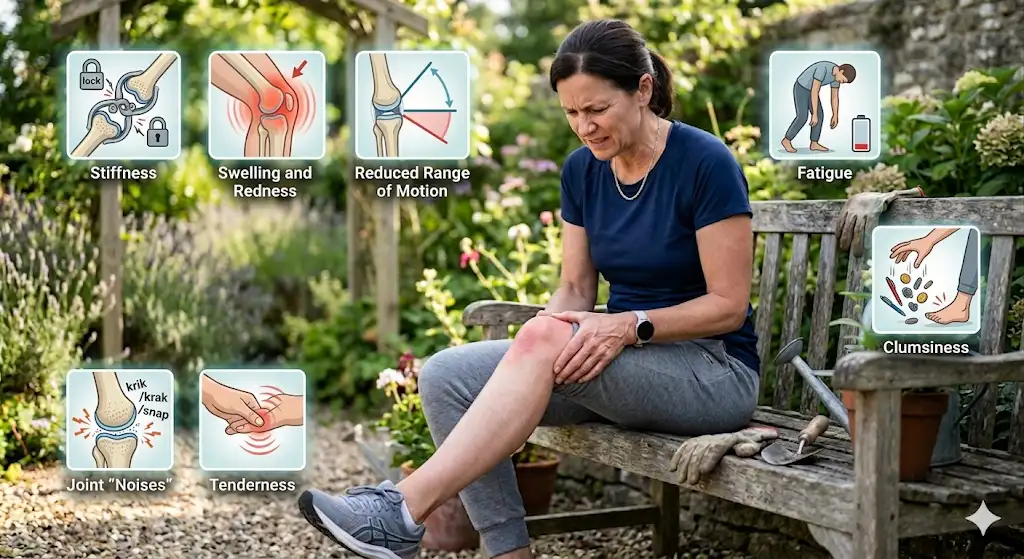
The body rarely develops joint disease without warning. Several subtle symptoms appear long before severe pain develops. Recognising the initial signs of joint issues can make a major difference in prevention and treatment outcomes.
Morning stiffness
Morning stiffness lasting more than thirty minutes may indicate joint inflammation within the affected areas. This symptom often appears in conditions such as inflammatory arthritis and other inflammatory disorders.
Many individuals dismiss this stiffness as poor sleep posture or fatigue, even though it represents one of the most common early warning signs of joint conditions.
Mild swelling around joints
Inflammation often causes subtle swelling around the affected joint. People may notice rings fitting tighter or a slight puffiness around the knees or ankles.
This symptom suggests fluid accumulation or irritation in surrounding tissues and may signal early cartilage damage or inflammation inside the joint.
Reduced flexibility
Difficulty bending fingers, rotating shoulders, or fully straightening knees may signal early joint degeneration. Flexibility changes often appear gradually, which makes them easy to overlook.
Clicking or grinding sensations
A cracking or grinding sound during movement may indicate degenerative joint disease or surface irregularities inside the joint. While occasional clicking is harmless, persistent grinding should not be ignored.
Recognising these early signs of joint problems helps people seek evaluation before chronic joint disease develops.
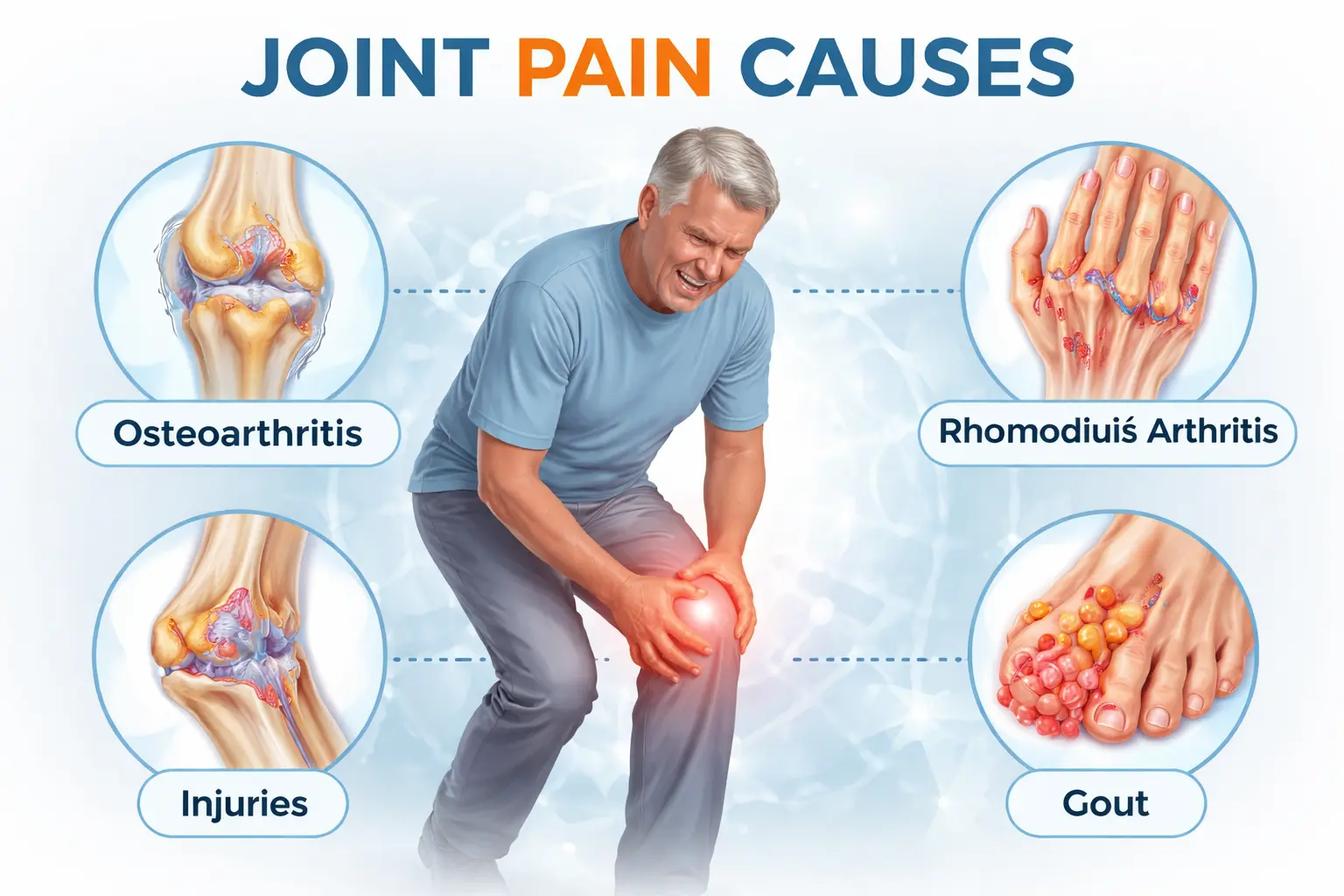
Common medical conditions behind joint pain causes
Understanding the possible joint pain reasons helps people recognise why symptoms require attention. Several medical conditions commonly lead to joint discomfort.
Osteoarthritis
Osteoarthritis occurs when cartilage gradually wears down, reducing cushioning between bones. This degeneration leads to pain, swelling, and stiffness.
According to the World Health Organization, osteoarthritis affects hundreds of millions of people globally and remains one of the leading causes of disability among older adults.
Rheumatoid arthritis
Rheumatoid arthritis is one of the most common autoimmune joint disorders. In this condition, the immune system attacks joint tissues, causing inflammation and gradual structural damage.
Early diagnosis significantly improves treatment outcomes.
Tendon and ligament injuries
Repetitive movements or excessive strain may lead to ligament strain and surrounding tissue irritation. This condition often develops in athletes or people with physically demanding jobs.
Gout
Gout occurs when uric acid crystals accumulate inside joints, leading to sudden swelling and severe pain. The big toe commonly becomes affected first.
Recognising these causes of joint pain helps people understand reasons not to ignore joint pain, especially when symptoms appear repeatedly.
Why joint pain should not be ignored
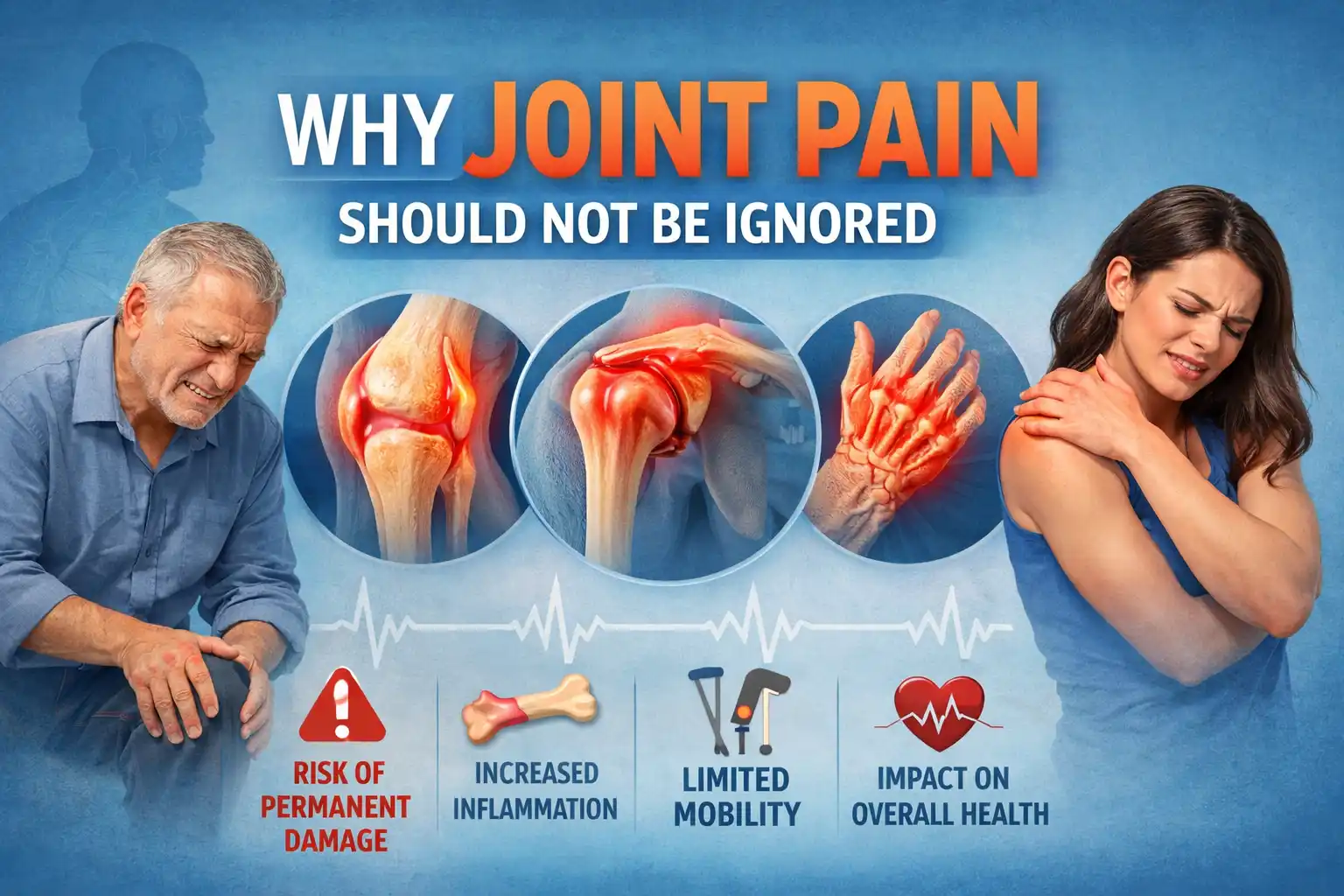
Ignoring joint symptoms may allow minor inflammation to progress into irreversible joint damage.
Progressive cartilage damage
Cartilage does not regenerate easily. Once deterioration begins, protective cushioning between bones gradually disappears. This process may lead to persistent discomfort and chronic joint pain.
Recognising why paying attention to joint pain matters helps prevent serious joint complications.
Reduced mobility and independence
Untreated joint disorders may cause stiffness, reduced range of motion, and ongoing mobility problems. Everyday activities such as walking, gripping objects, or climbing stairs become difficult.
Over time, this limitation may affect independence and overall quality of life.
Increased risk of chronic conditions
Persistent inflammation in joints can contribute to broader health issues. Research published by the National Institutes of Health suggests that long term inflammatory conditions may influence cardiovascular health.
Understanding why joint pain should not be ignored encourages early medical evaluation and lifestyle adjustments that protect overall bone health and joint function.
When to see a doctor for joint pain
Many people hesitate to seek medical advice because they expect symptoms to disappear on their own. However, certain warning signs require professional evaluation.
Persistent pain lasting more than a few weeks
Pain that does not improve with rest or mild activity changes should prompt medical consultation. Long lasting symptoms often indicate underlying structural or inflammatory conditions.
Knowing when to seek medical help for joint pain helps prevent long term complications.
Visible swelling or redness
Inflammation causing redness or warmth around joints may indicate infection or autoimmune disease. These symptoms require prompt medical attention.
Difficulty performing everyday activities
If joint discomfort interferes with walking, lifting objects, or gripping tools, medical assessment becomes essential.
Recognising when to see a doctor for joint pain allows physicians to identify conditions early and recommend effective treatment.
Psychological reasons people delay treatment
Physical symptoms alone do not explain why people ignore joint problems. Psychological factors also play a significant role.
Fear of diagnosis
Some individuals avoid medical consultation because they worry about receiving a serious diagnosis. Fear often delays action even when symptoms worsen.
Normalising discomfort with age
Many adults assume joint discomfort represents a natural part of ageing. While age related changes occur, persistent symptoms often indicate treatable conditions.
Understanding why joint pain deserves medical attention helps challenge this misconception.
Reliance on temporary relief
Pain relief medications, heating pads, and rest may temporarily reduce discomfort. However, these methods do not address underlying causes.
Because symptoms improve briefly, people often postpone seeking professional advice even when the first signs of joint trouble.
Lifestyle factors that contribute to joint health
While some joint disorders develop due to genetics or autoimmune conditions, lifestyle factors strongly influence joint function and connective tissue health.
Maintaining a healthy body weight
Excess body weight increases pressure on joints, particularly the knees and hips. According to the Centers for Disease Control and Prevention, maintaining a healthy weight significantly reduces stress on weight bearing joints.
Regular physical activity
Moderate exercise strengthens muscles around joints and improves stability. Activities such as walking, swimming, and cycling help maintain mobility.
Balanced nutrition
Diet rich in calcium, vitamin D, omega three fatty acids, and antioxidants supports bone strength and joint tissues.
Preventing repetitive strain
Repetitive movements without adequate rest can irritate tendons and ligaments. Adjusting work posture and taking breaks helps protect joint tissues.
Recognising lifestyle related factors causing joint pain helps people prevent long term damage.
How early treatment improves outcomes
Early intervention often slows disease progression and reduces long term complications.
Doctors may recommend several treatment options depending on the condition. These include physical therapy, anti inflammatory medication, lifestyle adjustments, and in some cases medical procedures.
Also Read: MSM Supplement for Joints Review (2026): Proven Results for Joint Pain Relief
Early diagnosis allows treatment before irreversible cartilage deterioration occurs.
Understanding when medical attention is needed for joint pain ensures that treatment begins before joint degeneration progresses.
Conclusion
Joint discomfort rarely appears without a reason. The body sends several signals before severe damage develops. Unfortunately, many people overlook these warnings because symptoms feel mild or temporary.
Understanding the possible joint pain causes helps people recognise when discomfort requires attention. Learning to identify the early symptoms of joint disorders, understanding why joint pain requires early attention, and knowing when joint pain requires a doctor’s visit can prevent long term complications.
Protecting joint health requires awareness, timely action, and lifestyle habits that support mobility. Paying attention to the body’s signals today can prevent serious joint problems in the future.
Sources
National Institute of Arthritis and Musculoskeletal and Skin Diseases
Centers for Disease Control and Prevention
World Health Organization
National Institutes of Health
FAQs
What subtle symptoms often appear before serious joint conditions develop?
Many joint conditions begin with subtle symptoms such as stiffness after waking up, mild swelling around joints, or reduced flexibility during movement. These early changes often appear occasionally rather than every day. Because the discomfort fades quickly, people ignore it. However, these signs can indicate underlying inflammation or early symptoms of joint inflammation affecting cartilage and surrounding tissues. Recognising these early signs of joint problems helps prevent long term joint damage and allows doctors to identify potential disorders before they progress.
How can lifestyle habits influence joint health over time?
Daily habits play a major role in protecting joint tissues. Maintaining a balanced body weight reduces pressure on weight bearing joints such as knees and hips. Regular physical activity strengthens surrounding muscles and improves stability. Nutrient rich foods support cartilage and bone structure. Avoiding repetitive strain and maintaining good posture also help prevent ligament and tendon injuries. Healthy lifestyle choices often reduce inflammation and support long term joint mobility, which is one reason why joint pain should not be ignored even when the symptoms appear mild.
Why do people mistake inflammation symptoms for normal fatigue?
Many people experience occasional soreness after physical activity, which leads them to assume all joint discomfort is temporary fatigue. However, inflammation related symptoms often appear differently. They may involve persistent stiffness, swelling, or warmth around the joint. These symptoms can return frequently or worsen gradually. Because the discomfort appears mild at first, individuals misinterpret it as normal tiredness rather than a developing musculoskeletal issue.
What role does cartilage play in joint mobility?
Cartilage acts as a protective cushion between bones. It allows joints to move smoothly and absorb pressure during movement. When cartilage begins to wear down due to ageing, injury, or inflammation, bones may start rubbing against each other. This process causes stiffness, reduced flexibility, and discomfort. Protecting cartilage through healthy activity levels and early treatment helps maintain long term joint mobility and prevents degenerative joint disease.
Can mild stiffness indicate inflammatory joint disorders?
Yes, mild stiffness can sometimes indicate early inflammatory conditions. Disorders such as rheumatoid arthritis may begin with stiffness that appears after rest or in the morning. This stiffness may last longer than typical muscle soreness and can affect multiple joints. Monitoring how long stiffness lasts and whether it occurs regularly can help doctors identify potential autoimmune joint disorders at an early stage.
How does ageing affect connective tissues around joints?
As people age, connective tissues such as ligaments and tendons gradually lose elasticity. This change reduces flexibility and increases vulnerability to strain injuries. Cartilage also becomes thinner over time, which may lead to joint stiffness or discomfort. However, regular exercise, balanced nutrition, and early treatment of joint symptoms help slow these age related changes and support long term mobility.
What daily activities help protect joints from long term damage?
Simple habits help maintain joint health over time. Stretching regularly improves flexibility and supports muscle balance. Strength training stabilises joints and reduces strain on ligaments. Maintaining proper posture during sitting and lifting prevents unnecessary stress on joints. Staying physically active also improves circulation and helps deliver nutrients to joint tissues, supporting cartilage health and preventing stiffness. If discomfort continues despite these habits, it may be time to consider when to see a doctor for joint pain to prevent further joint damage.