

Joint pain has become a common complaint across all age groups, not just older adults. With increasing awareness around preventive health, many people turn to supplements hoping for relief. But the big question remains: is joint supplements effectiveness backed by science, or is it just smart marketing?
The supplement market is filled with promises of smoother movement, reduced stiffness, and long term joint support. However, understanding whether these claims are valid requires looking closely at clinical research, biological mechanisms, and real world outcomes. This article breaks down the evidence in a clear and practical way so you can make informed decisions, especially if you are wondering are joint supplements worth it for knee pain.
Understanding joint health and why it declines
Healthy joints rely on cartilage, synovial fluid, ligaments, and surrounding muscles. Cartilage acts as a cushion, allowing bones to move smoothly without friction. Over time, factors such as ageing, repetitive stress, injury, and inflammation can degrade cartilage, affecting overall bone and joint health.
Conditions like osteoarthritis occur when cartilage breaks down faster than the body can repair it. This leads to stiffness, pain, and reduced mobility. Inflammation also plays a major role by accelerating tissue damage and reducing joint mobility.
Many supplements aim to support cartilage repair, reduce inflammation, or improve joint lubrication. This is where the debate begins around do joint supplements work and whether they truly influence these biological processes and support healthy aging joints.
What are joint supplements made of
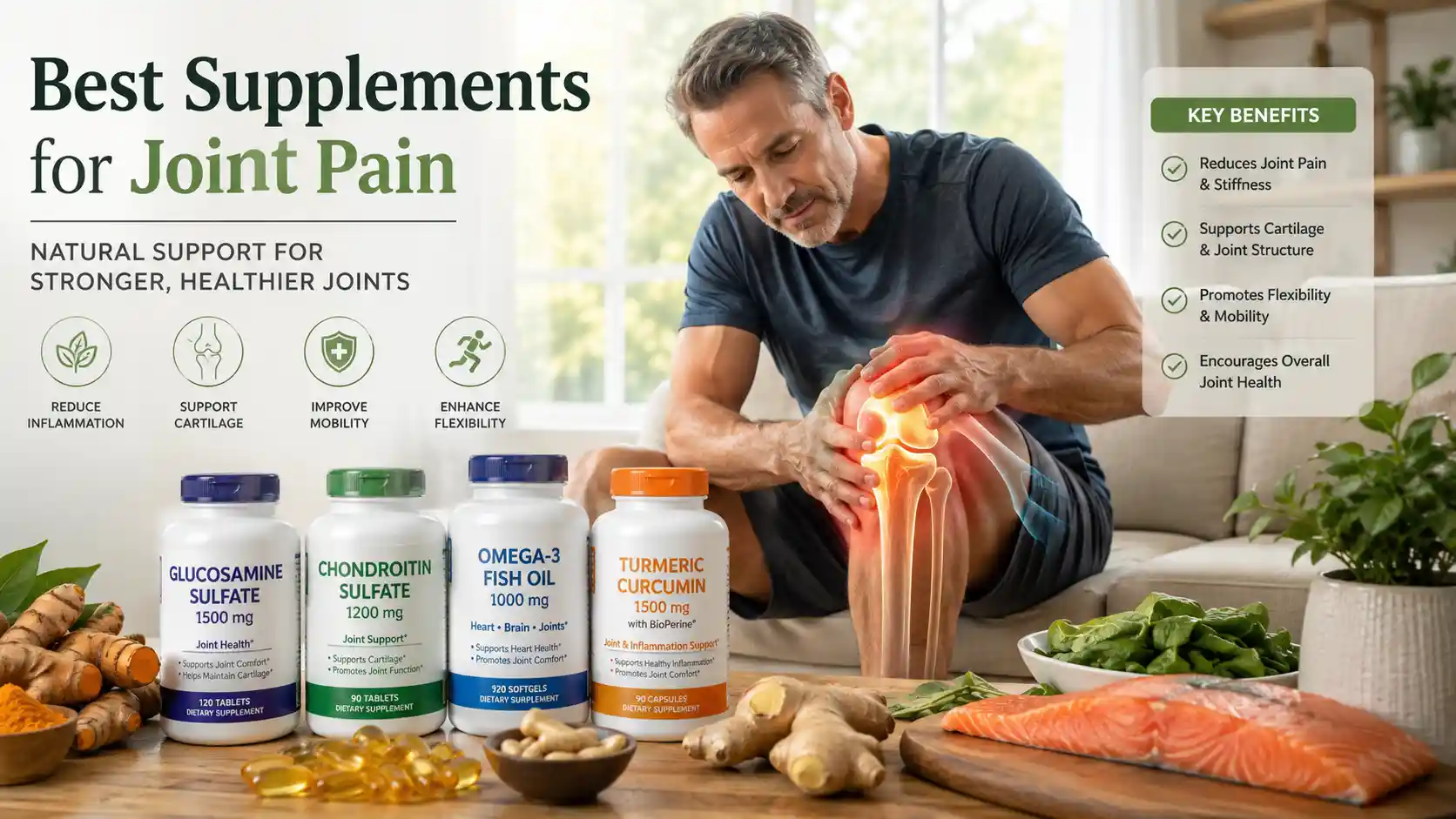
Most joint supplements contain a mix of ingredients that target different aspects of joint health. The most common ones include:
Glucosamine
A natural compound found in cartilage, often used to support connective tissue health.
Chondroitin
Helps retain water in cartilage, improving elasticity and shock absorption.
Collagen
Supports structural strength and contributes to joint function improvement.
Omega 3 fatty acids
Known for inflammation reduction and overall joint pain relief.
Turmeric or curcumin
Widely used among anti inflammatory supplements to ease discomfort.
Among these, glucosamine chondroitin benefits are the most widely studied, making them central to discussions about joint supplements effectiveness.
What science says about joint supplements effectiveness
Research on joint supplements shows mixed results. Some studies report modest benefits, while others show little to no difference compared to placebo.
A major clinical trial published by the National Institutes of Health found that glucosamine and chondroitin did not significantly reduce pain in the overall osteoarthritis population. However, a subgroup with moderate to severe pain experienced noticeable improvement.
Similarly, research reviewed by Harvard Medical School suggests that while some individuals benefit, results vary widely due to differences in formulation, dosage, and individual response.
The takeaway is clear: oint supplement efficacy is not universal. It depends on the condition, severity, and the specific supplement used.
Do joint supplements work for everyone
The simple answer is no. While many people report relief, others experience no change at all. This variation comes down to several factors:
Severity of joint damage
Supplements may be more effective in early stages rather than advanced degeneration.
Consistency and duration
Benefits often take several weeks or months to appear.
Individual biology
Metabolism, absorption, and lifestyle habits influence outcomes and nutritional support for joints.
Quality of supplement
Not all products contain clinically effective doses.
This explains why the question do joint supplements help continues to generate debate among both consumers and healthcare professionals.
The real benefits of glucosamine chondroitin
Glucosamine chondroitin benefits have been studied for decades, especially in relation to osteoarthritis. Some consistent findings include:
They may help reduce joint stiffness treatment in certain individuals
They can support cartilage maintenance over time
They may provide mild pain relief in moderate cases
However, they are not a cure. Instead, they function as supportive therapy. Studies from the National Center for Complementary and Integrative Health indicate that these compounds may work better when combined and used long term.
It is important to note that benefits of glucosamine and chondroitin are more noticeable in people with mild to moderate symptoms rather than severe joint damage.
Best supplements for joint pain based on evidence
When choosing the best supplements for joint pain, it is important to focus on ingredients backed by research rather than marketing claims.
Glucosamine sulfate

More effective than other forms in clinical studies.
Chondroitin sulfate
Often paired with glucosamine for better results.
Curcumin
Strong anti inflammatory properties supported by research.
Omega 3 fatty acids
Help reduce joint inflammation and stiffness.
Collagen peptides
May improve joint function and flexibility over time and support mobility improvement.
Experts suggest combining these ingredients with lifestyle changes for better results. While exploring the top supplements for joint pain, always look for products tested for quality and purity.
Why some people think supplements are a scam
Skepticism around supplements is not entirely unfounded. Several issues contribute to this perception:
Lack of strict regulation
Dietary supplements are not regulated as strictly as medications, raising concerns about supplement safety.
Inconsistent formulations
Different brands use varying ingredient quality and dosages.
Overstated marketing claims
Many products promise unrealistic results.
Placebo effect
Some users may feel improvement due to expectation rather than actual benefit.
Because of these factors, the debate around are joint supplements effective often leans toward skepticism, especially among medical professionals.
When supplements may actually help
Despite mixed evidence, there are situations where supplements can be useful:
Early stage joint discomfort
They may slow progression or reduce mild symptoms.
Active individuals
People with repetitive strain may benefit from added support.
Age related stiffness
Supplements can help maintain joint function.
Preventive approach
Some individuals use them as part of a long term joint care routine.
In these cases, effectiveness of joint supplements becomes more noticeable when combined with exercise, weight management, and proper nutrition.
Lifestyle factors that matter more than supplements
Even the most effective supplements for joint pain cannot replace healthy habits. Research consistently shows that lifestyle plays a larger role in joint health.
Regular physical activity
Strengthens muscles and supports joint stability.
Weight management
Reduces pressure on weight bearing joints.
Balanced diet
Provides essential nutrients for tissue repair and overall joint pain relief.
Proper posture and ergonomics
Prevents unnecessary strain on joints.
Many experts recommend focusing on natural ways to support joint health without medication before relying heavily on supplements. When combined with supplements, these factors significantly improve outcomes and help answer the question do joint supplements provide benefits more positively.
Are joint supplements safe
Most joint supplements are generally safe when taken as recommended. However, some considerations include:
Possible interactions with medications
Allergic reactions in sensitive individuals
Digestive discomfort in some cases
Health authorities such as the National Institutes of Health advise consulting a healthcare provider before starting any supplement, especially for individuals with existing conditions.
Safety is another key factor influencing opinions on joint supplement benefits.
Conclusion
So, are joint supplements a scam or effective? The answer lies somewhere in between. Joint supplements effectiveness is supported by some scientific evidence, but results are not guaranteed for everyone.
Also Read: Why Joint Pain Worse at Night? 5 Proven Natural Ways to Stop Night Pain Joints
They are not miracle solutions, but they are not entirely useless either. When used correctly, especially in early stages of joint issues, they can offer modest benefits.
The most practical approach is to view supplements as one part of a broader strategy for osteoarthritis support that includes exercise, diet, and medical guidance. This balanced perspective helps cut through marketing noise and focus on what truly works.
Sources
National Institutes of Health
https://www.nih.gov
Supports sections: What science says about joint supplement impact, Are joint supplements safe
National Center for Complementary and Integrative Health
https://www.nccih.nih.gov
Supports sections: The real benefits of glucosamine chondroitin
Harvard Medical School
https://www.health.harvard.edu
Supports sections: What science says about joint health supplement effectiveness, Why some people think supplements are a scam
FAQs
Do joint supplements work better when combined with exercise?
Yes, combining supplements with regular physical activity improves overall outcomes significantly. Exercise enhances blood circulation, which helps deliver nutrients to joints more effectively. This supports joint mobility and improves how the body responds to supplements over time. Without movement, joints can become stiff, limiting the benefits of supplementation. A balanced routine that includes strength training and flexibility exercises can enhance results and contribute to long term joint function improvement.
What are the best supplements for joint pain in active individuals?
Active individuals often require more targeted support due to repetitive stress on joints. The top-rated joint health supplements in such cases usually include collagen, omega 3 fatty acids, and glucosamine chondroitin health benefits. These ingredients help maintain connective tissue health and assist in recovery after physical strain. They also support inflammation reduction and improve resilience in joints, making them particularly useful for athletes or those with physically demanding routines.
How long does it take to see glucosamine chondroitin benefits?
Advantages of glucosamine chondroitin supplements typically take time to become noticeable. Most clinical observations suggest a period of 8 to 12 weeks for visible improvement. This delay happens because supplements work gradually to support cartilage repair and improve joint structure. Consistency is key, as irregular use may not deliver results. Individual outcomes also vary depending on lifestyle, severity of symptoms, and how well the body absorbs the supplement.
Do joint supplements actually work for knee pain specifically?
Joint supplements may provide relief for knee pain, particularly when the issue is related to mild or moderate joint wear. They help support lubrication and reduce discomfort over time. However, in more severe cases, medical treatment is often necessary alongside supplements. When used correctly, they can contribute to improved mobility improvement and help maintain daily function, especially in individuals experiencing early signs of joint degeneration.
Are natural anti inflammatory supplements effective for joints?
Natural anti inflammatory supplements such as turmeric and omega 3 fatty acids have shown promising results in reducing joint discomfort. These compounds help manage inflammation, which is a key contributor to joint pain. By addressing inflammation at its source, they support overall joint health and comfort. Regular use, combined with a balanced diet, can improve flexibility and reduce stiffness, making daily activities easier to manage.
What factors influence joint supplement absorption?
Several factors affect how well the body absorbs joint supplements. Digestive health plays a major role, as poor digestion can limit nutrient uptake. The quality and formulation of the supplement also matter, as higher quality products are more bioavailable. Taking supplements with meals may improve absorption. Additionally, lifestyle habits such as hydration and overall nutrition influence how effectively the body utilizes these compounds.
Can supplements prevent joint problems in the future?
Supplements alone cannot completely prevent joint problems, but they can contribute to long term maintenance. When combined with a healthy lifestyle, they support joint health and reduce the risk of degeneration. Regular exercise, balanced nutrition, and maintaining a healthy weight are essential components. Supplements act as an added layer of support, helping preserve joint flexibility and function over time.
Author Bio
Jennifer Collins is a wellness researcher and natural health writer focused on adults over 40. With 3+ years of experience in digital health content, Jennifer specializes in making science-backed nutrition and lifestyle strategies easy to follow and apply.
Health Disclaimer
This content is for informational purposes only and is not intended to diagnose, treat, or cure any disease. Always consult your healthcare provider before making changes to your diet or health