
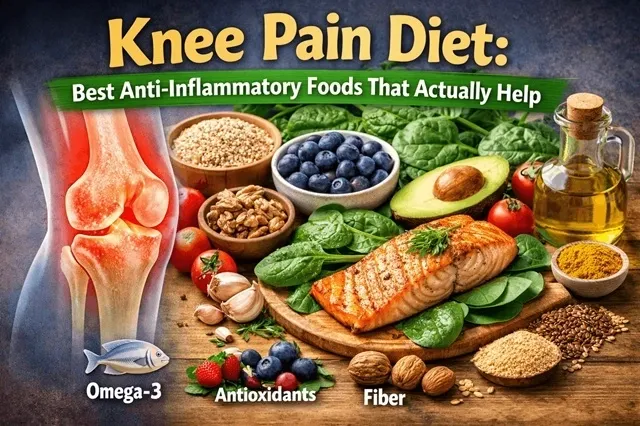

Dr. Preet Pal SB, MD
Physician specializing in diabetes, metabolic health, and joint care management. Read More About Dr. Preet Pal’s Medical Credentials & Editorial Integrity Here
Table of Contents
If stiff joints make morning steps feel like grinding gears, adopting a targeted knee pain diet anti inflammatory foods protocol is one of the most effective non-surgical ways to rebuild joint comfort.
When systemic inflammation flares, your joint capsule becomes congested with inflammatory proteins that break down cartilage and dry out protective joint lubricant. Switching to specific whole foods acts like flush fluid for your vascular system, lowering systemic inflammatory signaling and protecting remaining joint structures.
Consolidate dietary habits around a structured Mediterranean-style eating framework. Maintain high fiber intake (30g+ daily) to nourish anti-inflammatory gut microbes, stabilizing long-term joint function and overall mobility.
Phase 1 Immediate Inflammatory Reset (Days 1–7)
Eliminate ultra-processed seed oils, refined sugars, and high-sodium foods. Introduce wild-caught fatty fish (salmon, sardines) twice weekly, cold-pressed extra virgin olive oil daily, and 2–3 cups of dark leafy greens to rapidly lower circulating C-reactive protein (CRP).
Phase 2 Synovial & Tissue Nourishment (Days 8–20)
Incorporate anthocyanin-rich tart cherries, dark berries, and polyphenols into your breakfast. Add culinary bio-actives like fresh ginger and black-pepper-activated turmeric daily to downregulate COX-2 enzymes and soothe synovial lining irritation.
Phase 3 Structural Maintenance & Adaptation (Days 21–30+)
Consolidate dietary habits around a structured Mediterranean-style eating framework. Maintain high fiber intake (30g+ daily) to nourish anti-inflammatory gut microbes, stabilizing long-term joint function and overall mobility.
Understanding Foods to Reduce Knee Pain in 30 Days: The Biological Mechanics
Think of your knee joint as a precision shock absorber. Over time, friction and cellular stress wear down the protective rubber—your articular cartilage. When high-sugar or heavily processed foods enter your bloodstream, they generate advanced glycation end-products (AGEs) and circulating cytokines. These microscopic triggers act like sand poured straight into your knee’s mechanical casing, speeding up wear and tear.

By prioritizing anti-inflammatory dietary choices, you alter your internal blood chemistry. Polyphenols and long-chain omega-3 fatty acids actively neutralize free radicals, shielding cartilage cells (chondrocytes) from premature degeneration.
Dr. Preet Pal’s Clinical Perspective
“In my clinical practice, patients often view knee pain solely as a mechanical hardware issue. However, the synovial fluid surrounding your joint acts as a chemical mirror of your systemic health. When you eliminate dietary inflammatory triggers and restore proper hydration and fatty acid ratios, you directly modify the environment surrounding that cartilage. Nutrition is not an alternative to medical care—it is the foundational biological medium that determines how well your joints heal.”
Core Pillars of an Anti-Inflammatory Knee Diet
To systematically reduce joint stress, your daily meal structure should focus on nutrient-dense foods that suppress inflammatory pathways:
1. Cold-Water Fatty Fish & Omega-3s
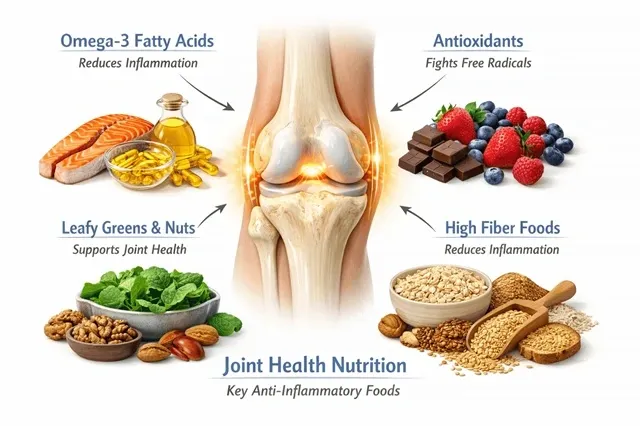
Wild salmon, mackerel, sardines, and anchovies contain high concentrations of EPA and DHA omega-3 fatty acids. These healthy fats convert into specialized pro-resolving mediators (SPMs) that signal your immune system to shut down active swelling.
2. High-Polyphenol Fruits & Vegetables
Dark berries, tart cherries, kale, and spinach contain concentrated quercetin and anthocyanins. These antioxidants neutralize oxidative stress before it breaks down structural collagen.
3. Oleocanthal-Rich Extra Virgin Olive Oil
Unrefined extra virgin olive oil contains oleocanthal, a natural compound that naturally inhibits COX-1 and COX-2 enzymes—the same biochemical mechanism utilized by common over-the-counter anti-inflammatories.
4. Gut-Supporting Whole Grains & Legumes
Oats, quinoa, lentils, and black beans supply soluble fiber. Beneficial gut bacteria ferment this fiber into short-chain fatty acids (SCFAs) like butyrate, which cool down systemic body inflammation. Understanding how weight affects joint pain highlights why fiber is so critical: every pound of excess body weight exerts four pounds of extra pressure on your knees during routine walking.
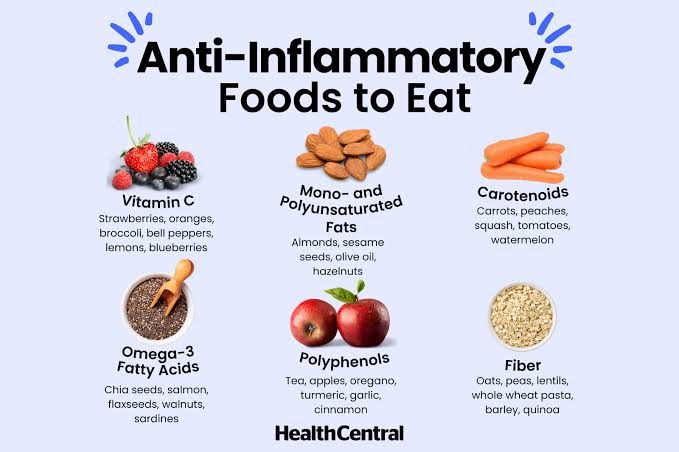
Side-by-Side Medical Comparison: Anti-Inflammatory vs. Pro-Inflammatory Foods
Evaluating how common dietary items impact joint mechanics helps streamline meal choices:
| Food Category | Anti-Inflammatory Options (Joint Supportive) |
Pro-Inflammatory Options (Joint Stressors) |
Biological Impact on Knee Joints |
|---|---|---|---|
| Fats & Oils | Extra virgin olive oil, avocado oil, flaxseed oil | Soybean oil, corn oil, margarine, trans fats | Omega-3s suppress inflammatory cytokines; excess Omega-6s accelerate tissue breakdown. |
| Proteins | Wild salmon, sardines, lentils, organic poultry | Commercial red meat, processed deli meats | Cold-water fish provides EPA/DHA; processed meats elevate systemic CRP levels. |
| Carbohydrates | Steel-cut oats, quinoa, berries, sweet potatoes | White bread, pastries, sugary breakfast cereals | Whole grains stabilize insulin; refined carbs trigger inflammatory spikes and AGE formation. |
| Beverages | Green tea, tart cherry juice, bone broth, pure water | Regular soda, sweetened iced teas, excess alcohol | Green tea polyphenols protect cartilage cells; high fructose drains cellular hydration. |
| Seasonings | Turmeric (with black pepper), ginger, garlic | MSG, commercial high-sodium spice blends | Active curcumin reduces joint stiffness; excessive sodium contributes to fluid retention. |
Foods That May Worsen Knee Inflammation
While some foods help calm inflammation, others may do the opposite. Limiting these foods can be just as important as adding healthy ones.
1. Refined Carbohydrates
Examples:
- White bread
- Pastries
- Sugary cereals
These foods digest quickly and can cause spikes in blood sugar. High blood sugar levels may promote inflammation over time.
2. Sugary Drinks
Examples:
- Soda
- Sweetened juices
- Energy drinks
Sugary beverages contribute to weight gain and metabolic inflammation. Many experts recommend minimizing them in an anti-inflammatory diet.
3. Processed and Red Meat
Highly processed meats often contain preservatives, sodium, and saturated fats.
Frequent consumption has been linked with increased inflammatory markers in some studies.
Occasional consumption likely won’t harm most people, but moderation helps.
4. Fried and Ultra-Processed Foods
Examples:
- Fast food
- Packaged snacks
- Deep-fried items
These foods typically contain refined oils, trans fats, and excess salt.
They also tend to replace healthier foods in the diet, which worsens the overall nutritional profile.
Everyday Factors Influencing Knee Joint Comfort
Diet works hand-in-hand with daily biomechanics. If you frequently ask why do my knees hurt after driving long distances, remember that sitting for hours restricts blood circulation and stiffens the synovial fluid inside your joint capsule. Combining an anti-inflammatory diet with periodic movement breaks keeps joint fluid flowing smoothly.
Similarly, many patients wonder if is walking good for joint pain. Low-impact walking acts like a biological pump, driving nutrient-dense joint fluid straight into cartilage tissues. Pairing routine low-impact exercise with high-antioxidant nutrition maximizes long-term cartilage protection.
Sample 3-Day Anti-Inflammatory Knee Pain Meal Plan
Following a structured eating pattern removes guesswork and keeps joint health on track.
Day 1
- Breakfast: Steel-cut oatmeal topped with fresh blueberries, chopped walnuts, and a pinch of ground cinnamon.
- Lunch: Mediterranean salad featuring spinach, wild canned salmon, cherry tomatoes, cucumbers, and extra virgin olive oil dressing.
- Snack: Green tea paired with a small handful of raw almonds.
- Dinner: Baked cod served alongside steamed broccoli florets and roasted sweet potato wedges.
Day 2
- Breakfast: Smoothie made with unsweetened almond milk, frozen tart cherries, spinach, and a scoop of plant-based protein powder.
- Lunch: Quinoa bowl topped with black beans, diced avocado, roasted bell peppers, and extra virgin olive oil.
- Snack: Sliced apple served with natural walnut butter.
- Dinner: Stir-fried chicken breast with fresh ginger, garlic, bok choy, and brown rice.
Day 3
- Breakfast: Scrambled eggs or tofu with sautéed kale, turmeric, and avocado on whole-grain sourdough toast.
- Lunch: Lentil soup served alongside a mixed green salad dressed with lemon juice and cold-pressed olive oil.
- Snack: A small bowl of fresh blackberries and pumpkin seeds.
- Dinner: Grilled sardines or wild trout with asparagus spears and roasted baby potatoes.
Enhancing Synovial Fluid Quality: The Role of Target Nutrition
While a clean diet provides fundamental building blocks, aging and chronic joint stress can decrease your body’s natural production of hyaluronan—the main molecule responsible for thick, protective synovial fluid. As hyaluronan levels decline, joint fluid thins out, allowing cartilage surfaces to grind directly against each other.
To support natural joint lubrication alongside healthy eating habits, targeted joint formulas like Joint Genesis focus on restoring synovial fluid density.
“Dietary polyphenols successfully lower inflammatory markers in the bloodstream, but rebuilding thick, protective synovial fluid requires re-establishing healthy hyaluronan density inside the joint capsule. Combining an anti-inflammatory diet with targeted nutrients helps retain joint moisture and cushioning.”
By pairing targeted nutrient supplementation with an anti-inflammatory meal plan, you address joint discomfort from both angles: lowering internal inflammatory signals while supporting healthy joint lubrication.
Sample One-Day Anti-Inflammatory Meal Plan
Here’s a simple example of how a knee-friendly diet might look.
Breakfast
Oatmeal with blueberries, walnuts, and cinnamon
Lunch
Grilled salmon salad with olive oil, spinach, tomatoes, and avocado
Snack
Apple slices with almond butter
Dinner
Lentil and vegetable stew with brown rice
Drink
Green tea or water
This style of eating follows many principles of the Mediterranean diet, which researchers associate with lower inflammation levels.
Weight Management and Knee Health
Your diet affects knee pain in another major way: body weight.
Every extra pound of body weight increases stress on the knee joint during movement. Many experts estimate that walking can place several times your body weight across the knee.
Eating anti-inflammatory foods often helps with weight management because these foods tend to be:
- High in fiber
- Nutrient-dense
- Less calorie-dense
In short, they help you feel full without overeating.
Practical Tips for Following an Anti-Inflammatory Diet
Changing your diet does not require a dramatic overhaul. Small steps add up over time.
Try these strategies:
1. Build meals around plants
Fill half your plate with vegetables or fruit.
2. Choose healthy fats
Use olive oil instead of butter or margarine.
3. Eat fish regularly
Aim for fatty fish two to three times weekly.
4. Replace refined grains
Switch from white bread to whole-grain alternatives.
5. Cook more meals at home
Restaurant foods often contain hidden sugar, salt, and unhealthy fats.
Consistency matters more than perfection. Even small improvements can support joint health.
Common Myths About Diet and Knee Pain
Myth 1: One “superfood” will cure knee pain
No single food can eliminate joint pain overnight.
Experts recommend focusing on overall dietary patterns, not miracle foods.
Myth 2: Supplements work better than food
Some supplements may help certain people, but whole foods provide a wider range of beneficial nutrients.
A balanced diet remains the most reliable foundation for reducing inflammation.
Myth 3: Diet changes work instantly
Diet influences long-term inflammation levels. Improvements often appear gradually rather than overnight.
Think of it as maintenance for your joints, not a quick fix.
When Diet Alone Is Not Enough
An anti-inflammatory diet supports knee health, but it works best alongside other lifestyle habits:
- Regular low-impact exercise
- Strength training for leg muscles
- Healthy sleep patterns
- Weight management
- Physical therapy when needed
Together, these habits create a strong foundation for joint health.
Final Thoughts
Knee pain rarely has a single cause. However, chronic inflammation often plays a role, especially in conditions like osteoarthritis.
Adopting a knee pain diet anti inflammatory foods approach may help reduce inflammation, support joint function, and improve overall health.
Focus on simple principles:
- Eat more whole foods
- Include healthy fats like fish and olive oil
- Enjoy plenty of fruits and vegetables
- Limit processed foods and added sugar
Your knees work hard every day. Feeding your body the right nutrients gives them the support they deserve.
Verified Medical Sources & References
- National Institute of Arthritis and Musculoskeletal and Skin Diseases (NIAMS): Osteoarthritis Health Information & Management Guidelines
- Centers for Disease Control and Prevention (CDC): Arthritis-Friendly Physical Activity and Dietary Strategies
- Mayo Clinic: How an Anti-Inflammatory Diet Can Relieve Joint Pain and Stiffness
- Arthritis Foundation: The Ultimate Arthritis Diet & Anti-Inflammatory Food Guide
Author Bio
Jennifer Collins is a wellness researcher and natural health writer focused on adults over 40. With 3+ years of experience in digital health content, Jennifer specializes in making science-backed nutrition and lifestyle strategies easy to follow and apply.
Health Disclaimer
This content is for informational purposes only and is not intended to diagnose, treat, or cure any disease. Always consult your healthcare provider before making changes to your diet or health routine. This article may include affiliate links, which come at no extra cost to you.